


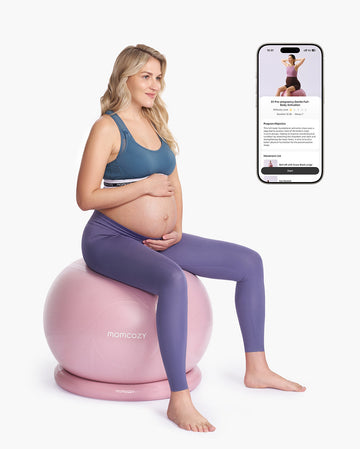
As labor approaches, many expecting mothers look for natural ways to help their bodies prepare for birth. One of the most effective and gentle methods is movement. Certain positions to encourage dilation can help the baby move deeper into the pelvis, increase pressure on the cervix, and support natural labor progress. Learning about safe labor positions to speed up dilation can help you stay comfortable, active, and confident throughout the labor process.
Stages of Labor

Before exploring the best positions, it’s helpful to understand the three main stages of labor, as different movements work best at different times.
Early Labor
Early labor begins when contractions become regular and the cervix starts opening. During this stage, the cervix typically dilates from 0 to about 6 centimeters. Contractions are often mild to moderate, making it an ideal time to stay active.
Active Labor
Active labor occurs when dilation progresses from 6 to 10 centimeters. Contractions become stronger, longer, and closer together. Positions that encourage the baby to descend and apply pressure on the cervix become particularly helpful.
Pushing Stage
Once the cervix reaches 10 centimeters, the pushing stage begins. Certain positions can help guide the baby through the birth canal while reducing strain and improving comfort.
Understanding these phases helps determine which positions to encourage dilation may work best at each moment.
How to Choose a Birthing Position
There is no single “perfect” birthing position. The best approach is to listen to your body and remain flexible.
Here are a few factors to consider:
Comfort
Choose positions that allow you to relax between contractions.
Gravity assistance
Upright positions can help the baby descend naturally.
Pelvic opening
Movements that widen the pelvis may encourage dilation.
Energy conservation
Labor can last many hours, so switching positions can help prevent fatigue.
Movement Support
Tools like birthing balls can also make it easier to move safely and comfortably during labor.
What Positions Encourage Dilation
Movement and posture can influence how the baby engages with the pelvis and cervix. Below are some commonly recommended positions to encourage dilation.
Sitting on a Birth Ball

Sitting upright on a birth ball helps open the pelvis and allows gentle movement during contractions.
Many moms find that rocking the hips or making slow circular movements helps reduce pressure in the lower back.
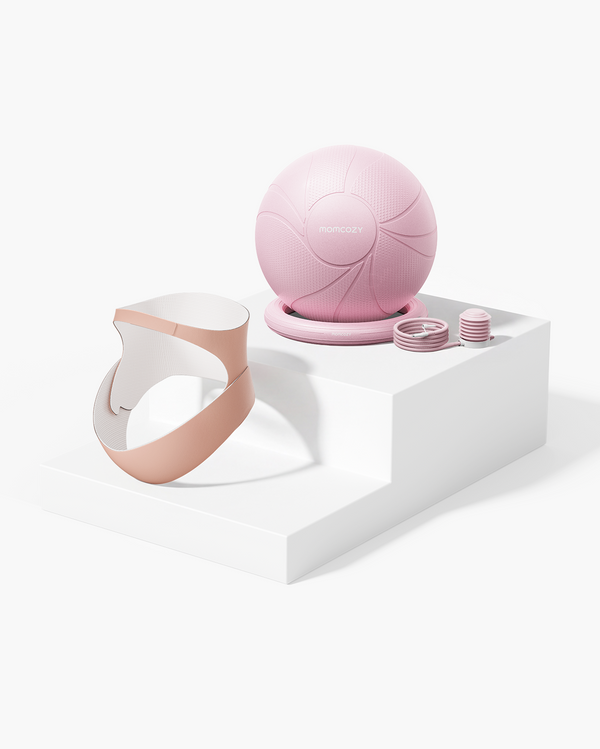
A supportive tool like the Momcozy BirthEase Maternity Exercise Ball Set can make this position especially comfortable. Designed specifically for pregnancy and labor preparation, the FDA-registered ball features an ergonomic anti-slip surface and a stability base. The ball supports up to 330 lb and is made from BPA-free PVC with anti-burst technology, helping ensure safety during use.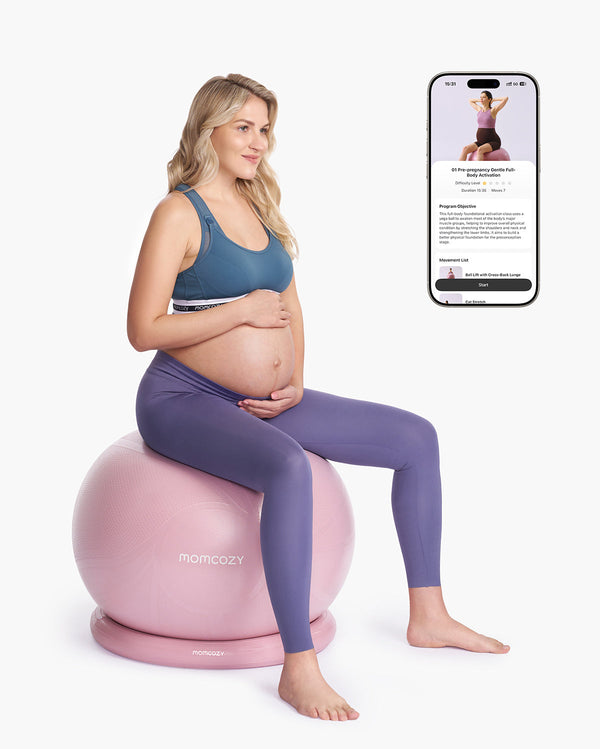
 Member price
$119.89Code Save 20%
Member price
$119.89Code Save 20%
Beyond the physical support, the set also connects to the Momcozy App, where moms can access stage-based video courses, personalized training plans, and expert guidance to help prepare for labor with confidence.
Hip Circles

Gentle circular movements while sitting or standing help loosen the pelvis and may encourage the baby to rotate into an optimal position.
This movement also relieves tension in the lower back and hips.
Forward Leaning Position

Leaning forward over a bed, chair, or birth ball allows the belly to hang freely. This position helps reduce spinal pressure and gives the baby more space to descend.
Walking

Walking is one of the simplest labor positions to speed up dilation. Gravity helps guide the baby downward, increasing pressure on the cervix.
Short walks between contractions can also improve circulation and reduce stress.
Birthing Positions for Active Labor
During active labor, contractions intensify and the cervix continues to open. Certain positions may help manage discomfort while encouraging progress.
Hands and Knees

This position relieves pressure on the spine and allows the pelvis to widen.
It is particularly helpful if the baby is positioned toward the mother's back.
Squatting

Squatting can significantly increase pelvic opening. Some studies suggest that squatting may widen the pelvic outlet by up to30%.
Because it requires strength, it’s often helpful to use support such as a partner, bar, or birth ball.
Lunging

Lunging with one foot elevated can create additional space in the pelvis and encourage the baby to rotate into a better position.
Birthing Positions for Early Pushing
Once full dilation is reached, positions that support effective pushing become important.
Supported Squat

Using a partner or support bar, this position allows gravity to assist with the pushing stage.
Kneeling While Leaning Forward

Kneeling while leaning on a birth ball or bed helps reduce pressure on the perineum and may make pushing more comfortable.
Side-Lying Position

Lying on the side allows rest between contractions while still maintaining good pelvic alignment.
Birthing Positions for Late Pushing
As the baby moves closer to birth, some positions may feel more natural and effective.
Semi-Reclined Position

This position provides support while still allowing the pelvis to open.
Upright Kneeling

Kneeling upright while holding onto a support structure allows gravity to help guide the baby downward.
Modified Hands-and-Knees

A variation of the hands-and-knees position can help reduce strain and assist with controlled pushing.
What Positions to Open the Cervix Cannot Do
Although positions to encourage dilation can support the labor process, it’s important to understand their limitations.
Positions cannot:
- Guarantee faster labor
- Replace medical care or monitoring
- Induce labor if the body isn’t ready
- Prevent all discomfort
Labor progression depends on many factors, including hormone levels, baby positioning, and individual physiology.
Think of positions as supportive tools rather than guaranteed solutions.
Tips for Using Birthing Positions
To make the most of movement during labor, consider the following tips:
Change positions regularly
Switching positions every 20–30 minutes can help maintain circulation and comfort.
Use support tools
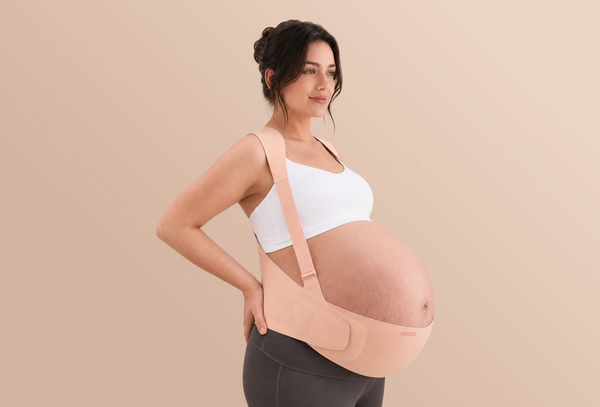
Birthing balls, pillows, belly band or a partner can help maintain balance and reduce fatigue.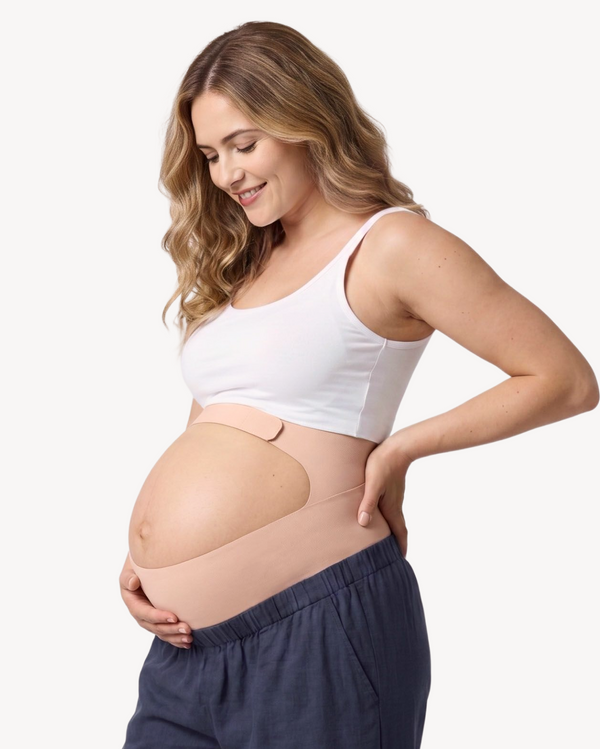
Stay hydrated
Hydration supports muscle function and energy levels during labor.
Follow your body's cues
If a position feels uncomfortable or tiring, try another.
Benefits of Staying Upright Positions During Labor
Research suggests that upright labor positions may offer several advantages.
Better gravity support
Gravity helps guide the baby deeper into the pelvis.
Improved circulation
Upright positions prevent compression of major blood vessels.
Reduced back pain
Many moms find forward-leaning positions ease lower back pressure.
More effective contractions
Movement can help contractions work more efficiently.
These benefits explain why many midwives encourage mobility during labor.
Ways to Stay Upright Positions During Labor
Maintaining upright positions doesn’t mean standing the entire time. There are several comfortable options.
Using a birthing ball
Sitting, bouncing gently, or leaning forward on a birth ball allows mobility with support.
Standing and swaying
Gentle swaying with a partner can help manage contractions.
Kneeling with support
Kneeling over a bed or ball keeps the pelvis open while reducing fatigue.
Supported walking
Even short walks can help maintain movement during early labor.
FAQs
Can you dilate your cervix naturally at home?
In some cases, yes.While you cannot force the cervix to open, gentle movement, walking, and upright positions to encourage dilation may help the baby move lower into the pelvis and increase pressure on the cervix. These activities can support natural labor progress as your body prepares for birth.
Are there any risks with trying different positions to open the cervix?
For most healthy pregnancies, changing positions during labor is generally safe. However, if you have a high-risk pregnancy or specific medical conditions, it’s best to consult your healthcare provider before trying exercises intended to encourage labor.
How do you know if the cervix is opening or dilating?
Cervical dilation is usually measured by a healthcare professional during a pelvic exam. Signs that labor is progressing may include stronger, more regular contractions and increasing pelvic pressure.
Who shouldn’t try exercises to naturally induce labor?
Women with high-risk pregnancies, placenta previa, or certain medical complications should avoid attempting to induce labor naturally. Always check with your healthcare provider before trying labor-encouraging exercises.
When is it safe to do exercises to induce labor?
Most healthcare providers recommend waiting until your pregnancy reaches full term, typically around 39–40 weeks. Before this stage, exercises should focus on comfort and preparation rather than inducing labor.
Does lying on your side help dilation?
Side-lying positions may not directly speed up dilation, but they can help the body rest while maintaining good pelvic alignment. This position is often recommended to conserve energy during longer labors.
Conclusion
Every labor journey is different, but staying mobile and trying different positions to encourage dilation may help support comfort and natural progress. From walking and squatting to using supportive tools like a birthing ball, these labor positions to speed up dilation can help your body work with gravity and movement during childbirth. With preparation, the right support, and guidance from your healthcare team, you can approach labor feeling more confident and empowered.








