


FIRST YEAR BABY COST CALCULATOR

First Year Baby Cost Calculator
Welcome to the Momcozy Baby Cost Calculator! This tool helps you quickly estimate your little one's first-year expenses, making financial planning for your new arrival easier and more confident.
Your baby's first year may cost around:
Total cost: $
-
Ongoing costs
$0
Childcare
$0
I'll spend on childcare:
$
/m
m
Diapering
$0
I'll spend on disposable diapers:
$
/m
m
I'll spend on a cloth diapers service:
$
/m
m
I'll spend on cloth diapers I wash myself:
$
/m
m
I'll spend on wet tissue:
$
/m
m
Feeding
$0
I'll spend on Formula:
$
/m
m
I'll spend on Solid food:
$
/m
m
Clothing
$0
I'll spend on clothing:
$
/m
m
Saving toward future/college
$0
I'll spend on saving toward future/college:
$
/m
m
I'll spend on healthcare expenses:
$
/m
m
Toiletries
$0
I'll spend on toiletries:
$
/m
m
I'll spend on toys, books, and other media:
$
/m
m
One-time costs
$0
Gear
$0
Infant car seat
$
Convertible car seat
Double stroller
Jogging stroller
Play yard
$
Diaper bag
$
Nursery
$0
Crib
$
Crib mattress
$
Changing table and pad
$
Diaper pail
$
Glider or rocker
$
Bassinet
$
Hamper
$
Crib mobile
Feeding
$0
Highchair
$
$
Plates and bowls
$
Burp cloths
$
Bibs
$
Baby bathtub
$
Baby washcloths
$
Baby grooming kit
$
Baby shampoo and wash
$
baby nail file
$
Baby proofing supplies
$
First-aid kit
$
Humidifier
Air purifier
Miscellaneous
$
Disclaimer: The Momcozy Baby Cost Calculator provides an estimate. Please remember, your actual costs may vary
with your unique family.
More Calculators for Your Parenting Journey


Baby Cost Extended Reading and Support


Momcozy Budget-Friendly Parenting Solutions
 HSA | FSA


Bottle Washer
Sterilizer & Dryer
Washes More Than Just Bottles


Breast Milk & Water
Fast Heating
Long Battery

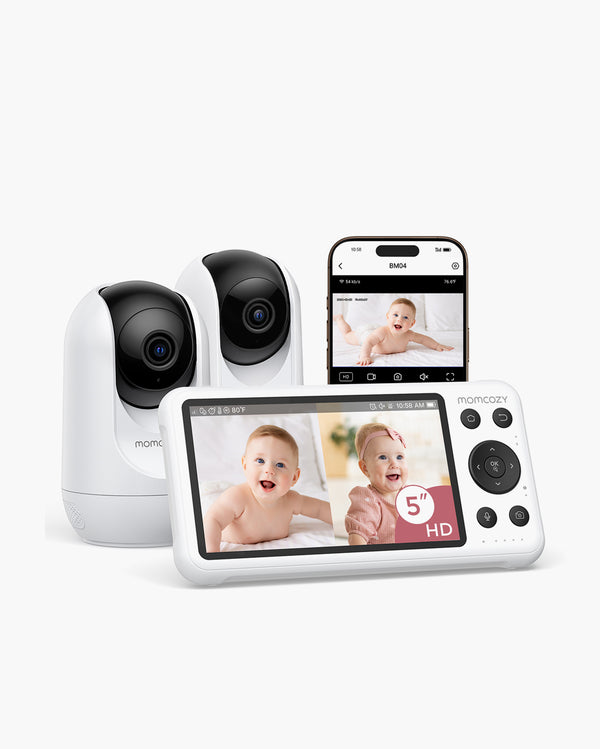
App or Parent Unit
Danger Zone Alert
Storage Supported
Vox Mode
HSA | FSA

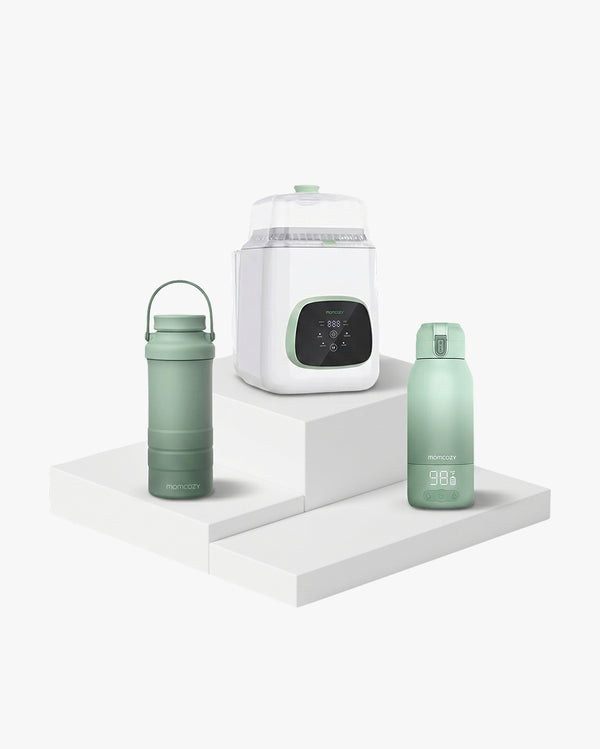
Bottle Washer
Sterilizer & Dryer
Washes More Than Just Bottles
- Choosing a selection results in a full page refresh.
- Opens external website. Opens in a new window.