


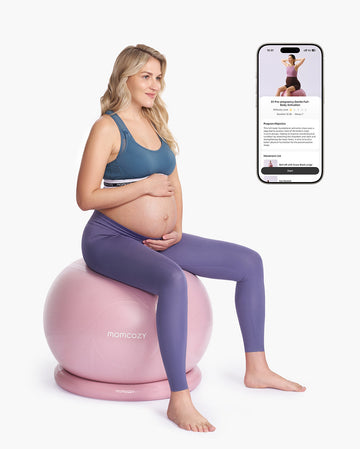
Bouncing on ball to induce labour is a natural process that most pregnant women attempt when their due date is close. A birthing or exercise ball may be utilized to assist your baby to be in a prime position and may exert tender pressures on the cervix. The rhythmic movement may also assist in relaxing and stimulating the pelvic muscles, which would assist in the initial stages of labour. This is not a sure technique of getting the contractions going, but it is a simple and painless procedure and can be performed safely during late pregnancy without any complications with the assistance of your medical expert.
Why People Try to Induce Labor Naturally
Individuals attempt to trigger natural labor to feel comfortable and safe as the due date gets near. During pregnancy, women usually experience back pain, pain, bloating, and tiredness at the end of pregnancy. Natural practices make them feel like they have control and a means of stimulating birth without medical drugs such as Pitocin or membrane sweeps.
A pregnancy that goes beyond 41 weeks will leave a doctor suggesting some calming methods in order to reduce the damage to the baby. Some practices, e.g., bouncing on a ball, can help place the baby in the right position and facilitate neck movement. Natural methods may be helpful, yet they cannot guarantee labor and, thus, should be verified with a medical specialist.
How a Birthing Ball Works

A birthing ball works by encouraging an upright, comfortable motion that helps the baby to adopt the best posture that helps in the delivery process. When a pregnant person sits or bounces on the ball, this tilts the pelvis forward and opens the hips and engages the head of the baby in the pelvis. The rotation or bouncing of the hips around the circle following a beat attracts the muscles of the pelvis and may stimulate the cervical preparation.
Using a birthing ball also helps improve posture, relieve back pressure, and increase comfort. While it can support labor preparation, it does not guarantee contractions will start and should be used safely under guidance.
What Is a Birthing Ball?
A birthing ball, also known as a maternity ball or exercise ball, is a large inflated ball that is used to support the pregnant mother during, before, and after labor. Moving gently on the ball, rocking, and in-circling the hips can all help with the posture, relieving back and pelvic pressure as well as promoting pelvic maneuverability and provide relief to many women in their later pregnancy.
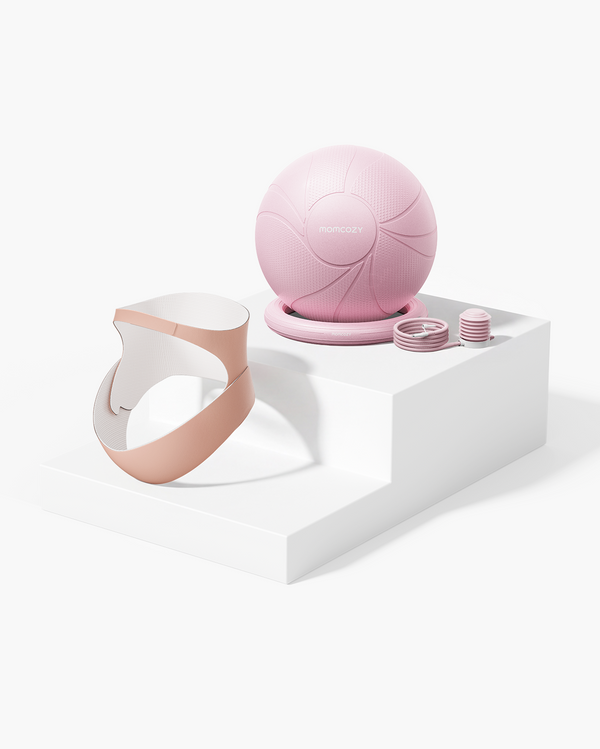
Some women use tools like the Momcozy BirthEase Maternity Ball Set, which includes a 65 cm ergonomic ball made from BPA-free, anti-burst PVC with a textured, anti-slip surface and reinforced base for stability. The set provides access to stage-based video courses in the Momcozy App, offering guidance for prenatal comfort, labor preparation, and postpartum recovery. It also includes personalized training support and a foot pump for easy setup, making it a practical option for staying active safely during pregnancy.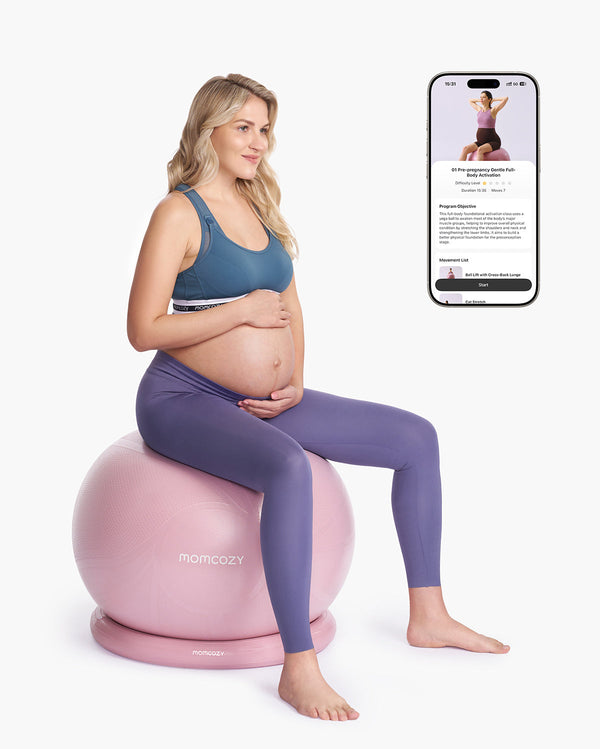
 Member price
$119.89
Member price
$119.89
Birthing Ball Moves People Try
Pregnant women use birthing balls to stay active, improve comfort, and encourage the baby to move into an optimal position for birth. Some common moves include:
Bouncing or Gentle Up-and-Down Movements
Sitting upright on the ball, lightly bouncing can open the pelvis and can come into contact with the head of the baby, and less pressure can be applied to the lower back.
Hip Circles
Circling the hips slowly when sitting helps in relaxing the muscles of the pelvis and therefore becomes more flexible, and supports better fetal positioning.
Figure-Eights
Figure-eight hip motion combines rotation and rocking, which increases pelvic mobility and relieves tension.
Rocking Forward and Backward
Leaning forward or back, sitting on the ball will strengthen the core, offload the back and aid the baby in trying to go down.
Side-to-Side Rocking
Tilting forward or backward, sitting on the ball will strengthen the core, offload the back and aid the baby in trying to go down.
Mothers can try these movements at home using a birthing ball such as the Momcozy pregnancy ball. Though these exercises may be helpful in comfort and positioning the pelvis, these exercises do not guarantee labour beginning and should be conducted cautiously, ideally in the presence of a medical professional.
How to Use a Birthing Ball Safely
The safe use of a birthing ball would help in maintaining a comfortable position and minimizing the chances of falls or injury during pregnancy. Follow these steps:
Choose the Right Size
Keep knees in 90 degrees position and sit on the ball using flat feet. This assists in keeping a balance and a good posture.
Use a Stable Surface
To ensure that the ball does not slide, place it on a non-slip surface or a yoga mat. Do not use unbalanced floors or slippery floors.
Sit Properly
Keep your back straight, shoulders relaxed, and core engaged. Do not lean back too far or slouch.
Move Slowly
During bouncing, rocking, or hip circles, move slowly and with control. Do not make sudden or jerky movements, which might result in loss of balance.
Keep Support Nearby
When you feel shaky, lean close to the wall, chair, or counter top to provide additional support.
Listen to Your Body
Stop as soon as you experience pain, dizziness, or discomfort. Birthing ball exercises are supposed to be gentle, not strenuous.
Consider a Pregnancy Belly Band
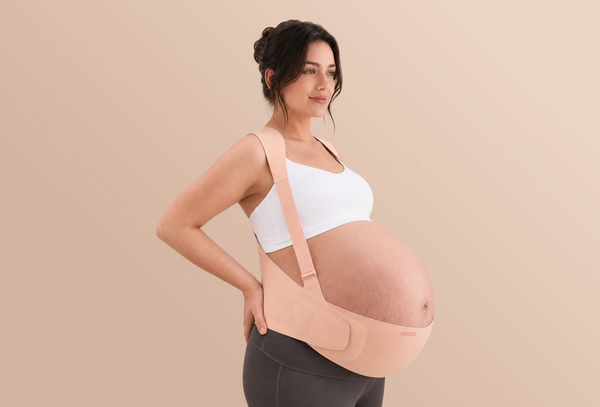
A properly fitted pregnancy belly band may provide additional support for your growing belly and lower back during gentle ball exercises. It should feel comfortable and should not restrict your breathing, circulation, or movement.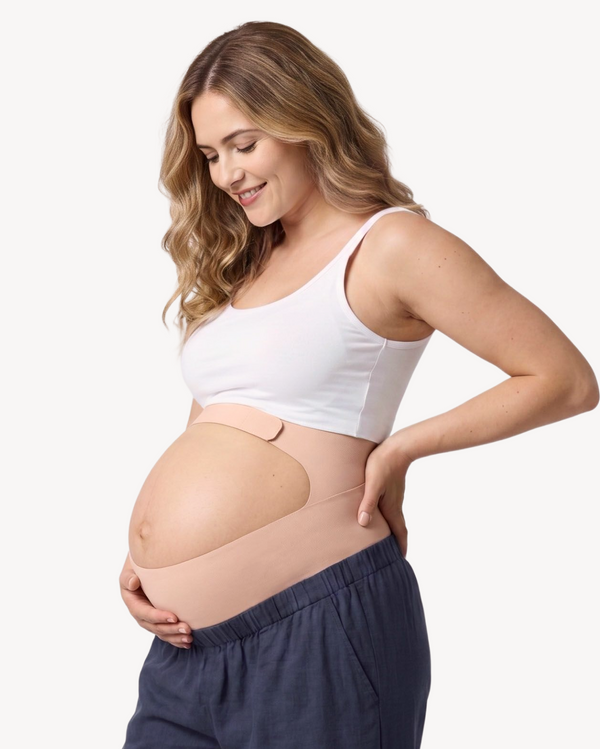
Limit Session Time
Begin with 5-10 minutes per session and slowly go up in case of ease. Prolonged sessions may be tiring or stressful.
These instructions will help you safely use a birthing ball to enhance your posture, relieve back pain, and improve forward pelvic movement during late pregnancy.
When to Start Using a Birthing Ball
A pregnant woman can safely use a birthing ball during the second or third trimester, when the belly is bulging up, and pain in the back or hips starts to be felt. The earlier pregnancy may be used with the ball to help with the posture, the core muscles, and mild back pain.
The majority of individuals pay attention to late pregnancy, which is approximately 32 weeks or more, when the infant starts moving into the position of delivery. In this period, bouncing, rocking, or hip circles can be useful to enhance the range of movement of the pelvis and make the baby move into a comfortable position.
A healthcare provider should always be consulted prior to beginning new exercises, particularly in cases of complications or high-risk pregnancy.
Benefits of Using a Birthing Ball During Labor
A number of practical advantages can be achieved with the use of a birthing ball during labor:
Opens the Pelvis
Bouncing or sitting on the ball would help to expand the opening of the pelvis, allowing the baby the space to move to the most ideal position for birth.
Encourages Upright Positioning
Sitting in an upright position embraces gravity, which can assist the baby in descending and can even provide more effective contractions.
Relieves Back and Hip Pain
The use of gentle rocking, bouncing or hip circles will ease the pressure in the lower back and hips, which is comforting during contractions.
Promotes Relaxation
Deep breathing and slow movements assist in tension release, breathing ease, and maintaining a calm body, which may make birth seem less painful.
Supports Core and Pelvic Muscles
Balancing on the ball also involves using the core and pelvic muscles that may be used to assist in pushing during labor.
A birthing ball can help to make labor more comfortable, but it does not trigger any contractions and should be used under the supervision of a medical professional.
How Long Should I Bounce on a Ball to Induce Labor?

No fixed time is ensured to initiate labor since bouncing on a ball can assist in discomfort and movement about the pelvic region, but do not initiate contractions directly. Most pregnant women practice with the ball in brief repetitive sessions; the length of the sessions varies, often 5-10 minutes at a time, multiple times per day, depending on comfort and energy levels.
Always listen to your body: you need to rest when you feel pain or even dizzy, or just feel tired. Light and slow bouncing or rocking is the safest. Only use a birthing ball to prepare for labor after a healthcare professional suggests it, particularly in case the pregnancy is high-risk or the issue is high-risk.
FAQs
What Size Birthing Ball Should You Use?
Prepare a ball upon which you will be sitting with the feet facing the floor and the knees at 90 degrees. Most women use a ball that is between 65 cm in length, and shorter or taller adults can require a smaller or a bigger ball in order to sit properly and keep balanced.
Is it safe to bounce on a ball while pregnant?
Yes, in most pregnancies, it is safe to bounce lightly on a birthing ball. Movements should be slow and controlled, and the surface must be a stable and non-slip surface. Stop in case of pain, dizziness, and discomfort and talk with your healthcare provider in case of complications during pregnancy.
Will bouncing make my water break?
No, bouncing on a birthing ball does not make your water break. Labor normally starts with contractions or natural changes of the cervix. Bouncing can aid in both comfort and position of the pelvis, but does not cause labor directly.
Conclusion

A birthing ball serves to provide comfort, hip positioning and movement during pregnancy. Gently rocking over the hip, bouncing and rocking will help ease the pressure on the back and pelvis and can also help the baby to get a good position. It can help in the preparation of labor, but it does not cause contractions. Play with the ball on a solid surface, take it slowly, and inform your healthcare provider about any concerns or pregnancy issues.








