


Preparing for a new baby can be exciting but sometimes terrifying. As you start your registry, you may find yourself wandering in a baby store or browsing an online registry and finding hundreds of different diapering products. It can be difficult to decide what to buy and what to put on your registry.
If your full registry isn't finished yet, take a peek at our complete baby registry checklist to see all the other things besides diapers, nursery, feeding, and sleep. Our blog post about diapering essentials will help you buy only the items that you need at the right time and without going overboard.
Key Takeaways
- Sign up for what every family needs to diaper their child instead of what products are available.
- You should buy a small supply of diapers rather than buying an entire collection of one brand or size.
- You should sample the diaper, wipes, and creams before you buy any large quantity of them.
- You should decide early on if you will use disposable, cloth, or a combination of both.
- You should buy a disposal system that fits your needs, not every neighbor's.
- Think about the products you need most instead of the gadgets you want.
Use a "Register Now, Sample First, Buy Later" Rule
One of the simplest things you can do to streamline your registry is to group items into three intuitive categories
Register Now will include long-lasting purchases or necessities that most parents would find helpful beyond the first year or two of parenting, regardless of their diapering philosophy.
Sample First will cover products that may be dictated by your child's sensitive skin, body type, or even your personal preference; things that you may only consider buying in abundance once you've tested the product.
Buy Later will include extras, second rounds, or accessories that complement a major purchase but may not be necessary until later.
This simple approach reduces waste, makes gift-giving easier for friends and family, and prevents your nursery from filling with unopened products that may never be used.
Quick Diapering Registry Checklist by Purchase Timing
| Timing | What Belongs Here | Examples | Why |
|---|---|---|---|
| Register Now | Broadly useful functions | Changing pad, protective liner, starter diapers, wipes, cleanup cloths, diaper cream, disposal solution | Useful for nearly every family |
| Sample First | Preference-dependent products | Different diaper brands, wipe varieties, larger cream sizes | Lets you discover what works before buying in bulk |
| Buy Later / Optional | Convenience products and duplicates | Bulk newborn diapers, wipe warmer, extra organizers, duplicate changing furniture | Easier to decide after your routine develops |
This simple checklist keeps your registry practical while giving you flexibility once your baby arrives.
Start With a Small Diaper Assortment—Not a Newborn Stockpile
One of the most frequent mistakes new parents make is thinking that they will need hundreds of newborn diapers.
The problem is that babies grow so fast, and different manufacturers have different sizes of diapers. If you're wondering how many newborn diapers to start with, the answer is to not buy too much at the beginning. It is better to buy a small package of newborn diapers and then change the size as the baby grows up.
Rather than getting a ton of jumbo packs for one type of brand, go for a few different ones. Think:
- A few packs of newborn diapers
- Size 1 packs
- A sample pack if they have one
Plus some registry gift cards. That way, you get to be flexible and find out what your baby likes without wasting your closet space with hundreds of diapers that your baby may only need for a week. You can check out a diaper size chart, too.

Add Wipes With a Trial-and-Refill Strategy
It's all very well for baby wipes, but different families tend to develop their own preferences when it comes to these moist squares. Some are chunkier than others, some have more moisture, and some are just outright more baby-friendly. There's no point in getting a year's supply of one type before discovering that another is much better for your child and just as common. Before buying in bulk, consider learning how to choose the best baby wipes based on your baby's needs.
A well-stocked registry may include:
- one or two packs of disposables
- a refill
- cloth-friendly wipes, if you're planning on using cloth diapers
Wipe warmers, decorative dispensers, and other items are nice, but they're not necessary-there's no need to get fancy if you're happy with a basic wipe package.
Choose One Safe, Easy-to-Clean Changing Surface
The first step in every diaper change involves choosing a changing surface for your baby. Once your space is ready, learning how to change a diaper step by step can help new parents feel more confident during daily routines.
Luckily for us, there's no need to install several changing stations all over the house before our baby is born. As a general rule, it's best to have one main changing station plus a secondary, portable changing station.
Some common options are:
- A dresser top
- A portable changing mat
- A changing table
- A folding travel pad
Any of these should work, as long as you can set up a changing station and find something that is easy to clean or has a removable, washable cover.
You can use the Momcozy Playard paired with the Momcozy Changing Table to create a complete changing station. The best thing is that the playard can also switch between playard mode and bassinet mode. It's a multi-purpose tool, making it handy in many situations.
Register for Basic Skin Protection—Without Building a Medicine Cabinet
Healthy diapering is not about buying every possible cream out there. It is more about having some basic supplies on hand before your baby arrives.
A simple starter kit would include:
- one small jar or tube of barrier cream
- some soft cleaning cloths
- some gentle wipes
- clean place to do the changing
You don't want to get your baby a whole bunch of different creams before you even know what works for their sensitive little skin. If their rash is severe, blistering, persistent, or getting worse, you should talk to their pediatrician instead of trying different over-the-counter treatments.
Add Mess-Containment and Cleanup Basics
The joys of a diaper change don't end when you finish fastening the tabs and tucking in the corners. Toddlers can make a mess during a diaper change, so you'll need a few cleanup necessities to keep things running smoothly.
Here are a few products to consider adding to your registry.
Useful Items:
- Washable protective liner
- Burp cloths or other reusable clean-up rags
- Washable wet bag for storing on the go
- A laundry hamper if you prefer
These are helpful for protecting your changing surface, cleaning up messes, and washing or storing clothes or other reusable items more easily when you're on the go.
Decide How Used Diapers Will Leave the Changing Area
One diapering decision that is often passed over is thinking about the disposal of diapers after having changed one. Understanding what a diaper pail is and how it helps with diaper disposal can make it easier to choose the right solution for your home.
Before you add a disposal solution to your registry, ask yourself a few questions:
- Where will you be changing the majority of your diapers?
- How often do you plan on throwing away the trash?
- Do you envision yourself hauling each dirty diaper to the outdoor trash can, or do you see yourself needing a self-contained diaper disposal solution?
For others, it might be a matter of convenience, especially if you see yourself primarily changing diapers in one area, such as a nursery or a specific room in the house.
The Momcoy Triple-Seal Diaper Pail
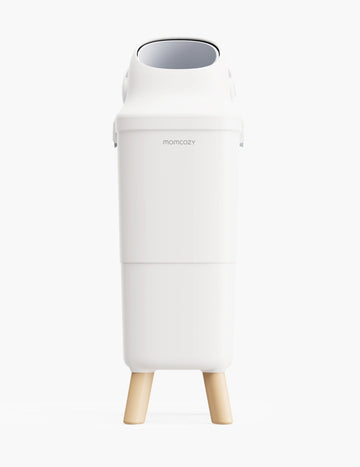
If you're in the market for a diaper pail, Momcozy's Triple-Seal Diaper Pail is an upscale registry pick that keeps odor at bay.
Momcozy's innovative Triple-Seal technology, plus its patented clamp bag seal, help to prevent unpleasant odors from escaping when you're on the go.
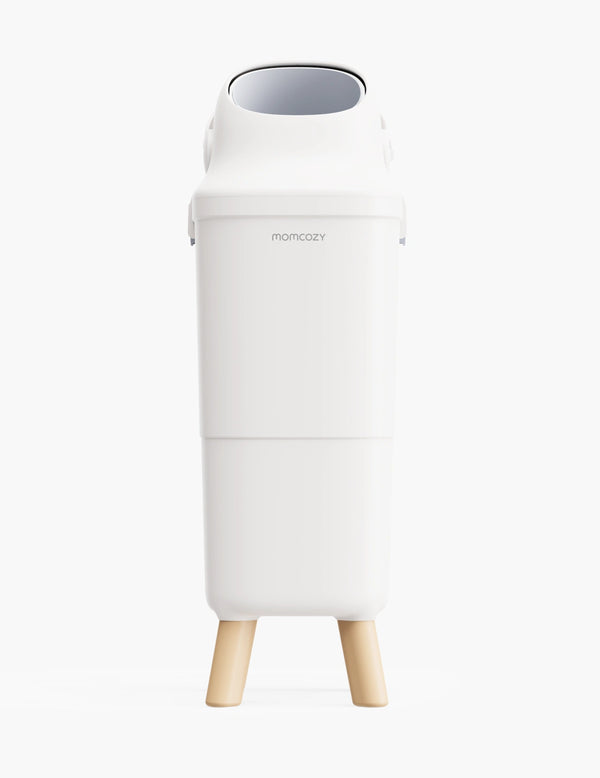
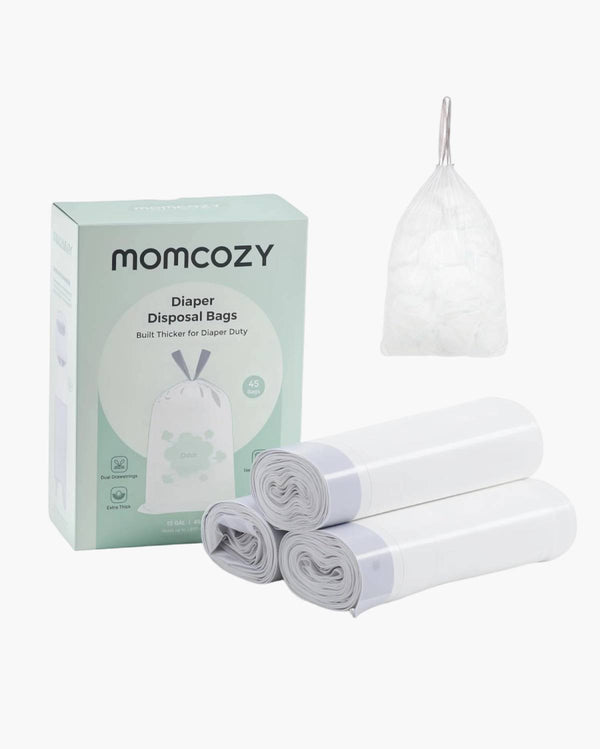
This diaper pail has a hands-free wide opening, 22L capacity, works with standard 13-gallon trash bags, a child safety lock, and an easy-to-clean design, making it a must-have for parents who know they will be changing multiple diapers in one place.
No matter what way you decide to throw away the diaper, keep in mind that each diaper pail must still be emptied and disinfected from time to time as one of the parts of ordinary household cleaning. If you want to find out more about various methods of disposal, see our guides on dirty diaper disposal routines, do you need a diaper pail, and how to choose a diaper pail.

If You Plan to Cloth Diaper, Add the Route-Specific Essentials
Not every family has the luxury to purchase only disposable diapers. Some families opt to use cloth diapers, and some families only use them intermittently.
If you plan on using cloth diapers, it is best to narrow the registry down to the specific products used for that type of system rather than purchasing an extravagant amount of disposable diapers beforehand.
Your registry should include:
- a starter set of cloth diapers
- inserts or covers for the system you choose
- reusable wipes
- one or two waterproof wet bags
- and storage items that will help you with your laundry
Don't feel that you have to buy everything you'll ever need right away. How many cloth diapers you need depends on how often you plan to do laundry, how often you expect to change your baby, and what system you choose.
A Hybrid Routine Can Reduce Registry Guesswork
Many parents find that the optimal diaper changing regimen often falls somewhere in between the two options.
Parents who utilize a mixture of both products are able to reap the benefits of each, using what is most convenient for their needs.
Examples include:
- Use cloth during the day and disposables at night
- Having cloth at home and disposable when traveling
- Using disposable diapers with reusable wipes
- Using reusable liners with disposable diapers
Having a hybrid registry is a good idea because you won't feel as pressured to buy a lot before your baby comes
You can register for what you think you'll need first, then build up your stash based on your experiences with your child.

Separate Home Essentials From On-the-Go Purchases
Although diapering is an everywhere affair, your registry doesn't need to feature every item in every location. Split your purchases into two categories.
Home Essentials
Your main diapering station should have
- a changing station
- starter diapers
- wipes
- diaper cream
- clean-up cloths
- your chosen method of disposal
These are the perfect items in your diaper caddy essentials you'll use lots of times each week.
On-The-Go Essentials
When you're away from home, you want light and simple. That means a small bag with just the necessities. The following list contains some of the basics:
- A portable changing pad
- A few diapers
- A pack of wipes
- A set of clothes
- Some small bags for packing and disposing of waste, if desired
Many parents find that for the first little while, you won't need a special diaper bag. You can use something you already have, like a backpack or tote bag.
What Not to Overbuy Before Baby Arrives
Building a registry involves not only deciding what you want but also figuring out what you can wait for.
Some items were challenging to plan for because they depend on your child's skin type or growth rate.
Consider waiting before buying:
- Several packs of jumbo-size newborn diapers
- Huge boxes of one particular brand of diapers
- Big packages of one particular type of wipes
- Lots of jumbo-size containers of different diaper creams
- Duplicate changing furniture
- All the organizers for every single room
- Convenience items that you really cannot think of living without
One good question to ask yourself is, will this decision change when the baby arrives? If it will, it is probably best to sign up for a smaller supply, gift cards, or registry completion discounts instead
Before adding a diapering product, think about whether it performs any of the four core functions:
- Changing
- Cleaning
- Skin protection
- Containment of used diapers
If not, then it is likely a discretionary purchase that you may want to postpone until you have found out whether you really need it.
Frequently Asked Questions
How many diapers should I put on my baby registry?
Instead of registering for a large quantity of one kind only, start with a small number of varied sizes and brands. That way, you can test out which type works for your baby and how many you will need to buy more.
Should I stock up on newborn diapers or size 1?
Most parents tend to get a little of both. Some babies grow out of newborn clothes rapidly, whereas others can wear them for a while. It's good to have just enough of both, so you aren't wasting money.
Can I register for both cloth and disposable diapers?
Yes, you can! Some people like to use both cloth and disposable, and may choose which one to use based on the situation.
Is getting a diaper pail something to add to your registry?
Well, if you have someone who usually does the diaper changing or you have a spot where you change them most of the time, then I would say yes, it's a good thing to add to your registry.
Do I need to get a wipe warmer?
Nope, wipe warmers are completely optional. Many parents buy packs of wipes throughout infancy without one.
What items should I wait to buy before my baby arrives?
Everything dependent on fit, irritation, or preference--including larger packs of diapers, bulk packs of wipes, and extra accessories of any kind.
Conclusion
Compiling a functional diaper registry doesn't necessitate anticipating every conceivable diaper brand or a multitude of disparate skin-care preferences and stages for your child's first year. Instead, make a list that covers the basics of every family's diapering duties, and you can't go wrong.
Once your routine becomes familiar, you will always be able to buy convenience products that provide maximum results. If families are setting up a home changing area for their children, upgrading to Momcozy TripleSeal Diaper Pail would be the best registry choice available that contains unpleasant smells and allows very clean and easy disposing of waste.
The top baby registry diapering essentials have less to do with how big they appear and more about the diapering tasks that you encounter daily. These products make diaper changes simpler, more structured, and very easy to handle, beginning from when your baby is still very small.








