Newborn registry must-haves are the things worth putting down before the baby arrives: what you will use in pregnancy and after birth, and what gets used every day with the baby. The numbers below run from 1 to 33. That last number is the count.
Anything that can wait sits at the end of its scene, under optional to buy later, and is not part of the 33. A big pile of newborn clothes, newborn shoes, and a second copy of something already on the list are in a separate section, because those tend to sit unused.
Key Takeaways
- The numbered items are the must-haves. The count stops at 33.
- Newborn registry essentials run from pregnancy through the weeks after birth, then feeding, sleep, care, and a car seat.
- Optional pieces stay at the end of each scene. They are not part of the count.
What to Put on a Baby Registry
A baby registry list works as one job per number, not two versions of the same job. A brush and a drying rack cover bottle washing, so a bottle washer is optional. A monitor is useful in some homes and optional here, not a safety requirement. If the registry itself is still new, what a baby registry is covers that first.
For You
For a first-time mom, the early numbers cover pregnancy and the weeks after birth. On Momcozy Baby Registry, the widest choice is in this stretch: sleep, a growing belly, recovery, and feeding.

Pregnancy
These months are about sleep at night and the weight in front during the day.
1. Pregnancy pillow
A pregnancy pillow is for the last months, when side sleep needs the belly supported. A pillow under the belly and another between the knees helps that position hold, and it saves rebuilding that little stack after every turn. Around $30–$65 is an easy amount to leave on your list.
Momcozy pregnancy pillows come in two shapes for that kind of night. The U-shaped one wraps both sides, from the head down through the legs, and needs most of a shared bed. The wedge is the smaller lift, handy when the mattress is already full.
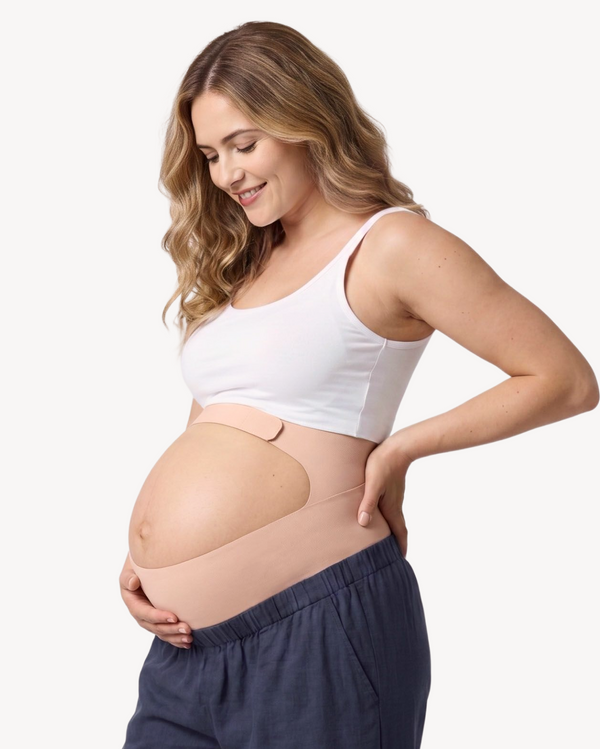
2. Belly band
A belly band is for the hours spent on foot, once the bump's weight sits on the lower back. It takes some of that weight for a walk or a shift, then comes off for a rest. A single band is an easy line on the list. Sets that pair one with a bra or a pillow run about $70–$120.
Momcozy belly bands come in two builds for that day. The two-piece is the stronger lift, for a heavier bump or hours on foot. The one-piece is the smoother layer under clothes, for a desk, a commute, or errands.

⏳ Optional to buy later
A wedge, once a U-shaped pillow is already on the list. It only lifts one spot, and it can wait until that U-shaped pillow feels like too much bed.
Postpartum Recovery
The first weeks need a few things for the person who just gave birth. They are easy for someone else to buy, and easy to forget until they are needed.
3. Pads or disposable underwear
Bleeding is heavy at first, then eases. A few packs of heavy pads, or disposable underwear, cover those early days. About $15–$30 is enough to start.
4. Peri bottle
A peri bottle is for the first bathroom trips, when wiping is too rough. Warm water from the squeeze bottle helps the urine start, and it is the rinse those trips use. About $10–$20.
5. Clothes that open for feeding
A normal shirt has to come all the way off for a feed. Clothes that open at the front stay on, which is what makes a 2 a.m. feed workable while everything is still tender. Two or three pieces are enough. About $30–$60.
⏳ Optional to buy later
A postpartum belly wrap, once walking around the house is comfortable. It is support for later days, not something the first nights depend on.
Pumping and Nursing
Feeding plans change. The list can hold tools for nursing, pumping, or both.
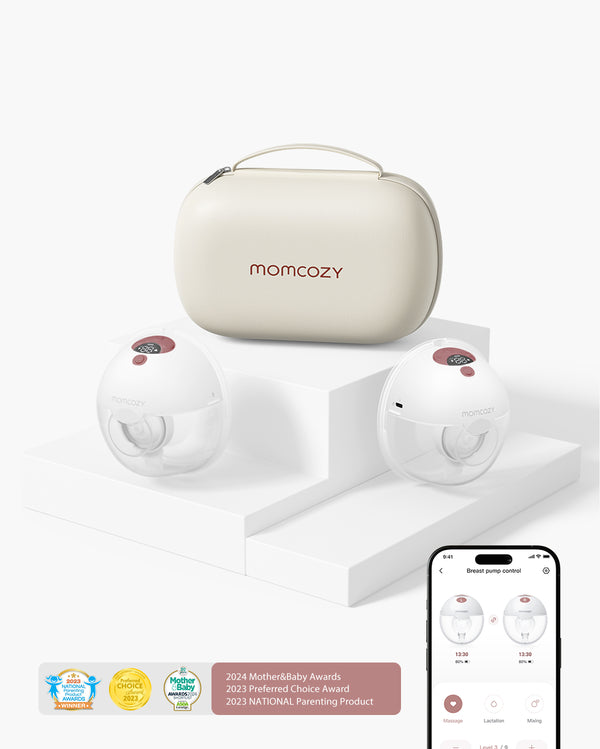
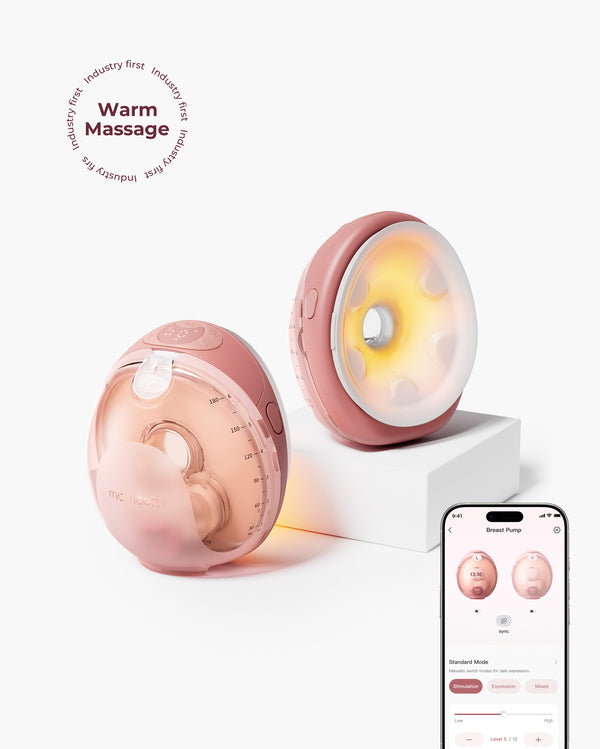
6. Breast pump
A pump is worth a place when a bottle, a return to work, or a shared feed might be part of the plan. It does not decide how every feed will go. Most pumps on a list fall around $80–$250.
Momcozy electric breast pumps include wearable styles that sit in a bra, for pumping at home or away from a wall outlet. The collection runs from compact in-bra pumps to stronger plug-in ones, so the list can match where the pumping will actually happen.
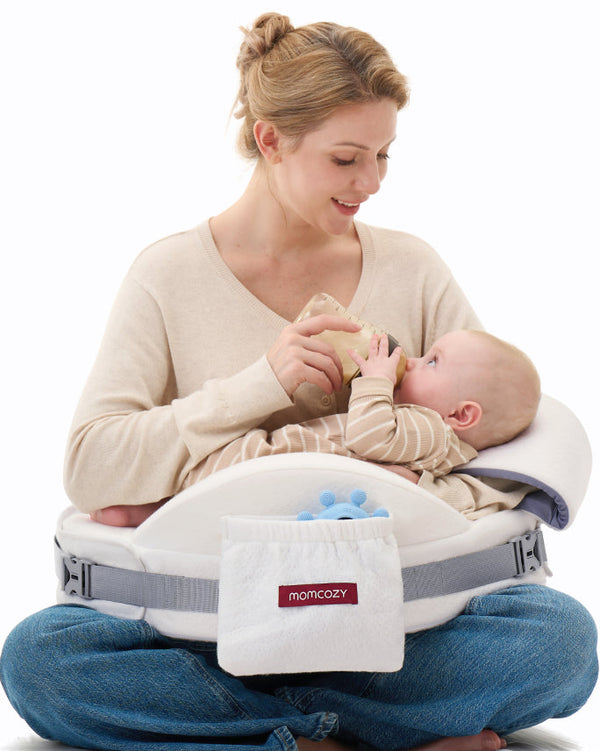
7. Nursing pillow
Feeds run long, and arms get tired holding the baby up. A nursing pillow takes the weight off the arms and gives the back somewhere to rest. About $30–$60.
A Momcozy nursing pillow is the firm crescent that brings the baby up to chest height, for a feed at the breast or from a bottle. The curve stays put on a lap, which is the point of having one pillow instead of a stack of bed pillows.
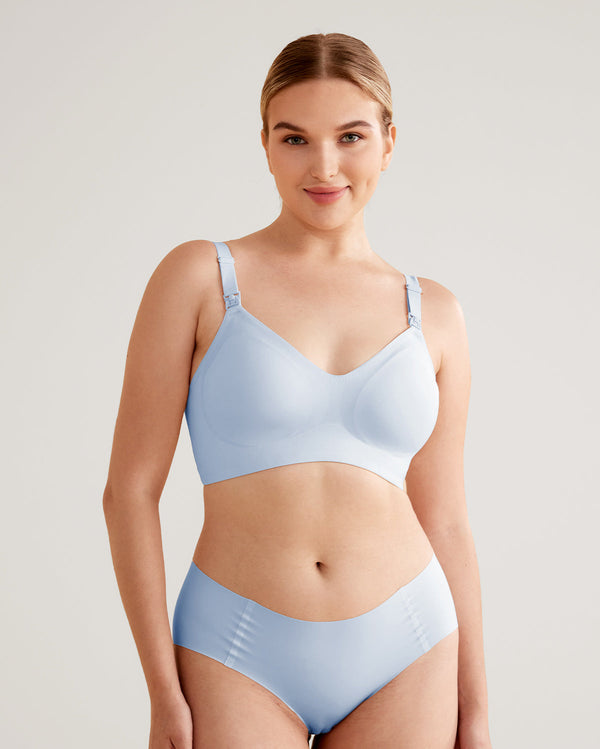
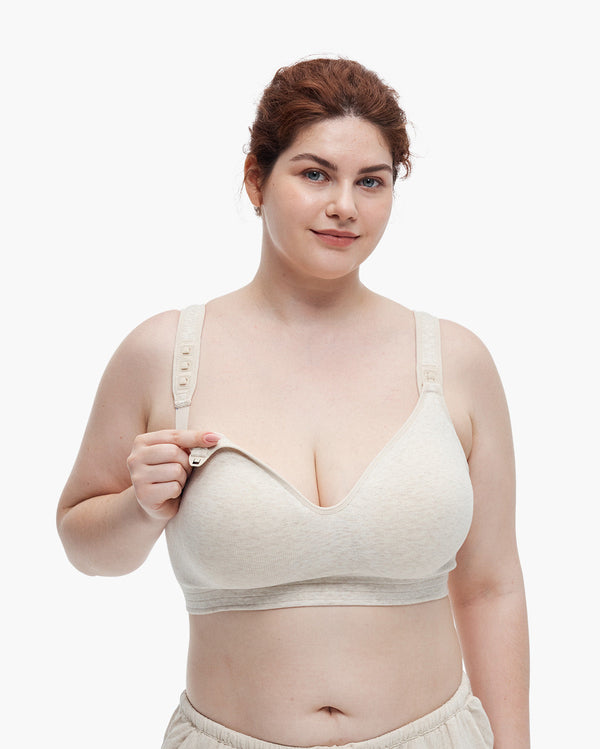
8. Nursing or pumping bra
Ordinary bras do not open for a feed, and they cannot hold a pump. A nursing bra does the first job. A pumping bra does the second, so the hands are not stuck holding the flanges. One or two, in a size that can be exchanged, is enough. About $25–$50 each.
Momcozy nursing bras are the soft, seamless kind for all-day wear, with a drop-down cup for a feed. A pumping bra is the separate piece: it holds the pump cups so the hands can do something else.
Member price
From$209.99$329.99

9. Milk storage bags
Milk that is pumped and not used at the next feed has to be labeled and frozen. A baby bottle is a poor freezer container, and an unlabeled one is easy to throw out by mistake. A box or two of storage bags is plenty. About $10–$20.
⏳ Optional to buy later
A cooler for milk on the go, and a sterilizer. Both can wait until the feeding rhythm is clear. Hand washing and the drying rack in the feeding scene cover the early days.
For Your Baby
Newborn registry items for the everyday weeks come next. Later pieces stay in the optional line of their scene, so those weeks are not crowded out.
Feeding
Washing, storing, and the mess of a feed are the daily work, at the breast, from a bottle, or both.
10. Bottles and slow-flow nipples
Even a nursing plan needs a few bottles: a missed feed, someone else's turn, or a trip out. Slow-flow nipples keep the milk from coming out faster than a newborn can manage. Four to six is enough to start. About $20–$40.
11. Bottle brush and drying rack
Milk dries inside a bottle and in the small pump parts if they only get a quick swish. A brush reaches the bottom and those pieces. A rack lets them dry in the air instead of sitting wet in a pile. About $10–$25.
12. Burp cloths
Spit-up lands on a shoulder many times a day. Without a cloth there, every feed means a shirt change. A stack of burp cloths stays on the shoulder and under the baby. About $15–$30.
⏳ Optional to buy later
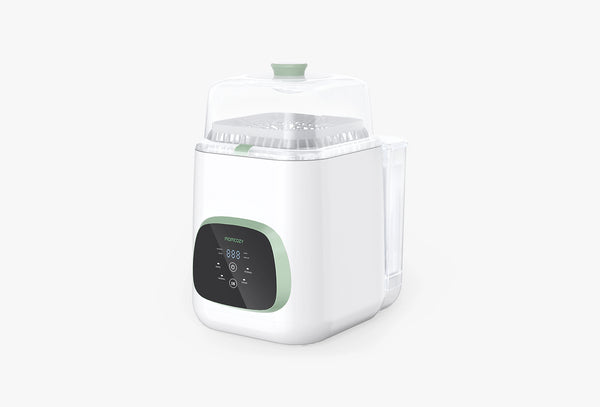
A bottle washer, once the nighttime stack is too much for the brush. A bottle warmer, once night bottles or daycare bags are a real routine. Plenty of homes warm a bottle in water and never buy one.

Member price
$219.99$299.99

Member price
$384.99$414.99Code Save 25%

Member price
$364.99$379.99Code Save 25%
Sleep and Monitoring
One sleep place is enough at the start. A crib and a bassinet are not both required.
13. Crib or bassinet
Pick one place for sleep before the due date. Every sleep belongs on a firm, flat surface, on the back, with nothing soft or loose around the baby. A bassinet is often about $80–$250. A full-size crib costs more, sometimes up to $800.
14. Firm mattress
The crib is not a sleep place until a mattress is in it. That mattress has to be firm, and it has to fit with no gap at the sides, because a gap is space a small body can slip into. About $80–$250.
15. Waterproof mattress protector
The mattress is the expensive piece, and leaks start in the first weeks. A protector keeps those leaks off it. Two means one can be in the wash. About $15–$40.
16. Fitted sheets
One fitted sheet is not enough. The wet one is in the wash when the next leak or spit-up happens, so two or three, sized for that mattress, belong on the list. About $20–$45.
17. Swaddles or a sleep sack
A swaddle or a sleep sack is for warmth without a loose blanket in the sleep space. Two is enough, since babies disagree about what feels snug. About $25–$50.
⏳ Optional to buy later
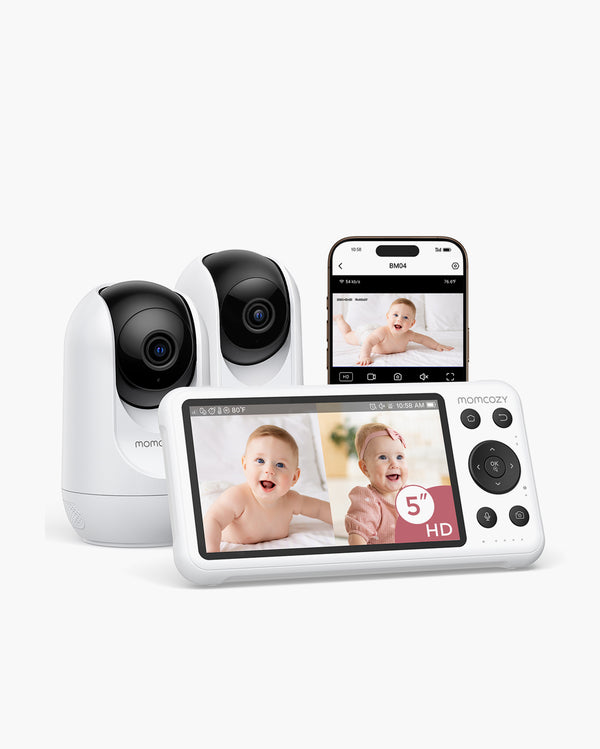
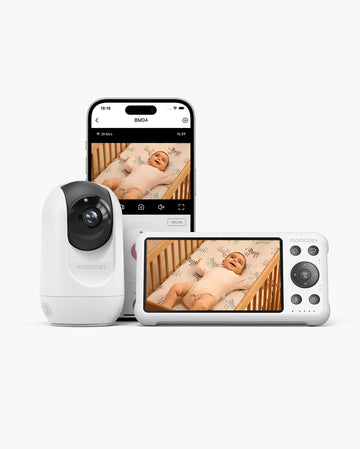
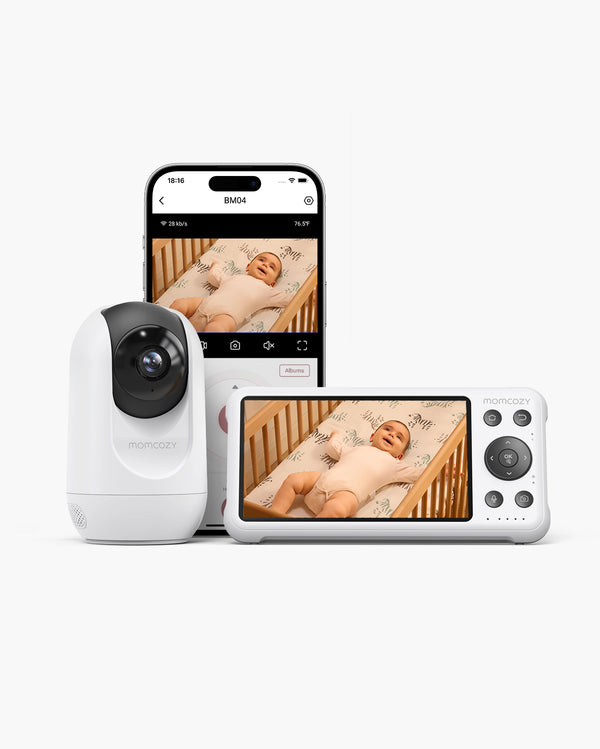
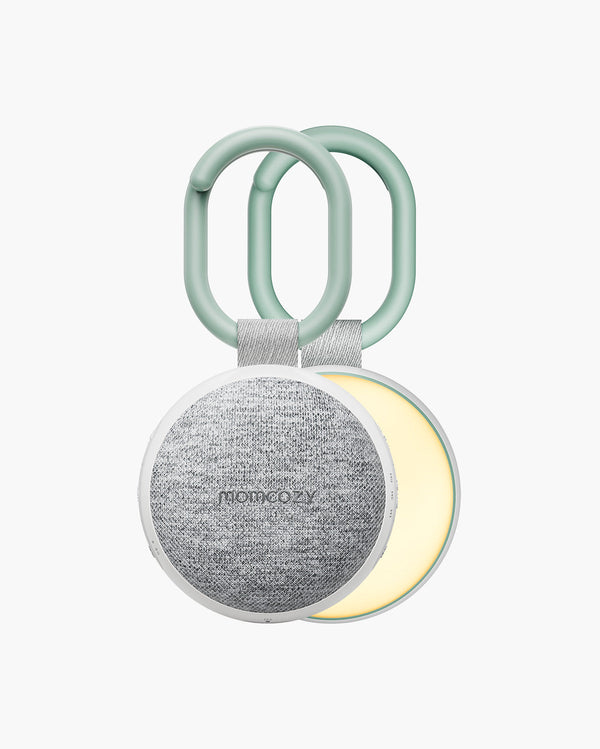
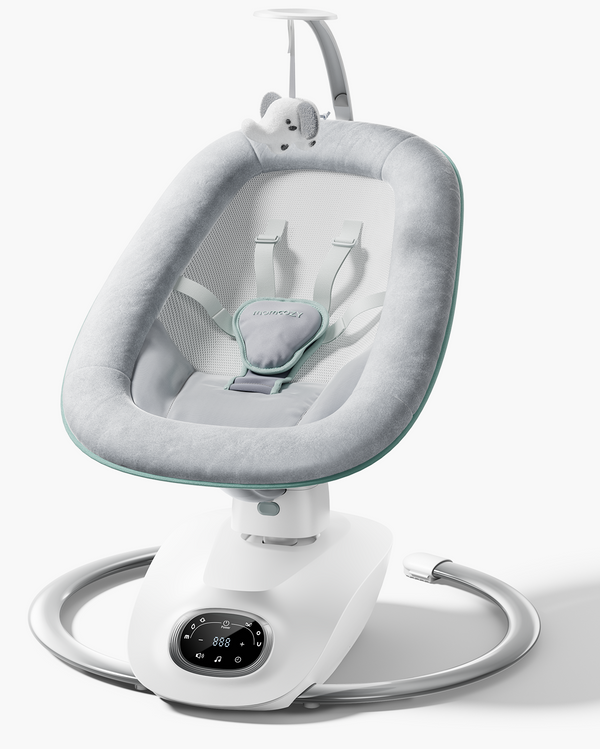
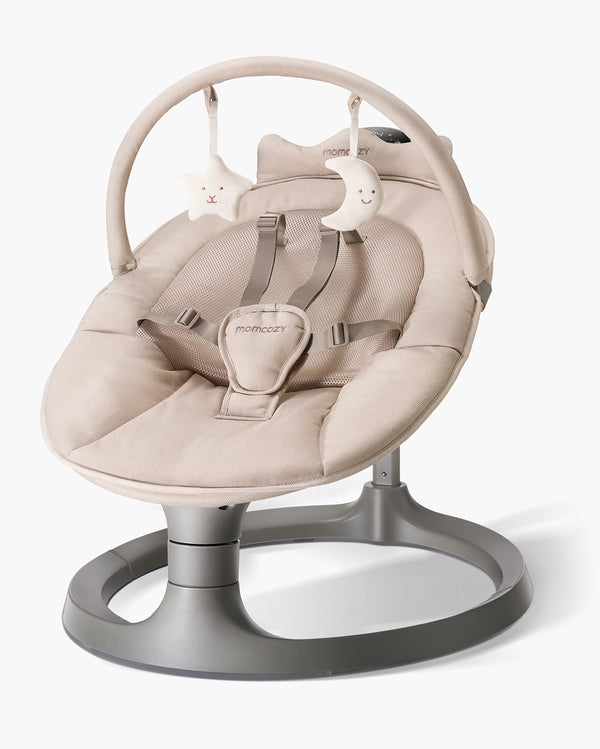
A baby monitor for checking the room without a walk down the hall. It does not replace the firm, clear sleep space. A sound machine for a steady background at naps. A baby swing for awake time, once it is clear the baby likes motion.

Member price
$69.99$79.99
Member price
$174.99$229.99Code Save 10%
Member price
$127.99$159.99Code Save P%
Daily Care
Diapers, bath, and a small set of clothes fill the ordinary days.
18. Diapers
A newborn goes through about 10 diapers a day, and the few from the hospital do not last the week. Newborn and the next size both belong on the list, because the first size is outgrown quickly. About $40–$80 to start.
19. Wipes
Every diaper change needs a clean-up, and a washcloth for each one means laundry all day. Wipes are that clean-up, and they run out faster than the diapers. About $15–$30.
20. Diaper cream
Skin left wet against a diaper gets red. Cream is the barrier that goes on at changes, and one tube belongs next to the pad from the first day. About $8–$15.
21. Changing pad
Diaper changes happen many times a night. A wipeable pad gives that wet job its own surface, so the bed or the couch is not doing the work of a changing table. About $20–$40.
22. Towels and washcloths
A just-bathed newborn is small, wet, and loses heat quickly. Adult towels are rough and too big. Two hooded towels keep the head covered while the body gets dry, and washcloths do the washing. About $20–$40.
23. Unscented wash
The first baths are for milk, spit-up, and the diaper area. Adult soap is often scented and harsh on new skin. An unscented wash is the one for those baths. About $8–$15.
24. A few onesies and sleepers
Spit-up and diaper leaks mean several clothing changes a day. A few bodysuits and footed sleepers, in newborn and the next size, cover those changes. About $30–$60. A whole wardrobe is a different problem, and it shows up later with the things that sit unused.
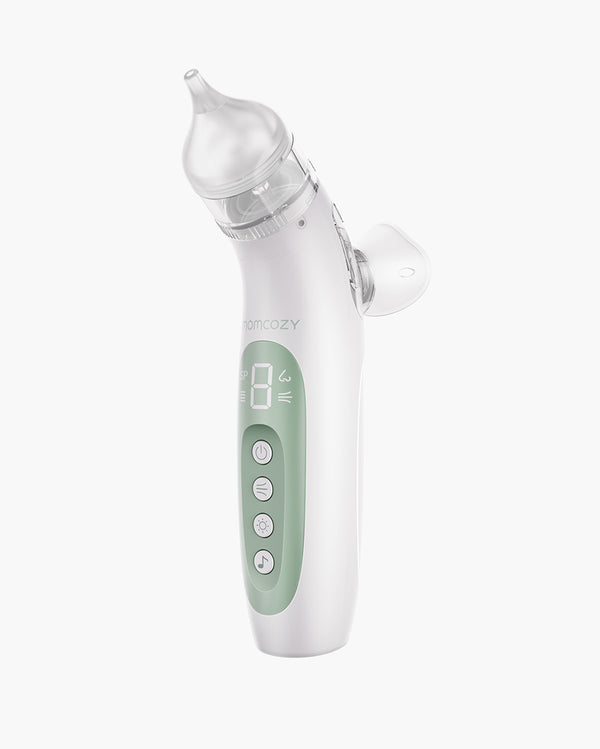
25. Nasal aspirator
A newborn cannot blow a nose. Mucus that blocks a feed has to be cleared with suction, so a nasal aspirator belongs with the washcloths. About $15–$40.
A Momcozy nasal aspirator is the electric kind for that cleanup. The tip comes off for washing, and the suction is there for mucus that is in the way of a feed.
⏳ Optional to buy later
A diaper pail, if a lidded trash can is not enough. A baby tub, if the sink is awkward. Both can wait until the routine is obvious.
Member price
$38.24$49.99


Member price
$304.18$389.98
Going Out
Leaving the house needs a safe seat in the car and a way to carry the baby.
26. Infant car seat
The ride home needs an infant car seat. A new seat is the right call when the seat's past is unknown. About $150–$350.
27. Baby carrier
There are long stretches when the baby wants to be held, and a meal, a shower, or the stairs still has to happen. A carrier is how those two things overlap. About $40–$160.
A Momcozy baby carrier is the structured carrier for those hours, worn on the front while the baby is small. The waistband takes some of the weight, which matters once the walks get longer than a trip down the hall.
28. Diaper bag
The first trip out needs wipes, a spare outfit, and a feed in one place. A diaper bag is that place, so those pieces are not left on the counter at home. About $40–$100.
⏳ Optional to buy later
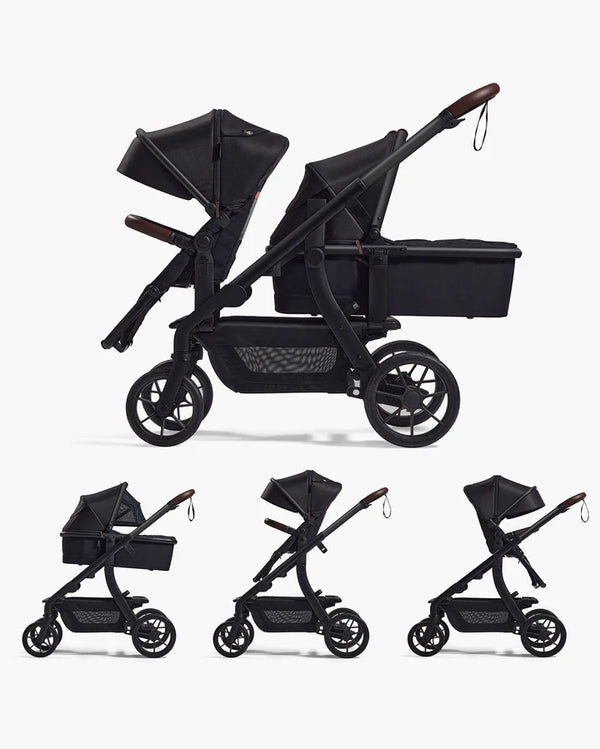
A stroller, once walks are a regular part of the week. A carrier covers the early outings.
Learning at Home
Nothing in this scene gets a must-have number. Sitting, grabbing, and solids come later.
⏳ Optional to buy later
A high chair when meals start. A play mat for floor time. A few board books.


Member price
From$265.98$369.98Code Save 20%
Must-Haves That Are Easy to Miss
The count continues. These must-have baby registry items are small, easy to skip, and annoying to be without.
29. Nursing pads and nipple cream
Milk can leak through a shirt several times a day in the early weeks. Nipples are tender while feeding is still new, and cream is what goes on between feeds. A basic pair of both is often about $10–$20. Washable pads and a cream that can stay on for a feed cost a little more.
Momcozy reusable nursing pads are the thin, washable ones for everyday leaks, about $17 for 14, with a small bag for the used pads. Momcozy nipple cream is lanolin-free, about $15, and it can stay on when the next feed starts.
30. Nail clippers
Newborns scratch their own faces, because those hands are not under control yet. A baby file or a small clipper is how the nails get shortened. A simple set is about $8–$15. An electric file costs a bit more and is easier when the baby will not hold still.
A Momcozy electric nail file is the quiet file for that job, about $20–$25, with a light so the nail is easier to see. The filing head eases off when it meets skin, which is the point of a file instead of scissors on a squirmy hand.
31. Thermometer
The moment a baby feels warm is usually at night, which is a poor time to be out buying a thermometer. One belongs on the list before that night. A basic digital one is often about $15–$30. A wearable patch, the kind that can stay on during a nap, runs closer to $40–$50.
A Momcozy smart baby thermometer is that wearable patch, worn under the arm so a reading can happen while the baby stays asleep. The number shows in the Momcozy app while the phone is open and close by.
32. Pacifiers
A few pacifiers are worth having. Offered at naps and bedtime, a pacifier helps lower the risk of SIDS. If feeding is at the breast, wait until that is going smoothly before offering one. About $8–$15.
33. A large water bottle
A feed brings on real thirst, and getting up for a glass means putting the baby down. One large bottle that lives next to the chair stays full through that feed. About $15–$30. This is number 33, and the must-have count stops here.
Often Bought, Then Left Unused
These are not part of the 33, and they were not listed above. They are the usual things that get bought and then sit.
- A large newborn wardrobe, past the few onesies and sleepers in number 24. That size is outgrown quickly, and people often buy outfits anyway.
- Newborn shoes. There is nowhere to walk yet.
- A wipe warmer. Wipes do not need to be warm.
- Crib bumpers and decor that only dress the crib. The sleep space stays clear.
- A second copy of a big item already on the list, or already at home.
A shorter pass is the minimalist baby registry, for cutting a list down. This page is the numbered baby registry checklist of what to put on.
FAQs
A few decisions come up once the numbers are on the list.
When should I start my baby registry?
The second trimester is a practical time to open the list, so a link exists before people start asking. Items can still be added and taken off after that.
What are the most important baby registry items?
Start with the early numbers: pregnancy sleep and belly support, postpartum care, and a feeding setup. Then one sleep place, diapers, and a car seat. The optional lines can wait.
Should a breast pump go on the registry?
A pump can go on the list when feeding might include a bottle, shared feeds, or a return to work. It sits with the nursing supplies as one option, not as a rule for every feeding plan.
Do I need a baby monitor?
A monitor is optional. It makes checking the room easier during naps and at night. It does not replace a firm, clear sleep space, and some homes skip it when the crib is in the same room.
Is a bottle warmer necessary?
A warmer is on the optional line for night bottles and daycare prep. A lot of homes warm a bottle in a cup of water instead.
What can I skip?
Skip the unused group: a huge newborn wardrobe, newborn shoes, a wipe warmer, crib decor, and a second big item. People tend to buy clothes anyway. Diapers and wipes are harder to have too many of in the early weeks.
How many items should be on a baby registry?
The must-have count in this list is 33. Optional pieces are extra, and there is no prize for matching the number exactly. The list can stop when it gets hard to scan.
Do postpartum items belong on a baby registry?
Pads, a peri bottle, and clothes that open for feeding are numbers 3, 4, and 5. They are for the person who just gave birth, and they are ordinary registry items.
Conclusion
These are the baby registry must-haves for 2026: the 33 numbered items the home will use, from pregnancy through the ordinary newborn days. Optional pieces can wait at the end of each scene. Anything already owned can come off before the link is shared.
When the big pieces are already home, a baby registry for a second baby stays shorter and leans toward what this baby, and recovery, still need.