Your baby’s first feeding doesn’t wait until you’re all settled in your hospital room. It’s a lot to process when you’re still learning everything that comes with a newborn. So packing your hospital bag breastfeeding essentials is now as crucial as packing for labor itself.
In this guide, we'll run through what to pack for breastfeeding at the hospital, which things are actually worth the space in your hospital bag, and a few commonly missed essentials that a number of moms have admitted they'd love to have packed sooner.
Why Your Hospital Bag Needs a Breastfeeding Section
The majority of hospital bag essentials for nursing moms focus on what you need for labor and recovering afterward. Breastfeeding typically gets relegated to a brief checklist—or excluded completely—despite the fact that your baby could be feeding within an hour of birth.
Those first couple of days are when most new moms find out just how much breastfeeding is going to be a part of their daily lives. Feeding around the clock every two to three hours, your milk coming in from colostrum, breast fullness, and leaking can all happen before you even make it home from the hospital.
So that's why it's worth packing with breastfeeding in mind and not something to throw in at the last minute. A concise selection of carefully considered essentials can make those first feeds a little more comfortable, so you can spend less time stressing about what you’ve forgotten in your bag and more time bonding with your baby.
Nursing Bras & Bralettes: The 1 Packing Priority
If there’s one thing you don’t want to forget on your breastfeeding hospital bag checklist, it’s a nursing bra. You’re going to be breastfeeding every one to three hours from the day your baby is born, so you want something that is comfortable, supportive. and easy to undo with one hand.
Why 2–3 Nursing Bras Matter
One nursing bra is rarely enough. With milk leaks, spit-up and feeds so often, it's normal to need to change your bra during your stay in hospital. Bringing two to three nursing bras, for example, ensures at least one clean, dry bra for feeding while the others air out or are in use.
What to Look for in a Hospital Nursing Bra
The best nursing bra for hospital bag is going to be one that makes breastfeeding just a tiny bit easier without adding discomfort as your body shifts and changes.
Look for features such as:
-
Wireless support to prevent pressure on swollen or sensitive breasts.
-
Stretchy material to fit temporary engorgement that can increase your cup size by one or two sizes.
-
One-handed nursing clips or pull-aside cups that make feeding easier.
-
Soft, breathable material that is comfortable to wear day and night.
Although you should buy a nursing bra before delivery, be sure to wear it on the loosest hooks for the time being, as there should be some room for fullness as your milk flows in.
The Momcozy Nursing Sports Bra is a convenient choice for the early days of postpartum. Its wireless and stretchy fabric is soft and breathable, and one-handed nursing clips make it comfortable and easy to use, which is loved by moms during many feedings.
A Bralette for Skin-to-Skin
In the hours after delivery, you’ll likely find yourself skin-to-skin with your newborn a lot. A soft pull-aside bralette makes those first feeds a breeze—just slide the fabric aside instead of unclipping a bra each time. It’s light, comfy, and provides enough coverage without blocking those early bonding moments.
Nursing Pads & Leak Protection for the First 48 Hours
Milk leaks happen earlier than a lot of new moms expect. A few women see a small amount of colostrum in the days before delivery, while others leak once their milk comes in. Either way, nursing pads are one of those small items that you will be thankful you packed.
Disposable vs. Reusable: Which Is Better?
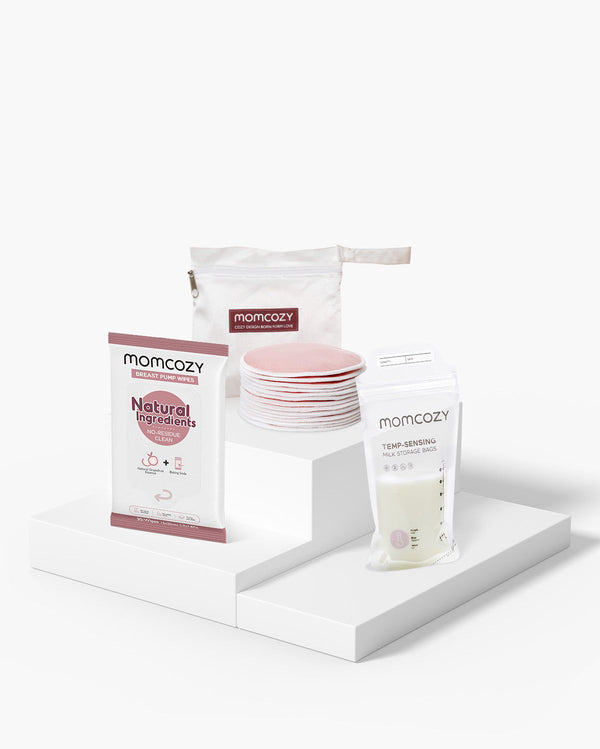
Both are good options, but in the hospital, disposable nursing pads are generally the more practical option. When they get moist, you just toss them instead of worrying about washing or drying reusable pads during your stay.
Reusable nursing pads, particularly bamboo or cotton ones, are much softer on sore skin and make a fantastic option once you’ve got your little one at home. Lots of moms rave about these and say they use them for everyday use because they’re washable and more sustainable.
Don’t pick one or the other; bring both if you can:
-
10-12 disposable nursing pads for your stay at the hospital
-
A pair of reusable nursing pads for the trip home or once you’re settled
The Momcozy Ultra-Thin Reusable Breast Pads are designed with soft and absorbent layers that help hold moisture away from your skin and keep you comfortably dry under your clothes. It's also as good as it gets once you're in the swing of things with breastfeeding.
Silver Nursing Cups: An Optional Comfort Upgrade
If your nipples are particularly sore in the first few days, silver nursing cups can offer additional protection between feeds. They form a shield to minimize the rubbing in your bra, whereas the natural anti-bacterial properties of silver may help with skin comfort and healing.
It’s not essential for every mom, especially if nursing is going well. But if you expect to be more sensitive or if you just like the idea of having that extra layer of protection, they're a nice bonus that doesn't take up a lot of space in your hospital bag.
Nipple Cream & First-Day Care
Mild nipple soreness is normal for the first several days of breastfeeding, but pain that is ongoing, cracked nipples or bleeding is not. In reality, often the cause of the problem is poor latch and not dry skin, which is why lactation consultants so often say that a good latch can be the best defense against sore nipples.
That being said, nipple cream can still be a helpful relief as you and your baby figure out how to breastfeed. If you want to understand how to use nipple cream and care for sore nipples, refer to our guide to nipple cream for breastfeeding.
Lanolin or Lanolin-Free?
Nipple creams may be broadly classified under:
-
Lanolin-based creams create a protective barrier which provides comfort to dry, cracked, or chafed nipples and have been beloved by nursing mothers for decades.
-
Lanolin-free balms are made with natural ingredients, and a few mothers who avoid lanolin said they prefer to have the option of products without that ingredient. Some products can also be used during feeding, so you don't need to wash them off when you breastfeed.
The Momcozy 100% Natural Nipple Cream is a lanolin-free option that moisturizes and soothes sore nipples while offering a safe experience for both mother and baby during breastfeeding.
Try This Simple Hospital Hack
A simple sore nipples remedy doesn’t require anything extra. Once you finish nursing, express a few drops of your milk by hand and pat it on the sore spot, then let it air dry. Breastmilk is naturally antibacterial and moisturizing, and it's being used as a quick and free fix that many lactation consultants still recommend using.
If nipple pain continues or breastfeeding still hurts, ask your nurse or lactation consultant to check your baby’s latch. A small adjustment may mean the difference between comfort and pain while nursing.
Nursing Pillow: Support That Makes a Difference
A good latch starts with good positioning, and that is usually more difficult than first-time mothers anticipate. Cradling your baby at the right height while feeding them frequently can very quickly leave your arms, shoulders, and back sore.
Why a Nursing Pillow Beats Hospital Pillows
Most hospitals have pillows on hand, but those are meant for sleeping, not nursing. They're usually soft and flat and can slide out from under you, so you may find yourself constantly stacking or adjusting them.
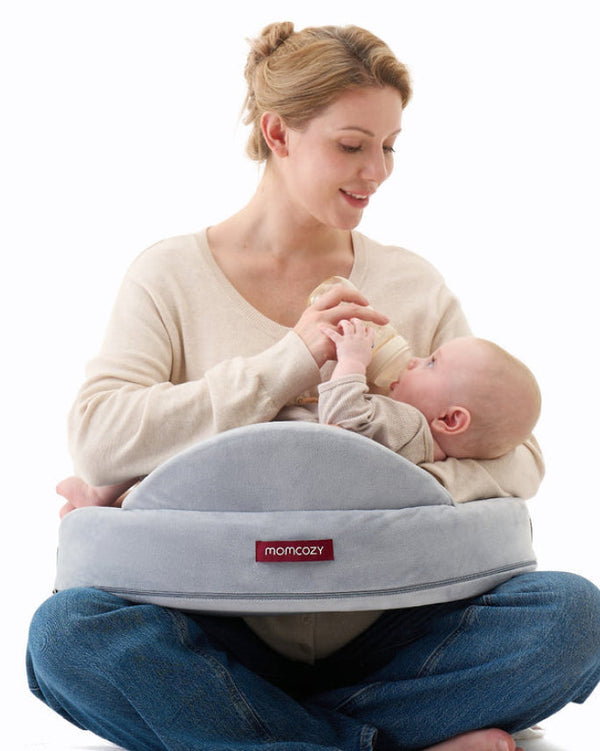
A nursing pillow offers added stability by bringing your baby closer to the level of your breast. That enables you to maintain a comfortable latch with less arm, shoulder, and neck discomfort, especially during those marathon feedings of a newborn.
Memory Foam, Adjustable, or C-Shaped?
The right nursing pillow is a matter of comfort for you and your feeding style.
-
Memory foam offers a firm, consistent support that maintains its shape while feeding.
-
Adjustable nursing pillows allow the height to be adjusted, making them useful as your baby grows or if more than one caregiver is feeding.
-
C-shaped nursing pillows comfortably wrap your waist and are a great pick for everyday breastfeeding, as they are lightweight and simple to use.
The Momcozy MaxSupport Nursing Pillow (NP007) is a mix of ergonomics and stability that repositions your baby more comfortably and relieves strain in your arms and shoulders.
From $54.99 USD $59.99 USD
Is It Worth Packing?
For new moms or those anticipating a longer hospital stay, a nursing pillow can make trying out various breastfeeding positions a bit more comfortable. If you have breastfed before or are having a short hospital stay, such as discharging within 24 hours, you may wish to forego this and use hospital pillows instead. Not that it's an absolute must-have, but many moms report it being one of the most helpful comfort items long after they get home.
If you want more help deciding whether this support fits your feeding routine, refer to our guide on whether you need a breastfeeding pillow.
Skin-to-Skin & Nursing-Friendly Clothing
Your baby's first breastfeeding sessions usually start with skin-to-skin contact soon after birth. Nursing-friendly clothing is a good choice for those early days, so you’ll be able to breastfeed without having to change clothes too often or without feeling too exposed.
Front-Opening Robes and Button-Down Tops
A button-front robe, pajama top, or nursing gown is one of the simplest outfits to wear in the hospital. Just unbutton the front for skin-to-skin contact or breastfeeding—no need to take it all the way off, so you can stay cozy while you keep covered up for feeds and postpartum exams.
Why Over-the-Head Tops Are a Postpartum Trap
Ordinary T-shirts and hoodies may feel comfortable, but they're not always practical once you have your hands full. Pulling a shirt over your head when you’re holding a new baby or healing from a C-section can make nursing that much more complicated. Front-opening clothes also provide faster, easier access in case your baby is hungry.
Dress in Comfortable Layers
Hospital rooms flip between chill and warm in a matter of minutes, so bring lightweight layers that you can easily put on and take off. A soft cardigan, pair of cozy socks, or slippers are some of the things that can make a difference in your comfort during your stay.
When deciding what to pack, leave behind anything with underwire, tight bands, or powerful-smelling detergents or perfumes. Soft, breathable fabrics are better for your healing body, and staying away from strong smells is also easier on your newborn’s delicate sense of smell.
Colostrum Collectors: Capture Every Drop of Liquid Gold
Most breastfeeding hospital bag checklists contain nursing bras and nipple cream, but one essential that is often forgotten on the lists is a colostrum collector.
In the first days after having a baby, your body produces colostrum – a high-calorie milk often referred to as "liquid gold." At every feed, your baby requires only a small quantity, but every drop is packed with vital antibodies and nutrients that help early immunity.
Why Lactation Consultants Recommend Them
If your baby is sleeping after birth or is not yet able to latch, your nurse or lactation consultant may recommend you hand express colostrum. A silicone colostrum collector lets you catch and save these drops of gold instead of losing them on your skin or nursing pad.
Many silicone collectors are designed with features that make them especially practical for hospital use:
- Soft and gentle on tender nipples
- Collects even small drops of colostrum
- Double-cap design for feeding or secure storage
- Reusable, freezer-safe, and compact enough to fit easily in your hospital bag
The Momcozy Colostrum Reusable Breast Milk Collector is one such option tailored for these first days, allowing you to collect, store, and feed expressed colostrum all in one container, without needing to transfer it in between.
From $18.99 USD $19.99 USD
Silicone Collectors vs. Hospital Syringes
Sterile syringes for colostrum collection can usually be provided by the hospital, if necessary. They’re effective, but they can be uncomfortable to wear when you’re first learning how to do hand expressions. Silicone collectors are generally easier to hold, are more simple to position and are designed to catch small volumes of colostrum, making them a more mom-friendly choice.
Whichever method you choose, the most valuable takeaway is learning how to hand express. It's a basic nursing-savvy know-how that can be useful during your stay in hospital and later on. If you want step-by-step guidance on hand expression and storage, refer to our guide on how to collect colostrum.
What NOT to Pack: Bottles, Pacifiers, and Pump Traps
When packing your hospital bag, that doesn’t mean you have to bring every breastfeeding product you have. In fact, a couple of items commonly packed are best not brought to the hospital.
Skip Bottles and Pacifiers—For Now
Most lactation consultants recommend waiting to introduce bottles or pacifiers for the first few days unless there's a medical need for them. Some babies have a harder time learning to breastfeed after early use of artificial nipples, and some find that artificial nipples interfere with establishing breastfeeding.
If your baby requires supplementation, your healthcare provider may suggest other options such as finger feeding or a supplemental nursing system (SNS) prior to presenting a bottle.
Leave Your Pump at Home—For Now
You don’t need to take a breast pump with you unless your healthcare provider tells you to. In the early days, colostrum is produced in very small amounts naturally, so pumping may cause unnecessary worry when you see just a few drops. If there is a medical need for pumping, hospitals usually supply hospital-grade pumps.
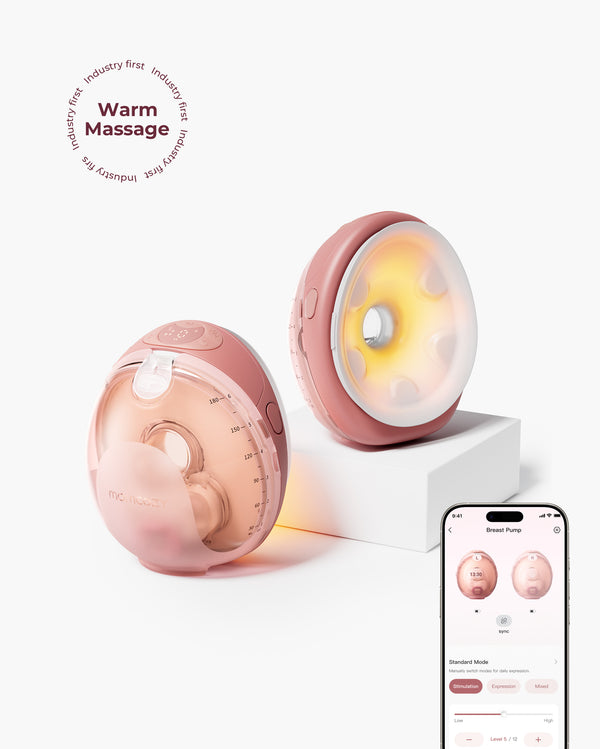
Have your pump on hand at home for delivery instead. Once your milk comes in and pumping becomes a routine, you will be glad it’s all set up. The Momcozy V3 Double Electric Breast Pump is a great option for main pumping sessions. Also for your convenience, pair it with the Momcozy W1 Warm Massage Wearable Breast Pump to pump hands-free on the go while you take care of your baby or take a rest. Its warm massage feature can also stimulate letdown, giving you the efficiency of a main pump with the convenience of a wearable.
Warm-Massage
Milk Boost Mode
Reliable Battery
Transparent Top
Other Items You Can Usually Skip
Your hospital already provides many essentials, so there's usually no need to pack duplicates, including:
- Nipple shields (if needed)
- Extra towels or washcloths
- Bulky toiletry bags filled with "just in case" items
- Formula samples, if supplementation becomes necessary
Packing lighter leaves more room for the items you'll actually use during those first days with your baby.
Hydration, Snacks & Comfort Items for Long Feeds
Breastfeeding isn’t just about nursing products. A couple of easy comfort items can help make long feeding times more bearable, especially while you’re in the hospital.
A Large Water Bottle with a Straw
Breastfeeding can make you thirsty. A big water bottle with a straw that allows you to drink during feeds without having to stop is one of the best recommended comfort items from lactation consultants and veteran moms.
Pack One-Handed Snacks
Hospital meals don't always coincide with your baby's nap schedule, so have a few simple, protein-packed snacks on hand, like:
- Mixed nuts
- Granola or protein bars
- Dried fruit
Skip anything messy, or that requires two hands—you'll appreciate the convenience during frequent feeds.
Don't Forget the Little Comforts
Hospital air can be dry, so pack an unscented lip balm to keep your lips from drying out. A phone charger with a long cord is another must-have, making it easier to charge your phone and keep it within reach while feeding from bed.
FAQ
What breastfeeding items do I need in my hospital bag?
Pack the essentials first: two to three nursing bras, nursing pads, nipple cream, nursing-friendly clothing, and a large water bottle. If you have room, a nursing pillow, reusable breast pads, or a colostrum collector can make breastfeeding more comfortable during your hospital stay.
Do I need to bring a breast pump to the hospital?
Usually, no. Hospitals can provide a breast pump if it's medically needed, and most lactation consultants recommend focusing on direct breastfeeding and hand expression during the first few days.
How many nursing bras should I pack?
Pack two to three nursing bras so you'll always have a clean, dry one available. Milk leaks, spit-up, and frequent feeds can make changing bras more common than many moms expect.
Should I bring bottles and formula just in case?
Not unless your healthcare provider recommends it. If supplementation is needed, your hospital can provide feeding supplies and guide you on the best feeding method while breastfeeding is being established.
Can I use colostrum collectors in the hospital?
Yes. They're compact, easy to pack, and useful for collecting small amounts of expressed colostrum, especially if you're practicing hand expression or your baby needs extra support with early feeds.
Conclusion
A well-planned collection of hospital bag breastfeeding essentials can make those early hours feel a little less overwhelming. You don't need to pack everything you own. The goal is to bring the items that support you when breastfeeding begins, while leaving behind the things your hospital can provide or that you'll use later at home.
As you build your own breastfeeding hospital bag checklist, remember that every mom's experience is different. Start with the essentials, add the items that fit your needs, and you'll be better prepared for whatever those first days of breastfeeding bring.