


The maternity leave allows mothers to have a long period of absence from their work without losing their jobs. You can come back once the number of allowed days has run out. But returning to work after maternity leave is not simple. You need to make the transition smooth in order for it to feel natural. Otherwise, it may affect not just your work performance, but also how you act as a parent. Don't worry. We are here to help you get through this. Here, we will give you a guide, some tips, and a few product recommendations.
What Are the Laws About Returning to Work After Maternity Leave?

The laws differ from country to country, but most of them are very similar. Here, we will give you an overview of laws about returning to work after maternity leave in a few countries:
United States
In the US, the Family and Medical Leave Act (FMLA) allows eligible employees to take up to 12 weeks of unpaid leave for family and medical reasons. You can use it as your maternity leave. But be sure to check your agreement with your employer, as they may offer paid maternity leave. No law requires you to come back to work after your leave. However, you may need to repay insurance premiums paid by your employer or some or all of your maternity pay.
United Kingdom
In the UK, you can take an "ordinary maternity leave" and take an "additional maternity leave." You can return to your previous position after your maternity leave. However, if it is not possible due to organizational changes, they can offer you a different job instead.
China
China gives women 98 days plus regional extensions for their maternity leave. During this period, employers cannot terminate your contract. You can return to your same position, seniority, and salary levels. Employers must also provide one hour of daily paid breastfeeding leave until your child is one year old.
How To Transition Back to Work After Maternity Leave?
Do you plan to go back to work after your maternity leave is over? Many people choose this for financial security. If this is the route you choose to take, here's a step-by-step guide for you.
Step 1. Ask: Who Will Take Care of My Baby?
Before you start, you should figure out childcare. It is one of the most intimidating parts of this process. However, you can't avoid it. You need to figure out who will take care of your child. The sooner you figure this out, the more you will feel at peace. If you have a stay-at-home husband, they can take care of your baby. If that is not your setup, ask any family member or friend that you trust. Suppose that is still not possible. You should look for daycare centers. Make sure that the daycare center's values align with yours. Also, ensure they have security measures in place.
Step 2. Communicate with the HR/Manager
Many can't work full days immediately after returning to work. It can feel a bit abrupt, which can lead to overwhelm. That said, you should contact your HR/manager to negotiate. Ask if a gradual return is possible. You can ask to start in the middle of the week or have reduced working hours in the first few weeks. While you are at it, inform them about pumping. You need to do this to prevent engorgement. Figuring your schedule out early helps a lot.
Step 3. Create Plans on How to Pump at Work
Pumping often helps prevent engorgement and discomfort. The good news is that many businesses offer spaces for pumping. They also have policies that allow you to pump without distractions. Still, situations where you need to pump without leaving what you're doing are not uncommon. Prepare yourself for these. What should you do? First, identify where you can pump so it will be hassle-free when the time comes. Also, get yourself a quality breast pump. The best choices are those discreet ones that also allow you to pump hands-free. To keep your supply steady, you should establish a consistent pump schedule before your first day back.
Step 4. Practice Leaving Your Baby
Again, leaving your baby is the most challenging part. It is what holds many mothers back. That said, you need to get used to it. Contact the person you chose to take care of your baby while you are gone. Ask them to stay with your baby for a few hours while you go out. At first, you can go somewhere nearby and stay out for one hour. Increase the distance and the duration as time goes by. This helps you get used to being away from your baby.
Step 5. Return to Work
Go back to work on your scheduled return. Trust the caregiver you chose to keep your baby fed, healthy, and safe. You can contact them during your breaks to get some updates. Despite your preparations, the first day may still feel very challenging. But don't worry. It usually becomes easier as days go by.
Tools and Tips to Make Returning to Work after Maternity Leave Easier
Some tools will help you make the transition from stay-at-home mom to working mom easier. The list includes breast pumps, nursing bras, baby monitors, and more. Here, we will tell you what these tools are and why you need them.
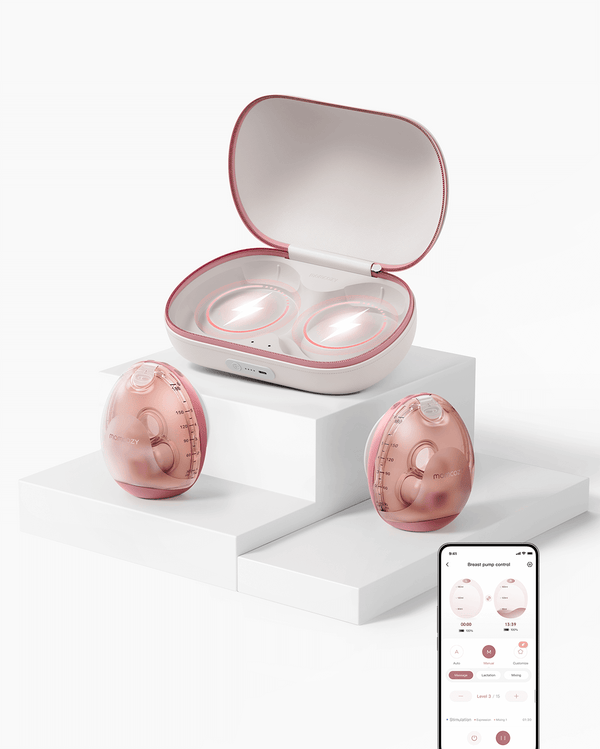
Momcozy Air 1 Ultra Slim Breast Pump

You need to pump to prevent engorgement. However, you don't have as much freedom as before since you are not at your workplace. There are other people there; your time is limited, and often, you need to do it quietly. That is why you need a good discrete breast pump, like the Momcozy Air 1 Ultra Slim Breast Pump. It is lightweight and easily fits inside a nursing bra. You can also use it hands-free.
$369.99 USD



Momcozy Breastfeeding Seamless Wirefree Nursing Bras
You need to pair breast pumps with nursing bras since you can't remove your whole top or bra while you're in the workplace. The Momcozy Wirefree Nursing Bras are an excellent choice because they are also designed for pumping. The wireless design ensures a smooth, invisible fit under clothes. It is also made of high-quality materials, so it is comfortable to wear.



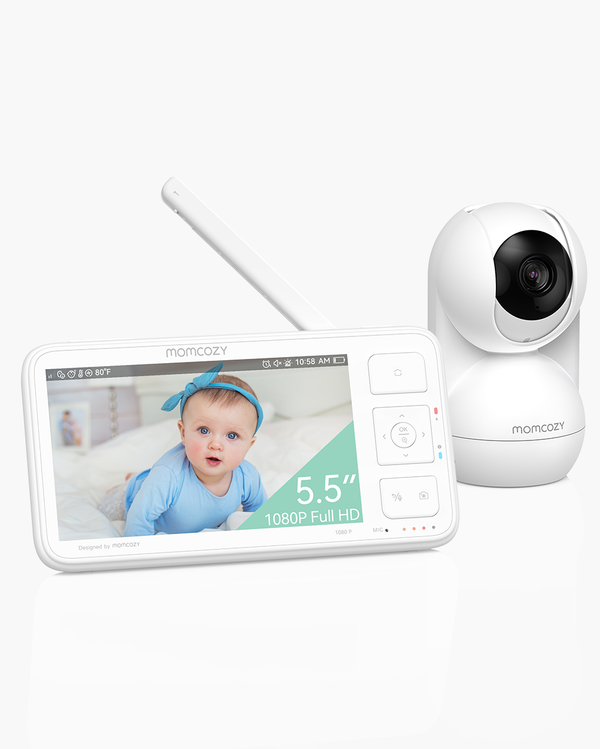
Momcozy Full HD Video Baby Monitor

The Momcozy Full HD Video Baby Monitor will allow caretakers to monitor your baby even when they are in different rooms. It offers high-definition video and a wide-angle view. These allow caretakers to see more clearly. Also, it does not use a Wi-Fi connection, so you can rest assured that outsiders will not be able to hack into it.

Momcozy 2-in-1 Warming Vibration Lactation Massager
Breastfeeding and pumping are uncomfortable. You need something to relieve the pain. That is why you should get the Momcozy 2-in-1 lactation massager. It vibrates and also provides heating. This helps relieve clogged ducts and mastitis. Also, it can encourage better letdowns.
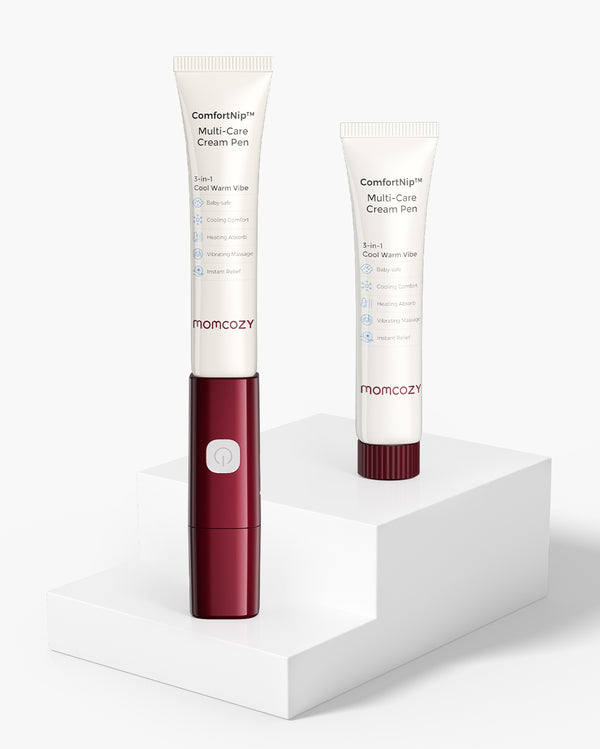
Momcozy ComfortNip Multi Care Nipple Care Pen
This is another lactation massager, but combined with nipple cream and smart temperature control. It offers vibration and heating, allowing for effective and easy pumping. Furthermore, it can solve post-feed "burning." The ergonomic 316 stainless steel applicator also glides smoothly over broken skin, allowing for a zero-touch application. This makes it painless. This product is lightweight and can easily fit in your bag.
$29.99 USD

During this time, checking out the Momcozy Women's Day Sales is a great way to find essential gear. You can even consider an International Women's Day gift to reward yourself for this new milestone.
What Happens If You Don't Return Back to Work After Maternity Leave?
You can choose not to return to work if you don't want to. Some moms choose to do this so they can stay at home with their baby. However, you should check your company's policy to see if there are rules you should follow. You need to formally resign. Do not skip this step. It will free you from anything that binds you to the company. Please note that you may need to pay back the company's portion of health insurance or other benefits they covered during your maternity leave. If you are supposed to return for an agreed-upon period, you may also pay back the difference. You are entitled to payment for accrued, unused annual leave. The company has to include it in the final paycheck.
Conclusion
Returning to work after maternity leave is not easy. You need to overcome anxiety and get used to being separated from your baby for a long period. But with preparation and the right mindset, you can get there. You will face a couple of other challenges besides that, though. For one, you will need to pump at work. You may also feel overwhelmed by the tasks. So, you need tools that can make these easier, like nursing bras and discreet breast pumps. With these, you can make the transition smoother.








