


Bringing home a new baby is a life-changing experience for every mother. While you focus on your little one, your body needs focused care to heal properly. A gentle postpartum workout plan helps you safely rebuild core strength and pelvic floor stability. Let us explore how you can restore your physical energy and feel like yourself again through mindful and safe movement.
What Are the Benefits of Postpartum Exercise
Benefit 1: Supports Safe Physical Recovery
Gentle movement increases blood flow to healing tissues and muscles. This boost in circulation helps your body gently recover from the strain of pregnancy and delivery.
Benefit 2: Restores Core & Pelvic Floor Stability
Pregnancy places significant pressure on your midsection for many months. A targeted post pregnancy workout plan gently strengthens these muscle groups to help reduce the risk of long-term issues like back pain.
Benefit 3: Boosts Mood & Mental Health
Physical activity releases natural endorphins that help combat the postpartum blues. Taking time for yourself reduces stress and helps you feel more emotionally balanced during motherhood.
Benefit 4: Builds Functional Strength
Lifting and rocking your newborn requires immense physical effort every day. Regular conditioning helps prepare your muscles to handle these tasks without causing unwanted joint strain or fatigue.
Benefit 5: Promotes Better Sleep
Physical activity helps regulate your natural sleep cycle during a chaotic schedule. Better sleep quality means you wake up feeling more refreshed and ready for your baby.
What Is the Best Postpartum Workout Program
Finding the best postpartum workout program means starting slowly and listening to your body. Your recovery happens in stages. You should focus on mobility first before moving toward more active strength exercises.
Puerperium Phase
Day1-Foundation Mobility Activation
Back Stretch
Kneel on your mat with knees wide and toes touching. Sit your hips back. Place the ball in front of you with hands resting on top. Breathe out and extend your arms to roll the ball away. Let your pelvis sit back to stretch your spine comfortably. Breathe in and draw the ball back. This movement releases lower back tension and improves thoracic flexibility.

Day2-Pelvic Floor Recovery
Side-to-Side Pelvic Tilts
Sit in the center of the ball with feet flat on the floor. Breathe in to prepare. Breathe out and lower your right sitting bone to shift your pelvis right. Breathe in to return to the center. Breathe out and lower your left sitting bone to shift left. This rocking improves pelvic stability and awakens your core foundation without any strain.

Postpartum Recovery Period
Day1-Diastasis Recti Recovery
Flying Bird Pose
Kneel with knees shoulder width apart and the ball supporting your hips. Press the ball against a wall. Breathe out and engage your pelvic floor. Lift both arms until they are parallel to the floor. Hold for five seconds. Breathe in and slowly lower your arms. This exercise activates your abdominal muscles and supports core recovery while improving shoulder mobility.

Day2-Pelvic Floor Recovery Progression
Ball Lift with Cross-Back Lunge
Hold the ball with both hands and stand tall. Let your left toes touch the floor lightly. Breathe out and step your left leg diagonally behind your right leg. Place the top of your foot on the mat and bend your right knee. Keep your core engaged throughout. This strengthens your glutes and legs while activating your whole body safely.

Day3-Pelvic Recovery Foundations
Dynamic Half Split Pose
Step your right foot forward and extend your left leg back. Place both hands on the yoga ball for support. Breathe in and open your chest. Breathe out and shift your hips back. Extend your front leg and flex your toes. Roll the ball forward comfortably. This stretches your hamstrings and releases tension in your legs and shoulders.

Day4-Diastasis Recti Recovery Progression
Thoracic Rotation
Kneel with knees wider than your hips. Place the ball in front and hold the inside edge. Breathe out and roll the ball forward. Let your right shoulder lower and rotate outward. Let your upper back guide the movement. Breathe out and return to center. This mobilizes your upper spine and releases tension in your neck and shoulders.

Day5-Postural Recovery
Swimmer Pose
Lie face down over the yoga ball with it under your chest. Place your hands on the floor and ground your feet. Breathe in and lift your right arm and left leg. Breathe out and lower them. Repeat with the opposite sides. Keep your pelvis steady. This strengthens your back and glutes to help improve a hunched posture.

Day6-Posture & Pelvic Coordination
Pelvic Tilt
Sit in the center of the ball with feet grounded. Breathe in and tilt your pelvis forward to roll the ball behind you. Breathe out and lift your lower abdomen. Push your sitting bones forward to tilt your pelvis backward. Let your breath guide the rhythm. This awakens the pelvic floor and releases the lower back naturally.

Day7-Integrated Recovery & Strength Consolidation
Shoulder Bridge
Lie on your back and place your feet on the ball. Keep a gentle bend in your knees. Breathe out and slowly lift your hips to form a straight line. Breathe in and lower back down. Keep your legs strong and press your heels into the ball. This activates your glutes and core to strengthen your pelvic stability.

Day8-Integrated Recovery & Strength Consolidation
Kneeling Cat Stretch
Kneel with your thighs vertical to the floor. Place the ball against your thighs with palms flat on top. Breathe out and curl your spine downward. Roll the ball forward softly to stretch your entire back. Breathe in and return to the start. Keep the intensity gentle to avoid overstretching your abdominal area while improving your spinal mobility.

Explore Other Postpartum Exercises
Building a complete postpartum workout program often involves variety. Beyond the yoga ball, you can incorporate other low-impact activities that fit your schedule. Always prioritize movements that feel natural and do not cause discomfort.
- Brisk Walking with Your Baby: Walking is one of the easiest ways to start your recovery. It provides cardiovascular benefits without putting excessive stress on your joints. You can push a stroller to engage your core muscles while getting fresh air with your newborn.
- Postpartum Yoga Flows: Yoga focuses on deep breathing and restorative stretches. These movements help you regain flexibility and improve your posture. Many classes focus specifically on closing the hips and strengthening the pelvic floor after birth.
- Swimming and Water Aerobics: Water provides a weightless environment that supports your entire body. Swimming builds full-body strength and improves heart health. It is particularly helpful for mothers who experience joint pain or heavy legs during their recovery.
- Low-Impact Pilates: Pilates is famous for its focus on the "powerhouse" or core muscles. Modified postpartum Pilates avoids heavy crunches. Instead, it uses slow and controlled movements to reconnect with your deep abdominal muscles and improve your alignment.
- Light Resistance Band Work: Once you feel stronger, you can add resistance bands to your routine. Bands help you tone your arms and back without the risk of heavy weights. This upper-body strength is essential for the constant lifting involved in baby care.
5 Tips for Exercising During Postpartum Recovery
Tip 1: Always secure full medical clearance from your doctor before starting any physical activity. Your body needs sufficient time to heal internal tissues before you add any physical stress.
Tip 2: Begin with simple diaphragmatic breathing to safely reawaken your deep core muscles. This gentle internal activation prepares your body for more movement without causing any dangerous abdominal pressure.
Tip 3: Drink plenty of water throughout the day to support tissue repair and milk production. Staying hydrated keeps your energy levels stable and helps your muscles recover faster after every session.
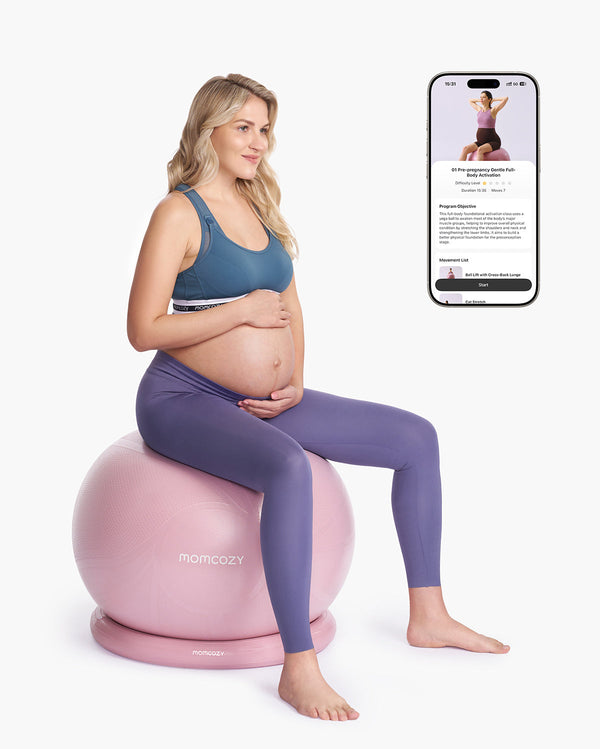
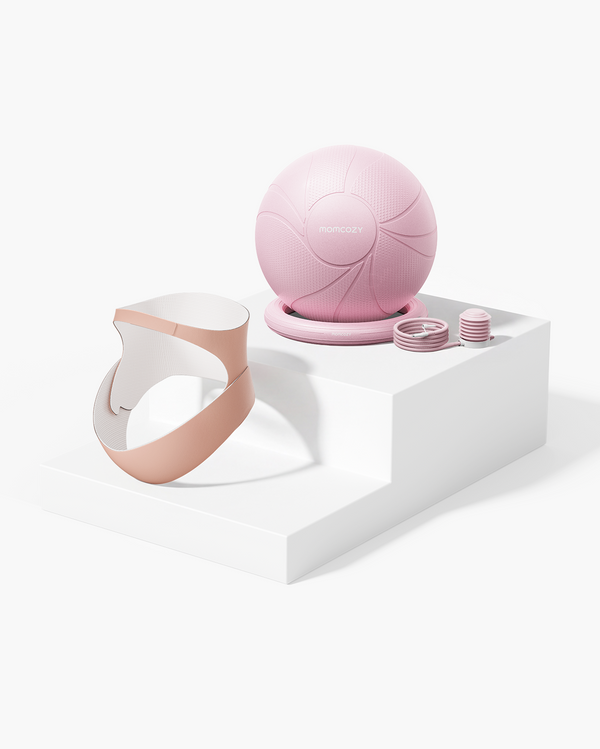
Tip 4: Use an appropriately sized exercise ball, like a 26 inch (65 cm) option for average heights, to provide great stability for your pelvis. A high-quality tool like the Momcozy BirthEase Maternity Ball Set ensures you stay safe.
Tip 5: Stop your workout immediately if you feel any sharp pain or sudden heavy bleeding. Listen to your body and prioritize rest over effort to avoid any long-term physical setbacks.


When Can You Start Exercising After Delivery
According to ACOG, you can usually start very gentle movements a few days (like 2-5 days or whenever you feel ready) after an uncomplicated vaginal birth. If you had a C-section, it is generally recommended to wait at least six to eight weeks. Always check with your doctor before you start a postpartum workout plan.
Your first few weeks should focus only on rest and very light mobility. Do not feel pressured to jump into a full routine too quickly. Healing your core and pelvic floor is a slow process that requires consistent and gentle care.
FAQs
Q1: How do you know if it is too much too soon?
You may notice signs like increased bleeding or sharp physical pain. If you feel dizzy or see bright red spotting, stop exercising immediately. Your body needs more time to rest before you try again.
Q2: Can you still exercise if you are nursing?
Yes, you can absolutely exercise while nursing your baby. Moderate physical activity typically does not affect the quality or supply of your breast milk. Just ensure you drink extra water to stay hydrated and wear a supportive sports bra.
Q3: Are there certain exercises you should avoid after delivery?
Yes, you must avoid high-impact jumping and heavy weightlifting in the early weeks. Skip traditional crunches and sit-ups because they can worsen abdominal separation. Stick to the gentle movements found in the best postpartum workout.
Q4: What is the 3-3-3 rule for postpartum?
This rule provides a structured timeline for your very first nine days. You spend three days in the bed, three days on the bed, and three days near the bed. This ensures you prioritize rest above everything else.
Q5: What is the 5-5-5 rule for postpartum?
This is an extended version of the rest rule for the first fifteen days. You spend five days in the bed, five days on the bed, and five days near the bed. It allows for a much deeper recovery.
Nurturing Your Strength with Love and Patience
Your body has just completed the most incredible journey of bringing a new life into the world. Rebuilding your strength is not a race but a beautiful way to honor yourself and your health. By following a gentle postpartum workout plan, you give yourself the grace to heal with patience and care. You can find the Momcozy BirthEase Exercise Ball here to support your body and comfort every step of the way.








