When choosing between glass baby bottles vs. plastic, it is best to choose based on your priorities regarding safety and convenience. Use glass when the stability of the material and safety issues associated with heat are of primary importance to you. And when you consider portability, reduced weight and risk of breakage, you can pick plastic bottles. A combination of both glass bottles at home and plastic bottles on the go is the best option available to many modern families.
What is best in your family will depend on the situation of your day-to-day life. To make the choice between these materials, you need to consider how you feed your baby, whether you would use the bottles mostly at home or at a daycare facility, and how you personally weigh the balance of bottle weight, long-term durability, and material safety. This guide will provide a breakdown of those factors in order to create a feeding kit that fits your lifestyle.
What Are the Pros and Cons of Plastic Baby Bottles?
Many parents use plastic bottles due to their convenient, on-the-go aspects. Most of the modern versions are manufactured using high-quality and food-grade polypropylene, which is meant to withstand the demands of day-to-day use.
The Benefits of Plastic Baby Bottles
-
Lightweight and Shatter-Proof: Plastic is much lighter than glass, and this makes it more safe to use with older babies who are learning how to hold their own bottles. They are also suitable in highly active environments since they do not break when dropped.
-
Daycare and Travel Compatibility: They are also durable, so they can be thrown into a diaper bag or used by several caregivers. As a matter of fact, plastic bottles are required in many daycare centers due to safety.
-
Affordability: Plastic bottles tend to be more affordable, and this enables parents to keep more stock due to their busy schedules.
The Trade-offs of Plastic Baby Bottles
-
Material Wear and Bacteria: Plastic is porous and can easily develop fine scratches with time. These scratches may contain bacteria and stench, so the bottles made of plastic should be changed after 3 to 6 months.
-
Heating and Leaching Concerns: Modern bottles are BPA-free, but there are still concerns of microplastics or phthalates leaching when the material is exposed to high temperatures, like boiling water or microwave sterilization.
-
Sustainability: Plastic is also petroleum-based, and its environmental footprint is greater, which makes it harder to recycle than glass.
Plastic bottles will suit the parents who like to travel, families whose children are in daycare, and those who seek lightweight solutions when their baby starts self-feeding. However, this may not be suitable for parents who prioritize long-term sustainability or those who are uncomfortable with the potential for material leaching during high-heat sterilization.
What Are the Pros and Cons of Glass Baby Bottles?
The use of glass bottles has been revived in a great way among parents who have considered material purity and sustainable living. Because they are made from tempered borosilicate glass, they offer a high-authority alternative to synthetic materials.
The Benefits of Glass Baby Bottles
-
Superior Material Stability: Glass is non-porous and chemically inert. Even when heated to high temperatures, it does not drain chemicals, flavors, or odors into the milk. This is why it is the best choice for parents who worry about prolonged chemical exposure and the integrity of materials.
-
Thermal Resistance and Sterilization: Glass is resistant to extreme temperatures (thermal shock), unlike plastic. A glass bottle can be taken out of the refrigerator and put in a bottle warmer or boiled water without the risk of the material degrading or bending.
-
Long-Term Durability: While glass can break if dropped, it does not scratch or cloud over time. One set of glass bottles can be passed down to several children, which can be of better value in the long run and less waste.
The Trade-offs of Glass Baby Bottles
-
Weight and Ergonomics: Glass weighs a lot compared to plastic. This may cause hand fatigue in parents through prolonged feeding sessions and complicates self-feeding of infants as they develop.
-
Fragility: Although glass has been hardened to make it strong, it can still be broken. A fall on a tile or hardwood floor may lead to a risk of shattering, but most parents place silicone sleeves that provide an extra layer of safety and traction.
Glass baby bottles are an ideal choice for parents who prioritize at-home feedings, families who are focused on maximum material purity, and eco-conscious parents looking for a long-term, sustainable environment. On the other hand, it may not be the right fit for parents who need a lightweight and easy solution or if they are concerned about the safety risks of shattered glass in a busy household with several children.
Glass Baby Bottles vs. Plastic: Other Factors to Consider
Glass bottles keep liquids warm for longer, which makes them perfect if you want to make feedings ahead of time and not have to reheat them all the time. Plastic bottles, on the other hand, cool down faster, which can be helpful if you need to change the temperature quickly.
A lot of parents like that milk or formula in glass bottles doesn't pick up any flavors or odors, so the taste is clean. For babies with sensitive palates, this trait may be very important. Good plastic bottles try to keep flavors from transferring as little as possible, but they might not be as balanced as glass.
Even though glass bottles cost more at first, they usually save you money in the long run because they don't need to be replaced as often. Plastic bottles are often cheaper at first, but they can cost more in the long run because they need to be replaced more often when they get scratched or cloudy.
Glass bottles have a classic, clear look that stays nice-looking with regular cleaning. On the other hand, plastic bottles come in many colors, patterns, and sizes, giving you more unique choices that may appeal to kids who like bright and fun designs.
Safety Tips for Using Plastic Baby Bottles
Make sure that the baby bottles you use are made of plastic and don't contain BPA. Bisphenol A, or BPA, is a chemical that was once used to make plastics. It has been linked to possible health risks. You can now get choices that are BPA-free from most companies, but make sure you read the labels or product descriptions first.
Check your plastic bottles often for cracks, scratches, or cloudiness. These flaws can hold germs and make it more likely that dangerous chemicals will leak out. If the bottles look worn, you should get new ones.
Use a bottle brush, gentle soap and warm water to clean plastic bottles. Do not use strong cleaners or cleaning pads that are too rough and could scratch the surface. Follow the directions on the bottle's label for sterilization; some plastic bottles aren't made to handle hot water or high temperatures like microwave sterilizers.
If you don't want to leak chemicals, don't microwave milk or formula that is in plastic bottles. Instead, heat the liquids in a different container that isn't made of plastic and then pour them into the bottle.
Keep bottles out of direct sunlight and in a cool, dry place. Sunlight can break down plastic over time. The bottles stay safe and intact as long as they are stored correctly.
How to Wash and Sterilize Baby Bottles
Initial Rinse
Immediately after feeding, rinse the bottle, nipple, and any other parts with warm water to remove milk residue. This prevents buildup that could make cleaning more difficult later.
Feeding on the go gets easier as baby grows into a convertible high chair—it provides a stable, hygienic surface for meals whenever you're away from home.
Disassemble
Take apart all bottle components, including nipples, rings, and any valves, to ensure a thorough cleaning. Each part should be washed individually to remove any leftover milk or formula from crevices.
Washing
Use mild dish soap and warm water with a dedicated bottle brush to scrub the inside of the bottle, nipple, and other parts. Pay special attention to the nipple’s tip and base, where milk can accumulate. Rinse thoroughly under running water to remove all soap residues.
Sterilization Options
-
Boiling: Submerge bottles and parts in boiling water for 5 minutes. Use tongs to remove them and let them air dry on a clean towel.
-
Steam Sterilizer: Electric or microwave steam sterilizers are convenient for efficient sterilization. Follow manufacturer instructions for specific settings and durations.
-
Chemical Sterilizing Solution: Dissolve a sterilizing tablet in cold water as per instructions to soak bottles and parts for the recommended time.
Drying
Place cleaned and sterilized bottles and parts on a clean drying rack. Avoid using towels to dry them, as this could transfer bacteria. Let them air dry completely before reassembling and storing.
For more clean and sterilization methods and detailed steps, visit our comprehensive guide at How to Wash and Sterilize Feeding Bottles: 5 Methods with Tools.
The Verdict: Which Bottle Fits Your Lifestyle?
The choice between the two materials usually depends on your way of life. You can choose the one that suits your routine using the following framework:
Use glass when you value the purity of the material and need a bottle that is non-porous and will not leech chemicals and microplastics when heated. Glass should be used when making feedings at home, where the weight and fragility are less of an issue.
Use plastic baby bottles when your baby is in day care, when you travel frequently, or when your baby is learning to hold their own bottle. Plastic is the standard for portability and shatterproof safety.
The Hybrid Solution: A lot of families nowadays keep glass at home, maximizing their safety and carrying a small set of plastic bottles in the diaper bag when going out.
Safety and Maintenance Tips
Regardless of the materials you use, good hygiene must always be observed.
-
For Plastic
Check the bottles frequently to see whether they are scratched or cloudy because they may contain bacteria. Always wash using a soft brush to prolong the material. To reduce chemical leaching, it is advisable to warm milk in a glass container and then pour it into the plastic bottle to feed.
-
For Glass
Use silicone sleeves to enhance grip and drop protection. After any impact, check whether there are chips or stress fractures.
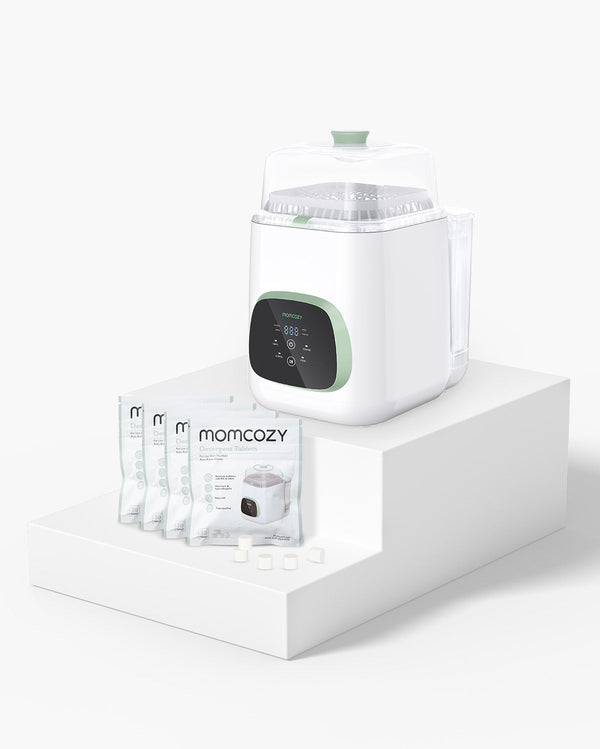
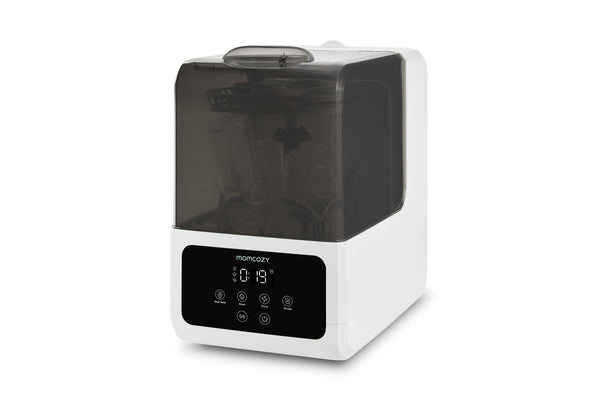
To keep either of those materials long, a specialized solution such as the Momcozy KleanPal Pro Baby Bottle Washer and Sterilizer can make your life easier. It offers medical-grade cleaning and sterilization that maintains glass and plastic in optimal condition.
Bottle Washer
Sterilizer & Dryer
Washes More Than Just Bottles
Momcozy DeepClean Lite Baby Bottle Washer is also a good choice. It is a compact all-in-one washer built to simplify everyday bottle care without taking over your counter. Wash, steam, dry, and store bottles, pump parts, and feeding essentials in one streamlined routine. With powerful multi-layer spraying, Pump360 Rotary Jets, and a space-saving 9-inch footprint, DeepClean Lite fits naturally into busy kitchens and feeding routines.
You can check there to know more about Momcozy bottle washer.
Conclusion
The best option to take in the family is based on how you feed your baby, which is where you most frequently use bottles and how much weight, durability, and material safety you value. Rather than seeking one perfect bottle, pay attention to your main everyday setting. When you have a routine that is divided between home and childcare, then a hybrid kit would be the best to help in maintaining safety without losing convenience.
The feeding you give must change with the needs of your child. When you select the material that is more aligned with your individual priorities, you will be able to provide yourself and your baby with a safe, stress-free feeding experience.
FAQs About Glass vs. Plastic Baby Bottles
Are glass baby bottles better than plastic?
Yes, for safety and cleanliness, but they are heavier and more fragile.
Are plastic baby bottles safe?
Yes, when BPA-free and properly maintained to prevent scratches and leaching.
Do glass baby bottles break easily?
Yes, they can break if dropped, though silicone sleeves help reduce this risk.
Why you'll probably need bottles even if you're breastfeeding?
Yes, because they offer convenience for others to feed the baby and facilitate milk storage.