


Glass bottles are known to be safe, durable and eco-friendly. Glass does not absorb odors or leach chemicals unlike plastic, so it is a great option when it comes to baby feeding, food storage, and drinks. However, one crucial step often overlooked is there is an important step that should not be neglected and that is proper sterilization.
Why Sterilize Glass Bottles?
As parents, we know that your baby's health is your top priority. Sterilizing bottles goes beyond just looking clean—it’s about providing that extra layer of protection for their developing immune system. Microscopic bacteria and fungi may still exist after extensive cleaning, particularly in inaccessible places such as bottle necks or threads. After some time, these microorganisms may increase especially when the bottles are utilized in milk, juice, or other liquid foods rich in nutrients.
In the case of infants, the notion of sterilization is even more significant. Their bodies are yet to develop their immune system, which makes them more susceptible to infections. Even a bottle that seems clean can have germs that may cause discomfort in the digestive system of a baby or cause sickness.
In adults, the risks are usually less, and sterilization is also an important factor in food safety. In case of homemade drinks or in preservation of fruits and vegetables, a little contamination would spoil the whole lot. Sterilization can be used to make sure that what you drink is safe and fresh.

Is sterilization always necessary?
Not all situations require sterilization. In case you have glass bottles to drink water or to keep dry things, comprehensive washing with hot soapy water is generally adequate. But in the case of sensitive applications, as with baby feeding or food preservation, sterilization is a significant additional measure.
Consider sterilization as an extra insurance. Although it might not be necessary on day to day use in all cases, it is necessary during those times when hygiene is not to be compromised.
When is Sterilization Necessary?
Certain situations exist in which sterilizing glass bottles is not only advisable but also a necessity. The most frequent is the one that involves the care of newborns especially in the initial three months of their lives. At this age, infants are more vulnerable to bacteria, and it is possible to minimize the chance of infection by keeping feeding equipment sterile.
Sterilization is also necessary when bottles are used for storing breast milk or infant formula. Unless properly cleaned and sterilized, milk residue can soon be an ideal breeding ground of bacteria. Equally, when a baby is sick, then sterilization of the bottles can reinfect.
Besides baby care, sterilization is also necessary in food preservation. Bacteria contained within a jar can cause spoilage or even pose deadly consequences when canning or storing homemade products. Long storage and exposure of bottles to dust and contaminants also need to be sterilized prior to reuse.

Top Sterilization Methods for Glass Bottles
Glass bottles can be sterilized in a variety of effective methods, each having different needs and lifestyles. The correct method to choose can be often related to the tools you can use and the frequency of sterilization.
Boiling Water Method
One of the oldest methods of sterilizing glass bottles is by boiling. It needs minimal equipment and is very effective in killing bacteria, viruses and other microorganisms.
This starts by washing the bottles in detail to remove any traces on them. After being clean, they are put in a pot and totally immersed in water. Boiling the water until it boils and then leaving it to boil in several minutes will also ensure that any organism that is detrimental is killed. The bottles need to be boiled and then gently taken out after which they should be air dried in a clean area.
The approach is generally believed due to its simplicity and effectiveness. But it should be handled very carefully, or you might burn yourself and also so as not to cause a sudden rise in temperature that might crack the glass.

Oven Method
The oven technique has found some application in sterilizing a large number of bottles or jars at a time. The bottles are washed and put upside down on the tray, and then baked at a moderate temperature. This is due to the dry heat that destroys the bacteria as well as drying the containers.
The benefit of this process is that it is convenient to use large batches, e.g., when food is preserved. Nevertheless, care should be taken to make sure that the glass is heat-resistant and does not have cracks since the high temperatures may lead to its destruction when the material is defective.
Safety Note for Parents: While the oven method is effective for large canning jars, we recommend caution for baby bottles. Dry heat can sometimes cause glass to become brittle over time or lead to uneven heating. For your baby’s safety, always ensure the glass is borosilicate or laboratory-grade before using this method, and never place plastic components or nipples in the oven.
Dishwasher Method
A dishwasher can be a good choice to those who enjoy a more laissez-faire attitude. A lot of new dishwashers have a sanitizing cycle which utilizes high temperatures to eliminate bacteria.
Although this is convenient, this approach relies on the functionality of your appliance. Not every dishwasher is equipped to sterilize. To ensure your glass bottles are germ-free, your appliance must have a specific "Sanitize Cycle" that reaches a minimum temperature of 150°F (65°C). Without this setting, the dishwasher is excellent for deep cleaning but may not meet medical sterilization standards. Moreover, it should be positioned correctly so that water would be available to all sides of the bottles.
Microwave Method
Microwave sterilization is based on steam in order to disinfect bottles in a short time. Heat can be used to eliminate bacteria by adding a little bit of water into a microwave-safe container to produce steam.
This technique is quick and convenient on small volumes, and is a favourite in busy homes.Nevertheless, it needs to be done with caution, so that all materials held are microwave-safe, and bottles are not overheated.
Bleach Method
The bleach technique is usually an alternative in the event that heat-based sterilization is not present. With proper use, diluted bleach solution can be effective in disinfecting bottles.
After soaking the bottles for a short period, they are left to air dry. The solution is safe and does not need to be rinsed when used in a proper dilution. However, precision is important, as incorrect ratios can leave residues or reduce effectiveness.
Momcozy Tips: At Momcozy, we advocate for the most natural and chemical-free environment for your little one. We suggest using the bleach method only as a last resort when heat or clean running water is unavailable (e.g., during emergency water shortages). If you must use it, ensure the bottles are completely air-dried before use to allow any residual chlorine to dissipate naturally.
Steam Sterilizers (Modern Method)
Electric steam sterilizers have gained more popularity in the past years particularly with parents. They are sterilized in high-temperature steam on these machines and may have drying features to avoid condensation.
They are made to make it easier and minimize time and effort in sterilizing every day. This is convenient and consistent to families that often sterilize their baby bottles.
How to Properly Clean and Sterilize a Baby Bottle
In the case of baby bottles, it is not only necessary to wash them properly but also to sterilize them. The residue of the milk may be easily deposited onto surfaces and it is likely to provide a good environment where bacteria will proliferate unless the milk is removed immediately.
It is initiated shortly after feeding. Bottles ought to be taken apart and washed to avoid drying up of the residue. It is recommended to wash with warm soapy water and a bottle brush in order to clean up any remaining particles particularly in tight spaces.
Sterilization, following cleaning, will help to eliminate any remaining microorganisms. Although the conventional practices, such as boiling, are effective, it may be time consuming in case of repetitive practices in a day.
This is where such products as the Momcozy KleanPal Pro Baby Bottle Washer and Sterilizer can play a big role. It is fitted with washing, sterilizing, and drying in one unit making the whole routine easier.
$319.99 USD


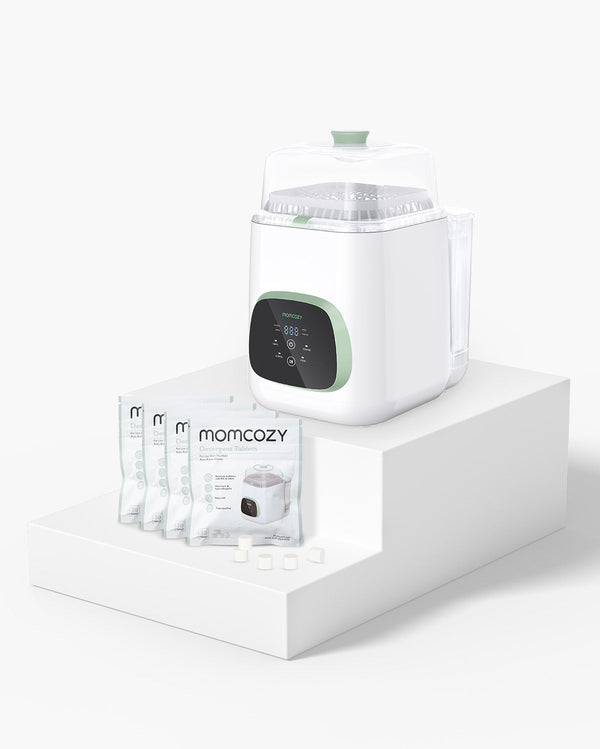
Parents can count on high-temperature sterilization which involves few steps to be carried out manually without much effort. This saves time and gives peace of mind as well, knowing that the bottles have been cleaned properly each time.
How to Sterilize Jars for Canning and Preserves
Jar sterilization is an important process in preserving food. Canning, as opposed to the mundane use of bottles, entails a greater degree of hygiene to avoid contamination and spoilage.
This is done by washing jars first and then putting them into boiling water a few minutes. Maintaining sterility is done by keeping the jars hot until they are filled. After filling, it is important to seal them well such that no new bacteria could be allowed to enter.
Attention to detail is essential in this process. A minor negligence can have an impact on the safety of preserved food and the shelf life. Sterilization is essential to preserve flavor, texture and quality.
Tips that Help Keep Glass Bottles Sterile After Cleaning
Bottles are only sterilized. It is also important that they should remain clean after. Bottles should be sterilized after which they can easily be contaminated by handling.
Air drying of bottles should be encouraged rather than using towels or cloths to dry them. Keeping them in an enclosed area and clean will minimize the contact with dust and airborne particles. Washing hands before and after handling bottles is also advisable and touching the inside of the bottle should be avoided.
The other habit of not putting together bottles in bulk is also significant. It is best to leave them fully assembled but not long enough to allow moisture to accumulate, so there is a risk of bacteria growing once again.
FAQs
Do I need to sterilize new jars?
Yes, even new jars may have dust or contaminate items during manufacturing and packaging, and it is advisable to sterilize them before use.
How long do bottles stay sterile?
With proper storage conditions in clean and closed space, the bottle can stay sterile up to 24 hours.
Can I reuse lids after sterilization?
Canning lids are designed to be single-use to provide a good seal, and some lids can be reused.
Is it necessary to presterilize jars for pressure canning?
No, the elevated temperatures experienced during pressure canning have been shown to sterilize the jars efficiently during processing.
Do I need to sterilize jars if processing for more than 10 minutes?
Pre-sterilization is usually unnecessary in the case of long processing durations.
Are all glass bottles food-safe?
Glass bottles are not all intended to be used as food containers. Bottles should be of food grade and heat resistant.
How often should I sterilize baby bottles?
In case of the newborns, the sterilization should be done daily, particularly in the initial months.
Is dishwasher cleaning enough for sterilization?
Only when the dishwasher has a sanitizing program, which reaches high enough temperatures.
What is the best way to sterilize glass baby bottles?
Boiling and steam sterilization are regarded as the most reliable.
How long to boil glass bottles to sanitize?
At least 5 to 10 minutes of boiling would be adequate.
What is the best way to sterilize glass jars?
Over boiling water and using the oven to sterilize are both feasible.
Conclusion
Knowing how to sterilize glass bottles is a crucial aspect of having a healthy and clean house. Caring about a newborn, cooking at home, or just wanting to make sure your hands are cleaner, it offers an extra protection with proper sterilization.
You have a selection of procedures to use, including traditional boiling to the latest steam sterilizers, so it is up to you to select the technique to use which fits into your schedule. It is not the method itself, but the regularity and attention with which it is used.
Based on these practices, it is possible to make sure that your glass bottles are safe, hygienic and that they can be used every day by adhering to the practices described in this guide.








