


Keeping your baby’s feeding gear germ-free is a top priority for every new parent. Babies, particularly newborns, have developing immune systems, and thus they are more susceptible to bacteria that may survive even after being washed in feeding bottles.
Milk residue, moisture, and warmth provide an ideal germ growth environment. Regular washing has the benefit of removing visible dirt but sterilization goes further to offer greater protection by killing harmful microorganisms.
This manual will take you through each procedure, including proper cleaning and advanced sterilization, to ensure that you can keep the Baby feeding essentials safe, hygienic and ready to use.
What is the difference between cleaning, disinfecting, and sanitizing?
It is crucial to understand how every level of cleaning functions and the reasons as to why they are all important before learning how to sterilize plastic bottles.
Cleaning is the first step. It uses soap and water to eliminate milk residue, grease and visible dirt. Although necessary, washing is not a foolproof way of getting rid of every germ.
Disinfecting is further done by using heat or chemicals to eliminate most bacteria and viruses. This goes a long way in minimizing contamination but it might not be able to get it all.
Sanitizing reduces the germs to acceptable levels as set by health standards. It is usually performed using hot water, steam or dilute chemical solutions.
The most comprehensive process is sterilizing. It kills bacteria, viruses and spores. This is particularly crucial to the infants and babies whose immune systems are less developed.
One step leads to the other and that is why cleaning should always precede sterilization.

How to Properly Clean Plastics Before Sterilization
For your baby's safety, a deep clean is essential. Missing this step may make sterilization less efficient due to the residue that may shield bacteria, whether by heat or by chemicals.
Begin by disassembling the bottle. Take nipple, ring and cap and any internal parts apart. However, rinse each part of the part with running water immediately after use to avoid the drying of milk and sticking.
Rinse under warm water with a mild dish soap. Clean the inside with a bottle brush, and the nipples and tight areas with a smaller one. Always be careful of crevices into which milk may settle.
Once washed, fill it with a lot of water to wash away the traces of soap. Allow all of the parts to dry on a clean rack as opposed to a towel that can transfer bacteria.
A regular cleaning schedule can enhance the cleanliness and also increase the life of your bottles.

How to Disinfect and Sanitize Plastics
Although sterilization is preferable, sometimes disinfecting or sanitizing can be adequate- particularly among babies of older age.
One of the easiest methods of disinfecting is boiling. Wet some bottles in boiling water for a few minutes to kill most of the germs. Ensure that all sections are covered and without air bubbles.
Another convenient method is to use a dishwasher that has a high-temperature or sanitized setting. Put bottles on the upper rack and run them through the full cycle.
These procedures serve to ensure that there is cleanliness between full sterilization periods.
How to Sterilize Baby Bottles
Consistency and approach are important when teaching how to sterilize plastic bottles, particularly when feeding infants. Sterilization is done to make sure that all undesirable microorganisms are done away with.
It is especially necessary to wash baby bottles with sterilization, especially at the beginning of the first six months of life when children are the most susceptible to infections. Even the slightest traces of bacteria may cause gastrointestinal problems or disease.
Why is it Important to Sterilize Baby Bottles?
Each time your baby suckles, the bottle is exposed to the milk, saliva, and the environmental exposure. Bacteria may be very rapid in multiplying without being sterilized especially when the environment is warm.
By sterilizing bottles, the risk of:
- Gastrointestinal infections
- Diarrhea and vomiting
- Oral thrush
- A general disease due to exposure to bacteria.
This extra safety measure gives parents the assurance that their feeding equipment is indeed safe.

When to Sterilize Baby Bottles
Sterilization is not a procedure that has to be done with the same frequency as your baby develops, however, it is a necessary practice in some cases.
Always put bottles in boiling water prior to use. During the newborn stage, it is recommended to sterilize after every use. When your baby becomes older and develops immunity, you will be able to decrease the frequency but still, keep the cleaning.
Bottles should also be sterilized more frequently in case your baby is ill, premature or has a weakened immune system.
Methods for Sterilizing Baby Bottles
Sterilizing bottles can be done in a number of effective ways depending on the lifestyles.
One of the most available techniques is boiling. It needs water and heat, and can be used in a home that lacks specialized devices. Nonetheless, some plastics can be worn down by repeated boiling.
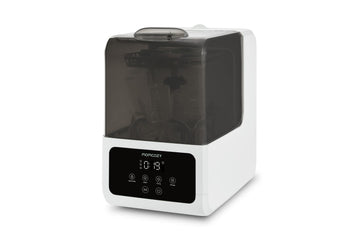
One of the most effective and popular present-day methods is steam sterilization. Other appliances such as the Momcozy KleanPal Pro Baby Bottle Washer and Sterilizer can also be used to achieve greater convenience because they have one device that is capable of washing, sterilizing, and drying at the same time. This saves a lot of steps and guarantees consistency with a few steps taken.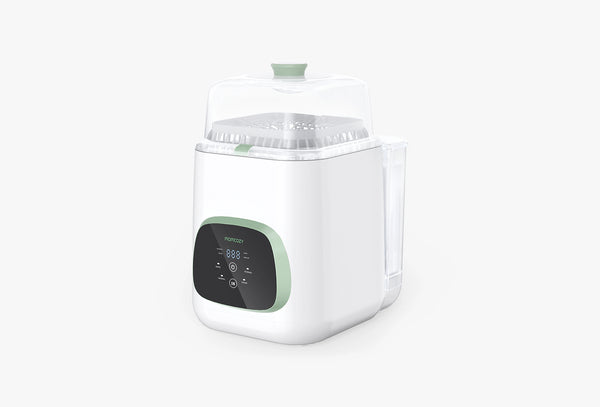 Member price
$299.99Code Save 10%
Member price
$299.99Code Save 10%
 Member price
$304.99
Member price
$304.99
$319.99Code Save 10%

In addition, Momcozy has launched a new baby bottle washer—the Momcozy DeepClean Lite Baby Bottle Washer and Sterilizer. Meet the Momcozy DeepClean Lite Baby Bottle Washer — a compact all-in-one washer built to simplify everyday bottle care without taking over your counter. Wash, steam, dry, and store bottles, pump parts, and feeding essentials in one streamlined routine. With powerful multi-layer spraying, Pump360 Rotary Jets, and a space-saving 9-inch footprint, DeepClean Lite fits naturally into busy kitchens and feeding routines.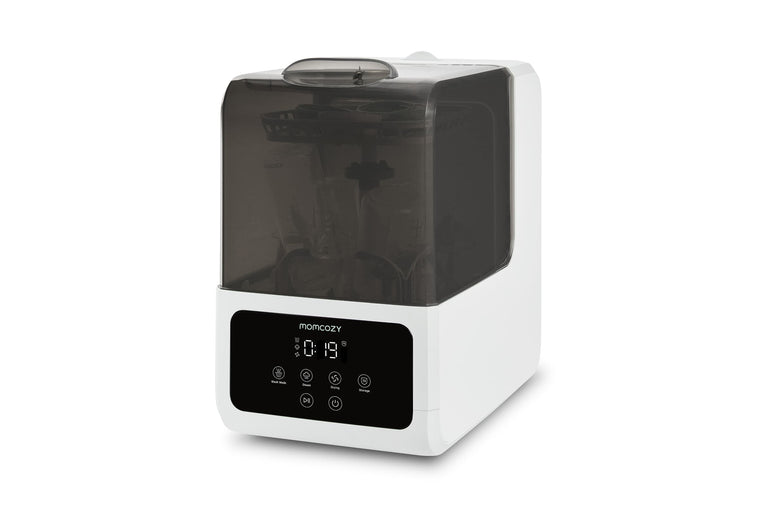 $299.99Code Save $30
Another fast alternative is microwave sterilization, which involves the use of steam produced in special containers. Nonetheless, it needs bottles that are marked as microwave-safe.
When travelling, chemical sterilization is commonly practiced. Bottles can be sterilized using tablets or liquid solutions without heating, but should be well rinsed afterward.
Both are good as long as they are performed properly and therefore the most appropriate one is based on your routine, time and availability of equipment.
Should You Buy a Bottle Sterilizer?
The choice of investing in a sterilizer or not depends on your day to day schedule and priorities.
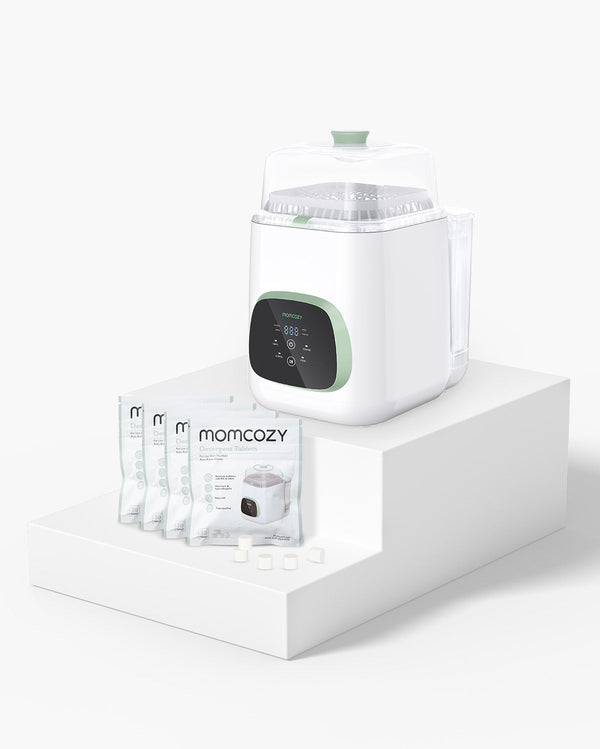
In case you are always washing bottles, or unable to keep a regular sterilization schedule, a special device can make a tangible difference. Such products as the Momcozy Baby Bottle Washer and Sterilizer make the whole process easier and can save time and guarantee a high level of hygiene.
Member price
$299.99Code Save 10%
Member price
$304.99
$319.99Code Save 10%
This is a luxury to busy parents, particularly those who have to deal with several feeds per day. It minimizes manual work and the chances of irregular cleaning.
Alternatively, when you need a more practical approach and have time to boil or do it manually, you could also practice great hygiene without buying more equipment.
Tips for Cleaning and Disinfecting Plastics
Bottle hygiene is more than just having knowledge of how to sterilize plastic bottles. Simple daily routines can have a significant impact on ensuring the safety of feeding equipment.
Wash bottles by washing them immediately after use to avoid accumulation of residue. Wash with soft and baby friendly cleaning products and use no hard chemicals that are harmful to the plastic.
Check bottles frequently to see if they are scratched, cloudy or worn. Bacteria can be present on damaged surfaces and must be replaced.
Always keep bottles in a clean and dry place and never seal them when wet since during this time moisture encourages bacteria growth.
Safety and durability may also be enhanced with the help of high-quality and BPA-free bottles that are developed to be sterilized repeatedly.
FAQs
How often do you need to sterilize baby bottles?
In the case of babies, sterilizing after each use is advisable. As your baby develops, you may lessen frequency, but ought to continue sterilizing consistently, particularly when unwell or when in touch with contaminated surroundings.
Can I use scented bleach for sanitizing plastic?
No, bleach without any scent is all that should be applied. The additives in scented varieties are not safe to be used in feeding.
How much bleach is needed per quart of water for safe sanitization?
One safe solution is approximately 1/2 teaspoon of unscented bleach in a quart of water. Always be careful to mix and rinse bottles after soaking.
Is it safe to put PET bottles in the microwave?
PET bottles are not necessarily microwave-safe. Consistently look at the label of the manufacturer. When in doubt, prefer less risky techniques, such as steam or boiled sterilization.
Conclusion
One of the most important things that can guarantee the health and safety of your baby is learning how to sterilize plastic bottles. Whereas cleaning will eliminate the visible dirt, sterilization will offer the best protection against dangerous microorganisms.
Parents now more than ever have more choices than ever in keeping bottles hygienic and safe, with more boiling options like the Momcozy Baby Bottle Washer available.
With an adequate cleaning schedule, regular sterilization, and smart daily routines, you will be able to develop a feeding schedule that will help your baby thrive and make your life easier.








