As a breastfeeding mom, you may ask, "Can I go 8 hours without pumping at night?" While it's possible, it depends on factors like your milk supply, your baby’s needs, and how your body responds to longer gaps between sessions.
This article will provide you with all the answers. Discover whether it's safe to go 8 hours without pumping at night and how your body may respond. Also, learn essential tips on managing engorgement, maintaining your milk supply, and adjusting your nighttime pumping routine.
Do I Need to Pump at Night?
When your baby starts sleeping through the night, you may find yourself waking up uncomfortable due to engorgement. In this case, you have a few options. You can continue pumping at night to build up a freezer stash, although this isn't necessary for everyone. If you're feeling too uncomfortable, it’s okay to pump once or twice at night to relieve the pressure and take advantage of higher prolactin levels.
Alternatively, give your body time to adjust to the new routine—while it may feel uncomfortable at first, your body will eventually adapt to the lack of nighttime stimulation. If the discomfort is manageable, you can use a Haakaa or manual pump to express just enough milk for relief without fully emptying your breasts, which helps prevent stimulating more milk production. Over time, your supply will naturally decrease, and you’ll feel more comfortable.
Can You Go 8 Hours Without Pumping at Night?
If you go 8 hours without pumping or breastfeeding, you may experience breast engorgement and discomfort. For those who exclusively pump or are away from their baby for extended periods, it's recommended to pump as often as your baby would typically feed. This helps prevent discomfort, maintain your milk supply, and avoid issues like clogged ducts or a decrease in production.
How Long Can I Go Without Pumping at Night?
The amount of time you can safely go without pumping at night varies from one mom to another. Factors such as your milk supply, your baby's age, feeding schedule, and how prone you are to engorgement all play a role. While some moms can comfortably go 6 to 8 hours between sessions, others may need to pump more frequently to stay comfortable and maintain supply.
How Long Is Too Long?
There isn't a universal cutoff, but regularly going much longer than your usual pumping interval can lead to breast fullness, discomfort, and an increased risk of clogged ducts. During the first 12 weeks postpartum, consistent milk removal is especially important because your milk supply is still being established. If longer stretches leave you feeling engorged or affect your output, it may be a sign that the gap is too long for your body.
When Can You Stop Pumping at Night?
You can stop pumping at night when your baby starts eating lots of solids. During their first 12 weeks, do not consider stopping your night-pumping sessions. Continue pumping at night even if your baby snoozes through feeding times. That’s because at this stage, your baby is still establishing your milk supply. If your body detects there’s still milk in your breasts, it will stop producing more. Over time, this will decrease your milk supply.
Do I Need To Pump at Night if the Baby is Sleeping?
If your baby is sleeping through the night, you may wonder if you need to pump. The answer depends on your comfort level and your milk supply. If you're feeling engorged or uncomfortable, pumping once or twice at night can help relieve the pressure and prevent discomfort.
However, if you're not overly uncomfortable, you can give your body time to adjust and let your milk supply naturally decrease during nighttime hours. It's not necessary to pump if you're not feeling full, as your body will adapt to your baby sleep over time. To make these occasional night sessions more comfortable, using a breastfeeding pillow can provide better ergonomic support for your back and arms while you sit up to pump.
What are the Benefits of Pumping at Night?
Nighttime feedings play a crucial role in ensuring that your baby receives the necessary nutrients and calories for optimal growth and development. These feedings foster a deep emotional connection between mother and baby through intimate skin-to-skin contact. Additionally, they help establish the baby’s circadian rhythm, which can promote longer sleep stretches as they grow.
For the mother, nighttime feedings help regulate the release of prolactin and oxytocin—hormones vital for milk production and overall maternal health—contributing to a smoother breastfeeding experience and enhanced well-being.
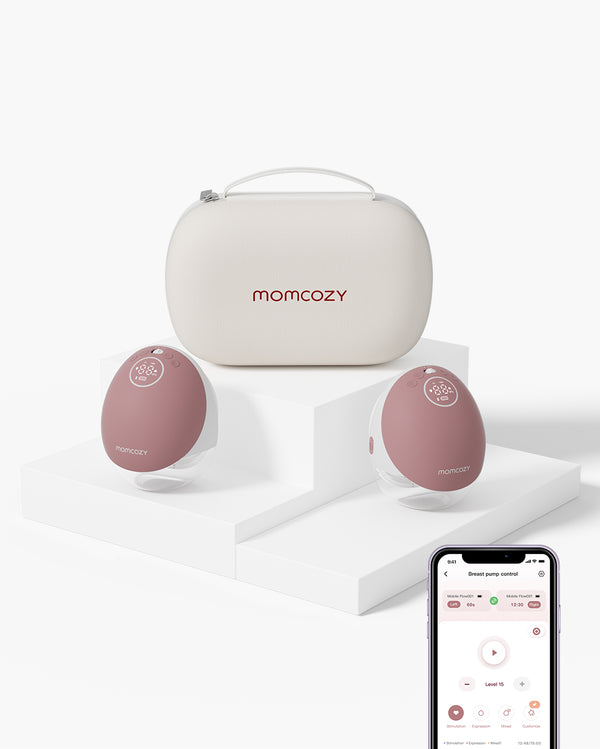
Momcozy M5 has a maximum suction force of 280mm Hg, which can meet your needs of nighttime breastfeeding.
New Mom Kit
Hands-Free Feed
Budget-Friendly Combo
Easy Pumping
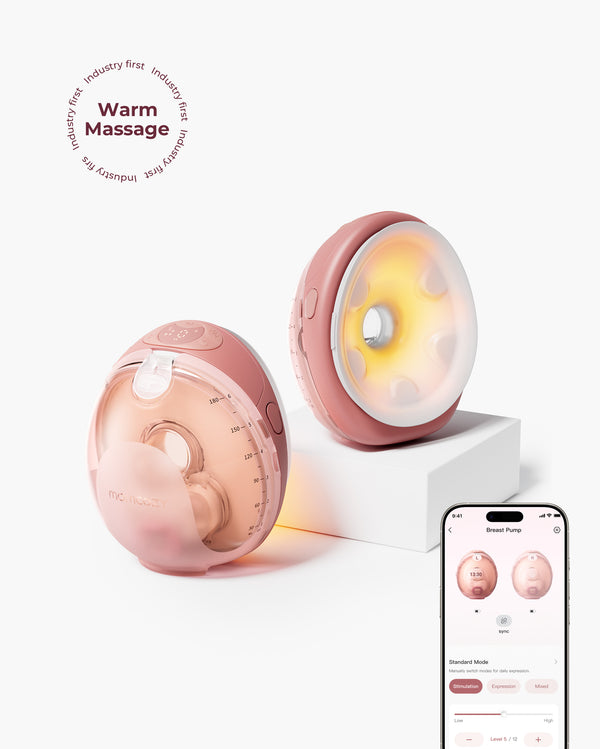
Want to pump quietly and efficiently, even in the middle of the night? The new warm-massage breast pump is designed just for your night pumping needs. It has a long-lasting battery, so you won't need to look for cables or sit next to an outlet in the dark. Best of all, it uses soothing warmth and gentle vibrations with its pumping rhythms. This helps milk flow easily and makes the pumping session fast and quiet.
From $263.99 USD $329.99 USD
Warm-Massage
Milk Boost Mode
Reliable Battery
Transparent Top
This all-in-one pump is a big help for busy parents who need a quick, quiet, and comfortable way to pump while the rest of the family sleeps. Presale starts December 15, 2026!

How to Pump at Night
If you’re exclusively pumping, nighttime sessions are key to maintaining your milk supply. Wondering how often to pump or how to make it easier? Here are 9 tips to help!
Make sure your pump is ready before bedtime.
Getting up to pump at night isn’t fun, but it’s crucial in the first 10 weeks while building your milk supply. To make it easier, ensure your breast pump is ready to go before bed. If it’s rechargeable, charge it fully; if not, plug it in ahead of time so you’re not fumbling in the dark when it’s time to pump!
Ensure your Pump Parts are Clean and Prepared.
Have your pump parts clean and ready before bed. Wash them ahead of time and let them air dry, so you’re not stuck cleaning in the middle of the night. For extra convenience, pre-assemble your pump kit to save time when you wake up to pump.
Have Snacks and Water Ready for Night Time Pumping.
Set yourself up for nighttime pumping success by prepping snacks and a water bottle at your pumping station before bed. Having everything within reach makes those late-night sessions smoother and less stressful. The easier you make it for yourself, the more manageable those midnight pumps will feel.
Use a Hands-Free Pump with Auto Shutoff
For easier nighttime pumping, consider using an electric breast pump with an automatic shutoff feature, like the Momcozy M9. This compact, hands-free pump ensures convenience and prevents over-pumping if you drift off during your session. Its efficient design makes those late-night pumps less of a hassle.
From $135.99 USD $159.99 USD
High Efficiency
Expert-Tuned Rhythms
APP Control
Long Battery
From $59.99 USD $79.99 USD
Fast Night & Day
One-Touch Ease
Smart & Safe
Easy Clean
Set Alarms Ahead of Time for Easy Nighttime Pumping
If you have a consistent routine, setting alarms on your phone or calendar can be a game changer for nighttime pumping. You can even set reminders during the day to stay on schedule. While it’s best not to obsess over the clock, having alarms as gentle reminders can help you stay on track without the stress of constantly checking the time.
Automating this simple task takes one more thing off your plate, making your nighttime pumping sessions a little smoother.
Leave Milk Out to Save Time
Instead of refrigerating your milk right away, leave it out if you're pumping late at night. Breast milk stays good for up to four hours, so you can use it for your baby’s next feeding, saving time and hassle.
If you decide to use that expressed milk for the next feed, having the right tools makes all the difference. The Momcozy Night Pro Baby Bottle Warmer - Night Feeding is a total game-changer for these late hours. Its world-first see-through water chamber and soft two-level night light let you prep bottles without fumbling in the dark or turning on harsh overhead lights. With science-powered fast heating and a real-time countdown, you’ll know exactly when the milk is ready, ensuring no more guessing games while soothing a hungry baby. It even features an anti-residue design to reduce buildup, making your nighttime maintenance as stress-free as possible.
Tune In While Pumping
Listen to a podcast or audiobook while you pump to stay entertained without disrupting your sleep cycle. Avoid using your phone if possible, as the blue light can interfere with melatonin production. If you must use it, lower the brightness to help you fall back asleep faster.
Pre-label Storage Bags for Quick Use
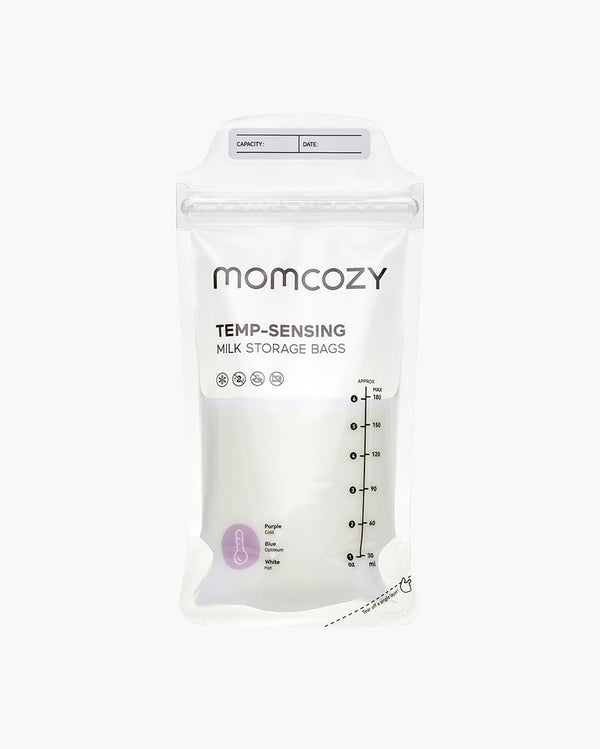
Label your breastmilk storage bags with the date and time in advance, so they're ready when you're done pumping and can get back to bed faster.
Other Facts You Should Know About Pumping at Night
Here are the other facts you should know about pumping at night:
1. Should Milk Pumped at Night be Given at Night?
No, milk pumped at night can be given the next day. Breast milk can stay at room temperature for up to four hours, so if you pump at night and your baby is likely to wake up soon, you can use that milk for their next feeding. However, if it's stored properly in the fridge, it can be used later or on the next day.
2. Does Pumping at Night Increase Milk Supply?
Yes, pumping at night can help increase milk supply, especially in the early weeks of breastfeeding when your body is establishing milk production. Nighttime pumping can trigger the release of prolactin, a hormone that helps with milk production.
3. Will my milk dry up if I only nurse at night?
Nighttime breastfeeding is essential for maintaining a healthy milk supply and ensuring newborns get the nourishment they need. The more milk removed, the more your body produces, supporting growth and supply.
4. Does 10pm breast milk have melatonin?
Breast milk expressed at night contains higher levels of melatonin, the sleep hormone, and nucleotides that may promote rest. In contrast, milk pumped in the morning has more cortisol, a stress hormone that helps keep babies more alert.
5. Will I get mastitis if I don't pump at night?
Mastitis can occur if you don’t breastfeed or pump regularly, and it is most common during the first three months of lactation. However, breastfeeding women aren't the only ones at risk—non-breastfeeding individuals can develop mastitis from a cracked nipple or a nipple piercing.
Risks of Waiting Too Long
Frequent long gaps between pumping sessions can lead to discomfort and other breastfeeding challenges. Understanding the risks can help you plan your routine accordingly.
Engorgement
Going too long without removing milk can leave your breasts feeling overly full, swollen, and uncomfortable. This condition, known as breast engorgement, happens when milk accumulates faster than it's being removed. Besides discomfort, severe engorgement can make it harder for milk to flow and may interfere with feeding or pumping. According to the American College of Obstetricians and Gynecologists (ACOG), frequent and effective milk removal is one of the best ways to prevent engorgement.
Clogged Ducts
When milk sits in the breast for extended periods, it can sometimes contribute to blocked or clogged milk ducts. You may notice a tender lump, localized soreness, or an area of firmness in the breast. While clogged ducts often resolve with continued milk removal, ignoring them can increase the risk of further complications.
Mastitis
Mastitis is an inflammation of the breast tissue that can cause pain, redness, swelling, and flu-like symptoms. It may develop when milk isn't removed regularly and a clogged duct progresses. The Mayo Clinic's mastitis guide notes that continuing to empty the breast is an important part of treatment and recovery.
Decreased Milk Supply
Breast milk production works on a supply-and-demand system. When milk remains in the breast for long periods, your body receives a signal that less milk is needed. Occasional longer stretches may not have a major impact, but making a habit of skipping pumping sessions can gradually reduce your overall milk supply.
Latch Issues Due to Engorgement
An overly full breast can become firm and difficult for a baby to latch onto comfortably. Some babies may struggle to maintain a deep latch when the breast is engorged, leading to frustration during feeds. In some cases, expressing a small amount of milk before nursing can soften the breast and make latching easier.
Methods for Weaning Off Nighttime Pumping
If your baby is sleeping longer stretches and you're ready to reduce overnight pumping, it's important to make changes gradually. A slow transition gives your body time to adjust and helps minimize discomfort while protecting your milk supply.
If you're ready to stop pumping overnight, take it slow. Dropping nighttime sessions too quickly can lead to discomfort and increase the risk of clogged ducts. Giving your body time to adjust helps make the transition much smoother.
-
Change the Timing of Your Evening and Morning Pump.
Instead of eliminating your nighttime pump immediately, try shifting your schedule little by little. Move your last evening pump 15 to 30 minutes later every few days and gradually push your first morning pump later as your body becomes more comfortable with longer stretches.
-
Pump More During the Day.
As you reduce nighttime pumping, you may need to remove milk more frequently during the daytime. Adding an extra daytime session can help maintain overall milk production while your body adjusts to a new schedule.
-
Drop One Pump in a 24 Hour Period.
Rather than eliminating multiple sessions at once, start by removing just one pumping session from your daily routine. Stay with that schedule for several days before making another change.
-
Wean Slowly and Carefully.
Every mom responds differently. Some can comfortably stretch their nighttime interval within a few days, while others need several weeks. Pay attention to signs of engorgement, clogged ducts, or supply changes, and adjust your pace if needed.
How to Recover if Your Supply Drops
It's normal to worry about your milk supply when changing your pumping routine. If you notice a decrease in output after extending nighttime gaps, there are several ways to encourage your body to increase milk production again.
Increase Frequency
If your output drops after extending nighttime gaps, try adding an extra nursing or pumping session during the day. More frequent milk removal signals your body that more milk is needed, which can help boost production over time.
Power Pumping
Power pumping mimics cluster feeding and may help encourage additional milk production. A common approach is pumping for 20 minutes, resting for 10 minutes, pumping for 10 minutes, resting for 10 minutes, and pumping again for 10 minutes. While results vary, many moms find it helpful when trying to rebuild supply.
Skin-to-Skin
Spending time skin-to-skin with your baby can support breastfeeding by stimulating hormones involved in milk production and milk release. It can also encourage more frequent nursing, which naturally helps boost supply.
When to Contact a Professional
If your milk supply continues to decline despite increasing milk removal, or if you're experiencing recurrent clogged ducts, severe pain, or signs of mastitis, reach out to a lactation consultant or healthcare provider. They can help identify underlying issues and create a plan tailored to your situation.
FAQs
Can I stop pumping at night at 3 months?
It depends on your milk supply, your baby's feeding habits, and your breastfeeding goals. Some moms can start extending nighttime stretches around 3 months, while others may still need overnight pumping to maintain supply. If you decide to drop nighttime sessions, do so gradually and pay attention to how your body responds.
Do you get less milk when pumping at night?
Not necessarily. Milk-producing hormones like prolactin are naturally higher overnight, which is why nighttime pumping can help support milk supply. However, the amount you pump depends on factors such as your overall supply, pumping frequency, and the time since your last session.
What happens if I go 12 hours without pumping?
Many moms will experience breast fullness, engorgement, or discomfort after going 12 hours without removing milk. Repeated long gaps may also increase the risk of clogged ducts and gradually affect milk supply. An occasional longer stretch may not cause problems, but frequently skipped sessions can have a greater impact.
Will one long gap ruin my milk supply?
Usually not. A single longer-than-usual gap between pumping sessions is unlikely to have a lasting effect on your milk supply. Milk production responds to your overall feeding and pumping patterns, so returning to your regular routine will typically help maintain supply.
Conclusion
Going 8 hours without pumping at night is possible, but it depends on your milk supply, your baby’s needs, and how your body adjusts. If you're uncomfortable, use a manual pump to relieve pressure without boosting milk production.
If your baby sleeps through the night, you may not need to pump unless you're full. Maintaining a routine helps regulate supply and prevent mastitis. With strategies like pre-labeling storage bags or setting alarms, you can manage nighttime pumping while getting better rest.