


MEDICALLY REVIEWED BY

Zola Zhang, MD, IBCLC, Breast Surgeon, Mother
Breast Surgeon | International Board Certified Lactation Consultant | Mother
As a dedicated Breast Surgeon and International Board Certified Lactation Consultant (IBCLC) with 21 years of clinical experience, my work is rooted in both medical expertise and the lived reality of motherhood—because I’m not just a clinician, but also a mother who exclusively breastfed my own child for two years. This dual perspective shapes every interaction, allowing me to blend scientific rigor with deep empathy for the joys and challenges of breastfeeding.
Grandparents do not need a dedicated diaper pail for every occasional newborn overnight. For disposable diapers, a plastic-lined trash can with a lid is an appropriate home option; used wipes can go inside the dirty diaper before disposal. CDC’s home diaper-changing guidance supports this approach.
A dedicated pail can still be worthwhile for regular weekend visits or frequent changes in the same room. The aim is not to fill a grandparents’ home with baby gear. It is to make nighttime changes quick, hygienic, and manageable for everyone.
Choose a Disposal Setup That Fits the Visit Pattern
Use the simplest option that matches how often the baby stays and how the household works.
Visit Pattern |
Practical Setup |
What to Plan |
One occasional overnight |
A stable, plastic-lined trash can with a lid |
Bring liners or bags if needed, and remove the tied bag promptly after the visit. |
Regular weekends or monthly stays |
A lidded step can or a dedicated diaper pail near the changing area |
Leave compatible bags and agree on who empties it. |
Frequent overnights or a permanent grandparents’ nursery |
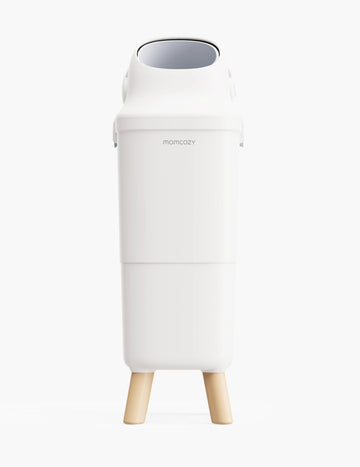
A dedicated, hands-free diaper pail may be convenient |
Choose one that is stable, easy for adults to operate, and kept inaccessible to children and pets. |
A regular lidded trash can is a sensible low-cost choice when visits are rare. A dedicated pail is primarily a convenience decision: it may keep disposal close to the changing station and give the household a more consistent routine. A diaper-changing guide likewise lists a plastic bag, diaper pail, or lidded garbage container as disposal options. Its guidance on changing supplies and disposal also notes that a regular trash can can work for occasional use. 
Avoid treating any pail as automatically childproof or odor-proof. A closed lid, a solid base, and a routine for taking trash out matter more than buying extra equipment for a home that hosts the baby only now and then.
Put the Bin Within Reach, Not in the Baby’s Space
Set up the disposal container before the first overnight, ideally beside the changing area rather than across the room. The caregiver should be able to finish a change and dispose of the diaper without stepping away from the baby.
Use this placement checklist:
- Put the bin on a stable floor or other secure location.
- Keep it close enough to the changing area for an adult to reach during the routine.
- Keep it out of reach of children and pets.
- Do not place it beside the crib, bassinet, or other sleep space.
- Keep dirty diapers away from soft furnishings and surfaces that cannot be easily cleaned.
- Keep the lid fully closed when the bin is not in use.
The changing surface deserves the same attention. Gather the diaper, wipes, changing liner, clean clothes, and disposal supplies before placing the newborn down. If the baby is on an elevated changing surface, stay with them throughout the change and keep a hand on them rather than relying on straps. 
For a nighttime change, the simplest flow is: prepare the basket, change the baby, roll up the used disposable diaper with the wipes inside, place it in the closed bin, then wash hands. The bin should support that sequence—not cause the caregiver to leave the baby unattended.
Keep a Small Changing Basket Ready
A compact basket prevents grandparents from hunting through drawers at 2 a.m. It also makes it easy for parents to refresh supplies before each visit.
Keep in the Basket
- Clean diapers
- Wipes
- Diaper cream, if the baby uses it
- A changing pad, towel, or waterproof liner
- One or two spare outfits for leaks or blowouts
- Liners or bags that fit the chosen container
- A small bag for soiled clothing, if needed
Parents may prefer to bring the baby’s usual diapers, wipes, and cream rather than leaving a large supply behind. Grandparents can simply provide the designated location for the changing basket and access to household trash. That keeps the setup modest while preserving a familiar routine for the baby.
Agree on the Waste Routine Before Arrival
A short conversation prevents the awkward question of who is meant to deal with the trash after everyone is tired.
Decide:
- Who brings replacement liners or bags
- Who ties off and removes the bag after the visit
- Where the household’s outdoor trash goes
- Whether grandparents prefer the bin emptied after any bowel movement or at the end of each day
- Who checks and wipes the bin if odor becomes noticeable

There is no need to follow a fixed diaper-count schedule. A practical routine is to remove trash frequently when it is building up or when a strong odor develops near the changing area, then wipe the bin if necessary. Follow local household-waste requirements and the container manufacturer’s instructions.
Skip heavily fragranced odor products if the baby or a caregiver is sensitive to scents. Prompt disposal and a closed lid are straightforward ways to keep the changing area more pleasant without adding another product.
Clean the Changing Area, Not Just the Bin
Routine cleanup starts with hands. After each diaper change, wash both the caregiver’s hands and the child’s hands with soap and water.
At the end of an overnight or weekend visit, reset the changing area so it is ready for next time:
- Remove used diapers and wipes from the room.
- Take soiled clothing home or place it in the family’s designated laundry bag.
- Replace the changing-pad liner or towel if needed.
- Restock the basket with supplies for the next visit.
- Check the bin for residue or odor and wipe it when necessary.
Cleaning and disinfecting are not the same task. Routine disinfection of a diaper pail is not automatically required just because it held diapers.
If diaper contents leaked onto a waterproof changing surface, first wipe up visible soil. Then scrub the surface with disinfectant and allow it to air-dry. If a fabric-covered changing surface is soiled, remove the cover and replace it with a fresh one. 
Make a Separate Plan for Cloth Diapers
Cloth diapers need a different arrangement from disposable diapers. Do not use the grandparents’ ordinary diaper trash as a catch-all unless that is part of the family’s established cloth-diaper routine.
For cloth diapering:
- Put used disposable wipes in a plastic-lined, lidded trash can.
- Put cloth wipes in the designated cloth-diaper pail.
- If a cloth diaper contains poop, discard the poop in the toilet before putting the diaper in its designated container.
- Put a cloth diaper without poop in the cloth-diaper pail.
- If parents normally transport used cloth diapers home, bring the designated secure bag or container and take it back after the visit.
The key is clarity. Grandparents should not have to guess which items belong in the regular trash, the cloth-diaper container, or the bag going home.
Before the First Overnight
- Choose the simplest disposal option for the actual visit frequency: lidded trash can, dedicated pail, or a temporary bag-and-remove routine.
- Place the container close to the changing area, but away from the baby’s sleep space and out of children’s and pets’ reach.
- Stock a small basket with diapers, wipes, a changing liner, spare clothes, and compatible bags.
- Decide who will empty the container, where the trash will go, and who will reset supplies afterward.
- Test the changing-and-disposal routine during a daytime visit before relying on it overnight.
The best setup is the one that keeps newborn care convenient and hygienic while asking grandparents to maintain only the gear their visit pattern truly justifies.









