


MEDICALLY REVIEWED BY

Mary Bicknell, MSN, BSN, RNC, ANLC
Mary Bicknell comes with over 30 years of experience as an RN in the NICU. Educating mothers on the importance of healthy breastfeeding is important to her. It can be challenging to maintain successful breastfeeding through many difficult situations and long hospitalizations. Mary is committed to helping families define what successful breastfeeding means to them; and to assist them to obtain their goal. After leaving the bedside, Mary became a nurse leader and continued to make sure that breastfeeding education and support was always available to the families in her unit.
Period cramps during pregnancy, in the third trimester, may be distracting, particularly you feel your are almost through your pregnancy. According to most women, it is like they are having menstrual cramps, and they are not always sure whether it is normal or if they are experiencing something serious. The cramps can indicate that the body is prepared to give birth, but can also be caused by dehydration and stretching of the lligaments. These can be more severe and may not be alleviated by rest, which is a possible symptom of a medical emergency. Understanding what is normal might help you be less anxious and have a calmer and healthier.
Why Are You Cramping During Your Third Trimester?
Third-trimester cramping may be alarming, but most of the causes are normal as your body gets ready to give birth. Here are the most common reasons you might notice those period-like pains:
Braxton Hicks Contractions
These contractions are often referred to as "false labor"; they are your uterus getting ready to give birth. They are sporadic and frequently are be painless or slightly uncomfortable, and generally will go away by themselves with rest, fluids, or a change of position.
Round Ligament Pain
The ligaments that hold your uterus tend to be strained as your uterus expands to fit your growing baby. This is what usually leaves you with sharp, sudden pains or aching in your lower belly, hips, or groin.
Dehydration
Failure to drink adequate water can cause your muscles to contract more frequently, and the uterus, being a muscle, may react this way. A very frequent cause of cramps in late pregnancy can be dehydration..
Digestive Issues
The third trimester often causes constipation, bloating, or gas, making it seem like there is pressure or cramps similar to period pains.
Early Labor Contractions
The frequent, intensifying cramps could be an indication that labor is beginning. Unless they go away with rest, or they are with back pain, fluid leakage, or bleeding, call your doctor or midwife.
Urinary Tract Infections (UTIs)
Cramps are sometimes an indication of a UTI. Additional symptoms of a UTI can be burning during urination, frequent urges to urinate or cloudy urine. Early management is relevant in order to save you and your baby from an early delivery.

What Is the Treatment for Cramping During Your Third Trimester?
Cramping during the last trimester of pregnancy is not a very pleasant experience, but the majority of the time, it is your body just getting ready to give birth and getting used to the increased weight that it is carrying. Although a certain level of discomfort is expected, there are safe methods of relief and feeling more supported as your due date comes closer.
- Stay Hydrated: Dehydration can be taken in as one of the most common reasons for early contractions of the uterus. Consuming sufficient amounts of water and foods high in electrolytes can be very helpful in preventing unnecessary cramping.
-
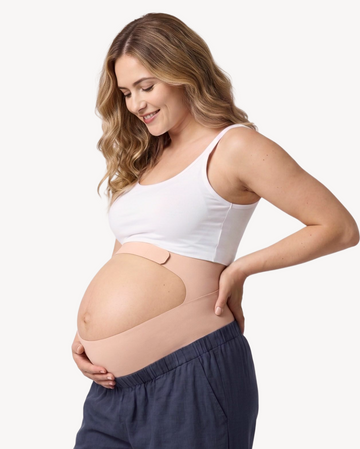
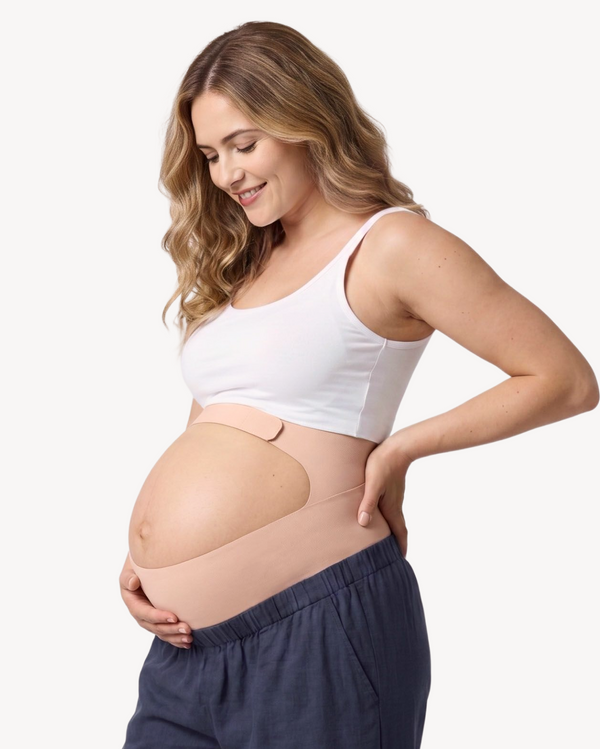
Supportive Wear: In some cases, the additional weight of the 3rd trimester is the primary cause of pain. A lot of moms resort to the use of maternity support bands. The Momcozy Ergonest Maternity Belly Band is meant to redistribute the weight, relieve lower back pain, and give the belly a slight lift- to make daily routines a bit more comfortable.
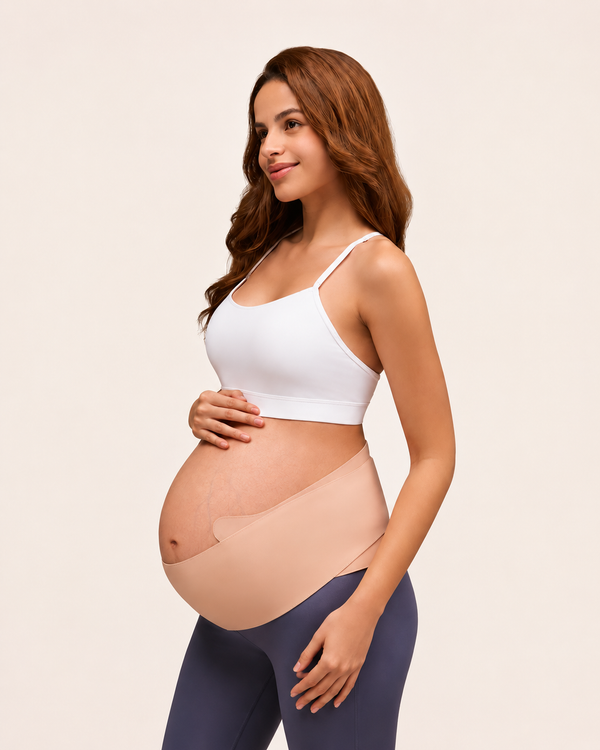
And Momcozy's new product - Momcozy Go As You Grow™ Maternity Belly Band is designed for the moments your body needs extra support the most, especially with a fast-growing bump. Its integrated 3-zone support system redistributes weight across your body to boost overall comfort, while the 2.0 Ergonest Support Structure™ with dual-side stays helps relieve back fatigue during the late stages of pregnancy.

- Change Positions: Staying in the same position, whether sitting or squatting, can be challenging for your muscles. Sitting with more pillows on one side or switching sides throughout the day may help relieve abdominal pressure.
- Gentle Warmth: A warm (not hot) bath or shower or heating pad (low setting) will help cramped ligaments and muscles to relax, which will assist in eliminating cramp-like feelings.
- Light Movement: Light , walking yoga, or prenatal yoga facilitates circulation and flexibility, eliminating tension that may build up in the lower back and belly.
- Healthy Digestion: Period-like cramps can be mixed up with constipation and bloat. Fiber-rich food, physical activity, and a high level of fluid intake can help make sure that your digestive system functions properly.
When Should I Worry About Cramps in the Third Trimester?

You usually do not need to worry about mild cramping, but there are occasions when it can be an indication of a more concerning problem. Contact your doctor or midwife immediately if you see you see any of the following:
- Regular, Increasing Contractions: Contractions of regular frequency and becoming more intense, which may indicate preterm or active labor.
- Vaginal Bleeding or Spotting: The Vaginal bleeding, which is accompanied by cramps, may be a symptom of certain complications like placental problems.
- Fluid Leakage: This is a burst of fluid or a slow flow of fluid that could indicate the breaking of water.
- Severe or Persistent Pain: Acute or unresolved cramps that are not relieved with rest or fluid intake require contacting a medical professional.
- Accompanied by Back Pain or Pressure: Contractions that are accompanied by lower back pain, consistently, can be a symptom of labor.
- Fever, Chills, or burning with Urination: These can point to an infection, such as a urinary tract infection (UTI), that needs treatment.
Go with your gut. Whenever something doesn’t feel right, it is always safer to visit your healthcare provider and have them prescribe the treatment needed or be reassured there in no need for intervention.
Braxton Hicks vs. Contractions
As you get closer to delivery, during the third trimester, you may experience tightness in your belly to an extent that you may be doubting yourself: Is this really labor or is it just my body rehearsing? The existence of Braxton Hicks contractions, also known as false labor, may be similar to early labor aches, but there are several differences to consider.
|
Feature |
Braxton Hicks (“Practice” Contractions) |
True Labor Contractions |
|
Timing |
Irregular, come and go unpredictably |
Regular, grow closer together over time |
|
Strength |
Usually mild, don’t increase in intensity |
Gradually get stronger and more painful |
|
Duration |
Often short and inconsistent |
Typically longer (30–70 seconds) |
|
Relief |
May ease with hydration, rest, or position changes |
Continue despite rest or movement |
|
Location of Sensation |
Mostly in the front of the abdomen |
Often starts in your lower back, then moves to the front of your abdomen |
|
Other Signs |
No major changes |
May be accompanied by backache, pressure, or water breaking |
FAQs

Is it normal to feel like I am having period cramps in the third trimester?
Yes, there may be normal period-like cramps during the third trimester. They can be Braxton Hicks contractions, distended belly ligament cramps or even digestive cramping. But when cramps are severe, frequent or accompanied by blood loss or fluid discharge, call your doctor.
Do period-like cramps mean labor is near?
Not always. On some occasions, cramping is simply a natural process of preparing your body to give birth. However, the frequent, progressively severe cramps, which do not subside with rest, are possible indicators that labor has begun. It is possible to predict when the cramps are moving towards actual contractions using timing.
Why do I feel like I’m on my period in my 3rd trimester?
That period feeling is normally due to tightening of the uterus, the extra pressure that your growing baby puts on it or due to the stretching of ligaments. The sensation can be similar to menstrual cramps due to hormonal and digestive changes as well.
Do Braxton Hicks feel like period cramps?
Yes, the majority of women say the Braxton Hicks contractions are simply cramps, feeling like a period, or a tightening of the belly. The difference is that Braxton Hicks are sporadic and can usually be alleviated through hydration or rest but they are not actual labor contractions.
Conclusion

Period-like cramps during the third trimester tend to be normal and related to the Braxton Hicks contractions, stretching of the ligaments or digestive alterations. Such simple things like hydration, rest, light activity or a supportive belly band can reduce pain. However, cramps may mean that the body is ready to deliver the baby, and these may start with dehydration or stretching of the ligaments. These contractions may be worse and cannot be relieved by rest, which may be a symptom requiring medical attention.








