


Pregnancy belly shape and size vary a lot. Many plus-size women notice changes later because existing abdominal tissue can hide early uterine growth—but timing varies widely.
An overweight plus-size pregnant belly may depend on the person's body structure, length, amount of muscle mass, number of deliveries, and the fetus's placement, among other factors. How your bump looks on the outside does not reliably tell you how your baby is growing. Prenatal visits, fundal height measurements, and ultrasound checks—not belly size or shape—are the best way to track fetal growth.
Doctors, nurses, and other medical professionals don't use a person's appearance to judge how far along they are in the pregnancy, but instead use their knowledge along with prenatal exams, fundal-height measurements, an ultrasound scan and other diagnostic techniques to evaluate a patient's condition. (ACOG)

When Do Plus-Size Women Show in Pregnancy?
There is no particular week when all pregnant women begin to show, but many report becoming more obvious in the second trimester. This can be different for everyone.
Your womb is still low in the first trimester, making it hard to tell how far along you are. Secondly, your womb will start to rise up and out as your pregnancy progresses, which will make you start to look pregnant.
Existing abdominal tissue may make this progression less apparent at first. Those who have previously been pregnant may also display abdominal muscles and tissues that have been stretched out before.
The main issue is that an overweight and pregnant belly cannot be used to determine how the fetus is developing and growing. It is best to go to prenatal appointments to track growth.
What Are the Common Shapes of an Overweight Plus Size Pregnancy Belly?
Pregnancy bellies have various shapes. All the following terms are informal terms and should not be used for medical diagnosis.
D-Shape
A D-belly often looks fuller and more rounded from the side, with a straighter upper profile and a rounded lower curve—like the letter D. The belly button is usually round and sticks out slightly.
B-belly
A B-belly is characterized by an indentation at the center of the belly area, giving it a B-shape on the sides. It can be seen in women with different body mass indices and is commonly linked with higher amounts of abdominal adipose tissue. A B-belly alone is not a concern.
Round or forward-facing bump
Some people have a round bump that mainly sticks out at the front. Others have bumps that are more spread out, higher or lower.
Plus Size Pregnancy Belly: What Influences Your Belly Shape
Several factors can contribute to the appearance of a fat and pregnant bump, including:
- Body composition before pregnancy
- Height and torso length
- Abdominal muscle tone
- The number of pregnancies
- The baby's position
- The number of babies being carried
Due to these variables, it is not helpful to compare a pregnant fat woman's belly to other people's pregnancies, as two healthy pregnancies can appear completely different.
Pregnant Fat Woman Belly: How to Embrace and Support Your Bump
Pregnancy causes natural expansion of your abdominal area, which may cause increased pressure on your back, hips, pelvis and abdomen. Some pregnant women might feel more comfortable with upper body support when standing, walking, or performing other daily tasks.
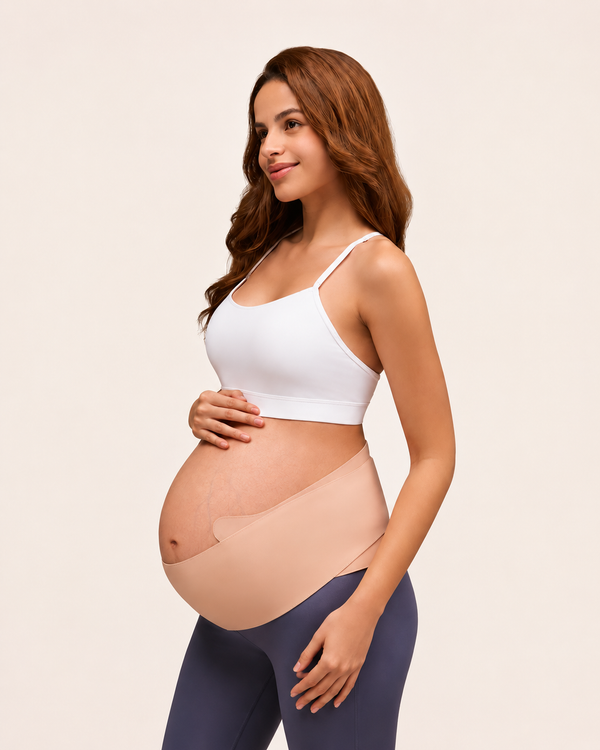
The Momcozy Go As You Grow™ Maternity Belly Band is designed to provide adjustable support as your belly grows. According to Momcozy, this maternity belly band is with inclusive sizing (L–3XL), adjustable shoulder support, and extra room for twins, rapid growth, or a heavier bump.

A maternity belly band should provide support and not be constricting. It is a comforter and not a cure for any pregnancy-related problems, and should be used as instructed. Take a look at the Momcozy belly band collection for reference.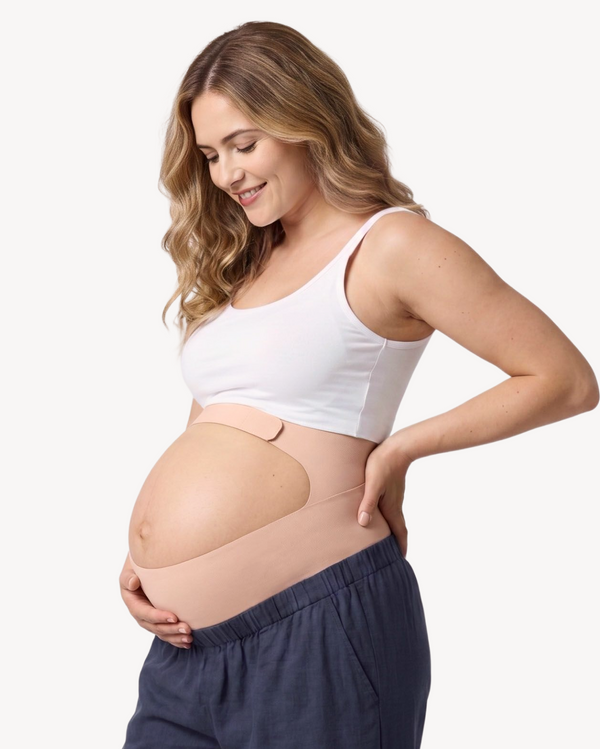
Weight Gain During an Overweight Plus Size Pregnancy
Pregnancy weight-gain guidelines are mostly based on the woman's body mass index (BMI) before becoming pregnant. For instance, pregnant ladies expecting one baby should not gain weight excessively as a result of their BMI. For a singleton pregnancy, CDC guidance suggests total weight gain of about 15–25 pounds if you started pregnancy overweight (BMI 25–29.9), and about 11–20 pounds if you started with obesity (BMI 30 or higher). (CDC)

Is Gaining 40 lbs During Pregnancy Too Much?
It depends on your pre-pregnancy BMI. For a singleton pregnancy, CDC guidance suggests about 25–35 pounds total if you started at a normal weight, about 15–25 pounds if you started overweight (BMI 25–29.9), and about 11–20 pounds if you started with obesity (BMI 30 or higher).
If you began pregnancy overweight or obese, gaining 40 pounds is usually above the recommended range. That does not automatically mean something is wrong, but it is worth discussing with your prenatal care provider—especially if the gain happened quickly or you have other symptoms.
Talk with your provider about any noticeable weight gain or loss rather than trying to manage it on your own.
Is It Normal to Gain 70 lbs While Pregnant?
Seventy pounds is substantially higher than the recommended amount of weight to gain for most singleton pregnancies. It does not necessarily mean that there is something wrong; still, it may be a subject that you would want to bring up with an obstetric provider. Putting on extra weight is something that can happen with certain pregnancy complications. (ACOG)
What Trimester Do You Gain the Most Weight?
Weight gain is usually minimal during the first 12 weeks of pregnancy and begins to increase progressively during the second and third trimesters. ACOG notes that it is common to gain one and a half to five pounds or experience no weight gain at all in the first twelve weeks. (ACOG)
Can I Lose Fat While Pregnant If I'm Overweight?
During pregnancy, it's not a good idea to go on a diet to try to lose weight. You should try to eat healthy foods plus get plenty of exercise. It's normal to gain a certain amount of weight during pregnancy.
The ACOG advises making dietary changes based on individual factors because every woman has different nutritional needs and different concerns for her pregnancy. (ACOG)
Fat and Pregnant Belly: When to Seek Medical Advice
A fat and pregnant belly is usually nothing to worry about; however, some signs should not be ignored just because the woman is overweight.
Seek medical care right away if you have severe pain, vaginal bleeding or fluid leakage , vaginal bleeding or fluid loss, regular painful contractions, severe headaches, visual disturbances, swelling, shortness of breath, chest pain, or lack of fetal movement later in the pregnancy.
In addition, obesity has greater risks of gestational diabetes, hypertension, preeclampsia, and other conditions, so obesity also requires closer prenatal supervision. (ACOG)
FAQ
Does Having a B Belly Affect Pregnancy?
A B-belly's shape is not indicative of anything about the pregnancy itself. Bodies can take a variety of shapes and sizes, and prenatal care is more important than the appearance of the belly.
Can a 300 lb Woman Get Pregnant?
Yes, there is no specific weight at which becoming pregnant becomes impossible. However, higher weights can sometimes be correlated with greater difficulty becoming pregnant and risks during pregnancy, so it's worth noting as a factor before becoming pregnant.
Can a 400 lb Woman Get Pregnant?
It is possible for a woman to get pregnant at any weight. However, it is important to note that women with a high body mass index (BMI) may experience higher risks during the pregnancy. Please consult your doctor about your medical history and pregnancy options.
Is 200 lbs too heavy to get pregnant?
There is no specific weight at which women cannot get pregnant. Height, weight, body mass index (BMI), age, reproductive health, and other factors all contribute to pregnancy possibilities.
Can I Lose 20 lbs While Pregnant?
Spontaneous weight loss during pregnancy is discouraged; a prenatal provider can recommend a diet and exercise plan.
Is it hard to feel a baby kick if you're overweight?
Some people who are overweight may have a harder time feeling early kicks due to deeper abdominal walls. However, after feeling regular fetal movement, any change should be brought to your doctor's attention as soon as possible.
Conclusion
A fat pregnant bump, overweight pregnancy bump or fat pregnant belly can take on many forms. D-shaped, B-shaped, round, broad, high and low bumps are all common.
Instead of obsessing over 'normal' pregnancy bulges, focusing on prenatal care, healthy weight gain and eating, exercise, fetal development and general comfort is more important. A maternity belly band that's the right size and that offers extra support as your belly grows can be helpful too.
Every belly is different, and there's no "right" or "wrong" way for your bump to grow.








