The pitcher method for breast milk combines milk from several pumping sessions in one clean, covered container in the fridge. For a healthy, full-term baby at home, chill each fresh batch separately before adding it. Label the pitcher with the date and time of the oldest milk inside. Transferring milk or adding another batch never starts a new storage clock.
What is the pitcher method for breast milk?
Say you pump before work, again at lunch, and once more in the afternoon. Instead of making up three bottles of different sizes, you can chill those portions, combine them, and pour the amounts your baby usually takes. The method is handy when a caregiver needs several bottles ready for tomorrow or when each session yields a little more or less than one feeding.
Some families empty the pitcher every evening. Others keep individual containers because they prefer to know exactly which session a bottle came from. Think about the job you want the container to do. If you express just once while your baby is away, pouring that milk straight into a clean feeding bottle for refrigeration might already be the simplest option.
The InfantRisk Center’s pitcher method guide describes pooling over a day. That day is a convenient organizing period. It doesn’t mean a pitcher can sit on the counter for a day or that every kind of milk has 24 hours left once it goes into the fridge.

What container and labels do you need?
Choose a clean, food-grade glass or plastic container with a tight-fitting lid. A small container that fits on an interior refrigerator shelf is often easier to lift and pour than a full-size drink pitcher. Check whether you can take the lid apart for washing, reach into the corners, and pour a small portion without spilling.
Set up a label you can read at a glance
Use a removable label or tape that stays attached when cold. Write “Oldest milk” followed by the date and time. If more than one person prepares bottles, agree on that wording. A caregiver who sees just “Tuesday” might reasonably think it means the day to serve the milk when you meant the day you pumped it.
A clean second container for cooling new milk is just as important as the pitcher. It gives you somewhere to put warm milk when you walk in the door. Make a little space on the same shelf so anyone helping with bottles can tell which container is still cooling.
How do you combine milk from different pumping sessions?
The essential steps are to cool each portion, combine only eligible chilled milk, and carry the oldest expression time forward. The CDC’s guidance on combining expressed milk explains why adding warm milk directly could rewarm an older batch.
- Wash your hands and start with clean pump parts and clean containers.
- After pumping, cover the fresh portion, note when you expressed it, and refrigerate it promptly.
- Once the new portion is chilled, check both dates before adding it to the refrigerated pitcher.
- Keep the date and time of the oldest portion on the pitcher. Replace the label only if it needs correcting.
- Pour a feeding portion into a clean bottle and return the covered pitcher to the fridge promptly.
- When the pitcher is empty, wash it and its lid and let them dry thoroughly before starting a new batch.
What about milk collected during a letdown?
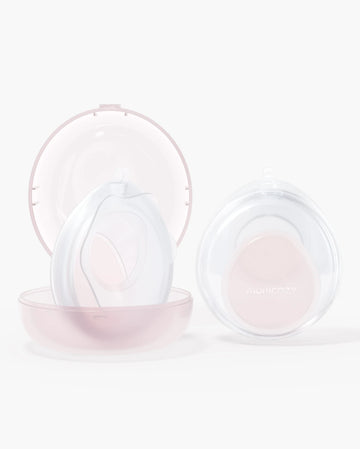
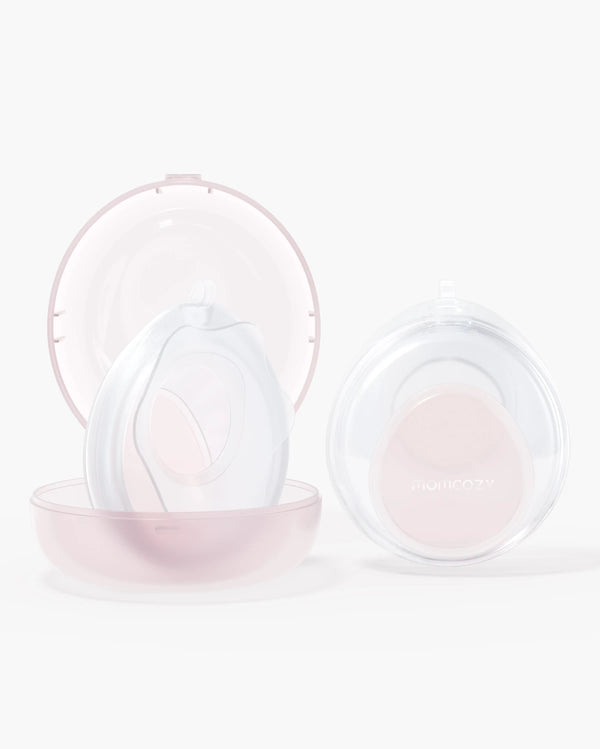
An electric breast pump actively expresses milk. A Momcozy Waterdrop Breast Milk Collection Shell sits inside a nursing bra and catches natural leakage. Its soft silicone edge and slim shape are designed for wearing, and the collected milk needs its own handling decision before it goes near the pitcher.
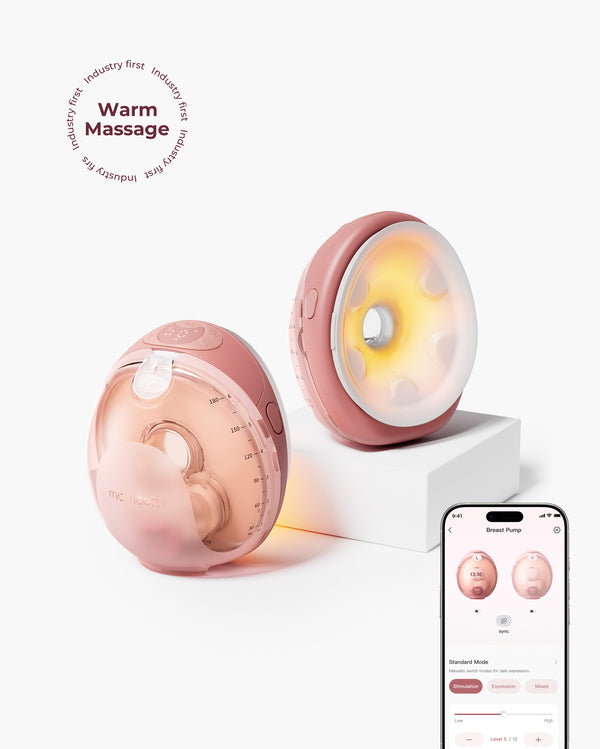
Member price
From$209.99$329.99
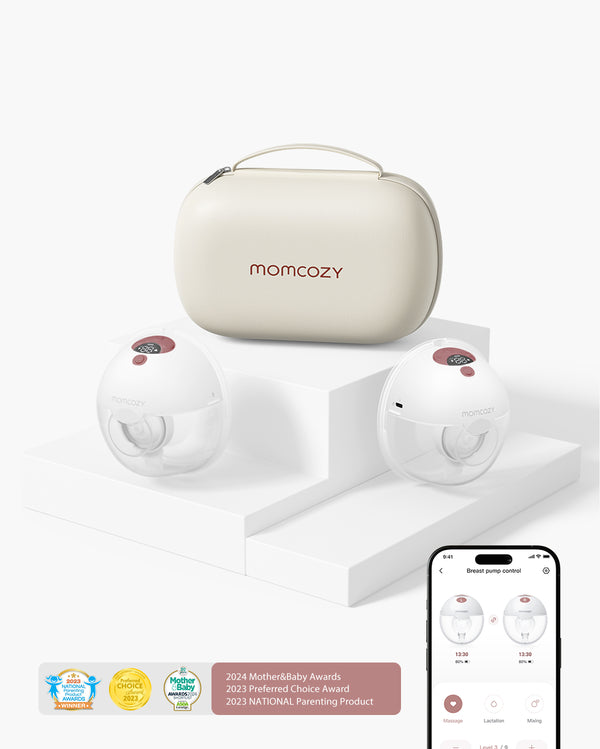
Member price
From$83.99$119.99
If you have worn a shell for a while and can’t tell when the milk collected or how long it stayed warm against your skin, keep it out of the pooled batch. Follow the collection shell instructions for handling milk intended for feeding. A clear collection time, a clean container, and prompt cooling matter whether you collect a small amount or fill an entire bottle.
How long can pooled breast milk stay in the fridge?
For freshly expressed milk refrigerated at 40°F (4°C) or colder, the CDC gives an upper limit of four days. Work from the oldest milk in the pitcher. Keep the container toward the back of the refrigerator, where the temperature is more stable than in the door. See the CDC storage and preparation guide for the conditions that go with each limit.
| What went into the pitcher? | Which label applies? | What happens next? |
|---|---|---|
| Monday 8 a.m. milk, promptly chilled | Monday, 8 a.m. | This is the oldest portion. |
| Monday 2 p.m. milk, cooled separately | Still Monday, 8 a.m. | The afternoon addition doesn’t extend the limit. |
| Two bottles poured Tuesday morning | Carry Monday, 8 a.m. onto each bottle. | Their storage history goes with them. |
Why previously frozen milk needs a different label
Milk thawed completely in the refrigerator has a shorter window: use it within 24 hours of complete thawing. That clock begins when the last ice crystals disappear. Keeping thawed milk in a separate, clearly marked container avoids accidentally assigning it the longer fresh-milk limit. Never refreeze milk that has completely thawed.
If you won’t use fresh milk within its refrigerator window, plan to freeze suitable portions sooner. For an overview you can share with a caregiver, use this breast milk storage time chart. For milk that has just been expressed at work, this guide covers the first steps after pumping.
How do you pour bottles when the fat separates?
A creamy layer on chilled milk is normal. Gently swirl the closed container to bring the layers together before pouring a feeding portion. A smaller starting portion can help when your baby’s appetite is unpredictable; a caregiver can offer another small amount from the fridge if needed.
Once a baby has drunk from a bottle, keep its remaining milk separate. The CDC advises using that leftover milk within two hours after the baby finishes feeding and discarding it afterward. Pouring it back would expose the rest of the pitcher to milk that has been in contact with the baby’s mouth.
Is the pitcher method the same as the fridge hack?
The pitcher method concerns milk you’ve already collected. The “fridge hack” refers to putting used breast pump parts in the refrigerator between sessions. Cooling the milk doesn’t clean a flange, valve, or collection cup. The CDC recommends cleaning milk-contact pump parts after each use. If washing at work is difficult, packing a second clean, dry set can make the next session simpler.
When should you keep sessions separate?
If your baby was born prematurely, is hospitalized, or has a condition that affects immune function, ask the care team how they want milk collected and labeled. A hospital may need the exact date and time of each session. Keep portions separate until you know the instructions.
Also keep a batch separate if you don’t know when it was pumped, if you’re uncertain whether it stayed cold during a commute, or if your clinician asked you to identify milk from specific dates. Adding a questionable portion to the pitcher makes the history of every serving harder to establish.
Frequently asked questions
How long can breast milk stay in the pitcher?
For freshly expressed milk kept at 40°F or colder, count up to four days from the oldest expression. A daily pitcher routine can help you remember to portion the milk, but neither washing the outside of the pitcher nor transferring the contents extends storage time.
Can I mix warm milk with cold milk in the pitcher?
Cool the new portion first in a separate covered container. If you often pump into a bottle at work, refrigerating that bottle and combining it later may be easier than bringing the pitcher out each time.
Can I add milk left in a bottle after a feeding?
Keep it out of the pitcher. Follow the shorter leftover-milk window for that bottle and offer a fresh portion when needed. If a lot routinely comes back, pour a smaller amount to start.
Is the pitcher method safe for premature babies?
Ask your baby’s clinical team before pooling milk. Tell them whether you’re preparing milk for hospital delivery or feeding at home after discharge. Their instructions may differ from general guidance for healthy full-term infants.
What container should I use?
Choose clean food-grade glass or plastic with a securely fitting lid. You should be able to wash and dry every part. A wide opening, a comfortable grip, and an easy-to-read date label are more useful than a container marketed specifically as a breast milk pitcher.