


If you're trying to figure out how to combine breastfeeding and pumping, you're definitely not alone. Many moms mix both to get the benefits of breastfeeding while still having the flexibility to pump when needed. Whether you're back to work or just need a break, figuring out a way to balance the two can make life a little easier for both you and your baby. Nurse when you are together. Add pumps that match the goal — a small stash, a replaced feed, or a work day — instead of extra sessions for their own sake.
This page is general education for U.S. families. It is not a diagnosis, it is not individually signed by a named clinician, and it does not replace care from your pediatrician, OB-GYN, or an IBCLC. Full sources: CDC breast milk storage and preparation and Healthline’s combining breastfeeding and pumping overview (used here as a SERP comparison, not a prescription).
Key Takeaways
- How to combine breastfeeding and pumping: keep the breast first when you are with the baby, then add one or two extra pumps — or replace missed feeds — based on your goal.
- Many lactation teams suggest waiting until nursing is going reasonably well (often around 3–4 weeks) before a regular stash routine, unless a clinician says to start sooner.
- After a feed, a short pump can still be useful even if ounces look small. Waiting 30–60 minutes is optional when you want a fuller bottle — not a rule that applies to every goal.
- You can nurse on one side and pump the other if it is comfortable. Stop if latch or safe handling suffers.
- More pumping is not always better. Extra sessions can create oversupply, engorgement, or a tired mom.
What Combining Breastfeeding and Pumping Means
Combi feeding, or mixed feeding, is when you combine breastfeeding with bottle feeding, either with expressed breast milk or formula. The main idea is to alternate between nursing directly from the breast and giving your baby expressed milk from a bottle. This approach lets moms keep giving breast milk while having the flexibility to manage other things, like work or personal time.
For this keyword, the job is nursing plus a pump. Formula can still be part of a family’s plan — that is mixed feeding too — but mixing formula in the same bottle is a different how-to. Triple feeding (nurse, offer a top-up, then pump) is a short-term clinical plan an IBCLC or pediatrician may use when transfer or weight is a concern. It is not a lifestyle combo you should copy from a blog every feed.

Why Combine Pumping and Breastfeeding?
Combining pumping with breastfeeding offers advantages for both mother and baby:
- Breast milk production works on a supply-and-demand basis. The more milk removed, the more milk your body may produce. Pumping after breastfeeding can signal extra demand. It can also overshoot if you add too many sessions. There is no guarantee of a higher supply.
- Combining both practices allows mothers to be away from their babies without compromising their baby’s breast milk intake. This is especially helpful for working mothers or those who need to be away for extended periods.
- If you are uncomfortably full after a feed, a short pump or hand expression for comfort can take the edge off. That is not the same as pumping until dry, and it does not prevent clogged ducts or mastitis.
- Pumped breast milk gives partners the chance to bond with the baby by feeding, which can provide a much-needed break for the breastfeeding mother.
- For working mothers, combining breastfeeding with pumping allows for continued milk feeds even when they're away from the baby.
When to Start Pumping While Breastfeeding
If your goal is a small freezer stash and latch is going okay, many U.S. lactation teams suggest waiting until breastfeeding looks reasonably settled — often around 3 to 4 weeks — before a regular extra-pump routine. That is a common starting point, not a law. Newborn days are messy. Cue-based nursing still comes first.
Start sooner if a clinician asks you to: NICU or other separation, a baby who is not transferring well, or a return-to-work date that will not wait. How to start pumping while nursing: pick one short session, often after a morning feed when many moms see a little extra, and repeat that same slot for a few days before adding another.
How to Combine Breastfeeding and Pumping
Short answer: breastfeed first when you are together, then add pumps that match the goal. Combining breastfeeding and pumping takes planning, not perfection.
- Start by breastfeeding your baby so your baby gets the latch and the milk they came for. Then pump if you still need a bottle for later or a little extra stimulation — not because every breast must be “fully empty.”
- Create a routine with both breastfeeding and pumping. For example, you can breastfeed on demand and add one or two pumping sessions a day to build up a stash for when you're away.
- When you are away, pump near the feeds you missed instead of guessing at random extra sessions.
- Consider using a silicone collector while breastfeeding to catch let-down from the other side if that milk would otherwise soak a pad. Optional, not required.
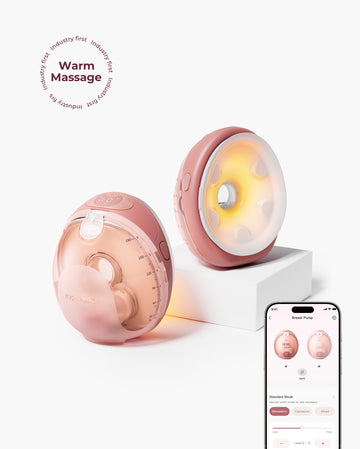
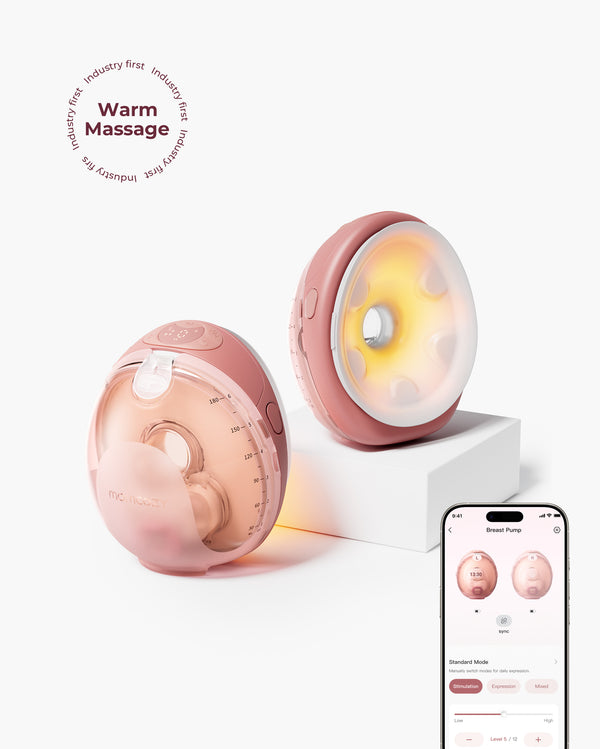
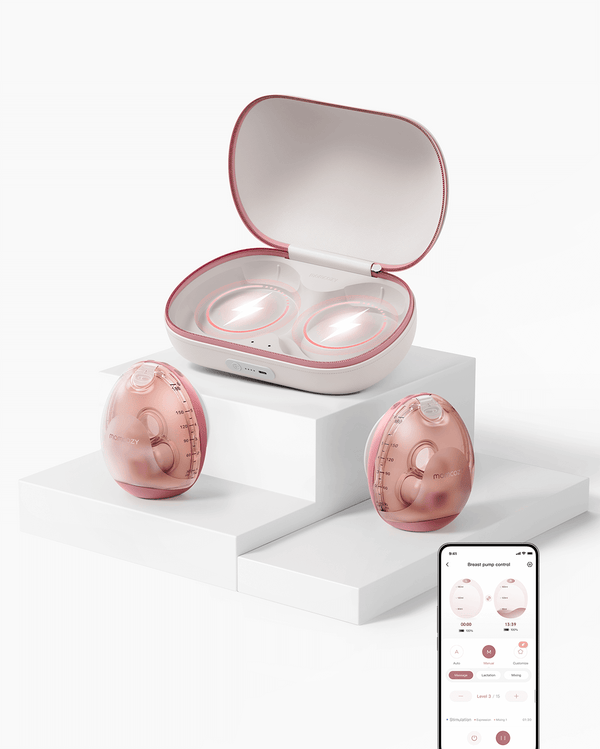
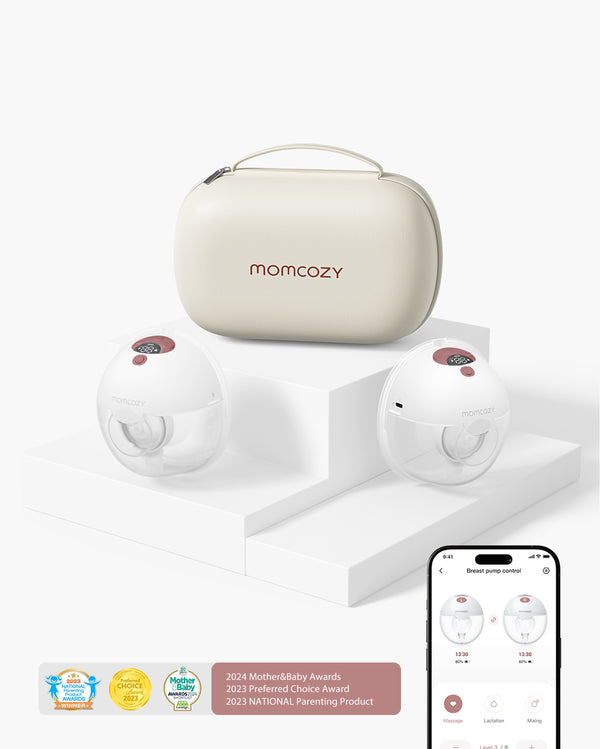
A wearable is only a way to keep those extra or replaced sessions without sitting at a wall outlet. Momcozy sells wearable breast pumps as optional scheduling tools. They do not treat, cure, or prevent low supply, clogs, or mastitis. The Momcozy Air 1 Ultra-slim Breast Pump is a slim, no-heat cup some moms use for a short after-feed or same-room session. If a work-day clock matters, the Momcozy M5 Smart Wearable Breast Pump can run replaced-feed sessions and optionally log ounces — logging is a record, not a treatment. After a feed, if warmth helps let-down and the breast is not hot or red, the Momcozy Wellness 1 Warm-Massage Wearable Breast Pump can use warmth and a gentle rhythm as a comfort aid. Skip heat and massage modes if the breast is inflamed. Use a comfortable suction and a flange that does not rub.
For a fuller clock-vs-cue walkthrough, see breastfeeding and pumping schedule. The tables below are starting examples, not prescriptions.
Member price
From$263.99$329.99
Member price
From$101.99$119.99
Sample schedule: at-home stash
Below is an example of a balanced schedule for combining breastfeeding and pumping when you are mostly home. Breastfeeding is prioritized, and pumping sessions are added after some feeds to build a small stash.
| Time | Activity |
| 6:00 AM | Breastfeed |
| 7:00 AM | Pump (short extra; ounces may be small) |
| 9:00 AM | Breastfeed |
| 12:00 PM | Breastfeed |
| 1:00 PM | Optional second pump if you still need bottles |
| 3:00 PM | Breastfeed |
| 6:00–8:00 PM | Breastfeed / put baby to bed |
| 10:00 PM | Optional pump if evenings are your only quiet slot |
Sample schedule: work day
Pump near the feeds you miss. Exact clock times flex with commute and baby age.
| Time | Activity |
| Before leaving | Breastfeed |
| Mid-morning | Pump (replaced feed) |
| Lunch | Pump |
| Afternoon | Optional third pump on longer days |
| After pickup | Breastfeed |
| Evening / overnight | Breastfeed on cues |
A newborn rarely matches a table. Follow hunger cues first, then park one extra pump in a repeatable hole — often after the first morning nurse — until a clinician or your return-to-work date asks for more.

How Long After Breastfeeding Should You Pump?
There is no single wait time. An earlier version of this page said wait 30 minutes to 1 hour, then also said pump right after nursing, then said pump immediately in the FAQ. Those cannot all be rules. Match the gap to the goal.
- Small stash or extra stimulation: A short pump after a feed is still useful even if you only see a little milk. The baby already took their share. You do not need to wait for a refill if the point is the extra removal.
- A fuller bottle: Waiting about 30–60 minutes after a feed, or pumping between feeds, may give you more ounces because the breast has had time to refill. Optional, not mandatory.
- Replaced feed (you are away): Pump near the missed nurse — often every 2–4 hours during the work day, matching how often your baby usually eats.
- Do not pump right before a feed unless you are taking a tiny amount to soften a very full areola so baby can latch. A big pump before nursing can leave less for that feed.
How soon after pumping can you nurse? As soon as baby is hungry. Milk is still being made. Watch wet diapers and weight with your pediatrician, not one pump bottle.
How often you pump depends on your needs and goals. Aim to pump 1–2 extra times a day if you are home and building a stash. If you are away from your baby, most moms pump about as often as the baby would have nursed during that stretch. Pump for about 15–20 minutes per session, or until flow eases. Stopping when sprays slow is enough for many people. Chasing a bone-dry breast every time raises the chance of oversupply.
Can You Pump and Nurse at the Same Time?
Yes, you can pump and nurse at the same time, but it might take a little practice to get comfortable. Many moms find it handy, especially if they’re looking to collect let-down from the unused side or save a separate pumping block. You can nurse on one side and pump the other.
Switch which side gets the pump so one breast is not always the “pump side.” Hands-free or a wearable can leave a hand for the baby. A silicone collector is a gentler catcher of let-down if you do not want active suction on that side. Stop if latch suffers, you cannot hold the baby safely, or your back and wrists are done. Same-time pumping is optional, not a test you have to pass.
How to Support Milk Supply Without Over-Pumping
Protect supply by matching removal to what the baby actually needs over 24 hours — including bottles you send to daycare — not by adding forever-extra sessions. If ounces look scary after a nurse-then-pump, look at diapers and weight first. Signs your milk supply is dropping can help you tell a true dip from a fussy day.
- When you are away, pump near missed feeds so demand stays close to what the baby would have taken.
- Check flange fit. Uncomfortable suction is not “more efficient.” Stronger is not always better.
- Gentle breast compressions while you pump may move a little more milk. Skip aggressive massage and the live page’s “empty fully every time” language.
- Power pumping (a common sample is 20 minutes on, 10 off, 10 on, 10 off, 10 on) is an optional, short-term experiment some parents try if a clinician agrees supply needs a nudge. It is not a daily forever plan, and it can create oversupply. Ask an IBCLC before you live in that hour.
- Drink to thirst. Eat what you can. Food and water support you; they are not a clinically proven milk booster.
Recurrent engorgement, a hot red area, or flu-like chills is a clinician visit — not a reason to add another pump “just in case.” Basics on latch, gaps, and pressure also live in how to prevent mastitis.

What Are the Pros and Cons of Combining Breastfeeding and Pumping?
If you are considering the combination of breastfeeding and pumping, weigh the benefits and challenges:
Pros
- More flexibility in your schedule, especially for working mothers or those who need to be away from their babies.
- Pumping after some breastfeeds may encourage extra production if that is your goal — results vary.
- Partners and caregivers can help with feeding, allowing you to rest or focus on other tasks.
- Your baby still gets breast milk even when you need to be away.
Cons
- Pumping requires time and effort, which can be tiring when combined with direct breastfeeding.
- Over-pumping can lead to an oversupply of milk, which may result in engorgement, clogged ducts, or discomfort.
- Some mothers may find that they struggle to express as much milk as their baby takes at the breast, especially if they’re new to pumping. That is common. The pump is not a report card.
- More parts to wash. Paced bottle feeding (slow flow, pauses, more upright) may help some babies keep interest in the breast — it is a technique to try, not a guarantee.
How to Overcome Common Combo-Feeding Challenges
Balancing breastfeeding and pumping can be tough, and it’s normal to face a few challenges. Set realistic expectations and be kind to yourself. Getting support from family or a lactation consultant can help make the process easier.
- Some babies may resist the bottle. Try offering it during a calm time, use a slow-flow nipple, and let another caregiver offer the bottle while you are out of sight if that helps.
- If you’re struggling to express enough milk, try a different flange size or a more comfortable setting before you buy a new motor. Early ounces are often small. Consistency over a few days tells you more than one session.
- In the beginning, you might not get a lot of milk, and that’s okay. Focus on being consistent rather than pumping after every single feed unless an IBCLC asked for that.
Call the pediatrician if weight gain is off, wet diapers drop, or the baby is under 3 months with a fever. Call your own clinician or an IBCLC for painful latch, a hot red swollen breast, or a combo plan that is eating your whole day.
FAQ: Quick Answers to Common Questions
How do you combine breastfeeding and pumping?
Nurse when you are together. Add one or two extra pumps for a stash, or pump near missed feeds when you are away. Match the plan to the goal instead of emptying after every nurse.
Can I pump and breastfeed at the same time?
Yes, you can pump and nurse at the same time, but it might take practice. You can nurse on one side and pump the other. It is not the most comfortable setup for everyone. Try different positions or times of day, and stop if latch or safety suffers.
How long after nursing should I pump?
It depends. Right after a feed is fine for a small extra removal. Waiting 30–60 minutes may yield a fuller bottle. Pump near missed feeds when you are away. There is no single correct clock.
How often should I pump when nursing?
For a stash at home, 1–2 extra sessions a day is enough for many moms. When you are apart, pump about as often as the baby would have nursed. Pumping after every feed is usually a clinical plan, not a default.
When should I start pumping after birth?
For a routine stash, many teams wait until nursing is going reasonably well, often around 3–4 weeks. Start sooner if you are separated from the baby or a clinician asks you to. This page does not set your start date.
Will pumping after nursing leave less milk for the next feed?
A modest extra pump usually leaves the next feed intact because milk keeps being made. A large pump right before nursing can leave less for that latch. Watch the baby, not one bottle.
Can I combine milk from different pumping sessions?
Often yes, if you chill the newly pumped milk first, then add it to already cold milk, and follow CDC storage times (fresh milk: about 4 hours at room temperature 77°F or colder, up to 4 days in the fridge, about 6 months best in the freezer). Use the oldest date on the container. This is storage hygiene, not a reason to mix warm fresh milk into a frozen bag.
Is this the same as mixing breast milk and formula?
No. This article is how to combine breastfeeding and pumping. Mixing formula with milk in one bottle is a separate question — ask your pediatrician if that is your plan. Fed is best.
Conclusion
Mixing breastfeeding and pumping may take some trial and error, but it’s totally doable. The key is finding a routine that works for you—so don’t stress if it doesn’t click right away. With a little patience and consistency, you’ll be able to keep up your milk supply while gaining some much-needed flexibility.
Use a goal-based timing plan instead of pumping until dry after every feed. Wearable pumps are optional tools for the clock, not treatments. Ask an IBCLC or your pediatrician when latch, weight, or the schedule is not sustainable. Formula is acceptable if that is what feeds your baby this week.








