


Key Takeaways
- Baby fussiness is often temporary, but a sudden change, inconsolable crying, fever, poor feeding, or unusual lethargy needs medical guidance.
- Timing and context—feeding, diaper changes, stimulation, sleep opportunities, and routine changes—usually reveal more than crying intensity alone.
- Crying often increases during early infancy and may peak around six to eight weeks, although every baby’s pattern differs.
- An alert or sensitive temperament can intensify ordinary discomfort without meaning that the baby is unhealthy or the caregiver is responding incorrectly.
- When crying feels overwhelming, place the baby on a safe sleep surface, step away briefly, and ask a trusted adult for help. Never shake a baby.
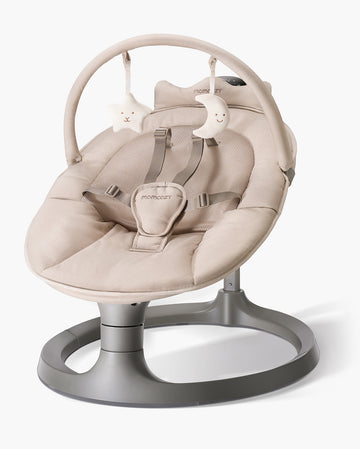
If you are asking, “Why is my baby so fussy?” begin with what is different today. Many fussy periods are part of normal early development, but behavior that is new, worsening, or accompanied by other symptoms deserves closer attention. Compare your baby with their usual baseline, then review the timing, feeding, diapering, environment, and any physical changes. A baby swing may be one part of a closely supervised calming routine while your baby is awake, but no product can identify or treat the reason for the crying.
Is My Baby’s Fussiness Normal—or Is It a Change From Their Baseline?
Fussiness may include grumbling, squirming, brief protests, repeated requests to be held, or difficulty settling. Crying is a normal way for a young baby to communicate hunger, discomfort, fatigue, overstimulation, or a need for contact. Inconsolable crying describes an episode in which the baby does not settle despite reasonable attempts to meet their needs. These terms describe behavior; they are not diagnoses.
Compare your baby with their own recent pattern, not with another infant. A baby who has always reacted strongly to transitions may have an intense temperament. A baby who is suddenly harder to wake, refuses feeds, cries differently, or cannot be comforted needs closer attention.
Normal feeding, alert periods, regular wet diapers, and settling at least sometimes are reassuring context, not guarantees of health. A calm baby seen at a café, parenting group, or on social media is not a useful benchmark for your own baby. Families dealing with intense crying may leave outings early or stay home, so the most settled babies are often the ones other parents notice in public.
What Changed? Start With a 24-Hour Pattern Check
Look back over the previous 24 hours before starting a longer diary. Ask when the change began and whether it followed travel, visitors, vaccination, illness exposure, a feeding change, a new caregiver, a disrupted routine, or a developmental transition. Then record one short, representative crying episode in more detail.
- Start and stop times
- What happened immediately before crying
- Whether the baby could be comforted
- Feeding, swallowing, latch, or bottle-flow changes
- Wet diapers and stool changes
- Sleep opportunities and long awake periods
- Temperature and accompanying physical signs
Contact a pediatric professional when symptoms persist, worsen, or appear concerning instead of relying on tracking alone.
Match the Fussy Pattern to the First Question to Ask
The same cry can appear in different situations. Use the pattern to choose the first question, not to diagnose the cause.
| Observed pattern | Possible context to check | First low-risk action | Escalation cue |
| Before or during feeding | Hunger cues, latch, milk flow, swallowing, position | Pause and observe the feeding pattern | Poor intake, choking, breathing difficulty, or dehydration signs |
| Soon after feeding | Need to burp, overfeeding, spit-up, reflux-like signs | Keep notes and follow routine pediatric guidance | Forceful or green vomit, poor weight gain, or severe pain |
| During diaper changes | Cold air, skin irritation, tight clothing, sensory sensitivity | Check skin, fit, temperature, and supplies | Spreading rash, fever, swelling, or severe tenderness |
| After busy awake time | Overstimulation or fatigue | Reduce light, noise, handling, and transitions | Marked lethargy or an unusual baseline change |
| At a predictable time | Normal crying curve or routine-related pattern | Arrange support before the usual window | Longer, worsening, or inconsolable episodes |
| Sudden and out of character | Illness, pain, injury, hair tourniquet, temperature | Perform a calm head-to-toe check | Fever, breathing trouble, limpness, seizure, or bulging fontanelle |
This table is an observation tool. A baby may have several contributing factors, and crying alone cannot confirm reflux, colic, allergy, infection, or another condition.
How Age and Development Can Change Fussiness
Crying often rises during the first weeks and may peak around six to eight weeks, but the timing and duration vary from baby to baby. Some parents notice more difficult periods at different points during early infancy; these variations are not fixed milestones or promised end dates.
Growth, greater alertness, social awareness, and changes in feeding or sleep may temporarily affect settling. A baby who once ignored household activity may begin reacting to faces, movement, or transitions.
Age provides context but should not override a sudden baseline change or additional symptoms. Learn more about how PURPLE crying differs from colic, including the usual crying curve and the signs that deserve closer attention.

Could Temperament or Sensory Sensitivity Explain the Intensity?
Some babies are highly alert and reactive. They may cry loudly, resist transitions, need longer to settle, or struggle to filter light, noise, movement, and touch. Parents sometimes describe them as going from calm to “zero to 100.”
Temperament describes response style. It does not prove pain, illness, poor attachment, or ineffective parenting. A cold wipe or abrupt handoff may produce a large reaction in a sensitive baby.
Still check for physical needs, feeding problems, and warning signs before attributing the reaction to temperament. Once those concerns are addressed, slower transitions, quieter settings, and fewer changes at once may help.
Which Everyday Needs Should You Check First?
Check hunger or fullness cues, burping, diaper status, clothing fit, skin irritation, room temperature, and need for closeness. Examine fingers, toes, and the diaper area for hair or thread wrapped tightly around the skin. Look for pinching seams, damp fabric, swelling, or a new rash.
For fussiness around feeds, notice whether crying begins before latching, during fast flow, after swallowing, or near the end. If crying repeatedly begins during a feed, review the possible reasons babies cry while eating and note exactly when the behavior starts.
When crying mainly follows the move from your arms to a sleep space, read about why babies cry when put down.
How Can Timing and Environment Reveal the Trigger?
Review the hour before crying. Busy outings, visitors, multiple handoffs, bright rooms, background television, long awake periods, and routine changes can add stimulation. A sensitive baby may manage one factor but become overwhelmed by several.
Predictable evening crying and all-day fussiness are different patterns. Evening episodes may follow accumulated stimulation and fatigue. Fussiness across feeds, naps, changes, and quiet periods may signal a broader change. If the episodes occur mainly after sunset, read more about why newborns become fussy at night rather than assuming the same explanation applies to all-day crying.
Some babies protest in strollers, carriers, car seats, cafés, or groups, leaving caregivers feeling confined at home. Try short, flexible outings and allow yourself to return early.
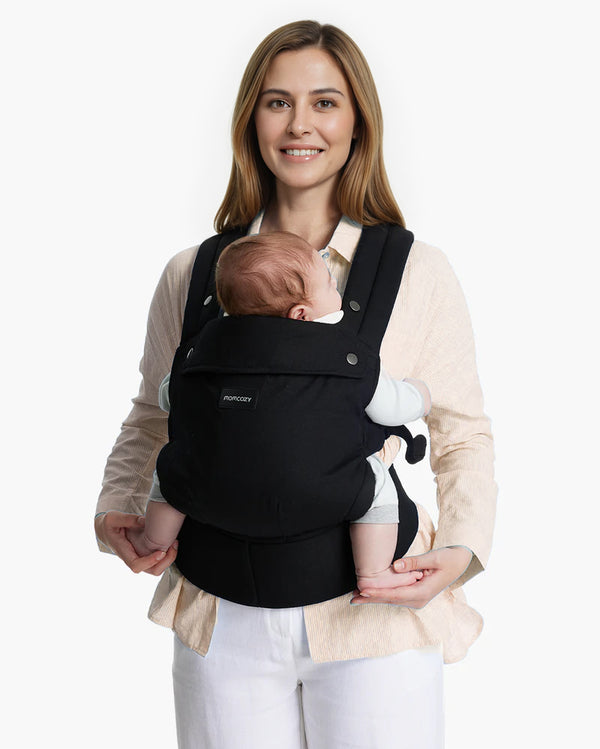
To reduce unpredictable household noise at home, a baby sound machine can provide consistent background sound in a lower-stimulation setting. Use the lowest effective volume and place the sound machine well away from the baby. Never put or attach it inside a crib, bassinet, or play yard, and follow the manufacturer’s placement instructions. When an awake baby needs closeness, an age-appropriate, correctly fitted baby carrier may support supervised contact. Keep the face visible, airway open, and chin away from the chest.

Member price
$59.99$99.99
What Should You Do When the Usual Comfort Measures Do Not Work?
Confirm that basic needs and urgent warning signs have been checked. Then change one factor at a time: position, stimulation level, caregiver, location, or gentle motion. Changing everything together makes it harder to see what affected the pattern.
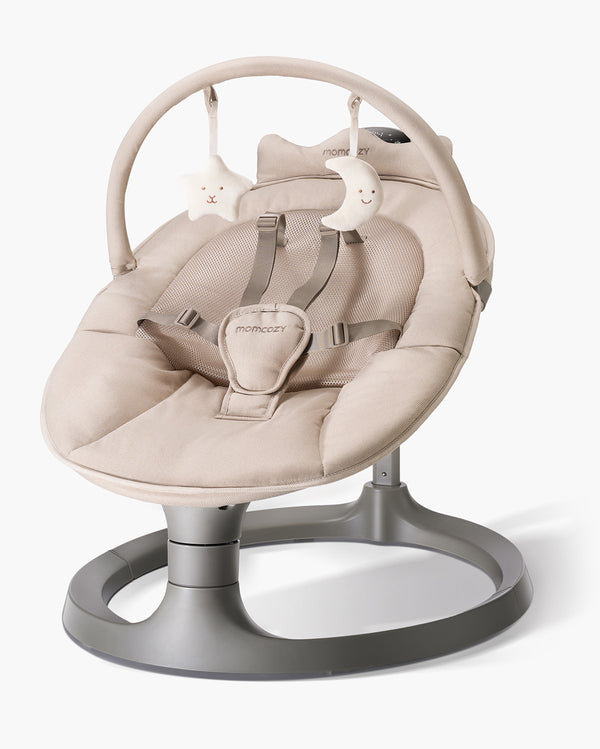
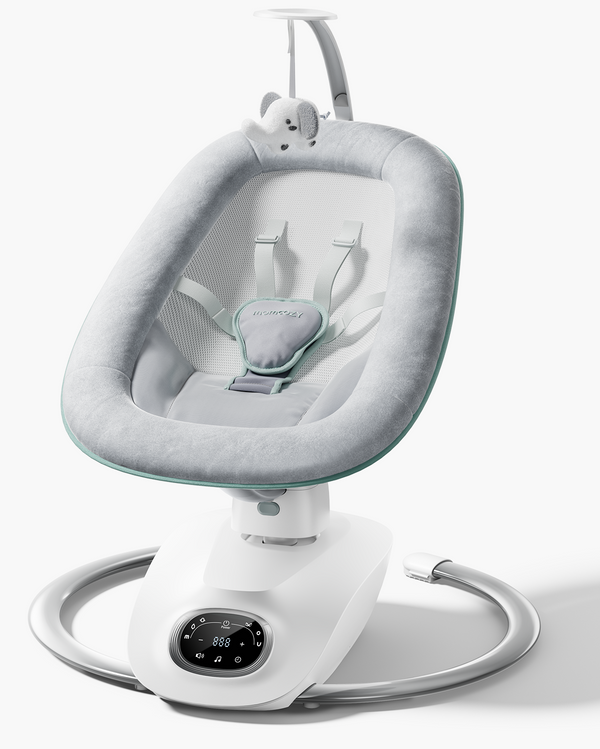
A baby swing is one optional tool for short periods of supervised awake-time soothing. Use it only within the manufacturer’s stated age and weight limits, secure the harness correctly, place it on a stable surface, and follow all setup and use instructions. A swing is not a sleep space. If your baby falls asleep, move them promptly to a firm, flat, approved surface on their back.
For step-by-step calming techniques, learn how to use the 5 S’s or review ways to help a fussy newborn settle for sleep.
When Does Fussiness Need Medical Attention?
Contact a pediatric professional promptly if fussiness is sudden, unusual, worsening, or accompanied by fever, poor feeding, fewer wet diapers, repeated vomiting, a spreading rash, breathing difficulty, unusual sleepiness, limpness, seizures, or difficulty waking. A temperature of 100.4°F (38°C) or higher in a baby three months or younger also needs immediate medical advice.
Persistent inconsolable crying, a new high-pitched cry, or your sense that something is wrong also justify a call. Crying cannot diagnose colic, reflux, allergy, infection, injury, or a neurological condition.
Separate guides explain what to check when a baby begins crying inconsolably without warning and what a high-pitched baby cry may mean.
How Can Caregivers Cope Without Feeling Like They Are Failing?
Intense crying can bring grief, frustration, comparison, anxiety about crying in public, canceled plans, and the sense that home is the only manageable place. These reactions reflect a demanding situation, not failed parenting.
Public comparison can distort reality. In busy settings, calm babies may be more visible, while families having a hard day may choose to leave early or stay home. Keep plans small and flexible, share care when possible, and ask for specific help such as food, a shower break, or one feeding. Ear protection may reduce sound intensity but must preserve awareness and supervision.
If anger or panic rises, place the baby on their back in an empty crib, bassinet, or approved sleep space. Step away briefly and contact someone you trust. Never shake a baby.
Persistent sadness, anxiety, hopelessness, or thoughts of harming yourself or the baby need prompt professional support. Seek emergency help for immediate danger.

FAQs About a Fussy Baby
Q1. Can a Vaccination Make a Baby Temporarily Fussier?
Yes. Brief fussiness, sleepiness, or discomfort can occur after vaccination. Follow your pediatric professional’s aftercare advice and seek guidance for severe, worsening, or unexpected symptoms.
Q2. Why Does My Baby Cry During Diaper Changes Without a Visible Rash?
Cold air, sudden handling, hunger, fatigue, or touch sensitivity may contribute. Warm the room, prepare supplies first, move slowly, and still check the skin carefully.
Q3. Can Clothing or Room Temperature Contribute to Fussiness?
Yes. Tags, seams, tight elastic, damp fabric, and an overly warm or cool room can cause discomfort. Check fit, skin marks, fabric bunching, and temperature.
Q4. Could a Hair Tourniquet Cause Sudden Crying?
Yes. Hair or thread may wrap around a toe, finger, or genital area. Seek urgent help if it cannot be removed easily or the skin is swollen or injured.
Q5. Can a Fast Milk Letdown Make a Baby Fussy During Feeding?
It can. Coughing, gulping, pulling away, or repeated relatching may indicate difficult flow. Pause, observe the pattern, and seek lactation or pediatric guidance if it continues.
Q6. Does Responding Promptly to Crying Spoil a Newborn?
No. Newborns depend on caregivers to meet needs and help them regulate. Prompt, calm attention does not spoil them, although it may not stop every crying episode.
Q7. Should I Record a Crying Episode for the Pediatrician?
A short recording may help describe the sound or movement. Record only when the baby is safe, and never let recording delay urgent care.
Q8. What Details Help During a Pediatric Call?
Share the baby’s age, when the change began, temperature, feeding, wet diapers, vomiting or stool changes, breathing, rash, alertness, consolability, and what differs from baseline.
Conclusion: Follow the Pattern and Respond to Warning Signs
When you wonder why your baby is so fussy, begin with what has changed from their usual behavior. Review when the crying happens, what comes before it, whether everyday needs have been met, and whether any other symptoms are present. Temperament and temporary developmental changes can make some periods more intense, but sudden, worsening, or unusual fussiness deserves professional guidance. Following the pattern can help you decide what to adjust, what to monitor, and when to seek help.








