An oversupply can feel like the opposite of a problem — until it is not. That extra milk often brings real discomfort: engorgement, clogged ducts, even mastitis, plus frustrated feeds for your baby. Knowing the signs and what to do is the first step back to comfortable breastfeeding.
An oversupply of breast milk is when your body makes noticeably more milk than your baby needs or can comfortably take — not just a large supply, but one that causes discomfort or feeding problems. Doctors call it hyperlactation. A practical signal is producing about 4–5 extra ounces per feed, or more than 30–40 ounces in 24 hours, beyond what your baby actually uses.
Key Takeaways
- Oversupply (hyperlactation) means making more milk than your baby needs or can comfortably take — not simply having a large supply.
- Common signs include a forceful let-down, frequent engorgement, a baby who coughs or gulps, and green, frothy stools.
- A practical threshold is roughly 4–5 extra ounces per feed, or 30–40+ ounces in 24 hours, beyond your baby's needs.
- Most early oversupply regulates on its own by 6–12 weeks; persistent cases respond to block feeding and position changes.
- Manage oversupply by easing stimulation — not by stopping breastfeeding.
What Is Oversupply of Breastmilk?
Oversupply of breast milk is a condition in which your body produces milk more than your infant can consume. Although it may appear to be a plus initially, such an imbalance may trigger problems between the mother and the baby. In moms, oversupply can result in breast engorgement, plugged milk ducts, and infections, including mastitis. In babies, it can lead to fussiness during feeds, gas and poor latch on, mainly because milk flows too quickly. Early detection and management of oversupply can help to have more comfortable and balanced breastfeeding.
Hyperlactation is the clinical term, and the real test is not the total amount you make — it is whether that milk is causing problems for you or your baby. The line between a generous supply and a true oversupply is covered just below.
Oversupply vs. a Normal (Generous) Supply: Where's the Line?
Knowing what is considered an oversupply of breast milk starts with one idea: a big supply is not automatically a problem. Many moms make plenty of milk and never feel pain or notice feeding trouble — that is a generous supply, not oversupply. The difference is function, not volume. Oversupply is when the amount regularly causes engorgement, leaking, a frantic baby, or feeding refusal.
The threshold we covered above marks the zone where supply shifts from "ample" to "too much." If your output sits in that range and you feel fine, you may simply have a strong supply. If those numbers come with discomfort or a struggling baby, it is oversupply. For a parent-to-parent view of the same distinction, the KellyMom oversupply guide is a helpful companion read.
What Are the Causes of Oversupply?
There is an oversupply of breast milk when the making machine in your body has received more of the supposed demand than is really necessary by your baby. This may happen because of the following reasons:
-
Overstimulation of the breasts – Regularly pumping in addition to nursing, or feeding far more often than necessary, can teach your body to produce excess milk.
-
Hormonal influences – Prolactin levels are high during the first weeks after birth, a natural result of which is a rich production of milk. In certain mothers, lactation at high frequency persists longer than the average.
-
Lactation mismanagement – A baby may alternate between breasts often during feed or always use the fuller breast, which increases the production rate in the other breast unnecessarily.
-
Natural variation – Some women are genetically better set up to produce more milk; they have more glandular tissue and storage capacity.
Pinpointing the underlying cause of oversupply is key to finding an effective and comfortable management plan.
How Breastmilk Oversupply Affects Your Baby
A good milk supply may appear to be a blessing, but in that case, an abundance of milk is something that can complicate the process of feeding your baby. Because of the overproduction, a strong, powerful, complex let-down reflex can leave your baby feeling overloaded, and it causes coughing, gulping, or rejection during nursing. Infants might take in excess air, making them gassier, fussier and likely to spit up. Oversupply could also suggest they have greater foremilk (more lactose) and less hindmilk (more fat), sometimes leading to green, frothy bowel motions and abdominal discomfort. This can also cause issues with digestion and feeding comfort in the long run.
For moms who need to pump and store milk as part of managing oversupply, having a reliable way to reheat bottles safely is essential. The Momcozy Superfast Portable Breast Milk & Water Warmer for Travel is a great option—it warms milk quickly and evenly, whether you’re at home or on the go, helping ensure your baby’s feeding experience stays comfortable even when you’re managing extra supply. When choosing a cooler, material quality is non-negotiable. Our product is made from safe, food-grade materials, providing a clean environment that offers peace of mind in every sip.
Breast Milk & Water
Fast Heating
Long Battery
Breast Milk & Water
Large Capacity
Portable
How Breastmilk Oversupply Affects You
Oversupply of milk in mothers can be both physically unpleasant and emotionally frustrating. Constant fullness in the breast may involve engorgement, tenderness and continual leakage, which will not only prove to be inconvenient but can also be painful. The extra stress can also bring about the increased risk of having blocked ducts and mastitis, which is a painful breast infection that normally needs to be treated. Sleep disturbance also comes in with the pumping and feeding a lot of the time, and stress trying to deal with a fussy baby at these times, which many moms have to experience. It can have long-term effects on your self-esteem and personal levels of confidence regarding breastfeeding. To ease some of the stress, many moms also rely on Momcozy’s baby monitors, which allow them to rest or pump with confidence while still keeping a close eye on their baby’s well-being.
How Is Breastmilk Oversupply Diagnosed?
Breast milk oversupply is not the result of a laboratory exam; a diagnosis is made based upon patterns of mother and baby, including the symptoms. Your healthcare provider or lactation consultant will consider the following signs: frequent engorgement, constant leaking, regularly forceful letting-down and struggling feeding by your baby (coughing, gulping, fussy at the breast). They can also enquire about your pumping routine, your feeding routine, and your baby's bowel movements. Diagnosis is basically a procedure of linking together these clues to establish whether your milk supply is more than required by your baby consistently.
How Is Breastmilk Oversupply Treated?
The treatment of oversupply is aimed at minimizing milk production painlessly and safely through breastfeeding without harming the mother or her infant. A lactation consultant or a healthcare provider can suggest the following methods:
-
Block feeding – Feeding on only one breast at a time, a fixed block of time (e.g., 2-3 hours), then switching the breast will help the body know that milk production needs to be slowed.
-
Adjusting pumping routines – Reducing unnecessary pumping or expressing only to a comfortable level helps avoid extra stimulation that fuels oversupply. If you need to express to comfort between feeds, a wearable such as the Momcozy Air 1 or W1 lets you relieve engorgement hands-free without overstimulating. For moms whose supply actually needs building, a big-host pump like the V3 (plug-in hospital-grade) or V3 Pro (portable/cordless) delivers the strong, consistent suction that establishes supply. The M5 Smart is already a hot topic on social media, praised for making the pumping process simpler, more comfortable, and far less and far less stressful.
-
Position changes – Nursing in relaxed or side-lying positions may reduce the milk flow and make the baby easier to feed.
-
Cold compresses – Cold packs after each feed may help to ease the fullness and the inflammation.
-
Herbal or medical support – There are possible instances that herbal remedies, such as sage, or even prescription medication by a doctor, can help in minimising symptoms.

The trick lies in doing it gradually; cutting the supply too fast may result in clogged ducts or mastitis. Most mothers, given adequate direction, can balance their milk production and remain in a healthy breastfeeding relationship.
When to See a Doctor?
In mild cases of oversupply, feeding restructuring can usually happen at home; however, there are occasions when professional assistance is necessary. To the extent that you encounter the following, contact your doctor or lactation consultant:
- Always having any pain or swelling in your breasts that does not heal by taking care of it yourself.
- Indicators of mastitis include fever, chilliness, redness and extreme tenderness of the breast.
- Repeated episodes of blocked ducts, even with efforts to prevent them.
- Serious feeding problems in your baby, such as refusing to nurse, choking, or not gaining weight well.
- Worries about your changes in milk supply, particularly when this occurs overnight.
An immediate assessment can avoid any complications and ensure that you and your child will remain well enough to learn to breastfeed and feel no discomfort.
Oversupply When You Pump
Oversupply is especially common among exclusive pumpers, because pumping on a fixed schedule can over-stimulate supply more than a baby's variable feeding rhythm would. You may suspect it if you regularly pump 30–40+ ounces in 24 hours and still feel full between sessions, or if your baby fusses at the bottle because the flow is too fast.
The fix is not to pump more — it is to pump smarter. Express only to comfort rather than fully emptying, and let your body reset through fewer, shorter sessions if your lactation consultant agrees. If your supply needs building instead (the opposite challenge), a big-host pump like the Momcozy V3 (plug-in hospital-grade) or V3 Pro (portable/cordless) gives the strong, consistent suction that establishes supply, while a wearable such as the Air 1 or W1 keeps you consistent on the go. The most suitable setup for most moms is a big host at home plus a wearable for outings — they are teammates, not rivals.
Will Oversupply Regulate on Its Own?
Often, yes. In the first weeks after birth, many moms ride a temporary oversupply as hormones settle; for most it balances by 6–12 weeks once supply meets real demand. Feeding from one side per block (block feeding), using laid-back positions, and easing pumping all help it settle sooner. If heavy production and symptoms persist past the newborn stage, a lactation consultant can tailor a plan. Both the CDC and the NHS note that responsive feeding — not a rigid schedule — supports a healthy milk supply.
Common Oversupply Myths
A few persistent myths make oversupply harder to manage:
- More milk means a better mom. No — a comfortable, manageable supply that feeds your baby is the goal, not a record volume.
- You should always empty your breasts. With oversupply, fully emptying signals your body to make even more. Express only to comfort.
- Oversupply means your baby is perfectly fed. Too much fast-flowing milk can cause foremilk-hindmilk imbalance, gas, and fussiness.
- It will fix itself if you ignore it. Some early cases do; others need active management to avoid mastitis and clogged ducts.
For a parent-to-parent view of the same points, the KellyMom oversupply resource is a helpful companion read.
FAQs
How Does My Body Produce Milk?
The production of milk in your body is via supply and demand. During breastfeeding or by pumping, the nerve messages cause the release of prolactin and oxytocin hormones, which produce milk and cause milk to come out. The more often you extract the milk, the more your body is encouraged to produce.
Can an Oversupply of Breast Milk Cause My Baby to Have an Upset Stomach?
Yes. Oversupply commonly results in a forceful let-down and an imbalanced foremilk (containing more lactose) and hindmilk (containing more fat). Excess foremilk may lead to gas, fussiness, and even green, frothy stool in some infants.
How Common Is Breast Milk Oversupply?
True oversupply is relatively uncommon but not rare. Many mothers experience temporary oversupply in the first weeks postpartum, but for some, high production continues beyond the newborn stage and requires active management.
When Does Overactive Let-down Get Better?
Overactive let-down in many women is a problem that typically resolves within 6-12 weeks after birth when the milk supply finally stabilizes. But when the symptoms are present longer than this or are associated with feeding problems, special interventions such as block feeding or position changes are worth trying.
How Many Ounces Is Considered an Oversupply?
While it varies by individual, consistently producing more than 4–5 extra ounces per feeding or pumping more than 30–40 ounces in 24 hours beyond your baby’s needs can indicate oversupply.
How Much Milk Is Considered a Full Supply?
An adequate supply would usually last your baby the required amount of milk per day, which, on average, is 24-32 ounces every 24 hours, once the milk supply is established in most exclusively breastfed babies.
What Is the 3-3-3 Rule for Breast Milk?
The general milk storage guideline is the "3-3-3 rule", meaning that breast milk can be stored at room temperature (3 hours), refrigerated (3 days), and in the freezer (3 months) to maintain freshness and safety.
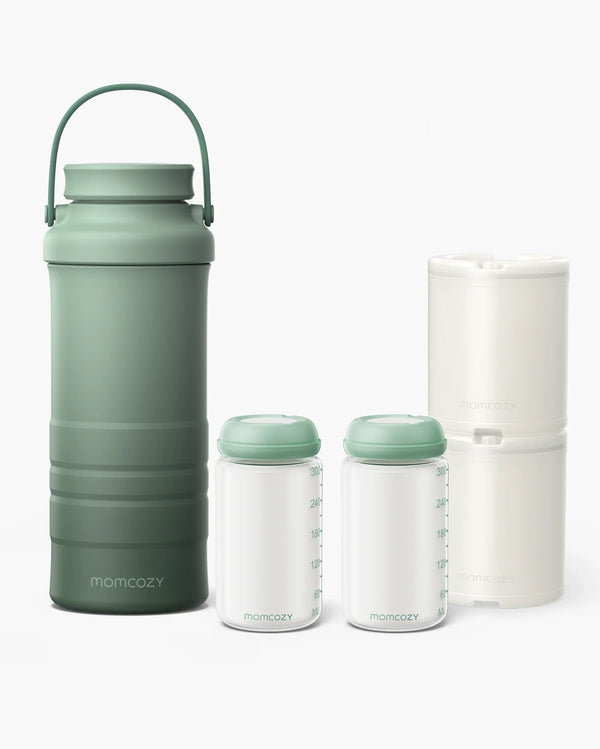
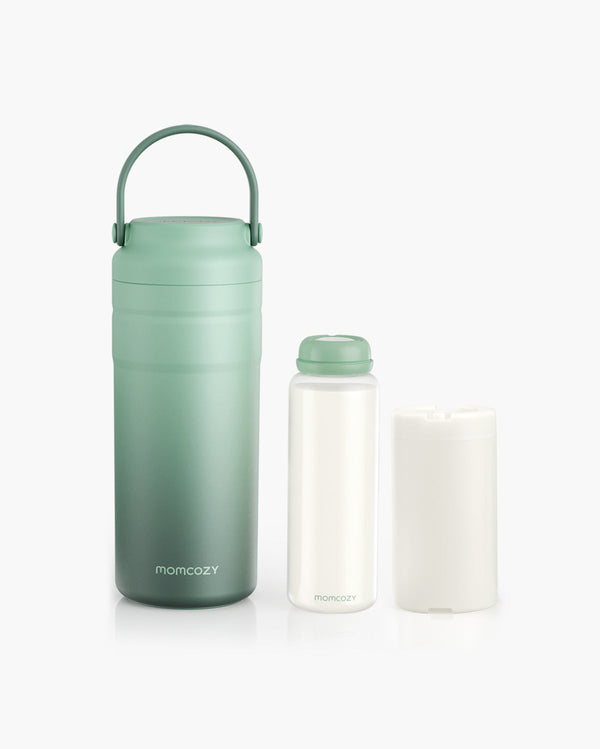
Managing an abundance of extra milk means you'll often need to store and transport your liquid gold safely while on the go. To keep your hard-earned supply fresh outside the fridge, utilizing reliable breast milk coolers is an absolute lifesaver. The Momcozy Portable Breast Milk Cooler for Outdoor 22oz is perfect for this, allowing active moms to safely preserve their breast milk during outdoor adventures without worrying about spoilage.
Is oversupply the same as an overactive let-down?
They are related but different. An overactive let-down is a fast, forceful milk ejection; oversupply is making too much milk overall. A strong let-down can accompany oversupply, but you can have one without the other.
Can oversupply cause my baby to gain weight poorly?
It can. When a baby fills up on sweet foremilk and pulls off before the fatty hindmilk, they may take in excess lactose and miss calories, leading to gassiness, green frothy stools, and slower weight gain in some cases. Block feeding helps rebalance the foremilk-hindmilk mix.
How do I know if my baby is getting too much foremilk?
Watch for very frequent, gassy, fussy feeds; green or frothy stools; and a baby who seems hungry soon after nursing. These suggest a foremilk-hindmilk imbalance tied to fast, abundant flow — a common sign of oversupply.
Conclusion
Breast milk oversupply may seem like a good problem to have, but it can cause challenges for both mother and baby. Understanding what is considered an oversupply, its causes, and how it affects feeding is key to managing it effectively. With the right strategies and support, you can bring your supply into balance, ensuring a more comfortable, nourishing, and enjoyable breastfeeding experience for you and your little one.
If pumping is part of your routine, a big-host pump like the Momcozy V3 (plug-in hospital-grade) or V3 Pro (portable/cordless) builds and protects supply at home, while a wearable such as the Air 1 or W1 keeps you consistent on the go. For evidence-based breastfeeding support, the AAP's HealthyChildren is a trustworthy place to start.