


MEDICALLY REVIEWED BY

Una Qian, Registered Nurse, IBCLC
I am a Registered Nurse and International Board Certified Lactation Consultant (IBCLC) based in Beijing, China. With 16 years of experience in obstetrics and gynecology, I currently provide clinical breastfeeding support. Over the past few years, I have obtained the Level II Certification in the French WAFF Perinatal Rehabilitation Method and the BFE Level I Certification in Pelvic Floor Rehabilitation (European Level I), which qualifies me to guide both prenatal and postpartum mothers in appropriate exercise programs and provide evidence-based postpartum rehabilitation.
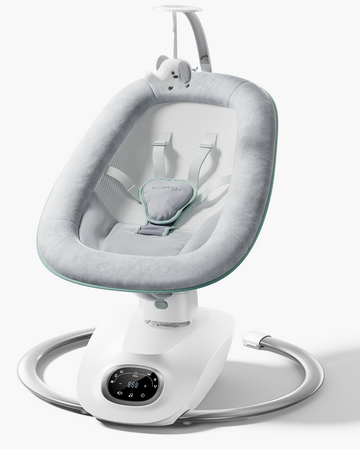
The safest approach is to spot-clean the cover gently, use a soap- or detergent-based cleaner that fits the fabric, then rinse and air-dry it completely before your baby uses the swing again. If the cover is heavily soiled with body fluids or the care label says not to hand-clean it, replacement may be the better option.
Start with the care label and the fabric type
Before you do anything, check the sewn-in care tag and look for what the cover is made of. If the label permits laundering, use the warmest water setting that is safe for the fabric and dry it completely; if laundering is not possible, vacuum loose dirt first.

If the cover is visibly dirty, clean it then rather than waiting. The CDC says regular cleaning is usually enough to reduce germs and help keep them from spreading.
What to use for spit-up stains
For a baby swing seat cover, a mild soap- or detergent-based cleaner is the safest starting point. For soft surfaces, the CDC says to clean with a product appropriate for that material before any disinfecting step, because dirt and impurities can block cleaners from reaching the surface well.
A neutral detergent that dissolves well in water is a good fit for this kind of spot cleaning. If you use any product beyond plain soap and water, follow the label exactly and do not make it stronger or weaker than directed.
Avoid bleach on the fabric unless the manufacturer specifically says it is safe, because chlorine-releasing agents can damage fabrics, leave residue, and require rinsing.
A simple hand-cleaning method that stays gentle
1) Remove any fresh residue first
If the spit-up is still fresh, scrape off any solid bits with a dull spoon, then blot the stain with a clean, dry cloth. Do not rub, since rubbing can push the stain deeper into the fabric.

2) Mix a mild cleaning solution
Use 1 tablespoon of liquid dish soap mixed with 2 cups of cold water in a spray bottle. Cold water is the safer choice here because heat can set protein-based stains like spit-up.
3) Apply and let it sit briefly
Spray the stained area until it is saturated, then let it sit for 10 to 15 minutes. This gives the soap time to work on the stain.
4) Gently work the spot
Use a soft-bristled brush, like an old toothbrush, or a clean sponge to gently work the solution into the stain for 30 to 60 seconds. Focus on the edges so the stain does not spread.

5) Rinse by blotting
Dampen a clean white cloth with cold water and blot the area repeatedly to remove soap residue. Keep changing to a clean part of the cloth until you stop seeing suds.
Dry it fully before the swing goes back in use
Put the cover in a well-ventilated spot away from direct sunlight and heat sources, then let it air-dry completely before reassembling the swing. The CDC also notes that soft surfaces should be dried completely after cleaning.

If you can lift and handle the cover safely, make sure seams, straps, and padding are dry too. Any leftover dampness can leave the seat feeling musty and can make the fabric less pleasant for baby use.
When a stain needs a stronger step or a replacement
If the stain is still there after drying, you can try a second pass of the same spot-cleaning method. One source also describes using a small amount of white vinegar on a stubborn spot after the first cleaning, then repeating the rinse and dry steps, but that guidance is limited to fresh or recently dried stains and is not a guarantee for older ones.
If the cover was heavily contaminated with body fluids, the CDC says disinfection may not be possible and the item may need to be thrown out and replaced. That is the point where cleaning stops being worth forcing.
If the swing seat cover has limited contact areas and the care label allows it, the CDC says a soft-surface disinfectant can be used after cleaning, but only with an EPA-registered product labeled for soft surfaces and only for the full contact time on the label. Follow the label exactly.
Keep the process baby-safe
Do not mix cleaning products with each other. CDC specifically warns against mixing cleaners and disinfectants, because that can create hazardous chemical reactions.
Wash your hands with soap and water for 20 seconds after you finish cleaning, and keep all products out of reach of children and pets. If you use any disinfectant indoors, good ventilation helps.
The quickest practical takeaway
For a baby swing seat cover, the best non-machine-wash method is: blot first, clean with mild soap and cold water, gently work the stain, blot out the residue, and air-dry completely before reuse. If the cover is heavily soiled, the stain is old and set in, or the care label limits hand-cleaning, replacement is the safer next step.








