


Key Takeaways
- Newborns may hate diaper changes because of cold air, cold wipes, handling, hunger, tiredness, or skin irritation.
- Short, prepared diaper changes can reduce distress because babies spend less time exposed, uncomfortable, or overstimulated.
- Keeping your newborn warm and using gentle, predictable movements may help diaper changes feel less sudden.
- Persistent crying with rash, fever, poor feeding, unusual behavior, or parental concern should be discussed with a healthcare professional.
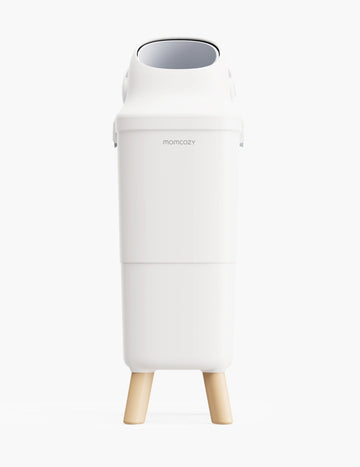
- A prepared changing area, including a diaper pail nearby, can shorten the routine but does not replace supervision.
When your newborn hates diaper changes, it's typically due to the cold air, cold wipes, sudden handling, hunger, tiredness, or irritated skin. A prepared changing area with diapers, wipes, a clean outfit and a diaper pail/diaper trash pail in easy reach can help make each change quicker and calmer. However, any unusual or loud crying should not be ignored.
This article addresses the factors that make changing a diaper distressing to some newborns and what parents can do. It's not a complete diaper-changing lesson, a diaper size chart, or a medical evaluation. Make it a practical troubleshooting tool, and consult your baby's health care professional if you have any concerns.
Is It Normal If a Newborn Hates Diaper Changes?
Yes, it is common for babies to cry during diaper changes, even after they are born. The procedure involves lying down, undressing, being wiped, picking up and letting the child breathe colder air. Those feelings can come out of nowhere for a baby who's just been in a warm, contained area for months.
Many parents on Reddit and forum posts claim that diaper-change crying is very loud even after the baby calms down immediately after being dressed. Those early weeks can be upsetting for parents, with little sleep and big cries.
According to Pampers, a baby might become upset during a diaper change from cold air, wet wipes, or handling. Pampers: baby crying during diaper changes While not all crying is meant to be for the same reason, it's a great starting point for parents.
Some crying is still okay, but it must have limits. If your baby is unwell, if the rash looks painful, if your baby does not take feeds, cries for an extended period of time despite your efforts, or if you feel you cannot cope, seek professional assistance.
Why Newborns Cry During Diaper Changes

Sometimes there are several reasons for crying during diaper changes in the early months. When wiping and the baby is also cold, hungry, gassy, tired, overstimulated or sensitive. The table below is meant to be used to troubleshoot without panic and is not a diagnostic tool.
| Possible Trigger | What Parents May Notice | What to Try First | When to Check Further |
|---|---|---|---|
| Cold air | Crying starts when clothes or diaper open. | Cover baby’s chest and keep the room warm. | Check further if baby seems cold after dressing. |
| Cold wipes | Baby cries when wiping begins. | Warm the wipe briefly in clean hands. | Check skin if wiping causes sharp distress. |
| Cold mat | Baby arches or cries when laid down. | Use a clean, soft changing pad cover. | Avoid unsafe heat sources near baby. |
| Hunger | Crying escalates before feeding. | Try changing after a short feed or mid-feed break. | Call if feeding is poor or unusual. |
| Tiredness | Baby cries harder during night or nap transitions. | Keep lights low and the routine short. | Check if crying continues beyond changes. |
| Skin irritation | Redness, broken skin, or crying when wiped. | Clean gently and protect the skin as advised. | Contact a clinician for persistent or severe rash. |
| Gas or spit-up discomfort | Baby cries when legs are lifted or body is moved. | Move slowly and burp before or after changes. | Ask a clinician if pain, vomiting, or feeding issues persist. |
| Feeling restrained | Baby kicks, stiffens, or resists being held still. | Use gentle narration and predictable handling. | Check further if movement seems painful. |
How to Keep Your Newborn Warm During Diaper Changes
Cold is one of the most common themes in parent discussions about diaper-change crying. Newborns can react strongly when a warm outfit or swaddle opens and cooler air touches their chest, belly, or legs.
Before you start, warm the room if possible. Keep a soft blanket over your baby’s chest while you change the diaper area. Avoid fully undressing your baby when only the diaper needs attention.
If wipes feel cold, hold one between clean hands for a few seconds before using it. Some parents prefer warm water and a soft cloth at home. The goal is not to make the wipe hot. The goal is to avoid a sudden cold shock.
A diaper disposal area should also be within easy reach so that you do not have to step off the changing surface. If you're still wondering if you need it, read this to get the scoop on what a diaper pail is vs a trash can.
Prepare the Changing Area Before You Start

Preparation matters because a shorter routine can reduce crying. Open the clean diaper first, pull out wipes, set diaper cream nearby, and keep a clean outfit ready if your baby has leaked or spit up.
A diaper disposal area should also be within easy reach so that you do not have to step off the changing surface. If you're still wondering if you need it, read this to get the scoop on what a diaper pail is vs a trash can.
When setting up a large nursery, one of the most important questions is how to choose a diaper pail that will help you choose between odor control, bag compatibility, capacity, and daily ease of use.
If you're using an elevated surface, be sure to have one hand close to your baby. Even babies can startle, kick, or suddenly change their positions. A clean mat on the floor might be a more peaceful and secure choice if your baby is a lot of activity.
Use Gentle, Predictable Movements and Narration
Changing diapers can be a sudden transition for the newborn. You can establish a routine by using the same quiet words every time. A simple phrase like “clean diaper now” before you open the diaper can become a cue.
Do not move too quickly or too slowly. Hold your baby's legs up gently and do not pull both ankles together very tightly. If your baby feels tense, stop for a few moments if it is safe to do so, put your hand on their tummy, and talk to them in a calming voice before continuing.
Pathways.org recommends narration, face-to-face contact, and sensory interaction during diaper changes. Pathways.org diaper-change tips For newborns, there are only four simple strategies: voice, eye, warmth and steady hands.
Parents also learn to slow down their emotional response through narration. As you describe each step, you may feel less rushed, and this can help you to move more smoothly.
Pick a Better Time When You Can
A newborn's response to time may vary. Some babies cry due to hunger and desire to be fed, but they can't stand the diaper change. Others cry more after being fed completely; moving their legs or lying them flat makes them feel uncomfortable.
If your baby screams before feeding, try offering a small amount of milk first, then change the diaper during a natural pause. If your baby often spits up after eating, consider changing before a full feed or after burping.
Poopy diapers still need prompt attention. A wet diaper may have more flexibility, depending on your baby’s skin, diaper fullness, and routine. For detailed timing, use a dedicated newborn diaper frequency guide rather than turning every change into a rigid rule.
At night, keep the room dim and the routine quiet. If you change before the second side or mid-bottle break, your baby may return to feeding and settle more easily.
Distraction Ideas That Fit a Newborn’s Stage

Most distraction toys are not suitable for use with newborns. They might react better to your voice, a soft "shush," a gentle rhythm, a pacifier (if already used safely) or calm eye contact.
If your baby is a little older, consider a diaper changing toy, a black and white card, a mobile, a mirror out of reach or a simple song. Make it appropriate and safe for their age.
For babies who don't like getting changed, BabySparks recommends using sensory techniques like looking in their eyes, songs, silly voices and safe visual stimulation. BabySparks diaper-change sensory tips: These may help some babies, but they are not guaranteed fixes.
Try one or two tactics at a time. Making too many changes at once can make it difficult to determine the true impact of the change.
What to Do If Baby Wiggles, Kicks, or Rolls
It is normal for newborns to cry more than they roll, although they may kick, stiffen, and startle. Keep close, keep one hand on the baby, and don't leave supplies so they are easy to reach.
Diaper changes can become a mobility battle as babies get bigger. Older babies can start rolling, grab the diaper, twist away or attempt to crawl. At that time, a shorter wet diaper change, a special toy and/or a change of the floor may be helpful.
When you need the complete instructions on how to change a newborn diaper, rely on a particular guide on how to change a newborn diaper instead of trying to learn every step when your baby is crying.
Avoid making diaper changes a power struggle. The first concern for newborns is warmth, safety, and gentle handling. Safety and speed are the focus for older babies.
When Crying May Be More Than Diaper-Time Discomfort
Most diaper-change crying is not a medical emergency. Still, crying can sometimes signal discomfort that needs attention. Check your baby’s skin, body position, feeding pattern, and overall behavior.
Watch for signs of a diaper rash, broken skin, some swelling, a fever, difficulty feeding, excessive drowsiness, fewer wet diapers or crying that is different from your baby's normal cry. These symptoms can occur; if so, seek medical attention.
The Royal Children's Hospital recommends that parents seek medical assistance if the baby is unwell, does not take feeds, cries a lot and/or parents feel they are not coping. RCH crying and unsettled babies guidance. Don't hesitate to seek medical attention just because you're sure something is wrong.
Seek assistance if you feel panicked, angry, or helpless when changing a diaper. It's difficult to handle a crying newborn, and even more important to offer support to parents.
How a Better Changing Setup Can Reduce Stress
No better setup will eliminate all crying. It can, however, minimize delays. If diapers, wipes, cream, clothes and disposal are all prepared, you'll save time looking around and spend more time changing calmly.
A nearby diaper pail may be part of that arrangement. When you are shopping for the best diaper pail, this best diaper pail buying guide can help you consider factors such as odor control, refill needs, capacity, and cleaning.
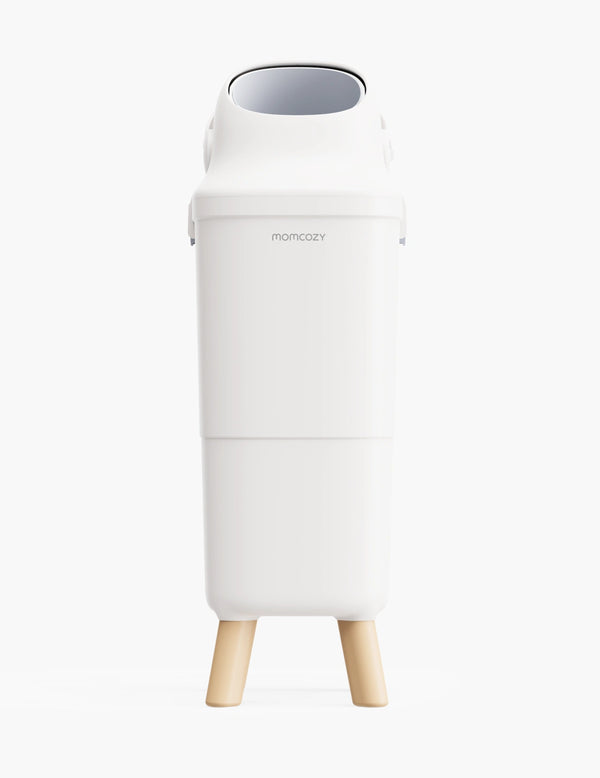
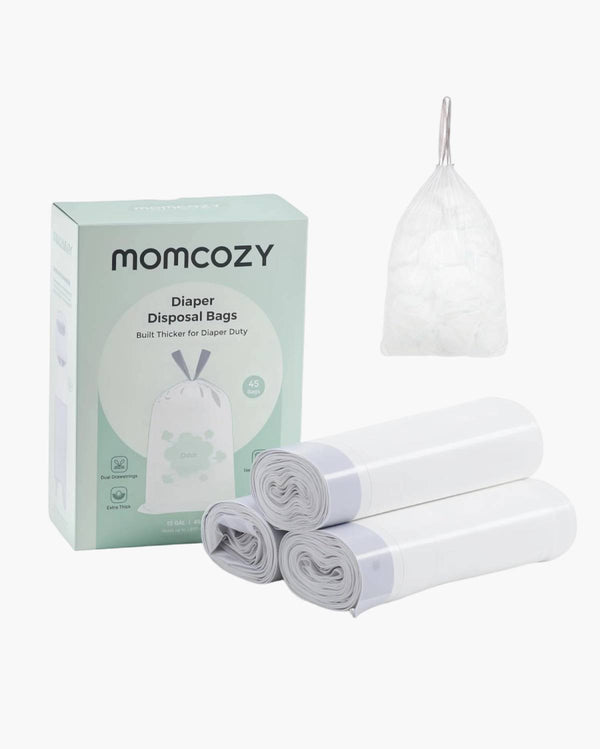
The Momcozy Triple-Seal Diaper Pail, for example, uses a rotating opening that seals odor away as each diaper drops in, along with a wide opening for one-handed use, a child safety lock, and compatibility with standard 13-gallon trash bags. A setup like that can help keep the disposal step quick and out of the way during a change.
If refill costs are part of your decision, read diaper pail refill bags before choosing a pail that may require proprietary bags.
Mistakes That Can Make Diaper Changes Harder
- Starting before supplies are ready can make the routine longer and more stressful.
- Fully undressing your baby when it is not necessary can increase cold exposure.
- Using very cold wipes without warming them in clean hands can startle some newborns.
- Rushing roughly may make a change feel more alarming, even if you finish quickly.
- Ignoring the rash, broken skin, or repeated pain can make diaper changes even more difficult.
- Don't overwhelm your baby by attempting too many different things to do at once at the same time; this can confuse your baby's routine.
- Do not take responsibility for all crying, or this will increase stress and not help the baby.
This can be stressful when there is a buildup of odor around the nursery, too. Use these tips on how to keep a diaper pail from smelling and how to clean a diaper pail to help with routine maintenance.
Suggested Images and Visual Elements
Use 2–3 images only when they support the surrounding section. Image names should be lowercase and hyphenated. Alt text should be concise, avoid keyword stuffing, avoid “image of” or “picture of,” start with a capital letter, and end with a period.
| Image Name | Alt Text | Best Placement |
|---|---|---|
| newborn-diaper-change-setup | Newborn diaper change supplies arranged near a changing pad and diaper pail. | Near the preparation or changing setup section. |
| calm-newborn-diaper-change | Parent gently calming a newborn during a diaper change. | Near the gentle movement or distraction section. |
| diaper-change-comfort-checklist | Checklist showing ways to keep newborn diaper changes calm. | Near the table or mistakes section. |
FAQ
Should I change my newborn if they scream through the whole change?
Some babies are highly sensitive to cold wipes and may benefit from them, but not all babies do, and not all families will need them. A wipe can also be heated in clean hands or by using warm water and a soft cloth.
Do wipe warmers help newborns who hate diaper changes?
Yes, a pacifier is a comfort for some newborns who have become accustomed to using it safely. It is only a tool, not a replacement for signs of hunger, rash or discomfort.
Can a pacifier help during diaper changes?
Yes, some babies use a pacifier safely and will be comforted by it. It's only one tool, and it does not replace checking for hunger, rash or discomfort.
Why does my baby suddenly hate diaper changes at a few months old?
Older babies may refuse to be changed because they want to roll, move, play or be with their environment. A special diaper change toy or floor change can be used to help.
Is it okay to change my baby on the floor?
Yes, the clean floor mat is a safer surface for a wiggly baby than an elevated surface. Have supplies nearby, clean the mat after, and closely watch the change.
What if my baby holds their breath while crying during diaper changes?
Don't panic, and if possible, pause for a short while. Contact a health care provider if episodes are unusual, frequent, prolonged or with other symptoms.
Conclusion
Newborns dislike changes often because of cold air, cold wipes, sudden handling, hunger, tiredness and irritated skin. Don't jump to any conclusions before considering that things are normal.
Ensure that supplies are prepared, keep the baby warm, take care to go slow, discuss it and consider cueing feeding and sleep. Talk to a health care provider if the crying continues or is accompanied by symptoms or is of concern to you.
A prepared changing spot with diapers, wipes, cream, clean clothes, and a diaper pail nearby can help you finish the routine faster. If you compare disposal terms while planning your setup, this nappy bin vs diaper pail guide explains the wording difference for US and UK nursery planning.
The goal is not to eliminate every cry. The goal is to make diaper changes warmer, safer, shorter, and more predictable while staying alert to signs that your baby needs extra care.








