



You may love your toddler deeply and still reach a point where the noise, questions, mess, and constant demands feel like too much. If you have been losing patience with your toddler and then feeling ashamed after yelling, you are not alone. Mom rage can happen when stress, exhaustion, and unmet needs build up faster than your ability to cope.
The goal is not to become a perfectly patient parent. This guide focuses on understanding what is happening, noticing the early signs of anger, learning how to handle mom rage in the moment, repairing after yelling, and reducing the load that makes these moments more likely.
Key Takeaways
- Mom rage is often a response to overload, exhaustion, and unmet needs. Feeling intense anger does not automatically mean you are a bad mom.
- Notice early body signals, such as a tight jaw, racing heart, or feeling suddenly hot, so you can pause before anger takes over.
- If your toddler is safe, place them somewhere secure and step away for about 60 seconds to breathe and reset.
- If you do yell, repair matters more than perfection. Take responsibility, reconnect, and keep the necessary boundary without blaming your child.
- Lasting change comes from better rest, support, and reducing the daily load—not simply trying harder to stay patient.

What Is Mom Rage (and Why Toddlers Trigger It?)
Mom rage is an intense surge of anger that can happen when stress and overwhelm build beyond what you can comfortably handle. It is different from everyday frustration because the reaction can feel sudden, physical, and much bigger than the situation itself. Psychology Today: 6 Steps to Tame Mom Rage describes mom rage as an overwhelming anger that can be connected to unmet needs, lack of support, sleep deprivation, and deeper emotions such as frustration, sadness, and guilt.
Toddlers can be especially triggering because they need constant attention while also testing limits, repeating requests, making noise, and having strong emotions of their own. Add touch overload, interrupted sleep, hunger, or a long day of caregiving, and patience can disappear quickly. When those feelings spill over, understanding infant tantrums can help you separate your child's overwhelm from your own.
Shame can make the cycle worse. A mom may think, “What is wrong with me?” instead of noticing what pushed her past her limit. Naming mom rage does not excuse yelling or hurtful behaviour—it simply makes it easier to understand the pattern and learn what to do differently next time. Recognising triggers and unmet needs can be an important first step towards managing future episodes.
Why You Are Losing Patience With Your Toddler
Patience often collapses when your basic needs and support are missing. If you are losing patience with your toddler, the answer may not be to “try harder” to stay calm. Sometimes the conditions around you need attention, too. When you are running on empty, even normal toddler behaviour can feel much harder than it would on a better day.
- Sleep debt and hunger: A poor night of sleep or going too long without eating can make ordinary toddler behaviour feel much harder to handle. When your body is already depleted, you may have less capacity to pause before reacting.Interrupted nights are common during sleep regressions in toddlers, which can drain your patience even faster.
- Mental load and isolation: Keeping track of meals, appointments, chores, work, and your toddler's needs can leave very little mental space for yourself. Carrying that invisible workload alone can make frustration build faster, especially when there is no regular chance to switch off.
- Unmet needs: Anger may be covering exhaustion, loneliness, overstimulation, or simply the need for a break. Sometimes what feels like anger is a sign that you have been putting your own needs at the bottom of the list for too long.
Instead of asking, “Why can't I be more patient?”, try asking, “What is making patience so difficult right now?” You may need more sleep, a proper meal, time alone, or someone to take over a task. If your mental load feels endless, look at what can be shared, postponed, or removed rather than expecting yourself to carry everything quietly. Less pressure creates more room for patience.
In the Moment: What to Do When Rage Is Rising
When you notice anger building, interrupt it at the body cue rather than waiting until you are already yelling. The goal is not to solve the whole situation in that moment—just to create enough space to respond safely. Catching the early signs can be easier than trying to stop yourself once the anger has already peaked.
- Name the signal. Say, “I’m getting really angry,” and notice what is happening in your body, such as a tight jaw, racing heart, heat, clenched hands, or a strong urge to shout. Naming the feeling can help you recognise that you need a pause before reacting.
- Make sure your toddler is safe. If you need a moment, place your child somewhere secure and appropriate for their age before stepping away. You can say, “Mama needs a minute. You are safe, and I’ll be back.” If your toddler is already in a safe space, you do not need to keep arguing or explaining while you are overwhelmed. If stepping out spikes your worry, mental health tips for new mums can help you take that pause without hovering.
- Take 60 seconds. Move a short distance away, take slow breaths, relax your shoulders, or focus on a few things you can see and hear. Try making your exhale longer than your inhale, or simply put both feet on the floor and notice the sensations around you. The aim is to lower the intensity enough to regain control, not to make the anger disappear instantly.
- Give yourself permission to pause. You do not have to respond to every demand immediately. If the situation is safe, it is okay to take a short break before deciding what to do next.
- Return when you are steadier. You do not need to feel perfectly calm. You just need enough control to speak and respond without escalating the situation. If the original problem still needs to be addressed, keep your words short and your boundary clear.
A pause is not ignoring your toddler. It is creating a safer moment for both of you. If you find that stepping away does not reduce the intensity or you are afraid you may lose control, seek additional support rather than trying to manage it through willpower alone.

How to Repair After You Yell
Repair teaches safety, and it starts with calming yourself before you return. You do not need a perfect apology; you need to take responsibility, reconnect, and show your toddler that the relationship is still safe. You also do not need to turn the moment into a long lecture about what went wrong.
- Calm yourself first. Take a moment to breathe and settle before going back to your child. This helps you respond instead of continuing the argument. If you are still very angry, give yourself a little more time before trying to talk.
- Own what happened. Keep your apology short and avoid adding a “but” that puts the blame on your toddler. Your child can still have behaved inappropriately, but your reaction is yours to take responsibility for.
- “I yelled at you. That was not okay. I’m sorry.”
- “I got very angry and used a loud voice. You did not deserve that.”
- Reconnect while keeping the limit. You can apologise without removing the boundary. A hug, sitting together, or simply getting down to your toddler’s level can help restore connection.
- “I’m sorry I yelled. It is still not okay to hit, but I can help you calm down.”
- “I love you. We can try again, and the toys still need to be put away.”
- Do not expect an instant response. Your toddler may not want a hug or may still be upset. Give them space while staying nearby and showing that you are available.
- Think about what happened later. Once everyone is calm, consider what pushed you towards the breaking point. Was it lack of sleep, noise, hunger, repeated demands, or having too much to manage alone? Understanding the trigger can help you make a different plan next time.
Repair does not mean pretending the difficult behaviour did not happen. It shows your toddler that mistakes can be acknowledged, relationships can be repaired, and boundaries can still remain. You are teaching your child that conflict does not have to end connection.
How to Handle Mom Rage Long-Term (Reduce the Load)
Fewer rage episodes usually come from a lighter load and earlier resets, not from trying harder to stay calm. Look for the conditions that keep pushing you towards your limit and make small changes where you can. That lighter load is also why it helps to understand stay-at-home mom burnout, especially when caregiving never really clocks out.
- Protect sleep and food: Treat rest and regular meals as basic needs, not rewards you earn after everything else is done.
- Ask for specific coverage: Instead of “I need help,” try “Can you handle bedtime tonight?” or “Can you take the toddler for 30 minutes while I rest?”
- Create real micro-breaks: Even a short period away from noise, touch, or constant demands can give your nervous system a chance to settle.
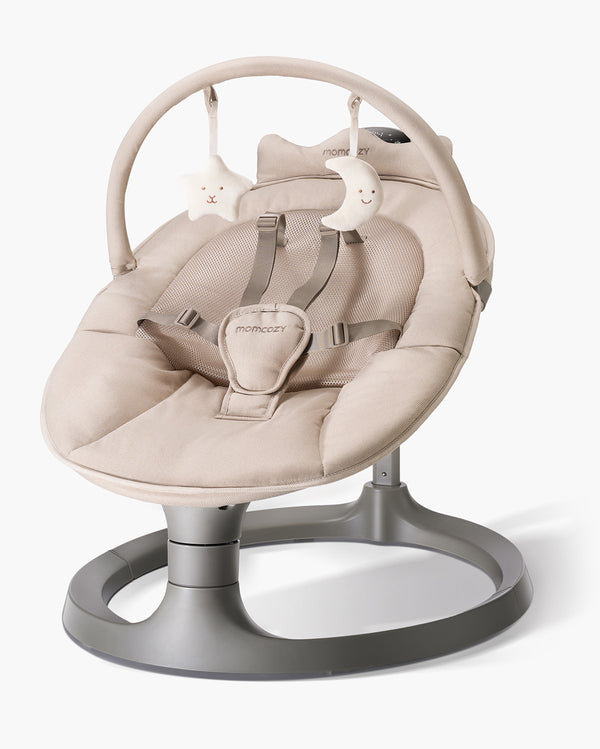
Small tools can also create breathing room. A Smart Baby Sound Machine can provide white noise as part of a consistent sleep routine, while the 2-in-1 Electric Baby Swing may provide a brief supervised soothing window when used according to its safety guidance.
If being away from your child makes you anxious, the BM08 Contact-Free Smart Baby Monitor can support a quick remote check while you take a short pause. These tools do not treat mom rage—they simply help create a little space when the daily load feels relentless.


When Mom Rage Needs Extra Support
Getting help is protective parenting, not failure. Occasional frustration can happen, especially when you are tired, overstimulated, or carrying too much. But rage deserves extra attention when it becomes frequent, intense, or difficult to control, rather than something you can usually recover from with a short break.
Consider talking with a healthcare or mental health professional if:
- You frequently feel unable to control your anger.
- You are afraid you might hurt yourself or your child.
- Anger comes with persistent hopelessness or feeling unable to cope.
- You feel constantly on edge, overwhelmed, or unable to enjoy everyday life.
- Rage is interfering with daily life or your relationship with your child.
- You keep apologising after outbursts but feel unable to change the pattern.
You do not have to wait until things reach a crisis point before asking for support. A therapist, doctor, or other qualified professional can help you understand what may be contributing to the anger and identify appropriate ways to manage it. If you have recently given birth, you can also ask about postpartum mood and anxiety screening, particularly if anger is happening alongside sadness, anxiety, hopelessness, or other concerning changes.
Support can also start at home. Tell your partner or another trusted person honestly when you are struggling and ask for specific help, such as taking over bedtime or giving you an uninterrupted break. You do not need to handle every difficult moment alone. Protective parenting also includes learning how to raise kids without losing yourself.
If you are worried that you may hurt yourself or your child, step away when it is safe to do so and seek immediate professional support. Getting help is not a sign that you are failing as a mother; it is one way of protecting both you and your child.
FAQ: Losing Patience and Mom Rage
Is it normal to lose patience with a toddler?
Yes. Toddlers can be loud, demanding, unpredictable, and persistent, especially when you are already tired or overwhelmed. Losing patience does not automatically mean you are a bad parent.
What is mom rage?
Mom rage is intense anger that can feel much stronger than ordinary frustration. It can be linked to exhaustion, stress, sensory overload, mental load, and having too little support.
How do I handle mom rage in the moment?
Notice your physical warning signs, such as a racing heart, tense jaw, or feeling suddenly hot. If your toddler is safe, take a brief pause, breathe, and step away for a moment before returning.
How do I repair after yelling at my toddler?
Wait until you are calm, then acknowledge what happened without blaming your child. A simple “I yelled, and that wasn't okay. I'm sorry” followed by reassurance and reconnection can help repair the moment.
Does yelling permanently damage my child?
One difficult moment does not automatically define your relationship with your child. What matters is what happens afterwards: taking responsibility, repairing the connection, and working on healthier ways to respond.
When should I seek professional help?
Consider getting professional support if rage is frequent, intense, difficult to control, or affecting your daily life. Seek help promptly if you are afraid you may hurt yourself or your child, or if anger is accompanied by persistent hopelessness.
Conclusion
Losing patience with a toddler does not make you a bad mom, and mom rage is not a character verdict. Understanding your triggers, interrupting the reaction, repairing after yelling, and reducing the load can make difficult moments more manageable. You do not have to handle everything through willpower alone; asking for support is part of caring for yourself and your child. Mom and More is about making room for the whole mother, including her emotions, needs, and humanity.








