Introduction
Few sounds are more unsettling to a parent than a baby crying in their sleep. You rush in, wondering: Can infants have bad dreams? Are they scared? Are they imagining something frightening?
Understanding infant sleep can ease anxiety and help you respond appropriately. While older children absolutely experience nightmares, infant sleep works very differently. Their brains are still developing, their sleep cycles are immature, and what looks like a nightmare often has another explanation.
In this comprehensive guide, we’ll explore what science says about whether infants can have bad dreams, when nightmares truly begin, what causes sleep crying, and how to create a safer, calmer sleep environment with the help of tools from Momcozy baby swings and baby monitors.
Key Takeaways
-
• True nightmares are unlikely in newborns and young infants.
-
• Brain development must reach a certain stage before complex dreaming occurs.
-
• Crying during sleep is usually related to sleep cycles—not fear.
-
• Nightmares typically begin after 18–24 months.
-
• Consistent routines and a secure sleep environment reduce nighttime distress.
-
• Baby monitors and calming tools can help parents respond appropriately without disrupting sleep unnecessarily.
Do Babies Have Nightmares?
The short answer: Very young infants likely do not experience nightmares the way older children do.
Nightmares require:
- Advanced imagination
- Memory consolidation
- Emotional processing
- Cognitive awareness of fear
Newborns and young infants lack the neurological maturity required for complex dream imagery. While babies do spend significant time in REM (rapid eye movement) sleep—the stage associated with dreaming—their brains are not yet capable of constructing narrative dream scenarios involving monsters, danger, or separation fears. So if your baby cries out at night, it’s unlikely they are reliving a frightening dream. If you are curious about these specific nighttime vocalizations, you can learn more about why do newborns cry in their sleep.
Why “Nightmares” Don’t Match Newborn Brain Biology (Yet)
Newborn brains are still under construction.
Key developmental facts:
- The prefrontal cortex (responsible for complex thought) is immature.
- Imaginative thinking develops later in toddlerhood.
- Fear-based narratives require memory integration.
- Emotional symbolism is not yet developed in infancy.
Newborn REM sleep is primarily linked to:
- Brain development
- Neural pathway formation
- Sensory processing
Rather than “dreaming” about monsters or scary events, infants are more likely experiencing neurological stimulation as their brains wire and strengthen connections. In short, the architecture for true nightmares simply isn’t built yet.
When Do Babies Start Having Nightmares?
Nightmares typically begin between:
18 months and 3 years
This coincides with:
- Rapid language development
- Expanding imagination
- Memory consolidation
- Emerging fears (darkness, separation, animals, etc.)
At this stage, children can:
- Recall events
- Visualize imagined scenarios
- Develop symbolic fears
Before toddlerhood, what appears to be a nightmare is usually something else—often a transition between sleep cycles.
What Do Babies Have Nightmares About?
For infants under 12 months, true nightmare content is unlikely.
For toddlers and older babies (18+ months), common nightmare themes include:
- Separation from caregivers
- Loud noises
- Animals
- Darkness
- Daily experiences replayed in exaggerated form
Nightmares in toddlers often reflect:
- Developmental fears
- Stressful transitions (new sibling, daycare)
- Overtiredness
- Big emotional changes
But again, for young infants, structured fear-based dreams are not developmentally probable.
What’s Actually Happening When Babies Cry in Their Sleep?
If it’s not nightmares, what explains nighttime crying? Understanding the meaning behind your baby's cry can help you determine the best way to soothe them.
Several common causes include:
1. Sleep Cycle Transitions
Infants cycle between light and deep sleep every 40–60 minutes.
During light sleep, babies may:
- Whimper
- Cry briefly
- Flail arms
- Open eyes momentarily
Often, they settle back down without intervention.
2. Active (REM) Sleep
Babies spend up to 50% of sleep in REM.
During REM sleep, you may observe:
- Rapid eye movement
- Facial expressions
- Smiling
- Frowning
- Sudden cries
This does not automatically mean distress.
3. Overtiredness
Excess cortisol from overtiredness can lead to:
- More frequent night wakings
- Increased fussiness during sleep
- Difficulty transitioning between cycles
4. Gas or Digestive Discomfort
Immature digestive systems can cause:
- Grunting
- Straining
- Crying
- Arching
This may occur during lighter sleep phases.
5. Startle Reflex (Moro Reflex)
In younger infants, sudden movements can wake them and trigger brief crying episodes. Understanding why is baby crying in their sleep can help you decide when to step in and when to let them resettle.
Understanding the distinction between developmental sleep behaviors and true nightmares allows parents to respond appropriately—offering comfort when needed while also protecting healthy sleep patterns.
Signs of Baby Nightmares
True nightmare signs typically appear after toddlerhood and may include:
- Waking fully and appearing frightened
- Clinging to caregivers
- Difficulty returning to sleep
- Verbalizing fear (in older toddlers)
- Remembering dream content
If your infant cries briefly but remains mostly asleep, it is more likely a sleep cycle transition.
What Causes Infant Nightmares?
For infants under 12 months, true nightmares are unlikely because the brain regions responsible for complex dreaming and fear processing are still immature. However, older babies and toddlers can begin experiencing nightmares as cognitive and emotional development progresses.
In those cases, possible triggers include:
Stress or Changes in Routine
Children are highly sensitive to environmental shifts. Common triggers include:
- Starting daycare
- Traveling
- A new sibling
- Changes in caregivers
- Moving homes
Stress increases cortisol levels, which can disrupt sleep cycles and intensify dream activity.
Overtiredness
When a child becomes overtired:
- Cortisol rises
- Sleep becomes lighter and more fragmented
- REM sleep may become more intense
Overtired children are more prone to night wakings and distress during sleep. Maintaining age-appropriate wake windows can significantly reduce nighttime disturbances.
Exposure to Overstimulating Media
For toddlers, exposure to:
- Fast-paced cartoons
- Loud or intense content
- Frightening imagery
Young brains are highly impressionable, and overstimulation can heighten nighttime fears.
Illness or Fever
Fever can increase REM activity and make dreams more vivid. When children are sick, they may:
- Wake more frequently
- Cry intensely
- Seem disoriented
This is usually temporary and resolves once the illness passes.
Big Developmental Leaps
Periods of rapid cognitive growth often correlate with sleep disruption. When toddlers are learning:
- New words
- Walking
- Problem-solving
- Emotional regulation
Increased neurological activity can contribute to vivid dream experiences.
What to Do If Your Baby Has a Nightmare?
If your older baby or toddler wakes frightened:
- Respond calmly and quickly.
- Offer physical comfort.
- Use soothing words.
- Keep the lights dim.
- Avoid overstimulation.
If your younger infant cries in sleep:
- Pause briefly before intervening.
- Watch to see if they resettle.
- Avoid unnecessary wake-ups.
This is where a high-quality baby monitor becomes invaluable.
Creating a Secure Sleep Environment
A calming sleep setup reduces nighttime disturbances.
Key components include:
- Dark room
- White noise
- Consistent bedtime routine
- Safe sleep surface
- Comfortable temperature
Recommended Baby Monitor for Nighttime Peace of Mind
From the Momcozy Best Baby Monitors Collection, the Momcozy 5-Inch HD Baby Monitor offers features that support restful sleep and parental reassurance:
- Large 5-inch high-definition display
- Infrared night vision for clear monitoring in darkness
- Two-way audio to soothe without entering the room
- Room temperature monitoring
- Long-range connectivity
- Secure, encrypted signal
- Expandable camera capability
Using a reliable monitor allows parents to observe whether crying is brief and self-resolving—preventing unnecessary sleep disruptions.
App or Parent Unit
Danger Zone Alert
Storage Supported
Vox Mode
Calming Before Bed: Baby Swing Support
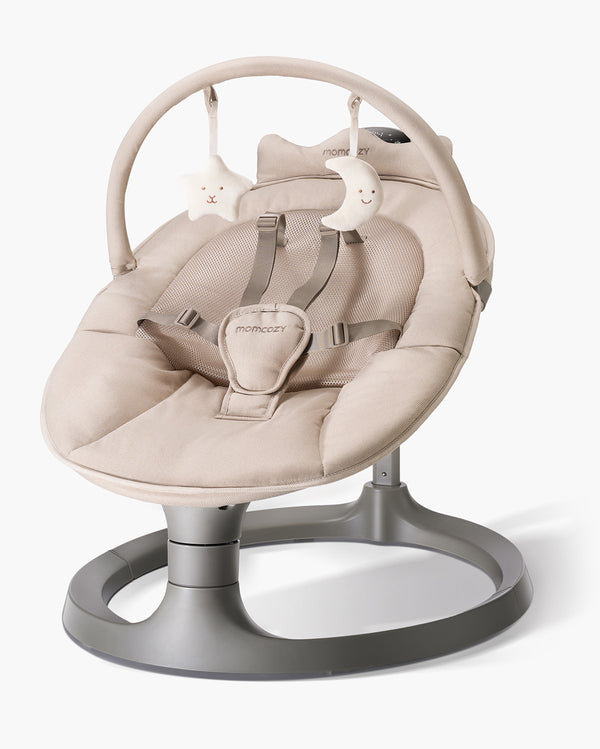
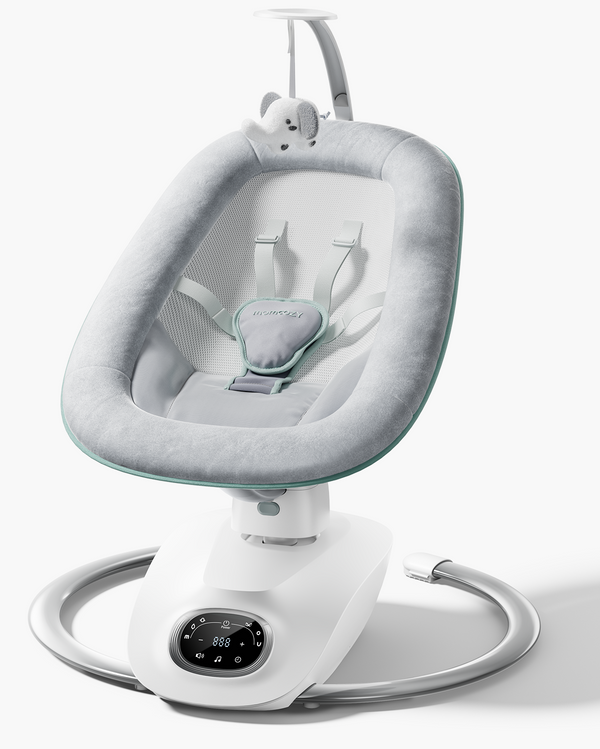
For pre-sleep calming (not overnight sleep), the Momcozy Smart Baby Swing from the Best Baby Swing Collection provides:
- Multiple sway motions that mimic natural rocking
- Adjustable speeds
- Bluetooth music capability
- Soft, breathable fabric
- 5-point harness system
- Lightweight and portable design
A short calming period in a swing before bedtime can help regulate overstimulation and reduce overtiredness—both of which contribute to night disturbances.
Dual-Arm Support
Parent-Inspired Swing Motions
Comfortable Seat
Doubles as a Stationary Seat
Patented 3D Swing Tech
6 swing motions
180° rotatable seat
5-point harness
Important: Swings are for supervised awake time only and should not replace safe crib sleep.
How to Prevent Nightmares in Babies
For toddlers prone to nightmares:
- Maintain consistent bedtime routines
- Avoid stimulating media before bed
- Ensure adequate daytime sleep
- Keep bedtime calm and predictable
- Provide a comfort object (age-appropriate)
For infants:
- Focus on proper wake windows
- Reduce overtiredness
- Maintain a stable sleep environment
Good sleep hygiene lowers nighttime distress.
When to Worry About Baby Nightmares?
Consult a pediatrician if:
- Night wakings are extreme and prolonged
- Baby shows signs of illness
- There are breathing irregularities
- Night terrors are suspected (more common after age 3)
- Nightmares are frequent and worsening
In most cases, brief crying during sleep is normal developmental behavior.
Final Thoughts
In very young babies, true nightmares are unlikely due to brain immaturity. Most nighttime crying reflects sleep cycle transitions, neurological growth, or physical discomfort—not frightening dream imagery. As children grow into toddlerhood, nightmares become more developmentally plausible. At that stage, reassurance, routine, and a secure sleep environment are key.
Understanding infant sleep biology helps replace fear with confidence. With calm responses, consistent routines, and supportive tools like reliable baby monitors and soothing pre-sleep practices, you can create a safe foundation for healthy sleep development. Sleep is a skill—and like all developmental milestones, it unfolds in stages.