


Having the right bottle feeding equipment ready to go makes a difference when preparing for your baby's arrival and even for those already in the day-to-day routine of bottle feeding. Whether it's selecting the correct nipple flow rate for your bottle or ensuring everything is clean and ready for use, quality equipment eliminates the guesswork from feeding time. With all the different brands of bottles, sterilizers, warmers, drying racks and travel items, it's hard to keep track of all the options. This guide is designed to tell you what you need to feed your baby with confidence, regardless of your feeding style, as well as some useful extras to consider.
What Equipment Is Needed for Bottle Feeding?

Creating a bottle-feeding station shouldn't be complicated if you know what is actually used daily. The first few weeks after a baby comes into the world are a time when parents tend to buy things blindly without thinking, and then by the end of that time, half of the purchases have been forgotten while a few others are used up on a regular basis. Here is a list of essential bottle-feeding supplies that most parents use, plus some optional items that will make your pumping mom life and busy household easier, so you can spend wisely on what you will actually use.
Bottles, Nipples, Rings, and Caps
The first place to start, of course, is bottles, but details are more important than most parents realize. Nipple flow rates are usually identified by stage or age range, and too high or too low can result in fussiness or feeding frustration. Having a few different flow rates is a good idea, because babies need faster ones as they get older. Rings and caps might sound like a minor detail, but a loose cap or ring is one of the most frequent causes of a bottle suddenly leaking, so as every bottle is reassembled, check the seal and have a few spares on hand.
Breast Pumps and Pump Parts
If parents are pumping, the pump itself and all of its components (flanges, valves, membranes, and connections) are just as important as their baby's bottles. Over time, pump components become worn and, for both hygiene and suction, should be replaced periodically, even if the pump motor is operating normally, because worn parts can decrease pump output. Having spare parts on hand helps avoid having just one worn valve, and the size of the flange is also important because it can impact comfort and successful milk expression.
Bottle Washers
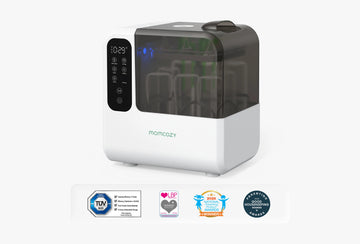
Hand washing bottles multiple times a day adds up quickly, which is why many parents turn to a dedicated bottle washer to handle the bulk of the cleaning. Built to wash bottles and other feeding accessories in one cycle, the Momcozy KleanPal Pro Baby Bottle Washer and Sterilizer is designed to save time spent scrubbing bottles at the sink after each feeding. In addition to the time-saving, a washer can also get into small crevices in valves and nipples more consistently than a quick hand scrub, which is important for the family who may pump and bottle-feed several times a day. The complete bottle washers collection is a great place to do a comparison on several factors such as capacity, cycle time and bottles or pump parts per load.
Breast Milk Storage Bags and Containers
Pumped milk is stored in containers or bags, ensuring it remains organized and ready to use, whether it's in the fridge, freezer or a bottle warmer later. Choose bags that lie flat to make them easier to store in the freezer, as they stack more efficiently and have more visible markings for measuring ounces at a glance. A durable seal is also important, as it will prevent any milk from leaking out of the bag in the freezer and will save you from cleaning up any mess.
Breast Milk Coolers
A cooler bag or insulated container is helpful in keeping milk pumped at a safe temperature when traveling, especially for working parents and anyone pumping milk outside the home. A good cooler should not only keep the milk cold, but protect the bottle or storage bags from being knocked around in a bag full of other items, thus minimizing the potential for leaks in transit.
Bottle Warmers
A bottle warmer eliminates the possibility of uneven heating of milk, which can occur in a microwave or a pot that's left on a hot stove. Whether it's a kitchen counter warmer at home or an out-the-door warmer for stroller trips, the features that are most important (speed, precision, portability) do vary.
What Kind of Bottle Should You Use?
The perfect bottle is all dependent on your baby and your feeding schedule. Some bottles are designed to allow less air in to reduce gas; others are wide-necked to make them easier to clean, or the bottle shape can be similar to the breast for those who breastfeed and bottle-feed. Other factors to consider include nipple shape, nipple material (glass versus plastic) and vent systems, depending on your family's preferences. Most parents sample a few different brands before deciding on the ones their baby likes, so it's fine to purchase the samples at a time, instead of buying a full set.
How to Organize Bottle Feeding Equipment for Daily Use

A separate shelf or a container by the sink for feeding bottles can save time if there is only one bottle, and it will make it easier to locate a clean nipple or matching bottle cap every day. It's helpful to categorize the items by use (clean and dry, ready to fill, in the diaper bag, etc.) so that each member of the household can easily see at a glance. A drying rack is placed near the sink to keep washed items in sight, and a small basket or drawer can be used to store extra nipples, rings and caps if a nipple is lost during a feeding. Having a small travel kit ready in advance will also save the hassle of putting together bottles and parts on the run.
Washing, Sterilizing and Drying Bottle Feeding Equipment
Cleaning up bottle feeding equipment is one of the most critical aspects of the routine, particularly during the first few months when baby's immune system is still developing.
How to Clean Bottles and Feeding Parts
Bottles and parts should be cleaned shortly after each feeding to avoid milk from drying and sticking to nipples and valves. A good wash with hot soapy water and a special bottle brush gets into corners that a quick rinse will not reach, and bottles are completely disassembled (including nipples, rings and valves) before they're washed so nothing is missed, as bits of residue can easily fall behind in a hurried wash.
How to Sterilize Bottles and Feeding Parts
Sterilizing is usually advised more often for newborns and may be less often as they grow older, but always refer to your pediatrician for their particular guidelines and health concerns. There are several methods, including steam sterilizing, using microwave sterilizing bags, or boiling water, and they can vary in time and equipment needs, with a washer and sterilizer being available that will make two steps one.
How to Dry Bottles and Feeding Parts
The most basic and popular way is to air dry, as towels can cause lint or fibers to collect on the nipples and inside of the bottles. Ensure all parts are completely dry before storing or reassembling to prevent the accumulation of moisture that may foster bacterial growth, especially in hidden areas such as valve openings where water can collect.
Bottle Washer vs. Hand Washing
While it is a time-consuming process, hand washing involves a level of control for parents, and they may find it easy to neglect after a long day, particularly with a newborn's unpredictable schedule. Parents who are managing multiple breast pump and bottle washings a day will find that a bottle washer such as the new Momcozy DeepClean Baby Bottle Washer and Sterilizer (D8) can do a lot of the job for them. Choices often depend on routine and how much pumping and bottle feeding a household is doing on a day-to-day basis, and some parents prefer a combination of both: a washer for the daily volume and hand washing for the occasional single bottle.
Warming Bottles and Breast Milk

Warm milk is easier on a baby's tummy because it is closer to body temperature, and this is why many parents incorporate a warmer into the mix rather than offering milk cold from the fridge.
What Does a Bottle Warmer Do?
A bottle warmer can help you to warm up refrigerated or frozen milk to a comfortable feeding temperature and distribute the heat evenly and consistently across the bottle, whereas heating milk on the stove or in a microwave can cause hot spots to form that may reduce the amount of nutrients in the milk if it is heated too high in some places.
How Bottle Warmers Heat Milk
Most warmers heat the water in the bottle by increasing the temperature slowly and steadily, thus retaining more of the nutrients in the milk than warmers that heat unevenly do, and with less risk of accidentally overheating a small section of the bottle.
What to Look for in a Bottle Warmer
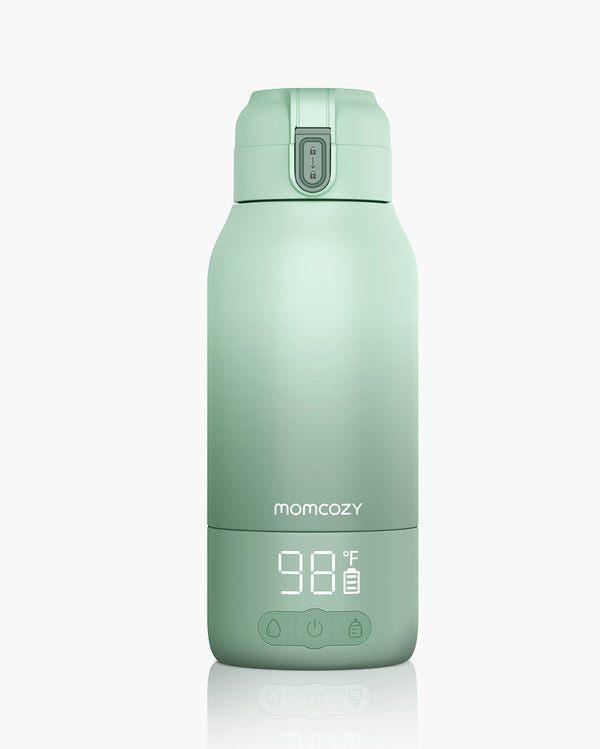
Speed, consistency and versatility with various bottle sizes and shapes are the key factors, as well as ease of cleaning and the ease with which the controls are used during the night. If the parent is spending a lot of time away from home, the Superfast Portable Baby Bottle Warmer for Travel will be a good choice for errands, travel and daycare pick-up/drop-off. The Momcozy 6-in-1 Fast Baby Bottle Warmer, on the other hand, is a countertop unit that can be used at home for multiple functions, making it a perfect choice for families who wish to have one convenient unit to warm, defrost and sterilize from a single location in the kitchen. If you're looking to get a bottle warmer for your baby, then the b baby bottle warmers collection is a great choice, and if you're thinking about taking an at-home baby bottle warmer on the go, then the portable bottle warmer collection is an excellent option.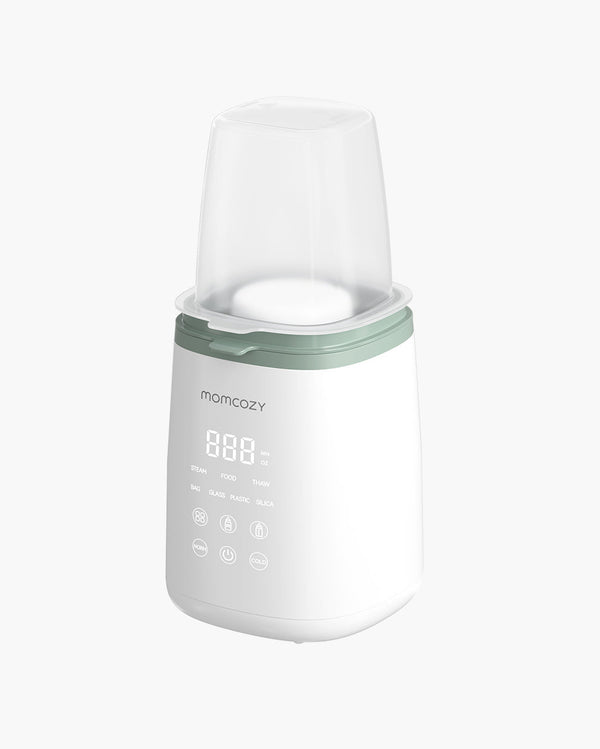
 Member price
$79.99Code Save 10%
Member price
$79.99Code Save 10%
Bottle Feeding at Night
If a baby wakes you at two in the morning, a baby feeding setup should be quiet, have low or no lights and be easy to operate when sleepy. Momcozy Night Pro Baby Bottle Warmer is specifically designed for nighttime feeding, making those late-night at two am sessions easier for parents who want to get to sleep as soon as possible, without having to fumble with a complicated warmer or bright display. From$59.99
$79.99Code Save 10%
Storing Breast Milk and Feeding Equipment
Keeping milk safe and equipment ready for the next feed is the essence of proper storage, and a bit of organization at the start avoids a scramble later when milk is low, or the bottle is needed in a hurry.
Breast Milk Storage Containers
Use freezer-safe storage bags for easy stacking and space efficiency; these bags lay flat and require much less space than rigid containers, and reusable milk containers will work for milk that'll be used in the next few days and don't need to be stored at freezer temperatures. Labeling each bag or container with the date helps with rotating stock and using older milk first, which cuts down on waste and keeps a growing freezer stash manageable.
How to Organize Stored Breast Milk
Putting milk in the back of the fridge or freezer, where the temperature remains the most stable and does not fluctuate throughout the day due to the door being opened, and ordering milk by date will help prevent waste and keep the frequency consistent. In addition, some parents prefer to divide milk into ounce portions, making it simple to grab a portion of milk for one feeding without needing to mix or thaw more than they need.
Bottle Feeding Equipment for Travel and Feeding on the Go

Feeding does not end when you are away from home, and having a travel-ready setup is just as important as what's in your home.
What Is a Breast Milk Cooler?
A breast milk cooler is a specially insulated bag or container that keeps milk pumped from the breast safely refrigerated for a number of hours without the need for refrigeration, particularly when going out of the house, for work, or travelling anywhere for the whole day when the fridge is not nearby.
What to Look for in a Breast Milk Cooler
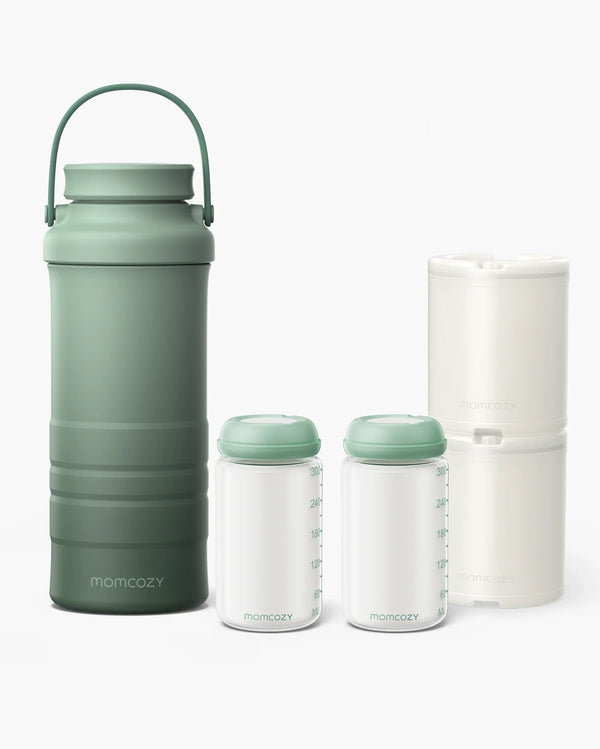
Insulation quality, capacity, and how easily it fits into a diaper bag or work bag are the main factors to weigh, along with how long it can realistically hold a safe temperature during a full day out. The Momcozy Portable Baby Bottle Cooler for Outdoor - 22oz is built for outings where a larger capacity is helpful, such as a full day of errands or a longer trip away from home, while the Momcozy Insulated Baby Bottle Bag offers a more compact option for shorter trips or slipping into an already-full diaper bag. The baby bottle cooler collection is a good place to compare sizes and styles side by side to find the fit that matches your typical day out.
 Member price
$89.99Code Save 10%
Member price
$89.99Code Save 10%
Bottle Feeding Equipment for Pumping Moms
For pumping moms, you will probably need a slightly larger rotation of equipment, extra bottles and storage supplies, as the equipment, extra bottles and storage supplies are used multiple times throughout the day. Enough bottles and parts to last through the day without having to go to the emergency wash halfway through the day makes a huge difference, and so does a cooler bag to carry milk from work or outings back home.
How to Bottle-Feed Safely and Responsively
Responsive bottle feeding is taking notes on your baby's signals instead of following a feeding routine without taking the time to see what your baby needs. Feeding your baby semi-upright, pacing the feeding and allowing them to let you know when they are satisfied all help to ensure healthy feeding practices in the long term. For any questions regarding your baby's particular feeding requirements, feeding amounts, and particular feeding patterns, your pediatrician is your best guide for your baby's needs.
FAQs
Is 2 oz Every 2 Hours Too Much for a Newborn?
For some babies, this is within the normal range; for others, it may not be. Always ask your pediatrician about the proper dosage and frequency for your child.
Can You Overfeed a Bottle-Fed Baby?
Yes, it's possible, particularly if a caregiver encourages a baby to complete a bottle instead of stopping when they appear full. This risk can be reduced by responsive feeding.
How Long Should a Bottle-Fed Baby Go Between Feeds?
This varies by age and individual baby. A pediatrician can help you understand what's typical for your baby's age and growth pattern.
What Are the Signs That a Baby Is Overfed?
Spitting up, fussiness, gas, and discomfort after feeds can be signs of overfeeding. If these happen regularly, it's worth discussing with your pediatrician.
Is It Healthier to Breastfeed or Bottle Feed?
Both breastfeeding and bottle feeding (with breast milk or formula) can support healthy growth and development. The right choice depends on each family's circumstances, and a pediatrician can help address any specific concerns.
What Is the Best Age to Stop Bottle Feeding?
Many families begin transitioning away from bottles sometime around 12 to 18 months, though timelines vary. Your pediatrician can offer guidance based on your child's development.
What Are Disadvantages of Bottle Feeding?
Some parents note the added equipment, cleaning, and preparation time as drawbacks compared to breastfeeding directly. These trade-offs are worth weighing against what works best for your family's routine.
Can My Newborn Go 4 Hours Without Feeding?
This depends on the baby's age, weight, and health. Always check with your pediatrician about appropriate feeding intervals for a newborn.
What Is the Hardest Month of Breastfeeding?
Many parents describe the first month as the most challenging due to establishing supply and routine, though experiences vary widely. A lactation consultant or pediatrician can offer support during this period.
When Should I Introduce a Bottle?
Timing can depend on breastfeeding goals and each baby's needs. Many parents introduce a bottle a few weeks in, but it's worth discussing timing with your pediatrician or a lactation consultant.
How Much Milk Will My Baby Need?
Milk needs change frequently in the first year and depend on age, weight, and growth. Your pediatrician can help determine an appropriate amount for your baby.
Can Bottle and Pump Parts Go in a Bottle Washer?
Many bottle washers, including the Momcozy KleanPal Pro and DeepClean D8, are designed to handle both bottles and pump parts in the same cycle, though it's worth checking each part against the manufacturer's care instructions first.
Do You Need Extra Bottles or Pump Parts?
Having a few extra bottles and a spare set of pump parts helps avoid mid-day scrambling, especially for pumping moms or busy households where washing can't always happen immediately.
How Should Clean Bottle Feeding Equipment Be Stored?
Fully dry, clean equipment should be stored in a covered container or drawer to keep dust and contaminants away until the next use.
Conclusion
Building out the right bottle feeding equipment doesn't happen all at once, and most parents adjust their setup as they figure out what actually fits their routine. Focusing on the essentials first (bottles, a reliable washer, and a way to warm milk safely) and adding travel or pumping-specific gear as needed keeps things manageable without overbuying. With the right equipment in place, bottle feeding can become one of the simpler parts of the day rather than a source of stress.








