


Breastfeeding already runs warm on its own. Add a hot, humid day and a baby snuggled against your chest, and breastfeeding hot can feel almost unbearable. If your breasts feel warmer than usual, you might wonder whether it's just the weather, a normal part of nursing, or something worth a closer look. Most of the time, it's simply one of the first two — but it helps to know what to watch for.
Why Are My Breasts Hot When Breastfeeding?
Warm breasts may be a normal part of breastfeeding, especially if you are experiencing an oversupply of milk. You might also notice as your breasts fill up that they feel warmer, heavier, or firmer. The same is true, sometimes, in the first days and weeks after birth as you’re getting your milk supply established and your breasts can suddenly feel quite different.
And then there’s the heat outside of you. If the environment is warm and you're already sweating, your baby is snuggled for a long feed against your chest, that heat can seem even more overwhelming. The sensation of your breasts being too hot is sometimes just your body adjusting to making milk while also dealing with the temperature outside.
Is It Normal to Get Really Hot When Breastfeeding?
Becoming warm during a feeding is nothing new. The baby is snuggled up close to you, your breasts are actively producing milk and releasing it, and a long feeding makes you feel unbearably hot—particularly on a humid day. What’s more, you need to know if the heat is the only sensation you feel.
If there is warmth in your breasts but nothing else is wrong, then you may not need to be concerned. However, you should be particularly concerned if the warmth is associated with a localized red or tender area that is worsening, or a painful, swollen area. You should also contact your doctor if you are running a fever, feel chilled, are more tired than usual, or just feel generally unwell.
Meaning, a warm breast is not necessarily a dangerous symptom. The change in how it feels— and what accompanies it—is the thing to watch for.
Breastfeeding in Hot Weather: Simple Tips to Stay Comfortable
Feeding feels so different when it is on a hot day. You may begin the day feeling comfortable only to be tired, thirsty, and sweaty at the end, adding to the fact that you didn't have everything you needed within reach. Breastfeeding hot moms say even a regular feed can feel more high-heat when the temperature is warm, and your baby is snuggled up closer to your body. A handful of simple changes can help stretch out those feeds for you and your baby.
Stay Hydrated While Baby Feeds
Have your water ready before you begin the feeding. After your baby has latched on and you are both happy, you are unlikely to want to get up for a drink.
Rather than worrying about drinking a certain amount of water at each feeding, just get into the habit of drinking whenever you feel like it throughout the day, and drink when you are thirsty. Warm weather may increase your fluid requirements, so it is a good habit to have a bottle at hand.
Choose Breathable Nursing Wear
What you wear matters too. A heavy or tight bra can make an already warm feed feel even warmer, while a lightweight, breathable fit gives your skin room to breathe without adding another layer.
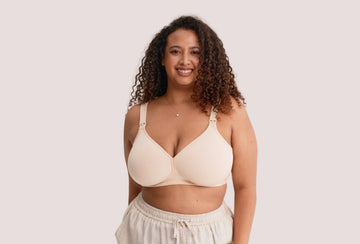
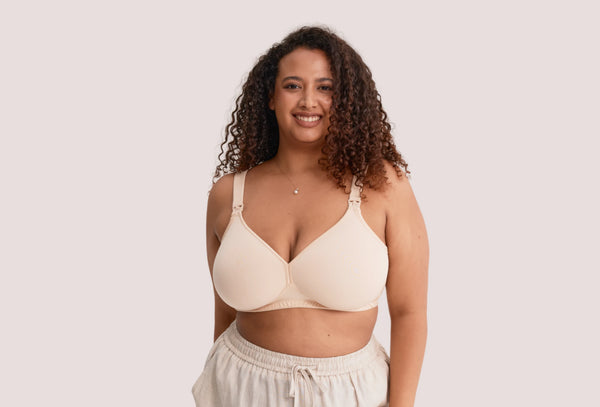
The Momcozy AirMesh Busty Nursing Bra is built with fuller-busted moms in mind, offering wire-free support up to an I cup through a firm elastic underband, deep molded cups, and a crescent-shaped internal sling that helps carry the weight for you during feeds. It's made from an airy, moisture-wicking spacer fabric with mesh-lined side wings for extra airflow, and at roughly 82g, it feels noticeably lighter than a typical nursing bra — so you stay supported without feeling weighed down or overheated. If you want to compare more options, you can browse Momcozy's nursing bras or nursing bras for large breasts to find the support and fit that works best for your body.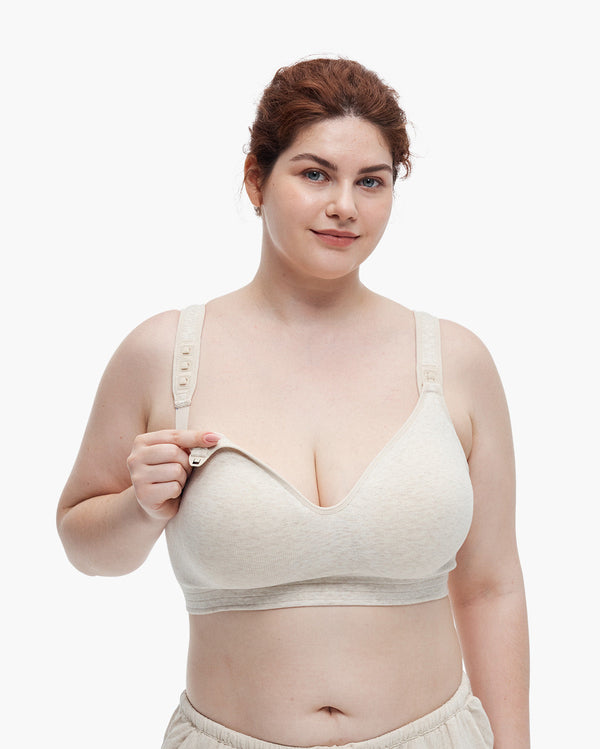 Member price
From$33.99
$39.99
Create a Comfortable Feeding Station at Home
You don’t have to create a special breastfeeding nook. The ideal arrangement is really just to be able to sit down, feed your baby, and not have to stand up every few minutes.
Before a feed, place the things you are most likely to reach for nearby:
- Water for you
- A burp cloth
- Your phone or something to keep you occupied
- A nursing pillow, if you use one
- A light, breathable layer for yourself
- A fan or cool air nearby
If possible, transfer the longer feeds to the coolest room in the house during the hottest time of the day. Close the curtains when the sun is directly heating up the room, and switch on the air conditioning or a fan to maintain the room temperature at a comfortable level. If you are using a fan, position it in such a way that it cools the room and not directly on your baby.
Keep Baby's Clothing Light Too
You don't have to put layers of clothes on your baby just because you are nursing. In fact, thin, season-appropriate clothes are often more comfortable as the weather gets warmer. You are only trying to keep the room cool enough so that neither of you is overheating during the feeding.
Do Warm Breasts Mean Mastitis?
No. Warm breasts can have a typical appearance when breastfeeding, particularly if you’re coming in with your milk supply or your breasts are full more than usual. During the first days and weeks following delivery, the CDC states that the breasts can become full, firm, and warm as they begin producing milk. Engorgement can cause similar feelings.
Warmth by itself is not mastitis. Be more alert for heat if progressive pain, swelling, redness, or malaise is present, particularly if the symptoms are confined to a single location.
Is It Mastitis or My Milk Coming In?
Another clue can be timing. Within the first days and weeks after birth, both breasts may become engorged, firm, warm, and tender as your body learns to make milk. This is usually a sign of normal engorgement.
Mastitis is inflammation of the breast that can cause localized pain, swelling, redness, and fever. The Academy of Breastfeeding Medicine classifies mastitis as a spectrum of inflammation, and warmth is not sufficient to make the diagnosis.
If you are concerned, a health care provider or lactation professional can help you identify the cause of the changes.
Symptoms of Mastitis
Heat is more worrying when it is accompanied by other symptoms, such as:
- Pain in the breast that is getting worse or feeling tender.
- Localized swelling or redness
- A section that feels persistently hot
- Fever or chills
- Feeling overly tired or sick
- Symptoms that are getting worse.
Anywhere between one and all of the symptoms can be present, but it doesn’t always mean mastitis. The degree and the course of symptoms are important. Contact your healthcare provider if you develop a fever or start to feel very unwell or if the breast pain, redness, and swelling get worse. You can usually continue to breastfeed while you are receiving medical advice.
Breast Milk Temperature: How Hot Is Too Hot for Breastmilk?
Breast milk doesn't need to be warmed at all — plenty of babies happily drink it cold or at room temperature, while others prefer it warm. If you'd rather warm bottles at home, the Momcozy 6-in-1 Fast Baby Bottle Warmer offers a quick, even way to bring milk to temperature, and you can browse more options in Momcozy's baby bottle warmers collection.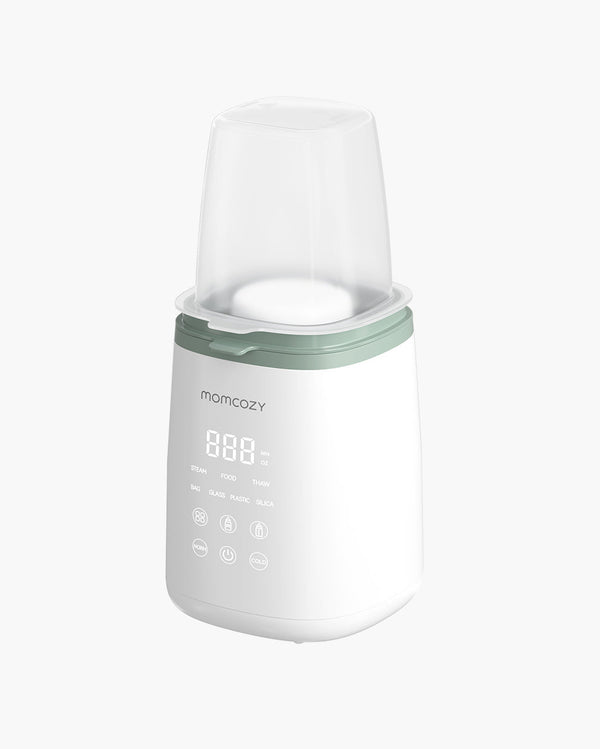 Member price
From$39.99
$59.99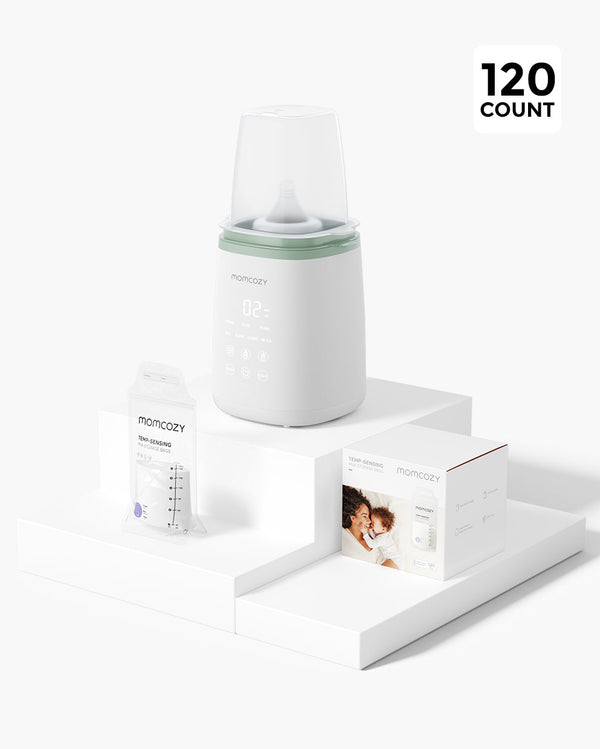 Member price
$53.99
$79.98
If you're warming expressed milk, go for warm, not hot. The CDC recommends warming a sealed breast milk container by holding it under warm running water or immersing it in a clean container of warm water. Then test a few drops on your wrist before feeding — it should feel warm, not scalding.
Never thaw or heat breast milk in a microwave. It heats unevenly, which can burn your baby's mouth, and it can destroy some of the milk's nutrients. Thaw it in the fridge overnight, or hold the sealed container under lukewarm running water.
Would a Baby Cry If Milk Was Too Hot?
If the milk is too warm, a baby could spit it out, pull away from the bottle, or even cry at times, but for other babies, it’s not an immediate reaction. Always do your own temperature check.
You should try a few drops on your wrist. The milk should be warm enough to make you feel warm, not hot. If it’s too warm, just get it a little cooler and test it again. If separated, swirl the bottle to mix it gently.
Travelling and Breastfeeding in Extreme Heat
You don’t have to stop breastfeeding just because it’s hot outside. The greater challenge is to ensure that you, your baby, and any milk you have expressed remain comfortable and safe while you are away from home.
If you pump on the road, proper chilling of the expressed milk is even more important. Use an insulated cooler with frozen ice packs to carry expressed breast milk for a maximum of 24 hours, per the advice of the CDC.
A dedicated cooler can make this easier to manage. The Momcozy Portable Baby Bottle Cooler for Outdoor – 22oz is built to hold expressed milk at a safe temperature while you're out, with enough capacity for a day of feeds and a compact design that fits easily into a diaper bag. For more sizes and styles, take a look at Momcozy's breast milk coolers collection.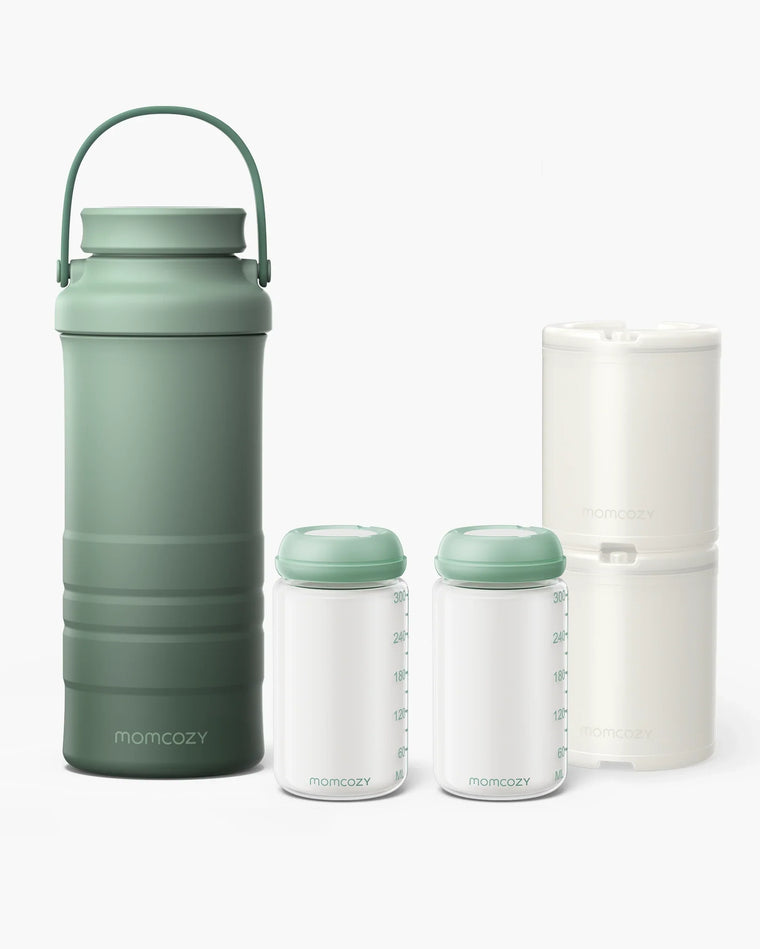
For a smoother day in the heat:
- Feed or pump around your usual routine. You generally do not need to change feeding patterns simply because the weather is hot.
- Chill expressed milk promptly. Do not place it in warm pockets or bags, under direct sunlight, or inside a car.
- Refrain from opening the cooler too often. Keeping it closed keeps the milk cold.
- Feed in a cooler spot. Shade, air conditioning, or a breezy room can make feeding a lot more pleasant.
- Have water for yourself. Keep it near you, so you can drink throughout the day.
For babies who like warm milk, feeding on the go can be a bit of a pain. You won’t always be where you can get hot water or have an easy way to heat a bottle, like on long road trips or days out on the trails. A baby bottle warmer simplifies these times, and a portable bottle warmer is made for travel. If you are looking for a travel bottle warmer that can warm breast milk or water while you are out and about, then you should bring the Momcozy Superfast Portable Baby Bottle Warmer for Travel with you. It is designed to warm milk or water quickly without needing a kitchen setup, so you can prep a bottle almost anywhere. You can browse more travel-friendly options in Momcozy's portable bottle warmer collection. Whichever warmer you use, always test the milk before serving to make sure it's comfortably warm, not hot — remember, cold or room-temperature milk is perfectly fine for babies who prefer it. 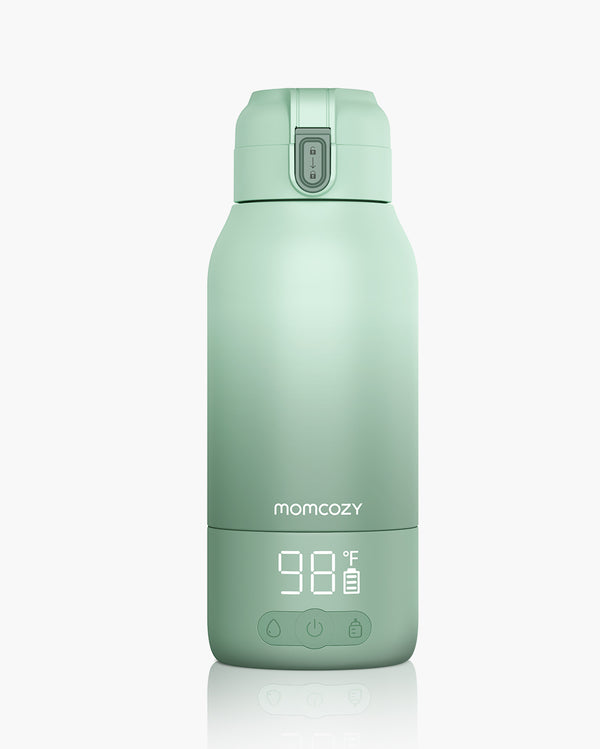
 Member price
$159.99
$169.99Kodem Zaoszczędź 10%
And above all else, prepare for the heat. No matter what, don't ever leave your baby alone in a parked car, not even for a second. Cars can heat up rapidly—and your baby is especially vulnerable to heat.
FAQs
Do Breastfed Babies Need Extra Drinks in the Heat?
In most cases, no. According to the CDC and the Academy of Breastfeeding Medicine, exclusively breastfed babies under 6 months don't need extra water, even in hot weather. Breast milk provides all the water a baby needs. Your baby may want to breastfeed more often than usual when it is hot, which is fine. For older babies, fluid requirements vary depending on the foods and drinks they are also having.
Can You Breastfeed Outside in Hot Weather?
Yes. Choose a shady or cool spot, dress your baby in as little clothing as possible, and don't let him or her stay out in the sun too long. A breathable nursing bra, loose-fitting clothes, a comfortable place to sit, and some water for yourself will help make outdoor feeds go more smoothly.
How Often Should I Feed My Baby in Hot Weather?
Follow your baby’s hunger and feeding cues instead of the clock. A baby may also nurse more often in hot weather for hydration. For young babies, breastfeed as usual rather than offering water feeds. If your baby is very sleepy, feeds poorly, or has fewer wet nappies, consult your paediatrician.
Conclusion
Breastfeeding hot can be various things—breasts are warm as milk comes in, or you’re just overheated after a long feed on a summer day. The warmth is rarely the thing to concern you about. It is when heat is accompanied by persistent pain, redness, swelling, fever, or if it makes you feel ill, that it may require a medical intervention, as these symptoms can be signs you should see a doctor.
For breastfeeding hot moms who are carrying a bit too much heat in their body, the fixes are usually simple: cool the room with a fan or air conditioning (opening a window only helps if it's actually cooler outside), keep water within reach, nurse on demand, test the temperature of warmed milk before feeding, and ensure that pumped milk remains adequately chilled while you're out and about. When you are familiar with what normal warmth is and what is a sign of a problem, breastfeeding hot gets a whole lot easier to make sense of—and a whole lot easier to handle.









