



One of the biggest changes that many new moms face after birth is their breast size. Huge lactating breasts are normal and can be attributed to increased blood flow, growth of glandular tissue and milk production to support the baby's needs. This is perfectly normal, but may cause discomfort in the form of tenderness or engorgement in the early weeks. Knowing what to expect and how to cope with the pain of breastfeeding can make the experience less painful and more comfortable. In this guide, we will discuss the reasons for large breasts, practical relief tips and symptoms that may require doctor consultation.
What Happens to Huge Lactating Breasts When Milk Comes In

The first wave of milk produces noticeable changes in breast size and sensations throughout the day. This transition typically begins a few days after birth when the body shifts from colostrum to milk production, which is sometimes called “milk coming in.” It is at this time that the growth can be most noticeable to many moms, and even those who have already experienced the growth may be surprised the second or third time. Knowing what to expect and why it occurs can help relieve worry about whether the changes a mother is feeling are normal or something to be concerned about with a doctor.
Why a Lactating Breast Is Much Heavier Than Before
After two to four days, the tissues of the breast become full of milk, blood and lymph, and production has improved. The resulting mix can make each breast look larger than normal, even up to twice its normal size for a while. The weight is typically higher during the first week or two until the body adjusts the amount of milk to the baby's needs. For mothers who are in need of additional support in this phase, they can go through Momcozy's nursing bra collection to find out what options are built to handle the added fullness.
Big Lactating Breasts vs Normal Breast Size During Feeding
Breast size changes throughout the day and over the course of breastfeeding. Breasts feel fuller and tighter before a feed, and softer after, which is normal and is a sign that milk is being well extracted. It's also common for breasts to stay noticeably larger than they were before pregnancy for as long as you're breastfeeding, since the glandular tissue that produces milk takes up more space than it did beforehand. That size doesn't fluctuate only within a single feed. It also tends to settle at a new baseline for the whole breastfeeding period, which is larger than your non-pregnant size and only gradually returns closer to it after you stop nursing. Differences in glandular tissue mean some mothers stay fuller than others throughout breastfeeding. Momcozy's plus size bra collection for larger busts offers styles designed specifically for that need.
What Is Breast Engorgement?
Breast engorgement is when the breasts become overfull, hard, swollen and uncomfortable as a result of having too much milk, fluid and blood. It is normal in the first few days of breastfeeding when supply is adapting to baby's needs, as well as later, if a feed is missed, not fed on demand or if weaning is initiated. A full breast is an uncomfortable breast, and a full breast can be harder for your baby to latch onto for feeding, so it is important to recognize and take action when your breast is full to make it comfortable and easier for your baby to feed.
What Does an Engorged Breast Feel Like?
Fuller-looking breasts may be shiny or stretched and feel tight, warm and heavy. Some women talk of a 'throbbing' or 'pulsing' feeling, and the breast might feel 'lumpy' or uneven as the milk gathers in various areas of the breast before it drains evenly. In more serious cases, the breast may feel rock hard to touch, and will feel uncomfortable under light pressure from the clothes or the bra. Some milk will usually go down after the milk is pumped out (or milked out) by nursing/expressing, but for more severe engorgement it might be hard to latch on for a good, comfortable feed, which may need to be dealt with in another way.
Breast Engorgement vs Hyperlactation
Engorgement is often associated with temporary overproduction of milk, such as happening when a feeding is missed or during the first days of milk production, while hyperlactation is an excess of milk production over a longer period of time. Mothers who have hyperlactation may experience continued fullness, frequent leakage and a quick letdown, even if feedings are regular. A lactation consultant can assist if the oversupply persists for the first few weeks and determine the cause of the situation and modify the feeding pattern.
Breastfeeding with Huge Milky Breasts: Positions That Work

It may take a bit of adjustment to find a comfortable latch if your breasts are heavier and fuller. The football hold (baby tucked under one arm at your side) often gives you more control and a clearer view than positions with the baby across your chest. Side-lying is another position worth trying, since lying down means you’re not holding the breast’s weight against gravity for the whole feed, which can ease strain on your arms and back. Use a C-hold to support and gently lift the breast, so it doesn’t block the baby’s nose or lead to a shallow latch. A nursing pillow can also help by supporting the baby at a comfortable height and easing strain on your arms and shoulders during a longer feed. [a][b]
Tips for Breastfeeding with Larger Breasts
For those who have larger breasts, breastfeeding may be a bit more of a challenge, particularly in terms of positioning and the kind of support you need. With a few simple tweaks to routine and gear, feeds can feel less like a chore and more like a manageable day-to-day. These tips can help make the transition easier and more comfortable, whether it's your first week or a few months after birth.
Get a Good Bra Fitted
One of the best ways to deal with discomfort while nursing is to wear a good-fitting nursing bra. Bra straps that are too tight can constrict milk ducts and cause clogged milk ducts, and bra straps that are not supportive can cause back and shoulder strain, particularly as the breasts get heavier during the day. Breast size can also vary greatly in the first few weeks, so it is recommended to be refitted rather than assuming the pre-pregnancy or early pregnancy size will still fit. The Momcozy AirMesh Busty Nursing Bra is designed with fuller busty moms in mind, with breathable fabric and a supportive design that does not irritate sensitive skin. Wide and adjustable straps can help distribute the weight throughout the day and reduce the pressure points that happen during extended feeding sessions, plus they're breathable.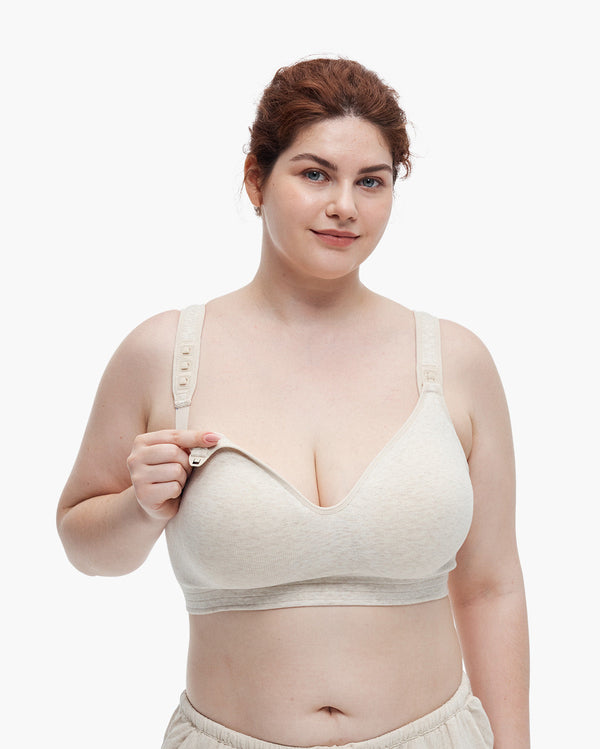 Member price
From$33.99
$39.99

Understand the Difference Between Breast Size and Milk Output
The size of the breast is more dependent upon the amount of fat tissue than the amount of milk-producing glandular tissue. This is because a mother who has big breasts doesn't necessarily have more milk than a mother who has small breasts, and vice versa. Acknowledging this can help alleviate anxiety for mothers who are petite, as well as those who might wonder if their body isn't working enough, or for mothers who might wonder if their body is producing too much breast milk and must be managed in some way because of the large size of their breasts.
Feed or Pump on a Consistent Schedule
The longer you go between feeds or pumping sessions, the more uncomfortable and full they will feel because milk will still accumulate in the breast regardless of the feeding schedule. Consistency, even if it's not right to the minute, can help to regulate supply and decrease the risk of engorgement developing out of nowhere. This is particularly helpful with growth spurts and when schedules change, as feeding habits change the most at these times.
Sleep in a Position That Reduces Pressure
Lying on the belly or lying too close to one side can put extra pressure on sensitive breast tissue. Sleeping on your side with a pillow tucked between your arm and your chest, or propped up slightly with extra pillows, can ease discomfort at night and help prevent waking up to an unexpected leak or pain.
How to Care for Huge Lactating Boobs

There's no need to do anything fancy to help manage the discomfort of heavier, fuller breasts; just some consistent habits that help keep them comfortable all day. The majority of these strategies are centred around lowering stress, promoting appropriate drainage and spotting early signs of discomfort before they grow into more severe problems like clogged ducts.
Wear a Comfortable and Supportive Bra
When it comes to comfort, it all begins with the right foundation. A soft, flexible, well-fitting bra will take the pressure off the chest and shoulders, as well as be essential if the breasts are heavier than normal and worn on a regular basis throughout the day. Also, don't use underwire in the first few weeks, as it can cause pressure points that may cause blocked ducts, particularly in areas where breast size changes, causing the underwire to sink.
Use Warm and Cold Compresses Strategically
A warm compress before feeding can help to stimulate milk flow by relaxing the tissue and helping to stimulate letdown, and a cold compress after feeding can help to soothe swelling and discomfort and reduce inflammation. Alternating the two, as per the time of day and the level of fullness in the breasts, is a simple approach to symptom management without the use of medication, and many mothers find a short warm compress just prior to feeding, followed by a cold compress after feeding, works well as a daily routine.
Express a Small Amount of Milk for Relief
If the breasts feel full, hand expressing or pumping enough to take the pressure off may alleviate the discomfort of overfull breasts without causing an oversupply cycle to begin. The more the breast is emptied, the more milk the body will produce, which may be more than mothers want, especially if they have a generous supply.
Stay Hydrated and Watch for Early Warning Signs
Staying hydrated supports how you feel overall, and feeding or expressing often is what actually helps prevent and relieve engorgement. It also aids in early detection of any problems, which are often the first signs of trouble and include a small hard lump, localized redness, or a warm spot on the breast that can be avoided from developing into a clogged duct or mastitis.
Things You Didn't Know About Your Lactating Breasts
Many things are not widely discussed about breastfeeding outside of parenting circles or lactation consultations that happen with breastfeeding breasts. We have a few facts that may help to make some of the guesswork go out the window and set some realistic expectations for the first few months.
The Size of the Breast Does Not Determine How Much Milk You Produce
The size of the breast has nothing to do with the supply of milk; only on the amount of glandular tissue and its capacity to produce milk. Women with smaller-sized breasts can still produce a full milk supply, and women with larger-sized breasts can also make a full milk supply, but may have to manage their milk supply if they have oversupply. It's one of the most frequently reported misunderstandings that new moms experience, and knowing about it can help stave off unnecessary stress on both sides.
The Milk You Produce Each Day Is Different
The amount and quality of milk produced vary from day to day and even within a feeding. The foremilk will be lighter and more hydrating, and the fattier milk will come later and have more calories. This can also be related to the baby's level of stress, fluid intake, and when the baby last fed and is the reason why some feeds may feel more productive than others even during the same day.
Breast Fullness Can Change Dramatically in the First Few Weeks
Many mothers will find their breasts are much fuller and heavier the first 2-3 weeks after giving birth than they are a few months later. This is a normal process of the body adjusting its supply to its need and will gradually improve as the body gets used to the fullness of the early days.
Breast Shape Can Temporarily Change During Feeding
One breast may look or feel fuller than the other, particularly just before or after a feeding, or the shape of the breast may vary slightly, depending on when milk was last removed. This asymmetry is generally only short-lived and will tend to balance out as the feeding patterns become more consistent.
How to Treat Breast Engorgement While Breastfeeding

The direct treatment for discomfort is to relieve engorgement, which is best done by frequent and effective feeding/pumping to remove some of the milk that causes discomfort. Massaging the breast before or during breastfeeding can also help to soften any parts that are firm or lumpy so that milk comes out more easily. Cold compresses are used between feedings for swelling, and over-the-counter pain relievers, if needed, can help provide some extra comfort. If engorgement does not improve in a day or two, or if there is a fever or redness, a lactation consultant should be consulted, as it may be a more serious problem, such as mastitis.
What Not to Do When Breasts Are Engorged
It's best to avoid skipping feedings altogether, since this can make engorgement worse rather than better. Also, pumping vigorously to empty the breast is not advisable, as it can lead to oversupply and make it more difficult to control the pumping cycle. Tight undergarments or clothes that squeeze the chest may hinder milk flow and lead to clogged ducts, so it is better to have either a good-fitting or breathable outfit. Extended heat application with no feeding immediately following is not advised, as it may cause more swelling.
FAQs
Is It Normal for Breasts to Get Huge When Milk Comes In?
For most mothers, it's normal to see an increase in breast size when milk comes in.
How Long Does Breast Engorgement Last?
Engorgement is usually most severe during the first few days after milk production begins, and usually subsides within 1-2 weeks as milk production is stabilized. If it lasts longer or gets worse, it's important to see a OB/midwife、IBCLC/lactation consultant".
Can Large Breasts Cause Breastfeeding Problems?
Breastfeeding does not necessarily pose a problem with larger-sized breasts; however, it may take some time to adjust to the positioning of the breast and the use of a bra. Talking to a lactation consultant will help solve individual issues.
Conclusion
Huge lactating breasts are a normal, temporary aspect of breastfeeding, caused by surges in milk production, blood flow, and tissue changes. The fullness and sometimes pain can be overwhelming, but with an understanding of what's going on in the body as well as correct support and feeding, it can be quite manageable. Most mothers can get their body to adjust to breastfeeding in the first few weeks with a properly fitted bra, regular feeding times, and minimal comfort measures.









