


Key Takeaways
- • Children learn how to do new things while they are playing, moving their bodies, or making connections with other people.
- • Small things are just as important as the things that are planned.
- • World exploration begins with sensory play.
- • Newborns respond well to brief activities.
- • Children are able to enjoy playing outside.
- • Safe equipment, such as strollers or carriers make outdoor playing safe.
Newborns leave you feeling uncertain, as many new moms and dads question what actually is the purpose of doing anything with the tiny human. These tiny beings, however, are involved and each of the being, even in the earliest weeks, is valuable. Every brief moments are very important. Conversing with them, feeding, cuddling, quiet, swaying, or humming are all moments that play a role in the developmental growth of the young baby.
Little kids do not need anything flashy like toys with lights or things that make noise. All that little kids need is your presence. Your love and devotion, like time spent on even quiet play instead of loud toys, will do a lot to develop your baby as they remain secure and feel your devotion.
Simple and even calm things are what this guide is about. The little moments in this guide will help build structural and emotional growth. These simple things help build steady development and will aid in wonder.
Why Newborn Play Is Important

It may seem odd to consider playing as an essential aspect of your infant's growth. From the first day of life, babies begin to recognize the sounds, people, and soft touches in the environment. Each of these targets of attention builds new connections in the infant's brain. Even quiet playing supports the formation of mental connections, in addition to fostering the emotional arena of infant's personality.
Every smile, word, or response to the baby’s cooing and baby talk prompts new learning – they will begin to recognize the patterns of actions triggering reactions. Noise from the baby signifies somebody's presence.
Playing is also beneficial in developing:
- the brain
- muscles
- language
- emotional bond
There is no need to be in a hurry or rush when around a baby. Slow and quiet moments together will do more to build trust with the small infant than busy loud activities.
Simple & Bonding Activities for Infants

Bonding relationships for the first time let your little one feel love, safety, and closeness from you. Daily routines present true opportunities to engage. Small moments like changing a diaper or preparing for sleep can grow to stronger relationships from chatting, smiling, or swaying softly to a tune.
Some easy ideas include:
- Talking to your little one during diaper changes
- Singing gentle songs or simply humming Eye contact and smiling
- Smoothly caressing your little one after tub time
- Looking at tiny, illustrated books
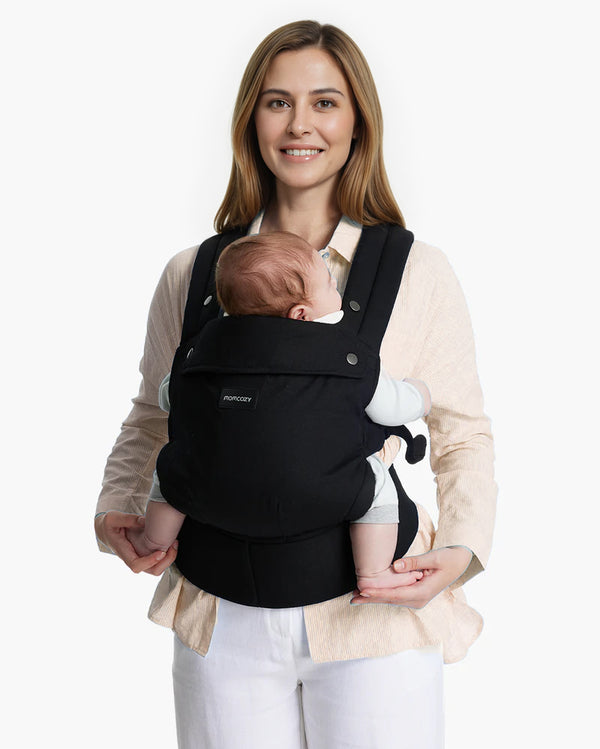
Building a close bond by cuddly looping your little one with a hug is facilitated with a baby carrier from the Momcozy baby carrier collection, like the Momcozy Ergonomic Baby Carrier, and gives you the freedom for your hands while being near your little one indoors.
Member price
From$53.99$59.99

Member price
$137.99$144.98
Sensory Activities for Infants

Babies experience life through the five senses Sight, touch, and sound, letting babies work through life. As the babies move through space, little observations accumulate and help further build the cognitive links that help the baby understand the world around them.
Little babies get overwhelmed and flooded with all sorts of input quickly, so it is better to focus on just one sense at a time.
Check out these calm sensory ideas:
- Use the softest baby textiles for them to touch and explore.
- Gray-scale images and simple shapes can be shown to babies.
- Sounds of the forest and soft music can be played.
- You can narrate the actions you take.
Fun Activities for Infants

Playing for little ones isn't like playtime for kids who are older. Tiny babies don't care about loud sounds or quick actions to have a good time. What matters most is bonding, seeing people they know, and also soft ways of engaging.
Playing basic games lets your baby notice faces, actions, or noises. Besides building closeness, they give your little one comfort and joy.
Try these cool things you can do:
- Making gentle facial expressions
- Playing peek-a-boo with a soft cloth
- Tummy time with encouragement
- Dancing slowly while holding your baby
- Looking at mirrors together
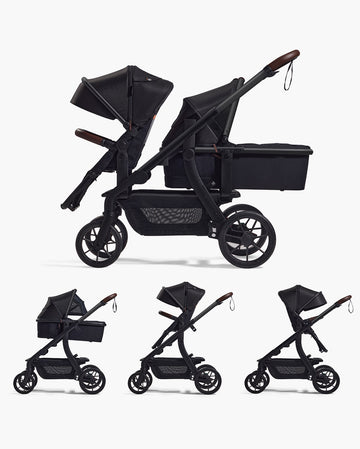
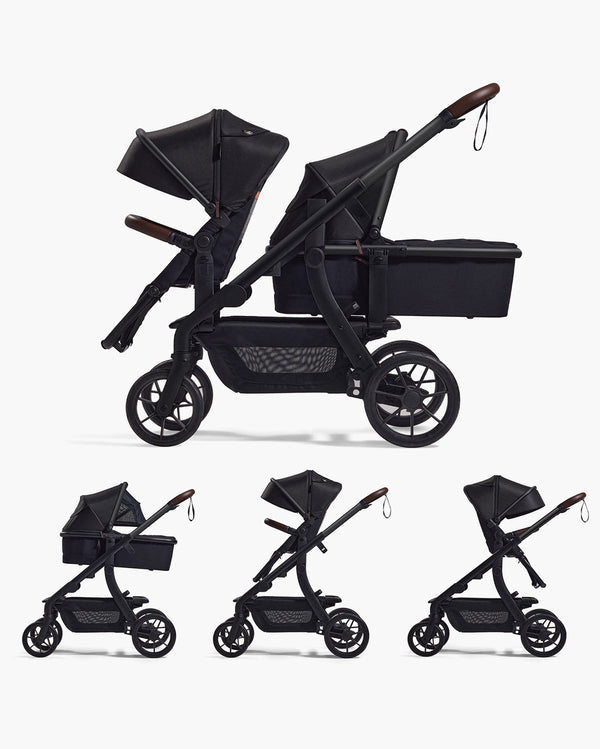
Time outside might feel nice or peaceful. The Momcozy ChangeGo Baby Stroller, part of their baby collections of lightweight stroller, offers a comfy spot where babies lie flat safely, looking at leaves, sky, plus slowly passing scenery.

Member price
$653.38$725.98
Free Things to Do With Your Baby
Just hanging out with your baby won't break the bank. A lot of deep connections come up in basic day-to-day stuff. Little ones love tagging along with you, picking things up as you go.
New views or noises spark curiosity in your baby. A tiny shift around them might seem thrilling.
Some suggestions include:
- Walking around the neighborhood
- Sitting adjacent to the window
- Having a conversation while working on different things
- Singing classic children's songs
- Reclining on the floor next to each other
What Can You Do With a Newborn at Home?
Newborns spend most of their time eating, sleeping, and adjusting to life outside the womb. At this point, any play needs to stay soft, quiet, yet brief. A couple minutes of contact here and there already helps.
Home’s the place your baby feels most secure. Little things let them get used to how you sound, find calm in your hold, yet start noticing what’s around them bit by bit.
At home, you can:
- Speak quietly while feeding
- Get your baby on their belly now and then
- Cuddle your little one against your bare chest
- Read short stories
- Sing quiet songs
Those calm times make your baby feel safe, held together with care while they develop.
How to Play With a Newborn at Different Stages
Prior to when they turn one, babies will go through practically twice as much growth as in years one to two, so the most enjoyed forms of play will change in small time frames as well. Selecting activites that suit a child's age do well in keeping in keeping the mood fun.
0–2 Months: Gentle Bonding Time
Right now, play is about comfort and connection. Since the little one is still adjusting to the world, more gentle and calm interactions, over playful ones, are more suited to your child.
You could consider:
- Light chatting or playing soft music
- Making eye contact while feeding
- Skin-to-skin contact while cuddling
3–4 Months: Curious and Alert
At this point, your little one begins picking up on noises and motion a bit more. Games might get slightly back-and-forth - yet keep things gentle.
Try adding:
- Quick belly-down practice times
- Allowing your child to grab playthings
- React whenever they start making noises
Your little one’s starting to see how things they do make a difference - so every move counts.
5–6 Months: Moving and Exploring
Let babies touch and grab things around them. They're eager to crawl and will appreciate tactile activities. Make sure to supervise them as things will get a little rougher.
Some ideas to try include:
- Replay games on a soft mat
- Sitting with support
- Safe objects that are easy to pick up
Safety Tips
Remember a few things to stay safe:
- Keep an eye on your little one at all times
- If your baby seems cranky or worn out, take a break from playing
- Pick playthings suited to how old your little one is
- Keep holding the head along with the neck
Folks stay safer when they’ve got the right equipment. For trips or active moments, strollers and carriers need to hold the head and torso securely - so things don’t go sideways. Look for safe and trusted carriers from Momcozy’s baby carrier collections.
How Can You Help Your Newborn Learn Through Play?

How Can You Help Your Newborn Learn Through Play?
Infants learn things through simple interactions. No classes, devices, or modern technology are required. Development begins when your child feels safe and secure because they are with you.
Playing teaches babies how to understand sounds and facial expressions, how to manipulate objects, and how to use their bodies. Some activities are especially good at helping their brains to grow.
The simplest and one of the most effective ways to promote learning in children is talking. No complex sentences are required. You can label the items in the environment, or simply describe what you did earlier in the day. Hearing your voice is what babies learn to recognize before they start talking.
Learning can be fun and easy using these simple methods:
- Talk to your little one now and then while you go about your day
- Grin while looking people in the eyes now and then
- React to noises or motion
- Play your go-to games again - also give old tracks a spin
Conclusion
Babies are easy to connect with. Simple things to do with infants every day with them build trust and safety, and help them grow.
They can grow during everyday tasks and play as long as you are using safe tools and play softly. At home or out in the world, the beast part is being present. Trust your gut and enjoy every moment. Just watch and see how your baby reacts.








