


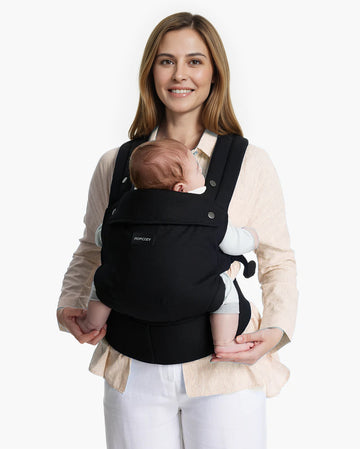
How to dress a newborn in winter involves layering, indoor and outdoor strategies, and practical tips for winter walks to keep your baby warm, safe, and comfortable.
When new parents are trying to keep their babies safe and warm in the winter, it can be hard. It can be overwhelming to find the right mix between warmth and overheating, especially in the first few months. You can feel sure that this complete guide will help you get your baby ready for cold weather, both inside your home and during outdoor adventures.
Key Takeaways
Here are the most important points to remember about winter dressing for newborns.
Babies need one more layer than adults in similar conditions. The layering method gives you flexibility as temperatures change throughout the day.
Always check your baby's chest or neck to gauge their actual temperature, not their hands or feet.
Remove extra layers before placing your baby in a car seat, as bulky clothing compromises safety harness effectiveness.
Room temperature should stay between 68-72°F for optimal sleep, and babies should never wear hats indoors while sleeping due to overheating risks.
Understanding How Babies Regulate Temperature
Newborns have developing temperature control systems that work differently from adults. Their small body mass and higher surface-area-to-weight ratio mean they lose heat faster than grown-ups. During the first few weeks, babies cannot shiver to generate warmth like older children and adults can. Their ability to control body temperature improves gradually over the first several months of life. At the same time, their immature systems also struggle to cool down efficiently, making overheating a real concern even during winter.
Since babies have less control over blood flow to their extremities (hands, feet, and head), they are more vulnerable to cold. That is why mittens, socks, and hats are essential equipment for cold weather outings.
Why Dressing Babies Right in Winter Matters
Proper winter clothing protects your newborn's health and comfort in several important ways.
- Cold stress affects growth. Babies who get too cold burn extra calories just trying to stay warm. This energy expenditure can interfere with weight gain during crucial early months when every ounce matters.
- Overheating creates risks. Dressing your baby in too many layers causes overheating, which has been linked to increased SIDS risk. Overheated babies also sleep poorly and wake up fussy and uncomfortable.
- Breathing needs balance. Cold air can irritate delicate airways and make breathing harder for tiny lungs. On the flip side, too much bundling indoors creates stuffiness that also affects how well your baby breathes.
Finding the right balance keeps your baby comfortable, helps them gain weight properly, and lets them breathe easily while staying cozy.
Tips and Tricks for Dressing a Newborn in Winter

Mastering the art of winter dressing requires some practical strategies that make daily routines easier.
- Start with breathable base layers. Cotton or bamboo bodysuits work well against the skin. These materials wick moisture while allowing air circulation. Avoid synthetic fabrics that trap sweat next to your baby's body.
- Add insulating middle layers. Fleece sleepers or footed pajamas provide warmth without excessive bulk. Choose clothing with zippers rather than snaps for quick diaper changes, as nobody wants to struggle with dozens of fasteners on a squirming baby.
- Select appropriate outerwear. For outdoor excursions, a snowsuit or bunting bag keeps your baby warm. Look for designs that cover the legs completely while leaving the face visible. Convertible mittens that fold back when needed offer convenience. (Tip: If you are planning many outdoor trips, check out the Momcozy baby carrier collection for ergonomic options that fit well over winter layers.)
- Check temperature regularly. Place your hand on your baby's chest or the back of their neck, since these areas reflect core temperature better than hands or feet. If the skin feels sweaty or very hot, remove a layer. Cool but not cold skin means they're dressed appropriately.
- Protect the head and extremities. A soft, breathable hat prevents heat loss through the scalp. Mittens keep tiny fingers warm, while socks under footed clothing add extra insulation. Make sure nothing covers your baby's face or restricts breathing.
These tactics create a flexible system that can adjust to changing conditions throughout the winter. Temperature checks are still the most reliable method for changing layers as needed.
Nighttime & Indoor Dressing in Winter
Indoor environments need different clothing choices than outdoor settings, especially during sleep hours.
Nighttime Sleep Clothing
- Keep your home between 68-72°F for safe, comfortable sleep. This range prevents both chilling and overheating. A room thermometer takes the guesswork out of monitoring.
- Dress your baby in lightweight, breathable sleepwear, usually a onesie plus a sleep sack or wearable blanket. Sleep sacks provide warmth without the suffocation risks that come with loose blankets.
- Never put a hat on your baby for sleep. The head is a major heat release point, and covering it increases overheating risk significantly. Also avoid heavy pajamas combined with thick sleep sacks. Pick one or the other based on room temperature.
- Feel your baby's chest periodically during the night to confirm they're not too warm or cold.
Daytime Indoor Clothing
During daytime indoor hours, a simple onesie with pants and socks usually works well. Add a lightweight cardigan if your home runs cool.
Keep in mind that active babies generate their own heat during tummy time and play, so they may need less clothing than you'd expect.
How to Dress Your Baby Based on the Outside Temperature
Different temperature ranges necessitate distinct layering strategies for safe outdoor time.
| Temperature Range | Recommended Layers | Additional Items |
| 40-50°F | Onesie + pants + long-sleeve shirt + light jacket | Hat, socks, light blanket |
| 30-40°F | Onesie + footed sleeper + medium-weight jacket or bunting | Hat, mittens, warm blanket |
| 20-30°F | Onesie + footed sleeper + insulated snowsuit | Hat, mittens, warm blanket, face protection |
| Below 20°F | Onesie + thermal layer + fleece sleeper + heavy snowsuit | Hat, insulated mittens, blankets, limited outdoor time |
These guidelines serve as starting points. Wind chill, humidity, and sun exposure all influence how cold your baby feels. Always examine the weather conditions before leaving, and keep additional layers in your diaper bag. Shorter outings are best in extreme cold—even well-dressed babies shouldn't spend extended periods in harsh circumstances.
5 Helpful Tips for Keeping Baby Warm During a Winter Walk
Dressing your little ones based on the outside temperatures is not enough, especially if you plan to take your newborn outside during the winter months for fresh air. These practical tips will help you have safe, comfortable winter outings.
- Time your walks strategically. Midday hours offer the warmest temperatures and brightest sunlight. Avoid early morning and evening when temperatures drop significantly. Keep initial outings short, like 15 to 20 minutes, and gradually extend duration as your baby adjusts.
- Dress your baby right before leaving. Putting on winter gear too early in a warm house causes sweating, which actually makes babies colder once outside. Complete the final layers in your entryway or garage.
- Use stroller accessories wisely. Weather shields and rain covers block wind and precipitation while maintaining visibility. Ensure adequate ventilation to prevent stuffiness. Blankets tucked around your baby (but not over their face) provide extra insulation.
- Watch for signs of discomfort. Fussiness, red or pale skin, and cold chest indicate your baby needs to go inside. Don't rely solely on crying, as very cold babies might become quiet and lethargic.
- Stay flexible with plans. Wind, precipitation, and dropping temperatures might require cutting walks short. Your baby's comfort and safety matter more than completing a specific route or duration.
Pre-Walk Preparation: Tips for a Warm and Cozy baby stroller & Baby Carrier
The importance of gear preparations can be overstated. Setting up your gear properly makes winter outings safer and more enjoyable for both you and your baby.
Prepare the Stroller
Place a warm, fleece-lined footmuff or bunting bag in the stroller before putting your baby in. The Momcozy Universal Stroller Footmuff is an excellent choice here, as its ultra-plush, weather-proof design creates a cozy cocoon that fits securely on most strollers. These products fit around the harness system and provide insulation from below. Attach a weather shield if rain or snow is expected. Pre-warm the stroller by keeping it indoors until you're ready to leave.
The odor locking diaper pail earns its spot on your essentials list regardless of season, but parents of babies born in extreme weather especially appreciate its odor-locking design.

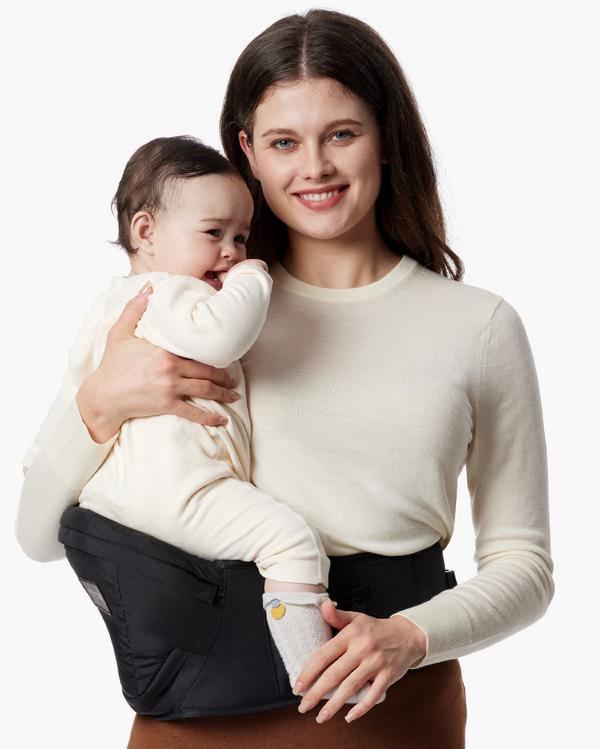
Choose the Right Carrier

Baby carriers keep your infant close to your body heat during winter excursions. Size up your winter coat or use a special carrier cover that fits over both you and your baby. The beauty of carriers in cold weather is the shared warmth—your body heat helps regulate your baby's temperature naturally. If you're wearing your baby under your coat, they'll need fewer layers since they're benefiting from your warmth directly.
For parents using carriers during winter months, consider two-in-one designs with widened, enlarged baby waist carrier hip seats like the Momcozy Wander360 Hip Seat Carrier. These roomier options accommodate the extra bulk that comes with dressing babies in multiple layers and thick clothing. Your baby can sit comfortably without feeling cramped or having their movement restricted by their puffy winter outfit. The expanded waist seat distributes weight more evenly across your hips, making longer winter walks more comfortable for you as well.
Pack Backup Supplies
Bring extra blankets, a spare hat, and an additional layer in your diaper bag. Conditions can change quickly, and having options available prevents cutting trips short unnecessarily.
Post-Walk Care: What to Do When You Come Back Indoors
Transitioning from cold outdoor air to warm indoor spaces requires attention to prevent temperature shock and discomfort.
- Remove outer layers immediately upon entering your home. Keeping a baby in heavy winter gear indoors leads to rapid overheating. Unzip snowsuits and remove hats and mittens first, then take off additional layers as needed. Check your baby's chest and neck to gauge their temperature, and if they feel hot or sweaty, remove more clothing.
- Offer feeding time shortly after coming inside. Babies expend energy staying warm outdoors, and nursing or bottle-feeding helps them recover. Watch for unusual sleepiness or continued fussiness, which might indicate your baby got too cold or too warm during the outing.
- Give skin a chance to adjust gradually. Don't place a cold baby directly into a hot bath. Let them warm up naturally at room temperature first. Check extremities for any signs of frostbite (white, hard, or numb skin), though this is rare with properly dressed babies on reasonable-length outings.
FAQs about Dressing Your Newborn in Winter
Q1: How Cold Is Too Cold for Baby?
Most doctors recommend staying inside if the temperature drops below 15-20°F, especially with wind chill. Even when wearing suitable clothing, extreme cold can cause frostbite and hypothermia. Newborns under one month old have poor body temperature regulation and require further protection. In cold weather, quick automobile journeys are OK; however, lengthier walks should be saved for milder days. Pay attention to wind chill since wind pulls heat away faster than still air does.
Q2: What Is the Ideal Room Temperature for My Baby During Winter?
To ensure secure sleep, keep your baby's room between 68 and 72°F. This range prevents overheating and keeps them from becoming overly cold at night. Rooms warmer than 75°F increase the risk of SIDS. Rather than guessing, use a room thermometer. Dress your kid in a onesie and a sleep sack appropriate for the temperature. Avoid using space heaters in the baby's room since they can cause fires.
Q3: How Many Layers Should My Newborn Wear Outdoors in Winter?
Dress your baby in one extra layer than you are wearing. At 30-40°F, a onesie, footed sleeper, and jacket are generally sufficient. If the temperature drops below 30°F, layer on thermals and a heavier snowsuit. Always wear a hat and mittens since newborns lose a lot of heat through their heads and hands. Touch your baby's chest to see whether they require adjustments, as hands and feet do not provide accurate readings.
Q4: Can My Baby Wear a Snowsuit or Bulky Winter Jacket in the Car Seat?
Never buckle your baby into a car seat wearing puffy coats. The padding compresses in a crash and leaves slack in the harness. Dress them in thin layers, buckle snugly, then add blankets on top. You can also use car seat covers that go over the buckled seat. Check the harness at the shoulders—if you can pinch any material, tighten it more.
Keep Your Baby Cozy All Winter Long
Finding the right balance takes effort, but these suggestions can help you build a good foundation for keeping your newborn comfortable during the winter months. Pay attention to your baby's specific indications and adjust accordingly. With careful layering, regular temperature checks, and dependable Momcozy carrier/stroller goods, you can confidently enjoy cold days while keeping your child safe and warm.








