


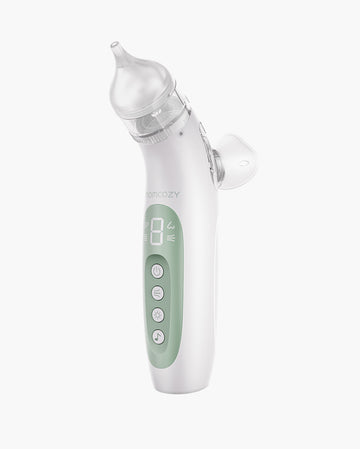
A baby nasal aspirator can remove mucus that is close enough to reach inside the nostrils. That can help when a stuffy nose makes feeding or comfortable breathing harder. How useful an aspirator is depends on the type of congestion, how often it happens, and which device feels easiest for the caregiver to use. For parents comparing nasal aspirators for babies, the main questions are what suction can realistically do, when having a device at home is helpful, and when the added control and convenience of an electric model may fit the family better.
Key Takeaways
- Nasal aspirators can remove reachable nasal mucus and may make feeding or breathing more comfortable, but they do not treat the illness causing congestion.
- An aspirator may be especially useful for recurring congestion, while its value also depends on mucus type, frequency, and caregiver comfort.
- Electric models can be useful when parents want powered, repeatable suction, adjustable control, or an alternative to bulb or oral suction.
- If congestion comes from swelling or mucus deeper in the throat or chest, a nasal aspirator may not reach the source.
- Fast or labored breathing, blue or gray color, poor feeding, dehydration signs, or unusual sleepiness need medical attention rather than repeated suction.

The Short Answer: Do Nasal Aspirators Work?
Yes. Nasal aspirators can work when the problem is loose or softened mucus that the device can reach inside the nose. A useful result is not only seeing mucus in the collection area. You may also notice that your baby feeds with fewer pauses or seems more comfortable breathing through the nose.
A stuffy sound does not always mean there is removable mucus. Swollen nasal tissue, dry mucus, deeper secretions, and normal upper-airway sounds can also make a baby sound congested. In particular, nasal aspirators are designed for nasal mucus rather than mucus already in the throat.
That is why stronger suction is not automatically more effective. The goal is to remove mucus the device can reach, not to make every noisy breath disappear.
How Does a Nasal Aspirator Work?
A nasal aspirator creates airflow that draws loosened mucus out of the nose and into a collection area.
The suction source depends on the design:
- A bulb creates suction as the squeezed bulb expands.
- An oral model uses caregiver-controlled suction through a tube.
- An electric model uses a small motor to create powered suction.
The basic path is simple:
Suction source → nostril opening → loosened mucus → collection area
Because the suction acts at the nose, a consumer nasal aspirator cannot pull mucus out of the lungs or directly clear phlegm from the throat.
Performance also depends on how the device is placed and used. A shallow, controlled approach to suctioning a stuffy nose helps target removable nasal mucus without turning this buying decision into a full technique lesson.
Is a Nasal Aspirator Necessary for Every Baby?
A nasal aspirator can be a useful care tool, but it is not a universal requirement for every newborn registry. Owning one becomes more useful when congestion happens often, a blocked nose disrupts feeding, daycare exposure leads to repeated stuffy days, or caregivers want a repeatable tool ready at home. It may also make sense when an existing method is difficult to use or rarely gives a useful result.
A wait-and-see approach can be reasonable when congestion is rare, simple comfort measures are enough, or the family prefers to buy only when a clear need appears. Registry popularity shows convenience, not medical necessity.
The practical question is whether the aspirator solves a problem your family is likely to face often enough to matter.
Match the Purchase to the Situation
| Situation | Likely Decision | Reason / Limitation |
|---|---|---|
| Rare, mild congestion | Wait or keep a simple option | If use is occasional, compare the added convenience of an upgrade with your budget and expected use. |
| Frequent daycare colds | Ownership may be more useful | Repeated need increases the value of quick setup, predictable operation, and easy-to-clean parts. |
| Thick or dry mucus | Preparation matters as much as suction | Mucus consistency and location affect results. More suction strength alone does not solve every case. |
| Caregiver dislikes oral suction | Consider bulb or electric | Comfort with the method matters because the device must be usable in real life. |
| Baby resists every attempt | Prioritise speed and technique review | Noise, touch, and restraint can affect usability even when the device works as designed. |
| Breathing or feeding red flags | Seek medical assessment | A buying decision should never delay the evaluation of symptoms that may need clinical care. |
Bulb, Oral, or Electric: Which Type Fits the Job?
Bulb aspirators are simple, compact, and inexpensive. Suction comes from the bulb returning to its original shape after it is squeezed.

Oral aspirators let the caregiver create and control suction through a tube. Some caregivers like that direct control, while others simply prefer a method that does not involve mouth suction.
Electric aspirators use powered suction and may include several control levels, rechargeable batteries, visible mucus chambers, or other convenience features.
The important differences go beyond power. Electric and manual nasal aspirators create and control suction in different ways, while tip design, cleaning, portability, and caregiver comfort can also affect daily use.
Across bulb, oral, and electric nasal aspirator types, the best fit depends on the baby’s needs and how comfortable the caregiver feels using the design correctly.
When Is an Electric Nasal Aspirator Worth It?
An electric model offers more value when the family expects regular use, powered controls make care easier, and the baby tolerates the device.
It may be worth considering for frequent congestion, one-handed setup, preference for powered suction, adjustable control, or frustration with a bulb that is hard to use consistently. Visible or openable mucus-contact parts may also make cleaning easier to inspect.
An upgrade may add less value when congestion is rare, the current manual method already works well, the baby strongly rejects the sound or tip, cleaning feels cumbersome, or replacement parts are hard to obtain. Higher price or more suction levels do not, by themselves, prove better outcomes.
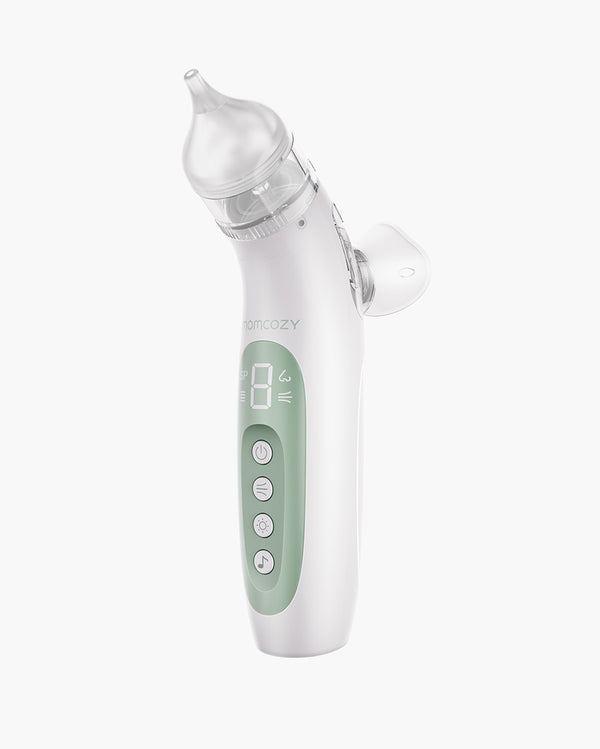
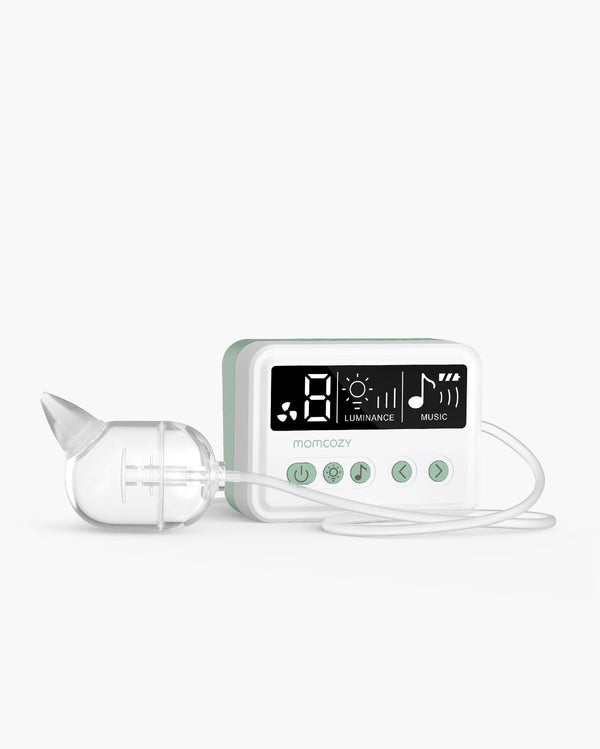
Families who specifically want mist preparation and powered suction in one device can consider the Momcozy BreezyClear™ 2-in-1 Spray & Suction Electric Nasal Aspirator after confirming the current age guidance, instructions, cleaning requirements, and fit for their situation.
Member price
$44.99$49.99
Why One Family Says It Works and Another Says It Does Not
Different results do not always mean one device is good and another is bad. Several practical factors can change what happens during suction.
Mucus type: Loose mucus close to the nostril is easier to remove than dry crusts or deeper secretions.
Tip fit: If the tip does not create the seal required by the device, airflow can be weaker.
Preparation: Thick mucus can be harder to move. Saline may help loosen thick mucus when used appropriately. For when and how to use it, see our separate guide to using saline drops before nasal suction.
Device condition: A low battery, blocked pathway, worn bulb, loose connection, or incorrectly assembled part can reduce suction.
Baby movement: A moving or upset baby can shorten the attempt, which makes fast setup and simple controls important in real life.
What Reddit Parents Agree and Disagree About
Parent discussions are useful for understanding real shopping concerns, although they do not prove that one type of aspirator is medically better.
One recurring theme is that speed, cleanup, and caregiver comfort matter during an actual attempt with a moving baby. Some parents are satisfied with basic bulb aspirators. Others place more value on powered models after repeated congestion or frustration with a manual setup.
Oral aspirators also divide opinion. Some caregivers like the direct control, while others are less comfortable with mouth suction. Babies can react differently to the sound, tip, timing, and feel of each device.
These experiences help explain why two families can give very different reviews of the same product category.
What to Compare Before Buying
| What to Check | Why It Matters |
|---|---|
| Age range and instructions | Confirm the model fits the child’s age and that tip-depth guards, contraindications, or product-specific limits are clear. |
| Suction control | A clear way to start low, pause, and stop makes the device easier to control. |
| Tip shape and softness | The design should match the product instructions and expected age range. |
| Cleaning access | Mucus-contact parts should open, rinse, dry, and reassemble as directed. |
| Replacement parts | Check filters, seals, tips, or other parts the model may require. |
| Daily convenience | Noise, size, battery or charging needs, travel storage, and one-handed use affect routine fit. |
| Warranty and support | Clear warranty terms and replacement support matter with repeated use. |
| Evidence behind claims | Terms such as “hospital-grade,” “doctor-designed,” or “clinically proven” should have clear product-specific support. |
With adjustable models, starting at a lower suction level and increasing only when needed gives caregivers more control than choosing a device only because it advertises stronger suction.
Safety Boundaries and When to Seek Care
Use any nasal aspirator according to its product instructions. Keep the tip at the recommended depth, begin gently, and stop if you notice bleeding, ongoing irritation, or unusual distress.
If little mucus appears, repeatedly increasing suction may not solve the problem. The stuffy sound could come from swelling, dry mucus, or secretions that the device cannot reach.
When mucus is present, clearing a congested nose can make sucking and eating easier, which makes feeding comfort a more useful measure than simply trying to make the nose silent.
A nasal aspirator supports routine nasal comfort, but some symptoms need medical attention. Fast or difficult breathing, ribs pulling in with each breath, blue or gray coloring around the lips or face, a major drop in feeding, dehydration signs, or unusual sleepiness should be assessed promptly.
When symptoms extend beyond mucus that can be reached in the nose, pediatrician-informed baby congestion relief becomes part of a wider care decision rather than a reason to keep increasing suction.

FAQs About Baby Nasal Aspirators
Can a Nasal Aspirator Remove Phlegm From a Baby’s Throat?
No. A nasal aspirator is designed for mucus that can be reached through the nose. It does not remove mucus from the lungs or directly clear phlegm already in the throat. Ongoing cough, breathing trouble, or chest symptoms may need medical assessment.
Should I Put an Aspirator on My Baby Registry?
Yes, it can be a useful registry item if you want nasal-care supplies ready before your baby’s first stuffy nose. The best choice depends on your budget, preferred device type, cleaning preferences, and whether you want a simple backup or a more feature-rich option.
Does Visible Mucus Prove the Aspirator Is Helping?
Visible mucus confirms that material has been removed from the nose. A more useful measure is whether your baby seems more comfortable afterward, feeds with fewer pauses, or has easier nasal airflow. Mucus removal does not mean the illness itself has been treated.
Can Siblings Share One Aspirator?
Follow the manufacturer’s cleaning, replacement, and sharing instructions for the exact model. Parts that touch mucus need the cleaning process specified by the manufacturer, and some replaceable components may have their own rules.
What if My Baby Hates Every Nasal Aspirator?
Pause rather than forcing repeated attempts. A calmer time, careful setup, and a device that is quick to control may make nasal care easier. If congestion continues to interfere with feeding or breathing, a healthcare professional can help determine the next step.
Conclusion: Buy for the Situation, Not the Category
A nasal aspirator can be useful when the problem is reachable nasal mucus and the chosen method fits both the baby and caregiver. It is not automatically necessary for every family, and an electric model is not automatically a better purchase. Consider how often congestion happens, whether feeding or comfort is affected, what simpler methods already achieve, how easy the device is to clean, and whether your baby tolerates it. Compare features only after the use case is clear, and seek medical guidance when symptoms go beyond routine nasal congestion.








