


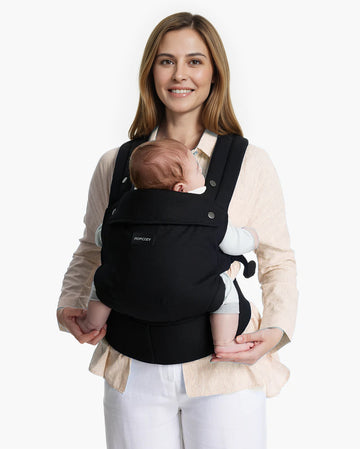
The best baby carrier for back pain is not automatically the model with the thickest lumbar pad. A genuinely ergonomic baby carrier should support baby’s position, keep the load close to your body, and distribute pressure through a waistband and shoulder system that fits you. This guide explains how to compare those elements, test them in real life, and recognize when discomfort calls for a fit reset, a different carrier, or professional advice.
Key Takeaways
- An ergonomic baby carrier may support a more balanced carry, but no design can guarantee pain-free wearing.
- Lumbar padding alone cannot solve a poor fit. Baby height, carry position, duration, and individual health all affect comfort.
- A supportive waistband should transfer load without digging or slipping; shoulder straps should steady the carrier without pulling you backward.
- Compare candidates with the same baby, clothing, approved carry position, and walking test because pressure distribution is individual.
- Stop and seek professional advice for sharp, worsening, persistent pain, numbness, or weakness.
What Does “Ergonomic” Actually Mean in a Baby Carrier?
Ergonomic describes a relationship among baby, caregiver, carrier, position, and task - not a regulated promise created by one feature label. For the caregiver, it means the load stays close, the waistband and straps share pressure, you can stand naturally, and the adjustments remain within a usable range. For baby, the exact model must suit the current stage, keep the face and airway visible, support the back, and follow the manual’s seat-width and positioning directions. An ergonomic claim does not establish medical benefit, universal comfort, or a fit for every body and baby.
Why Can a Baby Carrier Hurt Your Back?
Discomfort often comes from a carrier-body mismatch, an adjustment problem, a position or duration mismatch, or a health and recovery factor. Mechanical clues can include a baby hanging low, a slipping waistband, shoulders carrying most of the load, leaning backward, uneven strap tension, or fabric that sags. Mild fatigue is different from pain that worsens or changes how you move. Do not assume pain is expected or that buying another carrier will automatically fix it. Practical ways to ease the strain of carrying your baby and pediatrician-informed comfort and safety tips can support a careful fit check.
Back-Support Features: What Each One Can and Cannot Do
Features are worth comparing, but each one works only in the context of a secure, approved fit. Use this table as a try-on checklist, not as a promise that one design will solve discomfort.

| Feature | Potential role | What it cannot prove | Try-on check |
|---|---|---|---|
| Wide waistband | May transfer part of the load toward the pelvis and resist folding | A wide belt can still dig, gap, or slip on some bodies | Walk, sit, and check whether pressure stays even |
| Lumbar panel | May spread local pressure over a larger lower-back area | More padding does not correct poor baby height or strap tension | Check edge pressure and whether the belt stays level |
| X-shaped straps | May spread tension across the back and resist shoulder slip | Crossed straps do not fit every shoulder or mobility range | Confirm both buckles and adjusters are reachable and balanced |
| Padded shoulder straps | May reduce concentrated pressure during moderate wear | Padding can feel bulky or warm and may not shift load off shoulders | Check neck clearance and pressure after ten minutes |
| Structured fabric | May hold settings more consistently as baby grows | Stiffer structure can create body-specific pressure points | Move, sit, and confirm the panel stays supportive |
| Breathable mesh | May improve airflow during warm or active use | Mesh does not prevent overheating or remove the need for breaks | Test at your realistic indoor temperature and clothing |
Match the Support System to Your Body, Not a Pain Label
Do not choose a carrier by diagnosis or by the single location of discomfort. Torso length, belt placement, shoulder shape, chest depth, mobility, and clothing all change where pressure lands. Lower-back discomfort can be a reason to inspect baby height, belt level, leaning, and load transfer; shoulder or neck discomfort can be a cue to inspect strap path and tension. Postpartum recovery, prior injury, reduced strength, pelvic-floor symptoms, or surgery history call for individualized professional guidance, not a product-as-treatment claim. Fit considerations for plus-size caregivers can help you assess adjustment range, strap placement, and everyday comfort.
The Ten-Minute Fit and Movement Test
Standardize the comparison: use the same baby, approved carry position, clothing, indoor route, and ten-minute duration for each candidate. At minute 0, verify the manual, baby’s stage, panel or seat setting, buckle closure, visible airway, supported back, and a high, close position. During minutes 1-3, stand and walk; notice leaning, waistband roll, shoulder migration, baby sag, or adjustments that require awkward twisting. During minutes 4-7, sit, stand, turn, and make ordinary safe movements; record pressure points rather than waiting for severe pain. In minutes 8-10, remove and refit without coaching. A carrier may look supportive on paper but be impractical if you cannot reproduce the fit independently. A consistent baby carrier safety check helps confirm that fit and comfort never come at the expense of baby’s positioning.
Baby Positioning Is Part of Caregiver Back Support
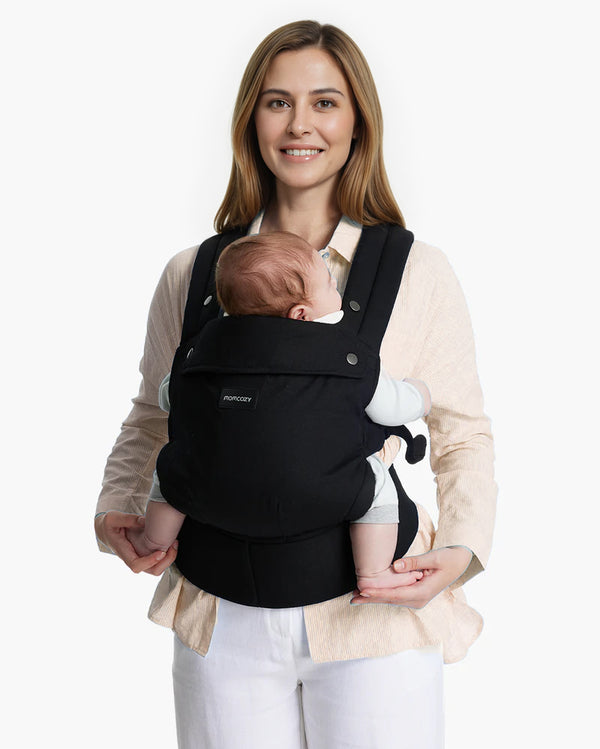
Baby’s position and your comfort are connected. If baby sits too low or away from your torso, you may compensate by leaning or over-tightening elsewhere. Yet adult comfort never overrides the non-negotiables: a visible face and airway, supported back, supported legs, and stage-specific position requirements. If an adjustment feels easier for you but changes baby’s approved position, stop and reset. The safest comparison is one that protects both baby’s support and the caregiver’s natural posture.
What Forum Discussions Reveal About Back Support
Parent discussions show a useful contradiction: some caregivers prefer a structured waistband and lumbar panel, while others find fixed structure creates pressure and a more adjustable setup suits them better. The repeated themes are less dramatic but more helpful: fit is personal, baby weight and fabric stretch change comfort, and longer outings reveal problems a short trial can miss. Many caregivers seek a fit check, use a local carrier library or educator, try before buying, and stop when symptoms worsen. Forum stories can help you form test questions, but they cannot confirm the right carrier for your body or replace a professional assessment.
Stress-Test the Carrier in the Scenario That Causes Discomfort
Test the situation that actually challenges you: a short soothing walk, household movement, grocery errand, neighborhood walk, warm-weather outing, or travel transfer. Each exposes different setup, heat, and fatigue limits. Set a stop or reset point before you start, along with a backup plan such as a stroller, another caregiver, or a break. A carrier does not make cooking near heat, climbing, cycling, or another unsafe held-baby activity appropriate. Building in regular breaks during babywearing helps you reassess fit, temperature, and fatigue before discomfort builds.
When Another Carrier Category May Fit the Stage or Task Better
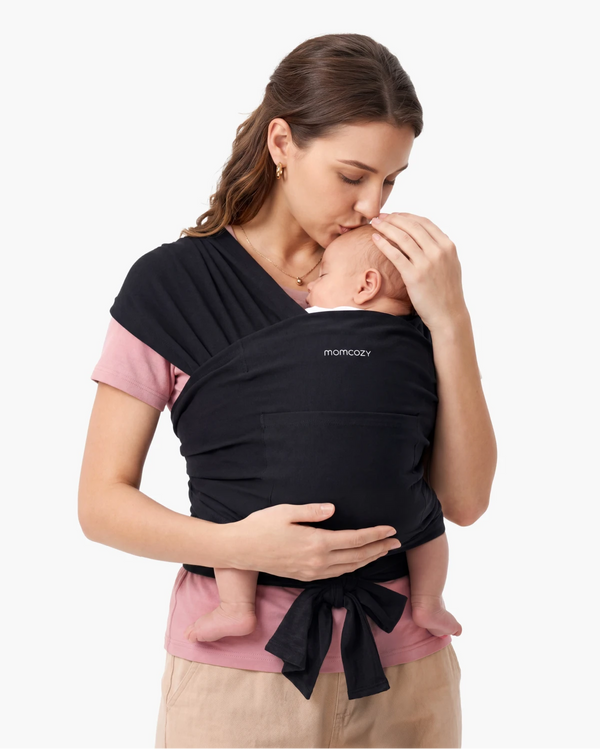
This is a routing decision, not a one-size-fits-all ranking. Early-stage needs may call for newborn-specific carrier support. Caregivers who prefer a soft carry and are comfortable with its learning curve can consider wrap-style babywearing options. Frequent up-and-down situations may suit hip seat carrier options when baby meets the product’s exact requirements. A side-by-side look at baby carrier styles and everyday tradeoffs can help narrow the choice further.
How PureHug Maps to the Evaluation Criteria
After applying the neutral framework, PureHug is one structured option to test alongside other carriers. Pay attention to how the X-shaped straps, lumbar panel, and adjustable fit feel during the same ten-minute routine. Before you start, check the manual, baby’s stage and size, approved positions, waistband placement, strap reach, and carrier condition. A midwife’s fit assessment can help you identify questions worth considering about everyday comfort, while the carrier’s fit range should match your baby and planned use. Any use with an older baby must remain within the current instructions and a secure, verified fit.

FAQs About Baby Carriers and Back Pain
Q1. Is a Removable Lumbar-Support Pad Better Than a Built-in Panel?
Not automatically. A removable pad may offer adjustment, but its edges can create pressure and it may shift. A built-in panel may feel steadier but less adaptable. Compare stability, pressure, compatibility, and the manufacturer’s approval. Removability alone does not prove better back support.
Q2. Should I Tighten the Shoulder Straps More When My Lower Back Hurts?
Not as a first response. Over-tightening can concentrate pressure or pull you backward. Start with the waistband, baby height, and overall load position, then follow the manual’s adjustment sequence. If discomfort remains after a careful reset, stop rather than forcing tighter straps.
Q3. Can Thick Winter Clothing Change Back Support?
Yes. Bulk can reduce strap range, make smooth webbing slip differently, hide baby’s position, and increase heat. Do not reuse summer settings automatically. Put on the clothing you will actually wear, complete a fresh fit check, and use shorter test sessions.
Q4. Do Crossed Straps Work for Every Caregiver?
No. Shoulder mobility, torso shape, buckle reach, and pressure distribution vary. Crossed straps may feel stable for one person and restrictive for another. Test the exact approved strap configuration and make sure both sides can be adjusted evenly without straining or twisting.
Q5. Can I Add a Third-Party Lumbar Accessory to Any Carrier?
Only if the manufacturer explicitly approves it. Improvised accessories can change buckle security, fit, and load behavior. If the carrier needs an accessory to feel usable, pause the trial and ask the manufacturer or a qualified fit professional before altering the setup.
Q6. What if the Carrier Feels Comfortable but Baby Sits Too Low?
Adult comfort does not override baby positioning. Stop, reset, and verify the manual’s airway, panel, seat, and height requirements. A baby who sits too low or far from your torso can also increase the caregiver’s urge to lean or over-tighten, so this is a safety and comfort issue.
Conclusion: Fit, Not Padding, Decides Comfort
The best baby carrier for back pain is not the one with a single impressive feature or an unsupported pain-free claim. It is the model that fits both caregiver and baby, keeps the load close, shares pressure in a usable way, and passes a controlled real-life test. Shortlist from the main collection, test each candidate for the same ten minutes, and keep baby’s approved position at the center of every adjustment. If discomfort persists, escalates, or changes how you move, stop and consult a qualified professional.








