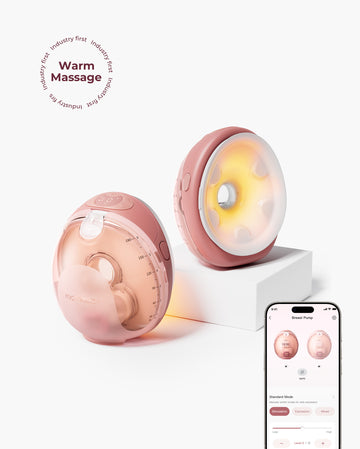
A pumping session has a natural end, and it is rarely a stopwatch number. Most parents land between 15 and 20 minutes per session, or two minutes after the last drop, whichever comes first. What changes with age is how often you pump, not how long.
This page covers session length by goal, how to tell a session is finished, and when ending early is the right call.

When to Pump: The Three Moments It Actually Matters
There is no limit to this. You should breastfeed whenever you can because it's the perfect way to provide your baby with nutrition. Of course, not everyone can feed whenever the baby demands.
That is why the best electric breast pump will help you meet your baby's demands. It can help you establish a supply whenever and wherever. You can pump the milk out and feed your baby whenever he or she needs it.
Here are a few reasons why you should invest in a double electric breast pump:
- If you are keeping your baby with friends or family while you are at work, you will need to store milk
- You are working on increasing your milk supply
- Your baby is not latching on to your breast
- You are not comfortable with breastfeeding directly
Of course, the biggest reason is convenience. Pumping milk and then storing it will help you feed your baby wherever you are.
If you have not begun at all, the harder question is when to start pumping, not how long a single session runs. Deciding how long to pump is one part of the plan. Here is how to decide how often to pump across the day.

How Long to Pump: Quick Answer by Goal
| Your goal | Session length | Stop when |
|---|---|---|
| Maintain supply while away from baby | 15-20 minutes | Flow slows to drips |
| Build a stash | 15 minutes, one extra session a day | Two minutes after the last drop |
| Relieve engorgement | 10-15 minutes or until comfortable | Breasts soften, not until empty |
| Rebuild supply (power pumping) | 20 minutes on, 10 off, 10 on, 10 off, 10 on | After the third block |
| Newborn, separated from baby | 10-15 minutes, every 3 hours | Colostrum in drops is expected |
Minutes per session matter, but so does how often to pump at each stage, especially in the first twelve weeks.
Longer is not better. Sessions past 25 minutes mostly add friction and nipple soreness without adding milk, because flow rate, not time, limits output.
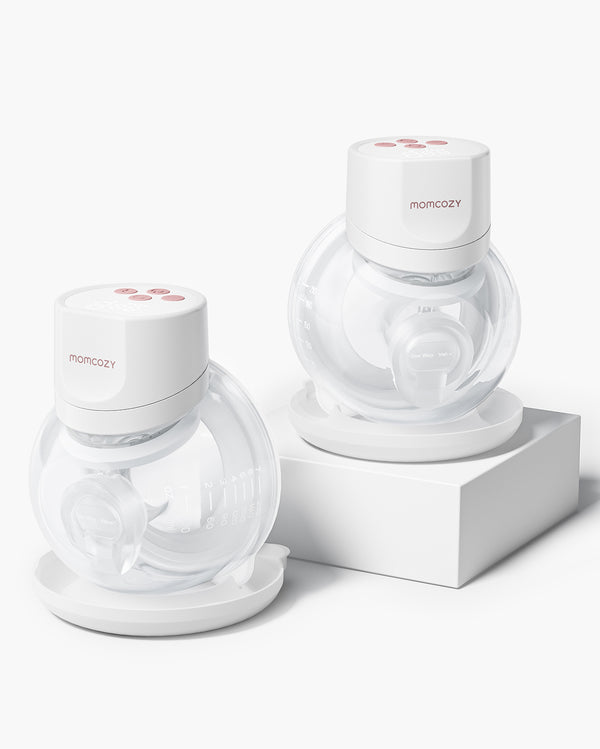
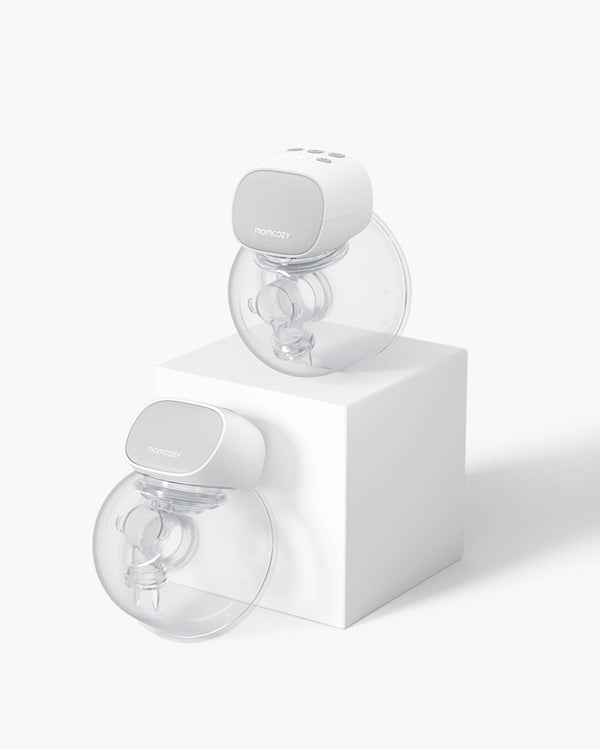
Member price
From$51.99$64.99
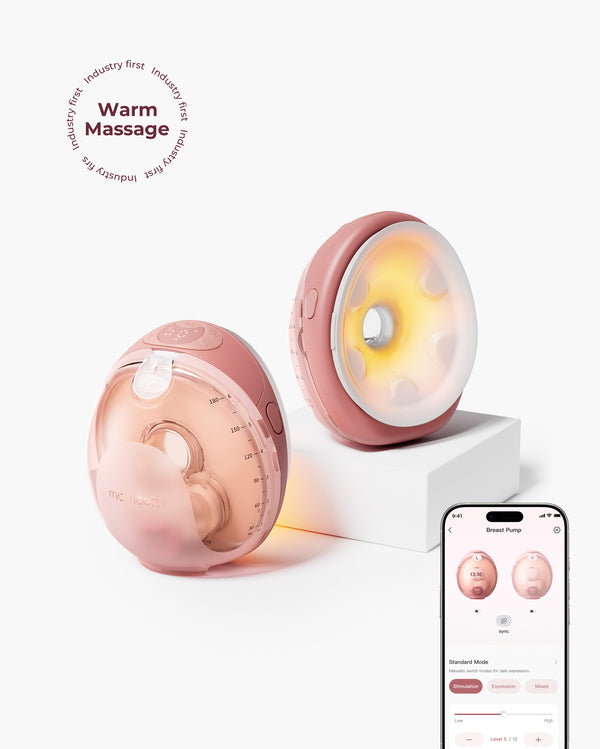
Member price
From$229.99$329.99
How Long Should You Pump for Each Session?
The length of pumping depends on many things. If you have delivered a healthy and full-term baby, you should be patient for several weeks before starting to pump and store. However, if your baby is ill, preterm, or can't be breastfed yet, then you can pump within 6 hours after you deliver.
If you are primarily breastfeeding and only using a double electric breast pump for storing milk and feeding later, then here are some pumping tips for you:
- Morning is the best time to pump as that is when you will get the highest quantity of milk.
- You can pump after breastfeeding. You should pump within thirty to sixty minutes once you have breastfed, or you should do it an hour before you start breastfeeding.
On the other hand, if you are only relying on the best electric breast pump, here are some things to keep in mind:
- After you have reached complete production of milk, you should keep a timetable that allows you to produce at least 25 to 35oz of breast milk in a day
- At least plan to pump 7 to 10 times in 24 hours
- Arrange your pumping timetable in such a way that your baby can always have milk when they need it
If sessions keep running short, check that your flange size is not cutting sessions short before you change the pump.
Length is one variable; for the whole sequence, see how to set up and run a session from start to clean-up.
How to Tell a Session Is Finished
Watch the flow rather than the clock. Milk usually comes in three phases: a fast letdown in the first two to three minutes, a steady stream for five to ten minutes, and then slower dripping as the breast empties. The session is done when dripping stops for about two minutes.
If nothing comes after twenty minutes and your breasts still feel full, the limit is usually flange fit or suction, not time. A flange that is too small compresses the milk ducts and slows flow no matter how long you sit there.
If you finish empty and still see less, find out what to change when output drops despite longer sessions.
When to Stop a Session Early
- Pain that does not settle after you lower the suction.
- Nipple blanching or a white line across the nipple, which points to a flange that is too small.
- Output that drops sharply halfway through, which usually means the breast is empty.
Stopping early and pumping again sooner beats pushing through a painful session. Frequency carries supply; duration does not.
FINAL WORDS
That was a quick glimpse at our complete breast pumping guide, which you can find here. Investing in a double electric breast pump can go a long way. Even if you are primarily breastfeeding, you should keep it handy, so you can supply your baby with milk whenever they need it. Once you do, you will save time and effort into breastfeeding.
Check out our selection of double electric breast pumps to find which one best suits you! :)
Longer sessions usually leave milk behind; storing milk after a longer session follows the same rules as any other pump.

FAQs
Is 10 minutes long enough to pump?
Ten minutes can be enough once your supply is established and your baby is also feeding at the breast, especially with a double pump. In the first twelve weeks, 15 minutes is a safer floor because supply is still being built.
Should I pump for 30 minutes?
Rarely. Thirty minutes is useful only for power pumping blocks or when a single-sided pump is used. For routine sessions, 15-20 minutes gets the same milk with less soreness.
How long should I pump if nothing is coming out?
Stop at ten minutes and check fit, suction, and stress before adding time. If output stays low across three sessions, treat it as a supply or fit question, not a duration question.