


Learning how to prepare for breastfeeding doesn't have to feel overwhelming. Whether you're a first-time mom or starting fresh with another baby, taking the right steps during pregnancy makes those early feeding days so much easier.
From caring for your breasts and gathering essential supplies to building your support team and knowing what to expect in the hospital, simple preparation now sets you up for a confident start. Your body is already doing most of the work naturally—you just need to know how to support it.
This page is general US parent education as of 2026, not a personal care plan. See an IBCLC, your OB-GYN, midwife, or pediatrician for your own pregnancy and latch.
Key Takeaways
- You do not need to toughen nipples or pump a stash before birth unless your own clinician asked you to.
- The highest-yield prep is a class or IBCLC, a hospital feeding plan, and someone to call after you go home.
- Late pregnancy is a good time to start insurance paperwork for a pump, not a time to add extra sessions.
- Colostrum in small amounts is normal; leaking or not leaking does not predict supply.
- Hands-free wearables are for usual sessions after milk is in, not for prenatal nipple prep.
When to Start Preparing for Breastfeeding
A practical plan for how to prepare for breastfeeding often starts in the second trimester, around weeks 14–20. That window is usually enough to take a class, gather a few supplies, and write down questions. Many people begin making colostrum around 16 weeks. Seeing or not seeing leaks does not tell you what supply will look like later.
Best Time to Begin Preparation (Second Trimester)
The second trimester is often a practical window for breastfeeding prep. Energy is frequently better than in early pregnancy. Schedule a lactation consult if you can, register for a class, and start learning about a good latch. Comfortable nursing bras can wait until your size has changed.
What not to rush
Skip towel-toughening, soap-scrubbing, and pumping for a freezer stash. Rest in the last weeks. Avoid nipple stimulation unless your own clinician asked for it.
What to Do During Pregnancy to Prepare for Breastfeeding
These are pregnancy-time tasks that make breastfeeding after birth easier to start. They are not treatments to “help the pregnancy.” ACOG and Office on Women's Health both put a class, an IBCLC, and a hospital feeding plan ahead of gadgets. Johns Hopkins Medicine frames the same idea: learn before you are exhausted.

Your breasts grow larger and feel tender as hormones increase milk ducts and glandular tissue. Your nipples and areolas darken, and small bumps called Montgomery glands appear—these produce natural oils that protect your nipples.
Around 16–20 weeks, many people start making colostrum, the thick first milk. Some leak small amounts in the third trimester; some do not. Either can be normal. Mention unusual lumps, bloody discharge, or persistent pain to your OB-GYN.
Line up people, not a miracle diet
Breastfeeding may be natural, but it doesn’t always come naturally. Most new moms need a little help along the way—from professionals who understand feeding challenges to loved ones who keep things running smoothly at home. Lining up the right support early can make those first few weeks feel less overwhelming and more empowering.
In the second trimester, save an IBCLC number, register for a prenatal breastfeeding class with your partner if you can, and ask the hospital when lactation help is available. Ask family for meals and laundry, not feeding lectures.
Do You Need to Prepare Your Nipples or Breasts?
No, most nipples don't need any special preparation before breastfeeding. Hormonal changes in pregnancy usually change the nipple and areola on their own. That is not a promise that the first week will feel easy. The old advice about "toughening up" your nipples is outdated and can actually cause harm. Let's clear up what actually helps and what you should skip.
What medical research actually says about nipple preparation
Reviews and clinician guidance generally find that nipples change on their own in pregnancy. Towel-rubbing, harsh creams, or homework stretches are not required prep.
Soreness after birth is more often about latch depth and positioning than about prenatal “toughening.” A class or IBCLC can help you practice holds; this page cannot promise more comfortable feeds. Focus your energy on learning latch and positioning instead of worrying about nipple preparation.
How your nipples change naturally during pregnancy
Areolas often darken and look larger. Montgomery glands can make small bumps and oils. Nipples may feel more sensitive. None of this needs a toughening routine.

Flat or inverted nipples
A pinch behind the areola is only a starting clue. If the tip stays in, texts often call that inverted or flat. Only a clinician can confirm. Many babies still feed. See nipple types for shape detail, not a self-diagnosis.
Do not start Hoffman stretching or breast-shell hours as homework from a blog. If shells or a short-term shield are useful, your OB-GYN or IBCLC can show you. Prenatal toughening is not required. Wash with water, skip towel-rubbing, and skip pumping before 37 weeks unless your clinician asked.
The useful prep is learning a good latch later, not a prenatal toughening project.
Should You Pump or Collect Colostrum Before Birth?
Usually, no. Most people should not use a breast pump before birth unless their own OB-GYN or midwife asked them to. If your own clinician wants a few drops of colostrum, use the method they teach. Nipple stimulation can trigger contractions, so this is not a DIY freezer-stash plan.
Why you should wait until after birth
Early Labor Risks
Nipple stimulation can trigger contractions. That is why pumping or expressing before 37 weeks is not a DIY stash plan. Your own OB-GYN or midwife decides if any expression is appropriate. Even after 37 weeks, extra pumping is still not default homework. Colostrum usually comes in small amounts that match a newborn's tiny stomach. You do not need to practice making milk before birth.
When Colostrum Production Happens
Your breasts start producing colostrum around 16-20 weeks of pregnancy. This thick, yellowish milk is nutrient-dense and packed with antibodies. Amounts are usually small in those first days, which often matches a newborn's tiny stomach. Trying to pump it out before delivery is not a proven way to raise later supply, and stimulation can trigger contractions.
Medical exceptions
In specific medical situations, your healthcare provider might recommend expressing colostrum after 37 weeks. Some teams discuss extra colostrum nearby when there is a medical reason — for example a planned cesarean, expected NICU stay, or a condition your OB-GYN already named. That list is not a diagnosis from this page. Even in these cases, you should only express milk under direct medical supervision with specific instructions from your healthcare team on timing and frequency.
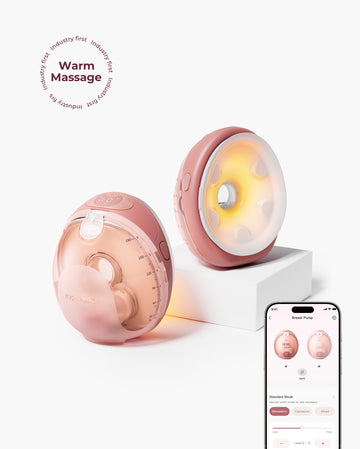
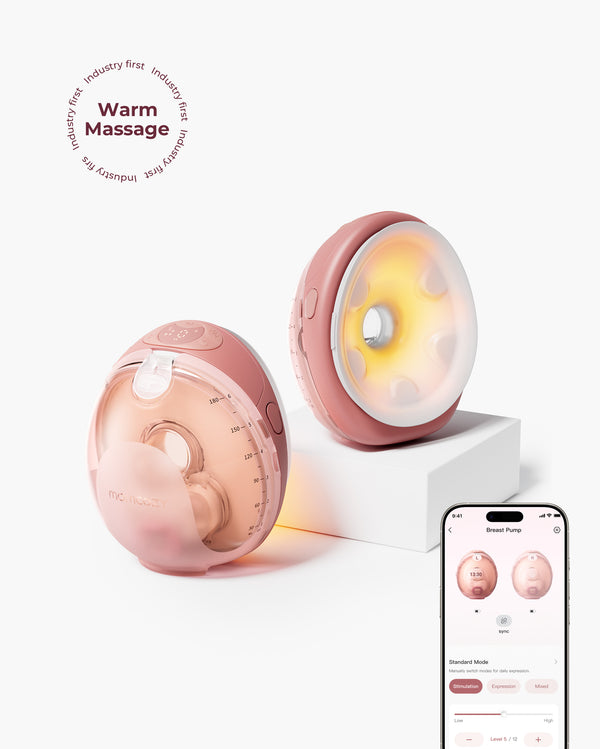
If your clinician does want you to collect drops, use their method. A full how-to lives on how to collect colostrum. La Leche League notes routine prenatal collection is usually unnecessary. Momcozy sells wearables for usual sessions later. Wellness 1 is comfort during a usual session after birth. Do not put warm-massage on nipples to start milk or toughen skin before birth.
Member price
$245.99$329.99

Member price
From$13.99
What to Buy and How to Set Up a Feeding Spot
Having the right supplies ready before your baby arrives makes breastfeeding so much easier. You don't need to buy everything on the market, but a few key items can make those early days more comfortable and less stressful.
Useful vs optional extras
- Wireless nursing bras, nursing pads, a large water bottle, burp cloths, and snacks you can eat one-handed.
- A pillow that brings baby to breast height. Regular pillows can work.
- A pump if you plan to express later. Check your own insurance plan; coverage is not guaranteed from a blog. Learn flange fit after birth, not as prenatal homework.
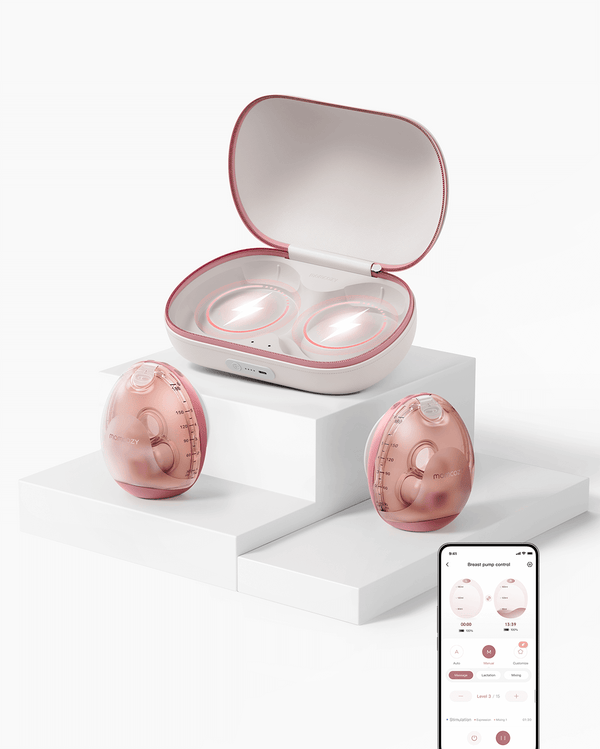
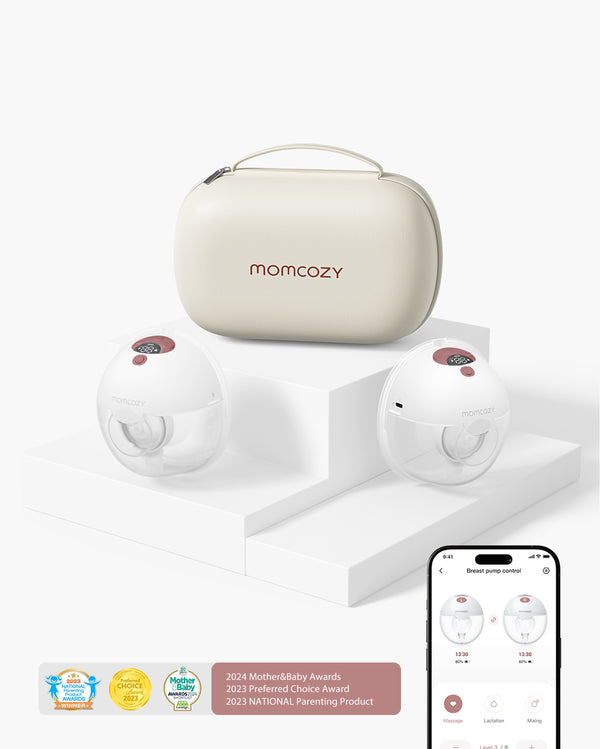
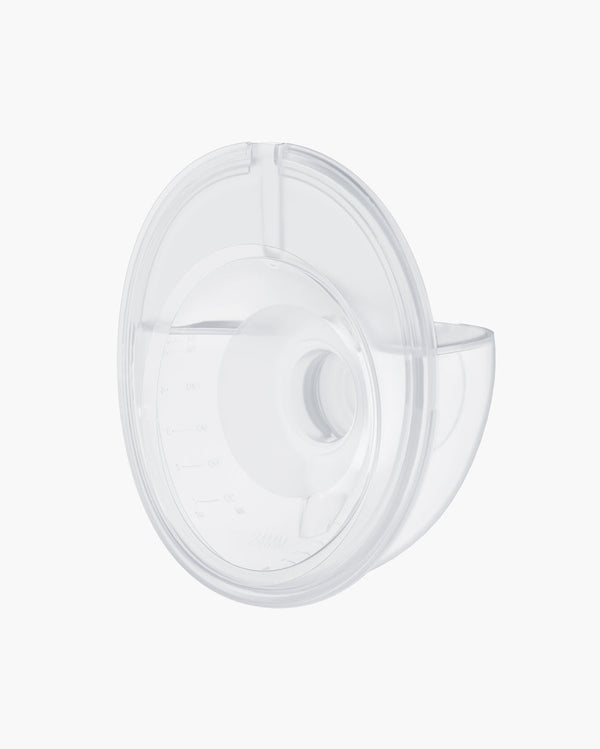
If you also pump after milk is in, sit upright instead of folding over a table. Hands-free wearable pumps can make a usual session easier. They do not treat latch pain. Momcozy sells a slim in-bra cup such as Air 1 (about 61 mm / 2.4 in) when bulk in the bra is the annoying part. M5 Smart can log a usual session in the app. That is not a reason to add extra prenatal pumps.
Member price
From$101.99$119.99

Member price
From$11.89$13.99
Hospital Bag: Breastfeeding Essentials
When contractions start, the last thing you want to do is dig through drawers for nipple balm or nursing pads. Packing a few thoughtful breastfeeding items now means you’ll have everything ready for those first feeds in the hospital.
| Item | Why Pack It |
| 1–2 nursing bras + breast pads | Comfort and leak control |
| Nipple balm (lanolin or plant-based) | Soothe friction in early days |
| Pillow/support or hospital’s breastfeeding pillow | Can support a deeper latch; comfort still varies |
| Pump (optional) | Optional: some parents catch let-down. It is not a treatment for engorgement. |
| Phone list: IBCLC, pediatrician | Quick access for questions |
| Water bottle & snacks | Hydration/energy during frequent feeds |
Set up your nursing area during the third trimester so everything's ready when your baby arrives. A well-organized station means you won't have to get up mid-feeding to grab what you need. Pick a chair with a side table. Keep water, snacks, burp cloths, and a charger within reach.

The First Day and First Week: What Prep Is For
The first day is about closeness, tiny feeds of colostrum, and learning together. Keep baby skin-to-skin when you can, offer the breast often, and ask for hands-on help early—small tweaks make a big difference.
Many newborns feed about 8–12 times in 24 hours, but your pediatrician sets the plan for a sleepy baby. Early hunger cues include stirring, hand-to-mouth, and rooting. Crying is a late cue. Latch details belong with an IBCLC, not a prenatal checklist.
A full day-by-day walkthrough belongs on the first week of breastfeeding. Pain that stays after a latch, a baby who is hard to wake, fever, or fewer wet diapers than your pediatrician expects needs a clinician, not another video. tips for first-time moms covers first-time logistics without turning this page into a troubleshooting pillar.
FAQ
When should I start preparing for breastfeeding?
You can begin light preparation in your second trimester (around 20 weeks) by learning about positioning, latch, and newborn feeding patterns. Most parents take a prenatal breastfeeding class and line up an IBCLC contact by the third trimester.
Do I need to toughen or prepare my nipples for breastfeeding?
No. The idea of toughening nipples is outdated. Your nipples naturally adjust once you begin feeding. Skip rubbing or rough treatment. Do not express colostrum unless your own OB-GYN or midwife asked you to.
Can I breastfeed with flat or inverted nipples?
Yes. Many parents with flat or inverted nipples still breastfeed. Skin-to-skin and a deep latch often help tissue come forward. Only a clinician can confirm the pattern. An IBCLC can help with positioning; a shield is a short-term option they may fit, not a DIY cure.
Should I pump before the baby is born?
Most people should not pump before birth. Hand expression of colostrum is a clinician decision because nipple stimulation can trigger contractions. Learn pump parts in late pregnancy; start usual sessions after milk is in.
How do I know if I am producing colostrum?
Most people start making colostrum around 16 to 22 weeks. It can look thick and yellowish or clear. Some notice tiny dried drops. Not seeing it does not mean it is missing, and it does not predict later supply.
What foods should I eat to prepare for breastfeeding?
Focus on a balanced diet: protein, whole grains, fruits, vegetables, and fats. No special food guarantees more milk. Eat enough and drink when thirsty. Avoid restrictive diets unless your clinician asked for one.
How can I prepare for breastfeeding while pregnant if I work?
If you work, pregnancy prep is still a class, an IBCLC number, and pump paperwork if you will express later. Hands-free wearables are for usual sessions after birth, not a way to start milk at your desk while pregnant.
Conclusion
Your body already knows a lot—these steps just support it. Book a class, check your own insurance plan for a pump if you will express later, and pack a few nursing items that help you sit comfortably. Create a cozy spot with water, snacks, and pillows. Add your pediatrician and IBCLC to your phone. Little moves now make the first week smoother.
CDC has general breastfeeding basics. If pain, fever, or feeding concerns show up, that visit is for diagnosis. This article is not.








