Key Takeaways
-
• Night terrors are common in toddlers and usually not linked to mental illness.
-
• They occur during deep non-REM sleep—not dreaming sleep.
-
• Children typically do not remember the episode.
-
• Overtiredness is a major trigger.
-
• Most children outgrow night terrors by age 7–10.
-
• Safe sleep environments and monitoring can help parents manage episodes calmly.
Introduction
Few parenting experiences are as alarming as witnessing a night terror. Your toddler may suddenly sit upright, scream, thrash, and appear terrified—yet remain unresponsive to your voice or touch. Naturally, many parents ask: Are night terrors in toddlers a sign of mental illness?
The reassuring answer, in most cases, is no. Night terrors are a common childhood parasomnia—a type of sleep disturbance—and are usually linked to immature sleep patterns rather than psychological disorders. Understanding what night terrors are (and what they are not) can dramatically reduce parental anxiety and help you respond appropriately.
This comprehensive guide explores causes, symptoms, age patterns, remedies, warning signs, and practical sleep-support tools such as baby swings and baby monitors to help your toddler rest more peacefully.
What Are Night Terrors?
Night terrors are sudden episodes of intense fear or agitation that occur during deep sleep. They are classified as parasomnias, which are abnormal behaviors during sleep.
Unlike nightmares, night terrors:
- Happen in deep non-REM sleep
- Occur in the first third of the night
- Do not involve vivid dreaming
- Leave the child confused or unaware
- Are rarely remembered the next day
During a night terror, a toddler may:
- Sit upright abruptly
- Scream or cry intensely
- Thrash or kick
- Sweat heavily
- Have a rapid heartbeat
- Appear frightened but not fully awake
Importantly, they are not conscious in the typical sense—even if their eyes are open.
At What Age Do Night Terrors Start?
Night terrors most commonly begin between 18 months and 4 years of age, with the highest frequency typically occurring during the preschool years (around ages 3–5).
This age range is not random. It reflects important neurological and sleep-related developments that happen in early childhood.
Why This Age Range?
Night terrors are classified as non-REM parasomnias, meaning they occur during deep, slow-wave sleep. Toddlers and preschoolers:
- Spend a significant portion of the night in deep sleep
- Have immature sleep-wake transition systems
- Experience rapid neurological development
- Are still learning to regulate arousal from deep sleep
Because their nervous systems are still maturing, transitions between deep sleep and lighter sleep can sometimes become unstable. A night terror occurs when the brain is partially “stuck” between deep sleep and wakefulness.
In other words, the child is not fully awake—but not fully asleep either.
When Do Night Terrors Peak?
Night terrors tend to peak during the preschool years. Contributing factors include:
- Increased physical and cognitive development
- Higher daily stimulation levels
- More complex emotional processing
- Busy daytime schedules that may lead to overtiredness
Overtiredness is one of the strongest triggers for night terrors. Preschoolers who drop naps too early or go to bed too late are more likely to experience episodes.
As the nervous system matures—typically by ages 6–10—the frequency and intensity of night terrors usually decrease significantly.
Can Infants Have Night Terrors?
True night terrors are uncommon in infants under 12 months.
While babies may:
- Cry suddenly during sleep
- Flail or move abruptly
- Appear distressed briefly
—these behaviors are usually related to:
- Sleep cycle transitions
- Active (REM) sleep
- Startle reflex
- Digestive discomfort
Infants do not yet have the same deep sleep structure or parasomnia patterns seen in toddlers. Their sleep architecture is still developing, and most nighttime disturbances at that age are physiological rather than parasomnia-based.
So while certain infant behaviors may resemble night terrors, true parasomnias are far more typical in toddlers and young children.
Do Night Terrors Continue Into Later Childhood?
In most cases, night terrors are temporary and developmental. The majority of children outgrow them naturally as:
- Sleep cycles stabilize
- Deep sleep becomes more regulated
- The brain’s arousal systems mature
If night terrors persist beyond age 10, occur very frequently, or are accompanied by other unusual symptoms (such as daytime behavioral changes or signs of sleep apnea), a pediatric evaluation may be recommended.
Signs and Symptoms of Night Terrors in Babies and Toddlers
Typical signs include:
- Sudden screaming 1–3 hours after falling asleep
- Unresponsiveness to comfort
- Glassy or open eyes
- Physical agitation
- Confusion if briefly awakened
- No memory of event the next morning
Episodes usually last:
They end abruptly, and the child often returns to deep sleep. The intensity can be shocking—but the child is usually unaware of the event.
The Difference Between a Night Terror and a Nightmare
Understanding this distinction reduces unnecessary worry.
|
Night Terror
|
Nightmare
|
|
Occurs in deep non-REM sleep
|
Occurs in REM sleep
|
|
First third of night
|
Later in the night
|
|
Child appears awake but isn’t
|
Child fully wakes
|
|
Unresponsive to comfort
|
Seeks comfort
|
|
No memory next day
|
Often remembered
|
|
No dream imagery
|
Involves dream content
|
Nightmares are linked to emotional processing and imagination. Night terrors are neurological arousal events during deep sleep.
What Causes Night Terrors?
Night terrors are caused by partial arousal from deep sleep.
Common triggers include:
Overtiredness
The most significant factor. When toddlers are overly tired:
- Deep sleep becomes more intense
- Arousal transitions become unstable
- Parasomnias increase
Inconsistent bedtimes disrupt sleep architecture.
Stress or Developmental Changes
Major changes—new siblings, travel, daycare—can increase episodes.
Illness or Fever
Fever alters sleep cycles and can trigger parasomnias.
Family History
Night terrors often run in families.
Crucially, night terrors are linked to sleep regulation—not mental illness.
Remedies for Night Terrors in Toddlers
1. Do Not Wake the Child
Waking may worsen confusion.
Instead:
- Ensure safety
- Stay nearby
- Speak softly
- Wait for episode to pass
2. Prevent Overtiredness
Adjust bedtime earlier by 30–60 minutes if needed.
Maintain:
- Age-appropriate naps
- Consistent bedtime routine
- Regular wake time
3. Scheduled Awakenings
If episodes occur at predictable times:
- Gently wake child 15–20 minutes before usual episode
- Keep awake briefly
- Resettle
This can reset the sleep cycle.
4. Optimize Sleep Environment
Create a calm space with:
Beyond the room setup, the tools you use during those midnight wake-ups matter. The Momcozy Night Pro Baby Bottle Warmer - Night Feeding is a game-changer for maintaining a calm environment. Its world-first see-through water chamber with a soft two-level night light lets you see water levels clearly in the dark—less fumbling and no need for harsh overhead lights that might fully wake a drowsy toddler. This helps keep the "sleep vibe" intact, making it easier for everyone to drift back to sleep quickly.
Sleep Tools That Support Safer Nights
Momcozy 5-Inch HD Baby Monitor
From the Momcozy Best Baby Monitors Collection, the Momcozy 5-Inch HD Baby Monitor offers:
- Large 5-inch HD display
- Infrared night vision
- Two-way talk
- Room temperature monitoring
- Long-range coverage
- Secure encrypted connection
- Expandable multi-camera system
During night terrors, parents can observe safely without rushing in unnecessarily, reducing stimulation.
Fast Night & Day
One-Touch Ease
Smart & Safe
Easy Clean
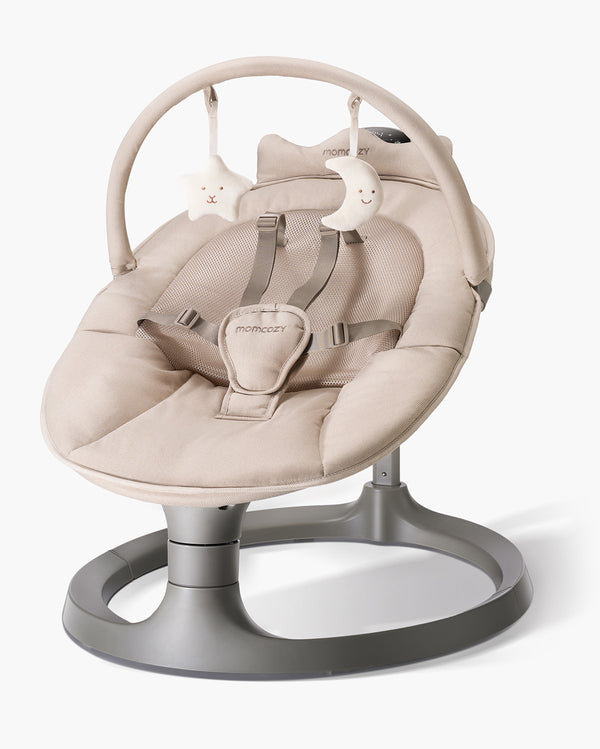
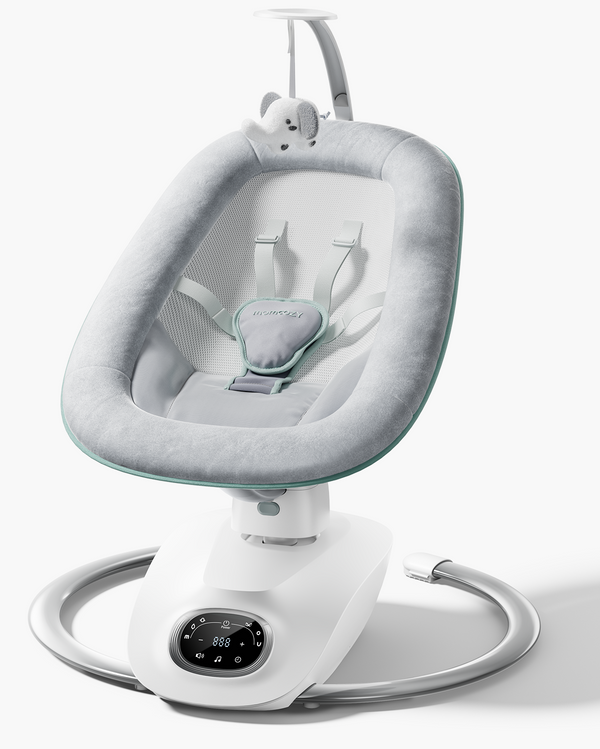
Momcozy Smart Baby Swing
From the Momcozy Best Baby Swing Collection, the Momcozy Smart Baby Swing provides:
- Multiple sway motions
- Adjustable speeds
- Bluetooth music playback
- Soft breathable fabric
- 5-point safety harness
- Lightweight portable frame
While swings are for supervised awake time only, calming overstimulation before bedtime may reduce overtiredness—a key trigger for night terrors.
Podwójne wsparcie ramion
Ruchy inspirowane rodzicem
Wygodne siedzisko
Może też służyć jako siedzisko stacjonarne
Opatentowana technologia 3D Swing
6 trybów kołysania
Siedzisko obracane o 180°
5-punktowe pasy bezpieczeństwa
When to See Your Child’s Healthcare Provider?
Consult a pediatrician if:
- Episodes occur multiple times nightly
- Child is injured during episodes
- There are breathing abnormalities
- Daytime behavior changes significantly
- Episodes persist beyond age 10
- Events resemble seizures
In rare cases, sleep disorders like obstructive sleep apnea can increase parasomnias.
FAQs
Are Night Terrors in Toddlers a Sign of Mental Illness?
In the vast majority of cases, no. Night terrors are a developmental sleep phenomenon related to immature nervous system regulation—not psychiatric conditions.
They are not typically linked to:
- Anxiety disorders
- Mood disorders
- Trauma (in toddlers)
If daytime functioning is normal, night terrors alone are not a sign of mental illness.
Do Night Terrors Do Psychological Damage?
No. Children are usually unaware of the episode. They do not remember the terror and are not emotionally harmed by it. Parental calmness is key—responding with steady reassurance supports long-term emotional security.
Are Night Terrors Preventable?
Not entirely—but frequency can be reduced by:
- Preventing overtiredness
- Maintaining consistent schedules
- Reducing stress
- Creating calming bedtime routines
Sleep hygiene is the most effective preventative tool.
Can Food Allergies Cause Night Terrors in Children?
Food allergies are not a common cause. However, gastrointestinal discomfort or reflux can disrupt sleep architecture, potentially increasing parasomnias.
If symptoms include:
- Frequent vomiting
- Rash
- Chronic digestive distress
—consult your pediatrician.
Final Thoughts
So—are night terrors in toddlers a sign of mental illness? For most families, the answer is reassuringly no. Night terrors are rooted in sleep-stage transitions, nervous system immaturity, and overtiredness—not psychological disorders. While they can look dramatic and distressing, they are typically harmless and temporary.
With consistent sleep routines, attention to overtiredness, and supportive tools like reliable baby monitors and calming pre-sleep strategies, most toddlers outgrow night terrors naturally. Understanding the science behind these episodes replaces fear with confidence—and helps you support your child through this normal developmental phase.