


January brings cold, dry air, shorter daylight hours, and extended time indoors for families welcoming a newborn. For babies born in winter, care is less about heavy bundling and more about creating a stable, developmentally appropriate indoor environment. Newborns have immature thermoregulation, and many caregivers are navigating early postpartum recovery, making indoor newborn care and efficient home setups especially important.
The following January newborn essentials and baby registry essentials for winter align with current American Academy of Pediatrics (AAP) guidance and focus on safe indoor warmth, healthy humidity levels, proper feeding practices, and optimal sleep environments for winter-born infants.
Maintaining Safe Indoor Warmth for Newborns
The AAP recommends maintaining infant room temperatures between 68–72°F (20–22°C) to reduce the risk of overheating while ensuring comfort. Instead of increasing ambient heat, caregivers should focus on appropriate layering as part of a safe winter nursery setup.
Wearable sleep sacks made from breathable materials such as cotton or lightweight wool blends (non-weighted) are common winter baby essentials that provide consistent warmth while supporting safe sleep practices. Infants should sleep on their backs on a firm mattress without loose blankets or bedding. Thick fleece or heavily padded materials should be avoided due to overheating risk.
During waking hours, footed cotton pajamas or layered cotton clothing are appropriate. As a general guideline, infants need one additional layer than an adult would find comfortable indoors. Warmth should be assessed at the infant’s chest or back rather than the extremities.


Many modern baby monitors include ambient temperature displays, allowing caregivers to monitor nursery conditions in real time—particularly helpful for maintaining a consistent newborn winter environment.
Seasonal babies need gear that matches their arrival time—a diaper pail is especially valuable when windows stay closed during cold months, keeping nursery air fresh.

Managing Dry Winter Air in the Nursery
Indoor heating systems significantly reduce humidity, often contributing to nasal congestion and skin irritation. For winter newborn care, the AAP recommends cool-mist humidifiers to safely increase ambient moisture while avoiding burn risks. Ideal indoor humidity levels range between 40–50%.
A baby high chair might not seem urgent in the newborn stage, but having one ready by 5–6 months means you're fully prepared when your pediatrician gives the thumbs-up on solids.
Among all the newborn gear you're gathering, a dependable travel stroller stands out as something you'll use daily once those first outings begin.
Humidifiers should be cleaned regularly to prevent microbial growth. In addition, fragrance-free emollient creams or ointments applied after bathing can help protect skin integrity during dry winter months—another commonly overlooked cold-weather baby essential.
Safe Feeding & Milk Warming in Cold Weather
Although colder temperatures may slow bacterial growth, safe feeding practices remain essential. Breast milk should never be microwaved. A temperature-controlled baby bottle warmer allows for gentle, even warming and is frequently included in a January baby registry checklist.

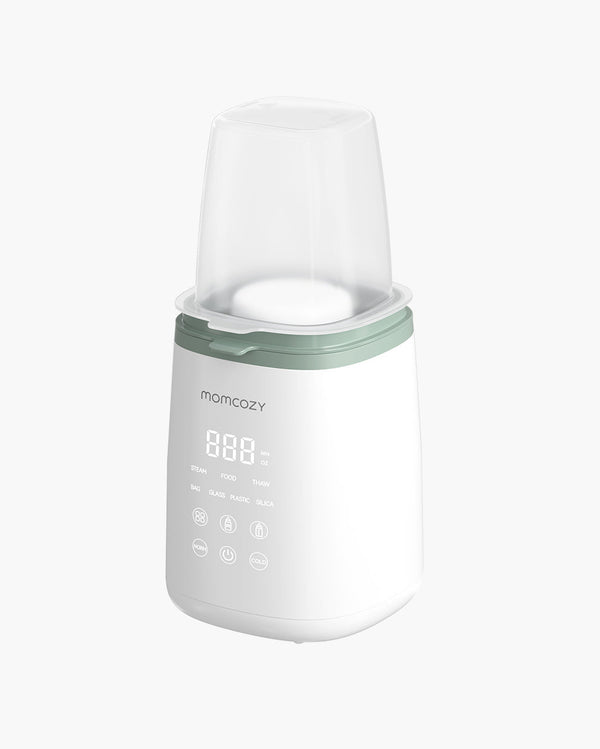

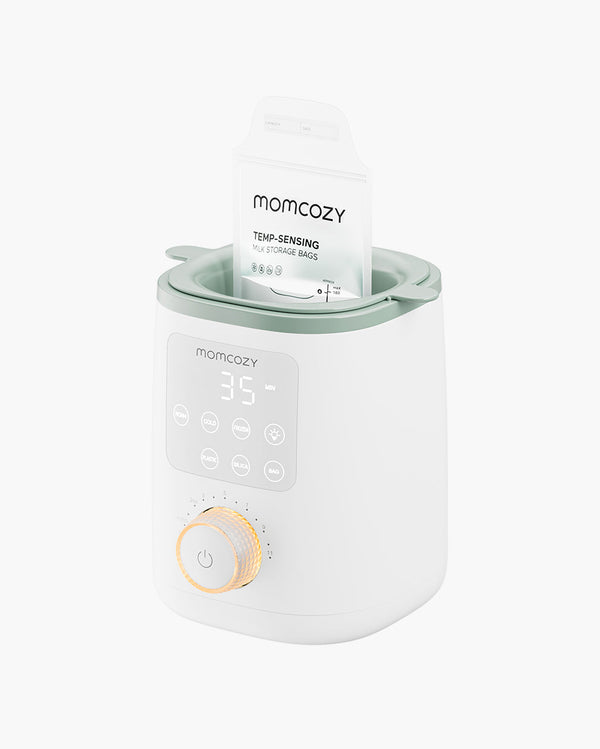
AAP guidance recommends warming milk to approximately body temperature (98–99°F / 37°C) or slightly below. Milk should feel warm—not hot—to the wrist, and temperatures exceeding 100°F (38°C) should be avoided to protect infants and preserve breast milk nutrients.
A electric baby swing is one of those items that earns its spot on any newborn essentials list fast—it keeps baby happily entertained during awake time while giving you both hands free.
For nighttime feeds, dimmable lighting and supportive feeding chairs promote safety and comfort while minimizing stimulation—important considerations for indoor winter feeding routines.

Supporting Sleep & Postpartum Recovery in Winter
White-noise machines with continuous sound may improve sleep consistency by masking environmental noise, while blackout curtains help regulate circadian rhythms during shorter winter days. Both are commonly listed as winter baby registry items.
Registry items that support caregivers—such as hands-free feeding pillows and simplified pump accessories—are especially valuable during early postpartum recovery. Reducing complexity can ease physical strain and support caregiver well-being during the winter newborn phase.
Final Thought
Caring for a baby born in January means prioritizing consistency, warmth, and calm indoors. Thoughtfully selected winter baby essentials and newborn registry essentials can support infant safety while easing caregiver strain during this indoor-focused season.








