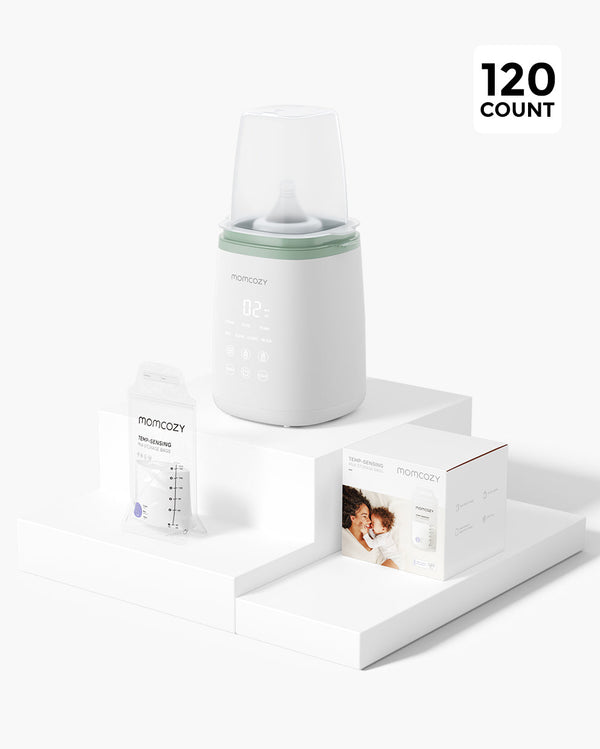
Sacs de conservation du lait maternel
Nourrir votre bébé avec du lait maternel est une belle aventure, et assurer une conservation sûre de ce lait est essentiel. Cette collection d’équipements de stockage de lait Momcozy simplifie la conservation du lait maternel grâce à une gamme de solutions adaptées à chaque besoin.
Le lait maternel est une source essentielle de nutriments et d’anticorps pour votre bébé. Garantir sa conservation efficace et sécurisée est donc primordial pour continuer à offrir ces bienfaits, même lorsque l’allaitement direct n’est pas possible. Un lait correctement stocké conserve sa valeur nutritionnelle et réduit les risques de contamination, permettant à votre bébé de bénéficier de la meilleure alimentation possible. Pour mieux conserver lait maternel, pensez à choisir des contenants adaptés et, si besoin, des sachet conservation lait maternel fiables.
Le choix d’un équipement de conservation adapté est tout aussi important. Le bon matériel facilitera non seulement un stockage hygiénique et pratique, mais vous aidera aussi à gérer efficacement votre production lactée. Opter pour des sachets ou des contenants adaptés à votre volume de pompage, résistants à la congélation si nécessaire, et fabriqués à partir de matériaux alimentaires sûrs, contribuera grandement à rendre votre parcours d’allaitement plus serein.
Pourquoi avez-vous besoin d’équipements de stockage du lait maternel?
Le lait maternel stocké correctement conserve sa qualité au frigo et au congélateur : pour cela, respectez les bonnes pratiques de lait maternel frigo conservation afin de préserver nutriments et sécurité. De même, si vous envisagez la congélation, suivez les recommandations pour le lait maternelle congelé afin d’éviter toute altération.
Quel équipement de stockage de lait maternel Momcozy est fait pour vous?
Momcozy propose une variété de solutions de conservation du lait maternel, notamment des sachets, des contenants de stockage et des sacs en silicone réutilisables, offrant des solutions complètes, sûres et pratiques aux défis que rencontrent les mamans lors du stockage du lait. Selon les besoins, optez pour un sac conservation lait maternel pour un usage quotidien ou un sac congélation pour lait maternel adapté au stockage en froid.
-
Stockage sécurisé à la maison
- 1. Sacs en silicone réutilisables pour lait maternel : fabriqués en silicone alimentaire durable, ces sacs écologiques et économiques sont résistants à la chaleur et au froid, étanches et réutilisables. Ils passent au lave-vaisselle, peuvent être congelés, réchauffés facilement, et se plient à plat pour un rangement compact. Avec une zone dédiée à l’étiquetage des dates, ils conviennent parfaitement à tous vos besoins de stockage de lait à domicile, notamment via un sac congélation lait maternel ou un sac congel lait maternel selon le format choisi.
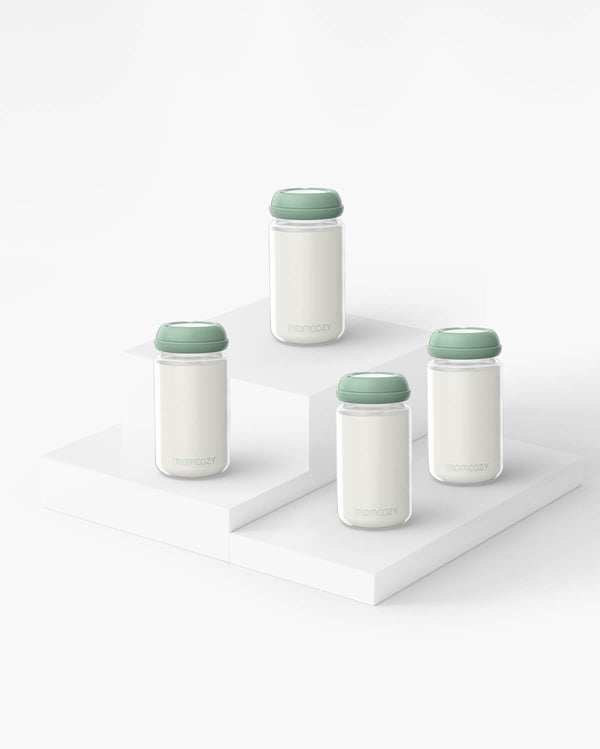
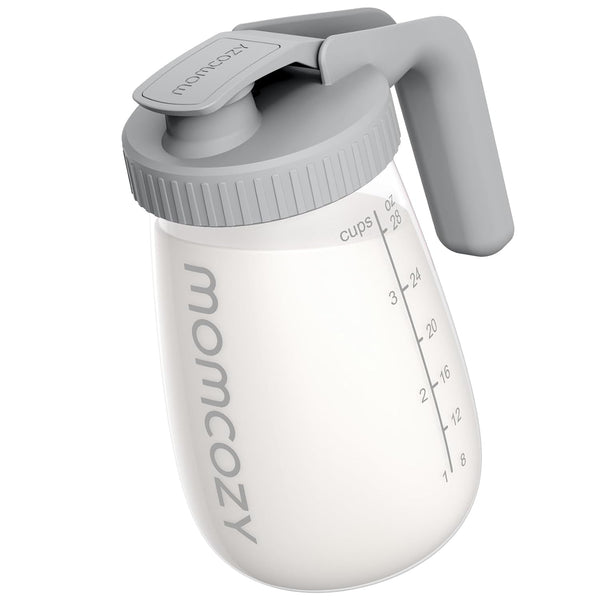
- 2. Pichet à lait maternel Momcozy, résistant à la chaleur et au froid : conçu en verre borosilicaté haut de gamme avec un joint en silicone 100 % étanche, le pichet Momcozy offre une grande capacité pour mélanger facilement le lait, verser sans renverser grâce à son large bec ergonomique, et organiser efficacement le réfrigérateur. Il est ultra résistant, supporte des températures extrêmes (-18°C à 150°C), et est compatible avec le lave-vaisselle, le micro-ondes, le congélateur et même la plaque de cuisson. Ses fonctionnalités polyvalentes en font une solution idéale pour le stockage et la préparation du lait maternel à la maison.
-
Transport pratique en déplacement
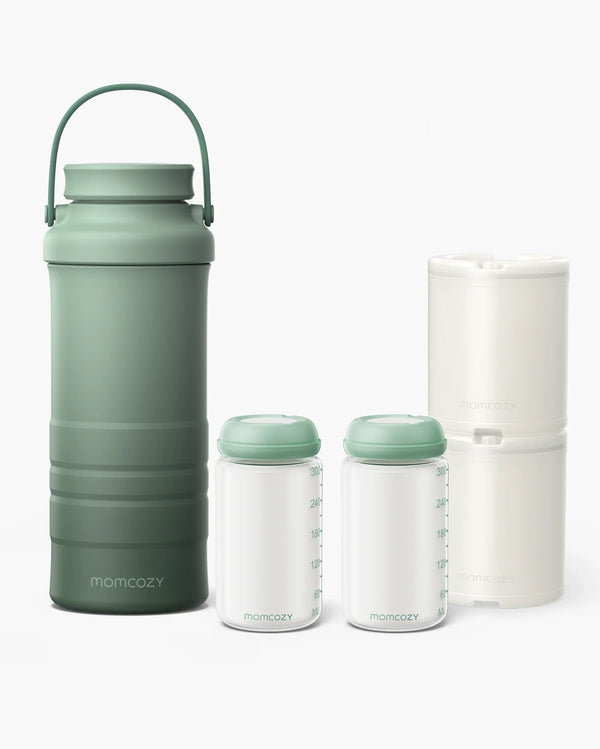
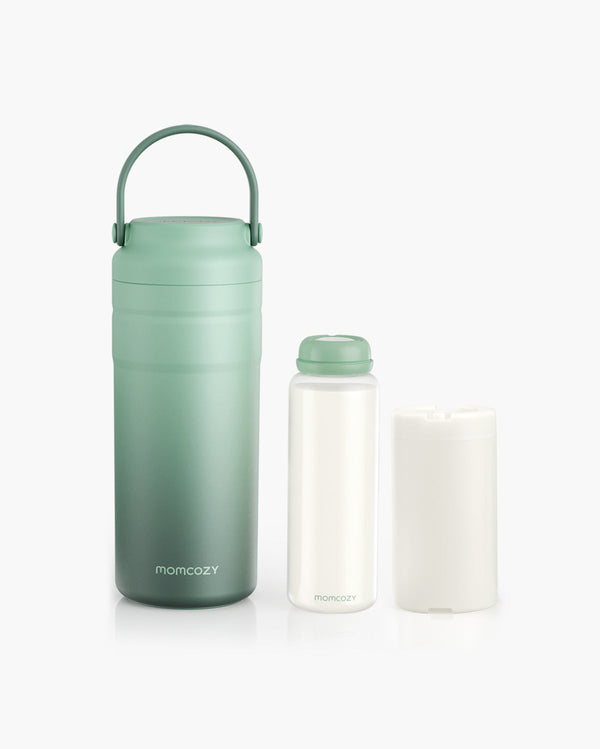
- Glacière portable pour lait maternel - Utilisation en extérieur : cette glacière polyvalente de 650 ml maintient une température optimale pendant jusqu’à 24 heures. Son isolation haut de gamme préserve la qualité du lait sans avoir besoin de blocs de glace. Son design compact, étanche et sans BPA se glisse facilement dans un sac à langer ou un sac à main. Conçue avec des coutures renforcées et des matériaux imperméables pour une durabilité maximale, cette glacière portable est idéale pour les mamans actives, les voyages et les courses quotidiennes, offrant un stockage sûr et discret du lait maternel en déplacement via un sac conservation lait maternel pratique.
-
Efficacité d’extraction et stockage pratique :
- 1. Coupes de collecte de lait portables Momcozy – Pour la plupart des tire-laits électriques à tube : libérez vos mains, collectez le lait discrètement et améliorez l’efficacité de l’extraction. Compatibles avec la série V et la plupart des marques avec systèmede tubes. Permettent d’extraire directement le lait dans des sachets de stockage pouvant être placés directement au réfrigérateur, combinant collecte et stockage en une seule étape. Éliminent les transferts de lait après l’extraction, réduisant les risques de contamination. Ces sachets servent également de contenants de stockage pratiques. Pour savoir comment congeler lait maternel et préparer vos portions, suivez les recommandations ci-dessus afin de congeler le lait maternel en toute sécurité.
- 2. Sachets de conservation de lait maternel Momcozy à visser (48 pièces) : peuvent être directement fixés aux coupes de collecte Momcozy compatibles avec la plupart des tire-laits électriques à tube. Il suffit de fixer l’ouverture du sachet au tunnel de la téterelle, permettant au lait de s’écouler directement dans le sachet pendant l’extraction. Aprèsl a séance, retirez le sachet, refermez-le avec le bouchon inclus, et conservez-le au réfrigérateur. Ces sachets jetables, sans BPA, simplifient le processus d’extraction et de conservation, éliminant les transferts et réduisant les risques de contamination.
-
Stockage sécurisé et distribution facile
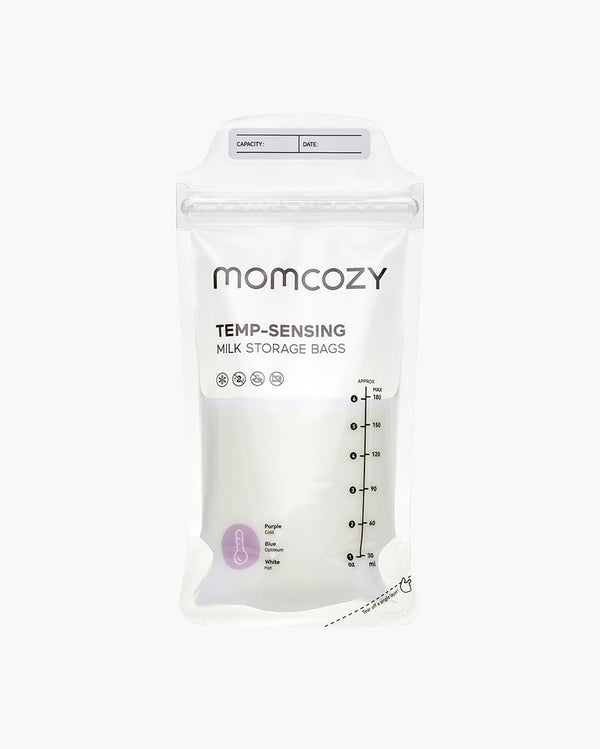
- 1. Sachets de conservation du lait maternel – Fraîcheur et sécurité assurées : ces sachets haut de gamme sont dotés d’un indicateur de température pour vérifier rapidement l’état du lait, ainsi que d’un double joint étanche ultra-résistant. Conçus pour éviter toute contamination, chaque lot contient 150 sachets pré-stérilisés, sans BPA. Leur design peu encombrant permet un rangement efficace et ordonné au réfrigérateur ou au congélateur, à plat ou en position verticale. Parfaits pour les parents pressés, ils simplifient le stockage du lait au quotidien et aident à conserver lait maternel de manière fiable. Respectez toujours les consignes de lait maternel frigo conservation pour garantir la fraîcheur.
- 2. Sachets de conservation du lait maternel Momcozy avec bec verseur : ces sachets de conservation du lait maternel allient sécurité et praticité. Dotés d’une technologie innovante de détection de température qui change de couleur pour indiquer la température idéale, ils possèdent également un double joint étanche ultra-résistant. Leur bec verseur intégré permet un transfert sans éclaboussures, tandis que leur base autoportante et leur large ouverture facilitent le remplissage. Fabriqués à partir de matériaux alimentaires, pré-stérilisés et sans BPA, ces sachets préservent les nutriments et leur format compact permet un rangement optimisé au réfrigérateur ou congélateur (à plat ou debout). Chaque pack contient 150 sachets avec marquages précis et zone d’étiquetage.
- 3. Kit de démarrage de biberons pour lait maternel Momcozy : pensé pour un stockage sécurisé et une distribution simplifiée, ce kit innovant associe des sachets jetables de 180 ml à une coque de biberon réutilisable, permettant de nourrir directement depuis le sachet. Il suffit de verser le lait dans le sachet étanche, de l’insérer dans la coque, puis de fixer la tétine à débit lent ou moyen incluse pour une alimentation immédiate. Chaque sachet jetable comporte une zone d’étiquetage et peut être réchauffé en toute sécurité dans un chauffe-biberon.
Momcozy Diaper Pail Buying Guide: Finding the Best Match for Your Nursery
What Is a Diaper Pail?
For families handling several diaper changes a day, especially during newborn nights, a baby diaper pail can keep disposal close to the changing area and reduce immediate trips to an outdoor bin. It still needs regular emptying and cleaning, but it can make the routine more contained and easier to manage.
How Odor Control Works in a Diaper Pail
Odor control matters at three points in the disposal routine:
- When a diaper is dropped in
- The rotating lid creates the first barrier while supporting zero-contact disposal. Between diaper changes
- An integrated gap-sealing ring helps close the space between the rotating chamber and the disposal opening. When a full bag is removed
The patented clamp helps close the bag opening before removal, reducing odor exposure during bag changes. These three elements form Momcozy’s Triple-Seal structure.
No odor control diaper pail should be treated as completely odor-free. Results also depend on correct bag installation, emptying before the bag is overfilled, regular cleaning, and replacing the deodorizing pack as directed. Parents comparing an odor locking diaper pail should look at the full disposal process, not only the lid.
Do You Really Need a Diaper Pail?
Not every family needs a diaper pail.
A dedicated diaper pail may be useful when:
- Diaper changes happen overnight or upstairs.
- Used diapers may remain indoors between trash trips.
- The changing area is in a bedroom, shared room, apartment, or small nursery.
- Parents prefer a dedicated diaper disposal routine.
- Someone in the household is sensitive to lingering diaper odors.
A regular trash can may be enough when:
- Used diapers are taken outside immediately.
- The outdoor bin is close to the changing area.
- Household trash is emptied several times a day.
- Only a small number of diapers are changed at home.
For parents asking do you need a diaper pail, is a diaper pail necessary, or are diaper pails worth it, the answer depends on convenience, odor control, available space, bag cost, and cleaning needs.
Diaper Pail vs Trash Can
| Feature | Diaper Pail | Regular Trash Can |
| Primary use | Designed for frequent diaper disposal in a nursery | Designed for general household waste |
| Odor control | May use a rotating lid, sealing ring, bag clamp, or deodorizing accessory | Depends mainly on the lid, bag, and emptying frequency |
| Diaper drop-in | May reduce direct contact and limit how much of the interior is exposed | Usually requires opening the main lid |
| Capacity | Varies by model; some include a fill window or capacity designed for frequent diaper changes | Varies widely by household trash can |
| Bag system | May require proprietary refills or accept regular trash bags | Usually accepts standard household trash bags |
| Cleaning | May include removable or easy-access parts | Varies by trash can design |
| Best suited to | Bedrooms, upstairs nurseries, apartments, and frequent diaper changes | Homes where diapers are removed quickly or trash is emptied often |
A regular trash can can hold diapers, but a diaper trash pail is designed around repeated nursery use. A dedicated diaper pail may be more practical when parents want used diapers contained near the changing station, fewer immediate trips outside, and a bag-removal process designed to limit odor exposure.
The current Momcozy model adds a rotating lid, clamp bag seal, 22L capacity, transparent window, and dual child safety locks.
Diaper Pail Bags, Refills, and Regular Trash Bags
Different products use different bag and refill systems:
| Bag or Refill Type | What It Means | What Parents Should Check |
| Standard trash bags | Common household bags in a supported size | Size, strength, fit, and installation |
| Proprietary diaper pail refills | Rings, cartridges, rolls, or bags made for a specific system | Price, availability, and replacement frequency |
| Deodorizer refills | Replaceable accessories designed to support odor control | Product compatibility and replacement instructions |
The Momcozy Triple-Seal model works with most standard 13-gallon trash bags, including drawstring and non-drawstring styles, so proprietary diaper pail refills are not required.
Bag fit still matters. Thickness, strength, and how securely the bag sits around the rim can affect setup and removal.
Parents comparing diaper pail bags, diaper pail refills, regular trash bags, or a diaper pail that uses regular bags should consider:
- Bag availability
- Ongoing cost
- Supported bag size
- Bag strength and fit
- Ease of installation
- Ease of full-bag removal
- Whether deodorizer replacements are optional or required
How to Choose a Diaper Pail for Your Nursery
Choose a diaper pail based on the room, changing routine, safety needs, and ongoing costs.
For Newborn Night Changes
Look for:
- Easy diaper drop-in
- A visible fill level
- Straightforward bag removal
- Convenient placement near the changing area
- An opening that can handle different diaper sizes
For Apartments or Small Nurseries
Check:
- Product footprint
- Lid-opening clearance
- Space needed to remove a full bag
- Distance from walkways, doors, heaters, and vents
- Whether the pail can sit safely near the changing area
For Homes With Toddlers or Pets
Compare:
- Child-lock design
- Product stability
- Access to loose bags
- Access to deodorizing accessories
- Safe placement options
For Lower Ongoing Costs
Confirm:
- Whether special refills are required
- Compatibility with regular trash bags
- Recommended bag size
- Local bag availability
- Replacement frequency
- Whether deodorizer refills are optional
The best diaper pail is not simply the model with the longest feature list. It is the one that fits the nursery layout, diaper-changing frequency, safety needs, and maintenance preferences.
For shoppers looking for a small diaper pail or the best diaper pails for odor, practical fit and daily usability matter alongside sealing features.
The Momcozy Triple-Seal model offers 22L capacity, a transparent fill window, dual child safety locks, and compatibility with most standard 13-gallon trash bags.
How to Use, Empty, and Clean a Diaper Pail
How to Use a Diaper Pail
- Install a compatible bag according to the product instructions.
- Make sure the bag is seated and secured correctly.
- Place the pail near the changing station but outside a child’s play area.
- Close the lid after each diaper.
- Avoid pressing diapers into an overfilled bag.
How to Empty It
- Empty the pail before the bag becomes tightly packed.
- Use the bag clamp as directed.
- Remove the bag carefully.
- Tie the bag securely.
- Install a new bag with the correct fit.
How to Clean It
- Remove the full bag.
- Wipe high-touch and interior surfaces as directed.
- Rinse the removable top when needed.
- Allow all cleaned parts to dry fully.
- Reassemble the product only after the parts are dry.
- Replace the deodorizing pack according to the product instructions.
- Follow the manual for model-specific cleaning and safety guidance.
Momcozy confirms that the removable top can be rinsed with water and provides an official DP01 instruction center.
Related Diapering Guides
You may not need a diaper pail if every used diaper is taken outside promptly or household trash is emptied several times a day. A dedicated pail becomes more useful when changes happen in a bedroom, upstairs nursery, apartment, or nighttime changing area where diapers may remain indoors longer.
A diaper pail can be worth it for families that change diapers frequently and want a dedicated disposal point near the changing station. Its value comes from odor-control design, fewer immediate trips outside, easier organization, and a bag system intended for diaper disposal. A regular can may still be enough when trash is removed promptly.
People sometimes use the terms interchangeably. A diaper pail is generally purpose-built for used diapers, while diaper trash can can also describe any trash container used for them. Compare the lid, sealing structure, bag setup, capacity, cleaning access, and safety features rather than relying only on the name.
Start with the changing routine and room layout. Compare:
- Footprint
- Opening method
- Capacity
- Bag compatibility
- Full-bag removal
- Cleaning access
- Child safety features
- Ongoing refill costs
Frequent newborn changes may make easy drop-in use more important, while a compact room may make footprint and lid clearance the priority.
The current Momcozy Triple-Seal Diaper Pail is designed for families looking for zero-contact disposal, 22L capacity, a transparent fill window, dual child safety locks, and compatibility with most standard 13-gallon trash bags. Check the product dimensions and instructions before deciding whether it fits the room and routine.
Diaper pails can help contain diaper odors better than an open or loosely covered trash can, but no pail is completely odor-free. Performance depends on the sealing design, bag fit, emptying schedule, room conditions, diaper contents, and cleaning routine.
Odors held inside the pail or bag can escape briefly when the lid is opened or a full bag is removed.
To reduce diaper pail smell during this step:
- Empty the pail before the bag is overfilled.
- Use the clamp correctly.
- Tie the bag promptly.
- Check that the bag is not torn.
- Clean interior and high-touch surfaces regularly.
The system uses:
- 1. A rotating-lid barrier during diaper drop-in
- 2. An integrated gap-sealing ring between changes
- 3. A patented bag clamp seal before full-bag removal
The included deodorizing pack provides additional freshness support. Regular emptying and cleaning are still necessary.
An odor-locking diaper pail is designed to help contain diaper odors between changes through features such as:
- A sealed or rotating lid
- Internal sealing barriers
- A clamped bag opening
- A compatible deodorizing component
The exact structure varies by model, and regular emptying and cleaning are still required.
- Install the bag correctly.
- Close the lid after every use.
- Avoid overfilling the bag.
- Empty the pail on a consistent schedule.
- Check for a torn or poorly seated bag.
- Rinse removable parts when needed.
- Replace the deodorizing pack as directed.
If diaper pail smell suddenly becomes stronger, first check the bag fit, fill level, and sealing areas.
No. The Momcozy Triple-Seal model does not require proprietary diaper pail refills. It works with most standard 13-gallon trash bags. Use the recommended size and installation method for a secure fit.
Yes, when the model is designed for them. The Momcozy Triple-Seal Diaper Pail works with most standard 13-gallon trash bags, including drawstring and non-drawstring styles. Bag strength and fit can still affect installation and removal.
Diaper pail bags are disposable bags used to hold dirty diapers.
Diaper pail refills may refer to:
- Brand-specific cartridges
- Refill rings
- Continuous bag rolls
- Replacement trash bags
- Deodorizer packs
- Other accessories made for a particular system
Check what the specific model requires before purchase.
Change the diaper pail bag:
- Before it is overfilled
- When odor becomes noticeable during opening
- When the bag becomes difficult to remove
- When the bag is torn or poorly seated
- When the transparent fill window shows that it is near capacity
Frequency varies with pail capacity, diaper size, daily diaper volume, room temperature, and bag fit.
They can be, depending on:
- Local trash bag prices
- Bag replacement frequency
- The type and strength of bag selected
- Whether deodorizer accessories are replaced
- Whether proprietary refills would otherwise be required
A diaper pail that uses regular bags may reduce reliance on proprietary refills, but actual long-term cost depends on the household’s selected bags and usage.
1. Install the recommended bag.
2. Secure it according to the instructions.
3. Place the pail near the changing area.
4. Drop in the used diaper.
5. Close the pail after every use.
Use the rotating lid, clamp, child locks, and deodorizing accessories only as directed.
Empty the diaper pail before the bag becomes overfilled or difficult to remove.
More frequent emptying may be helpful:
- During the newborn stage
- When several children use the pail
- In warm rooms
- When odor becomes noticeable during opening
- When the fill window shows that the bag is near capacity
1. Remove the full bag.
2. Follow the product manual.
3. Wipe approved interior and exterior surfaces.
4. Rinse the removable top when needed.
5. Let every cleaned part dry fully.
6. Reassemble the pail only after it is dry.
Momcozy confirms that the removable top can be rinsed with water.
Place the diaper pail:
- Close enough to the changing station for convenient disposal
- Outside a child’s play area
- Away from heaters and vents
- Away from doors and walkways
- Where there is enough room to remove a full bag
On a stable surface
Use the diaper pail with normal child-safety precautions:
- Keep the pail closed.
- Engage both child safety locks on the Momcozy model.
- Keep loose bags out of reach.
- Keep deodorizing accessories out of reach.
- Do not allow children to climb on or play with the pail.
- Follow the product manual for model-specific warnings.
The current Momcozy model has dual child safety locks designed to help prevent children or pets from opening it.