You are in your fifth month and in your second trimester at 21 weeks. Your little one is about 11 inches and may have already started fluttering with kicks. You may not have started feeling them yet and that is perfectly normal.
You may have more of a noticeable bump this week or your bump may still be on the modest side. Either of these is totally normal. This guide provides size information for your little one as well as movement and position. You will also find changes in your body and when a symptom should bring about a call to your care team.
Quick Facts: 21 Weeks Pregnant
|
Fact |
At 21 weeks |
|
Month |
About month five |
|
Trimester |
Second |
|
Baby size |
About 11 inches (head to heel) and 11 ounces |
|
Common focus |
Movement, growth, anatomy scan |
There are variations in month counts based on pregnancy providers. This is because a pregnancy doesn't always align with calendar months. To get the exact month counts, you can calculate your due date from your last period or use an ultrasound if available.

How Big Is Your Baby at 21 Weeks?
Most babies measure around 11 inches from head to heel at this stage. They also weigh about 11 ounces, according to Kaiser Permanente’s week 21 chart.
One detail to keep in mind is that at this stage, measurements are usually given crown to heel, meaning the measurement includes the baby’s full length with legs extended. Earlier measurements in pregnancy are given as “crown to rump.” So, you may see measurements vary around weeks 20 and 21 due to this change.
There is also variability in babies. A number that is slightly above or below the average on the chart doesn't really mean anything. What the doctors look at is the growth over time, not just a number.
Weight is the thing that is going to fluctuate the most over the next couple weeks. Your baby is going to start putting on weight and gaining baby fat over the next couple weeks. Because of that, the numbers that you see are going to go up. For more information about your baby, you can ask your doctor to see and explain your baby’s measurements at the anatomy scan.
Your Baby’s Development at 21 Weeks
Fetal Movement and Quickening
Those first flutters or taps that you feel are called quickening. They may feel like bubbles or may not be obvious as kicks. These may feel similar to gas bubbles.
As for when you may notice quickening, it is usually between about 16 and 24 weeks. It typically happens later during the first pregnancy and a bit earlier in the following pregnancies.
There are a few things that may impact what you notice. These include:
- Where your placenta is positioned
- How active you are during the day
- Your body shape
- Whether you are still or distracted
In general, it may be easier to notice movements when you are resting. Some parents notice them most in the evenings or sit quietly after a meal. Also, formal kick counting normally starts a little later in your pregnancy. Movements may not have settled into a regular pattern at this point. You don’t need to reach a target number.
You may not have felt any movements yet. But, this does not mean that there is anything to be concerned about. Just mention it during your next visit. The same is true in reverse. If you have been feeling regular movements and suddenly it seems as though your baby has slowed down or stopped moving, contact your maternity care provider.
Where Is Your Baby Positioned?
The position at 21 weeks is not fixed.
There is plenty of room in your uterus for your baby to turn, stretch and change direction many times a day. At this point, the baby can be positioned head down, head up or sideways. Generally, the position of the baby doesn’t matter until later in pregnancy and your provider will not be too concerned about your baby’s position at this point.
This can also help to explain variation in baby’s movement. You may feel movement on one side that is high one day and low the next. It may even seem like a baby has completely moved from one spot to another. This is completely normal.
Development Highlights
Your baby is growing and preparing to live outside the womb. Taste buds are forming, and your baby swallows small amounts of amniotic fluid. As a result, flavors of your diet may reach your baby. Your baby still gets most of its nutrients from the placenta.
Your baby also has periods of rest and activity throughout the day. You may notice that movements vary at different times, which is normal at this stage. The funny little jerking feeling might even be hiccups. Furthermore, fine, soft hair called lanugo covers the body.
Read what came just before 20 weeks pregnant, or look ahead to 22 weeks pregnant.
The Anatomy Scan Around Week 20–21

Your mid-pregnancy anatomy ultrasound happens between about 18 and 22 weeks. Timing can vary with your provider. You may have already had this ultrasound or it may be happening soon.
Your provider uses this ultrasound to evaluate your baby’s growth and development as well as the structure of your baby’s heart, brain, spine, and other organs. This ultrasound can also help to measure the amount of amniotic fluid and check the placenta.
If you want to find out the sex of your baby, this ultrasound may show it depending on your baby’s position. However, scans may not always show the sex of the baby.
Your provider explains the results of the ultrasound to you. If there is something your provider would like to take a closer look at, they will let you know what comes next. It can be helpful to write down your questions before you go to your appointment. Scans can be exciting while also feeling somewhat overwhelming.
Your Body at 21 Weeks Pregnant
Belly Size and Showing

At 21 weeks, there are no standard bump sizes.
Your body shape and height affect your bump size. Whether it's your first pregnancy and your muscle tone also affects your bump size. You may show earlier in a second or third pregnancy. Showing early doesn't mean anything is wrong and showing later doesn't mean your baby is small. Comparing your bump to others is not helpful in determining anything about your baby.
Providers measure fundal height and growth, not the size of your visible belly.
Skin and Stretch Marks
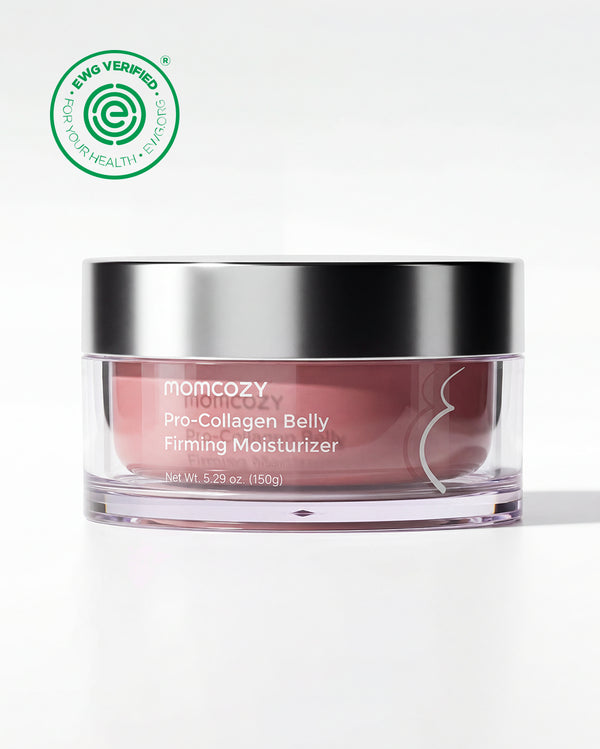
Stretch marks can happen on your belly, breasts, hips and thighs. Genetics are a big factor in who gets them. While you can't always prevent stretch marks, using Momcozy stretch mark cream may help soothe itchy, tight skin and keep it moisturized.
Member price
From$14.99$59.99

Member price
$104.98Code Save 20%
Balance and Posture
As your uterus enlarges, your center of gravity shifts forward. This can affect your balance and put additional strain on your lower back, leaving you feeling tired or uncomfortable.
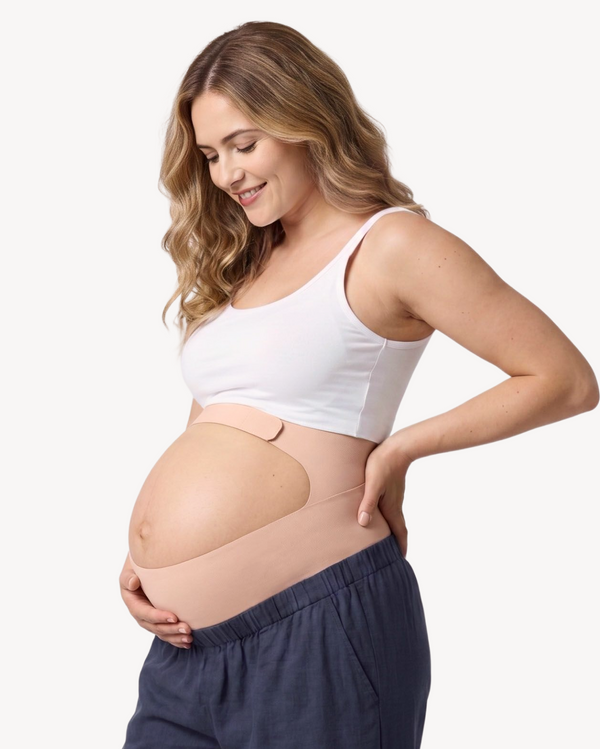
You can make small adjustments to help you feel more comfortable. Try to maintain good posture, wear supportive shoes, and take breaks when needed. A Momcozy maternity belly band can also provide gentle support for your growing bump and help ease some of the discomfort associated with prolonged standing or walking. Momcozy's maternity support belt is one option to consider as your pregnancy progresses.
If you feel dizzy or lightheaded, take a break, sit down, and wait until you feel better before standing up again.

Breast and Clothing Changes
Your breasts may feel fuller or more tender, and your usual bra may stop being comfortable. Consider a soft maternity bra with a flexible fit if your usual bra feels less comfortable.

Common Symptoms at 21 Weeks
Most symptoms at this stage are common and mild, but a few require a call.
- Braxton Hicks contractions. These are irregular tightenings of the belly that come and go. They tend to ease with rest, and are different from true contractions that increase in frequency, become more painful and regular.
- Heartburn happens when stomach acid refluxes into the esophagus. Eating smaller meals may help.
- Leg cramps are common at night. Stretching the muscles may help and keeping well hydrated may help as well.
- Varicose veins are dilated veins, especially in the legs, due to increased blood volume and higher pressure. Elevating your legs may help.
- Fatigue is common due to increased workload by the body, and body aches are also common especially in the back and hips.
- Urinary frequency is common at this stage, but painful urination is not and should be reported.
When to Contact Your Care Team
Call your provider or maternity unit if you notice:
- Vaginal bleeding
- Leaking fluid
- Severe or persistent abdominal pain
- Painful urination, especially with fever
- Contractions that become regular or painful
- Any change that worries you
You do not need to wait for your next appointment if something feels wrong.
Ways to Stay Comfortable at 21 Weeks
At this stage, comfort usually means making small, practical changes. The following changes may help you:
- Rest. Side-lying positions become more and more comfortable as your belly grows. Furthermore, a supportive pregnancy pillow can help make side-lying rest more comfortable for you.


- Movement. Walking and other low-impact activities are often permitted by your provider.
- Hydration. Make sure you’re drinking enough water! This helps with constipation, cramps, and gives you more energy.
- Clothing. This can be a big change at the end of the day. Comfortable and supportive shoes and clothes help.
- Daytime support. The maternity belly band may also help while on your feet for long periods of time. It is totally a personal preference and is not a treatment. It is also only to be used during the day.
Looking Ahead
You can start a short list of things to do that are less time sensitive:
- Look into childbirth classes and/or doulas
- Begin a baby registry
- Think about names
- Note questions for your next appointment
You don’t need to check these off your list right away, but just spreading these things out will help the third trimester feel less crowded.
Frequently Asked Questions
How many months is 21 weeks pregnant?
You are about 5 months pregnant. This is the middle of your second trimester. Some providers may have slightly different counts, so your care team's count may vary as well. You can use the pregnancy week-by-week guide to see how the weeks correspond with the trimesters.
How big is a baby at 21 weeks?
For more details on measuring a baby at 21 weeks, see the section "How Big Is Your Baby at 21 Weeks?"
Where is my baby positioned at 21 weeks?
There are a lot of changes this week. Your baby still has a lot of space to move around, so position is not fixed yet. Any position is common at this stage. For more on this, please see the section, "Position of Baby at 21 Weeks."
Should I feel my baby move at 21 weeks?
You might, but not everyone does. First time moms may feel movement at a later time in pregnancy. If you are not feeling any movements at this time, bring this up at your next visit. Likewise, contact your provider if your regular movements slow down or stop.
What does a 21-week pregnancy belly look like?
There is a lot of variation. You may or may not have a visible bump at this point and this does not indicate anything about the health of your baby. Your provider is more concerned with measurements, rather than appearance, to see how your baby is growing.
Conclusion
At 21 weeks pregnant, the picture stays fairly simple. Your baby is growing and moving. Your body is adjusting, too, and you may even start to feel more comfortable.
Contact your care team if something is concerning you. Remember, many small comforts can add up to be a big deal. You can also visit the pregnancy week-by-week guide to see what your baby and your body is up to this week!