Wondering what happens if you breastfeed from one side only? You are not alone — many parents look this up when their baby only nurses on one side or suddenly starts refusing one breast. Below we explain why it happens, what to expect, and how to keep your supply balanced with guidance from La Leche League International, so feeding stays comfortable for both of you.
Why is My Baby Refusing One Breast?
It’s common for babies to develop a preference for one breast over the other. The reasons for this can vary, and understanding the cause can help you address the situation effectively:
-
Nipple or Breast Pain Issues. Sometimes the rejected breast may have a harder-to-latch nipple, an engorged breast, or even a difference in milk flow. A baby may find one side more challenging to latch onto, making them less inclined to nurse on that side.
-
Milk Flow Preference. Babies may prefer one breast if the opposite breast causes nipple pain or has inefficient milk flow. If one breast has a slower letdown or less milk production, your baby might naturally prefer the side that provides milk more easily.
-
Comfort Issues. If your baby is uncomfortable due to an ear infection, a recent vaccination, or any physical discomfort related to birth injuries (like torticollis), they may avoid feeding on the side that causes them pain.
-
Positioning. Sometimes, babies find certain positions more comfortable for feeding. They may favor the breast with pain-free attachment due to the difference in position or angle. Using a breastfeeding pillow can help you experiment with different angles and heights to find a more comfortable position for the side your baby is currently refusing.
-
Previous Negative Experience. If your baby had a bad experience with one side—such as a painful latch or an overfull breast—they might be reluctant to feed from that side.
In short, when you breastfeed from one side only for a stretch, the used breast makes more and the other makes less — an imbalance that can bring engorgement or a size difference. The CDC notes that unrelieved fullness can lead to mastitis, so the good news is that the less-used side responds quickly to extra stimulation, and the gap is usually easy to close.
What Will Happen if My Baby Only Nurses on One Side?
If your baby consistently nurses from only one side, there are a few potential outcomes to consider:
-
Milk Supply Imbalance. Breast milk production is driven by demand. If your baby feeds predominantly from one breast, that side will naturally produce more milk, while the less-nursed one may produce less. An imbalance in milk supply can lead to discomfort and sore breasts.
-
Engorgement. This includes being swollen, painful, and at risk for developing mastitis or a breast abscess. Engorgement can be uncomfortable and may affect the quality of milk produced.
-
Uneven Breasts. It’s common for the breast that’s used more frequently to become larger over time. If one breast is being used significantly more, you may notice a size discrepancy. While this is temporary and often resolves when breastfeeding ends, it may cause some discomfort or cosmetic concern for some mothers.
-
Potential for Decreased Milk Supply in the Less-Used Breast. If the less-preferred breast isn’t being stimulated regularly, milk production can gradually decrease, which could lead to breast pain. This is particularly concerning if you need to rely on both breasts to ensure your baby is receiving enough milk.
What Can I Do If My Baby Only Nurses on One Side?
If your baby refuses one breast, the goal is to make the avoided side feel familiar and comfortable again while protecting your supply. The tips below help with latching; the pumping tips further down show how to keep the less-used breast active even when nursing from one side only becomes the norm. Programs like WIC can also connect you with a lactation consultant if you need hands-on help.
If your baby avoids one side, try these easy tips to help them latch and keep your milk flow steady.
Start When Hungry
Try the avoided side first when they are hungriest or very sleepy, as they may be less picky then.
Try a New Hold
Change how you hold your baby. Sometimes a new angle makes the "bad" side feel much better to them.
Rock and Sway
Move gently while you nurse. Rocking helps babies relax so they are more likely to latch without a fuss.
Skin-to-Skin Time
Hold your baby close against your skin before feeding. This calms them and helps you make more milk.
Help the Milk Flow
If that side is slow, gently press your breast to help the milk come out faster. This keeps them interested.
The "Easy Switch"
Start on the side they like. Once they are feeding well, gently slide them over to the other side.
Momcozy Care Tip:
If you have a lot of pain or can't make enough milk, talk to a doctor or nurse for help.
If your baby refuses one breast, here are a few strategies you can try to encourage them to nurse from the less-preferred side to avoid nipple pain:
- Always offer the breast your baby is avoiding when they’re hungriest. Babies tend to be more willing to feed when they are very hungry or at the start of a feeding session. You could also try feeding when they are sleepy or just waking up, as they may be less fussy and more willing to latch.
- Sometimes, changing the breastfeeding position can make the less-preferred side more comfortable for your baby. For example, if they prefer a particular position like the cross-cradle hold, try adjusting to a similar position on the other side.
- Gentle rocking can help them relax and accept the less-preferred breast without discomfort.
- Offering skin-to-skin contact before feeding can help your baby feel more relaxed and more likely to latch on both sides. This bonding time can also help stimulate milk production.
- If the issue is slow milk flow on one side, using gentle breast compressions during feeding can help speed up the flow and encourage your baby to keep nursing.
- Start on the preferred, pain-free side, then gently move to the other side once they are already latching and feeding. This can sometimes make the transition smoother.
Should I Pump the Other Breast If My Baby Only Nurses on One Side?
Pumping or expressing from the other breast is essential to avoid issues like mastitis and to maintain milk supply. The following are the reasons:
- Maintain Milk Supply. If you’re nursing from just one side, your body may not receive enough stimulation to keep milk production high on the other side. Pumping or hand expressing treats your body to continue producing milk on the underused side.
- Prevent Engorgement. When milk accumulates, it can lead to painful, sore engorgement, potentially resulting in mastitis. Regular pumping from the other side will help relieve pressure and maintain balance between both breasts.
-
Boost Milk Production. If you're concerned about a decrease in milk supply on the less-nursed side, pumping can help maintain production and ensure your baby receives enough milk.
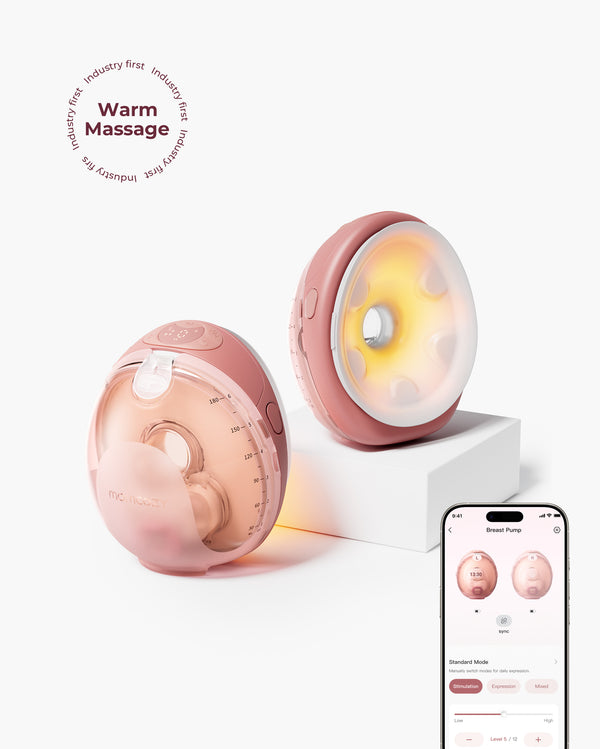
The right tools can make this process much easier. The Momcozy W1 Warm Massage Breast Pump is an ideal choice for the less-nursed side; it combines pumping, heating, and massaging into one powerful device. This unique combination helps relax the breast and stimulates milk ducts, which is perfect for boosting supply in a breast that isn't being used as often.
From $263.99 USD $329.99 USD
Warm-Massage
Milk Boost Mode
Reliable Battery
Transparent Top
Ultra-slim
Wireless Charging
Effortless Alignment
Smart App Control
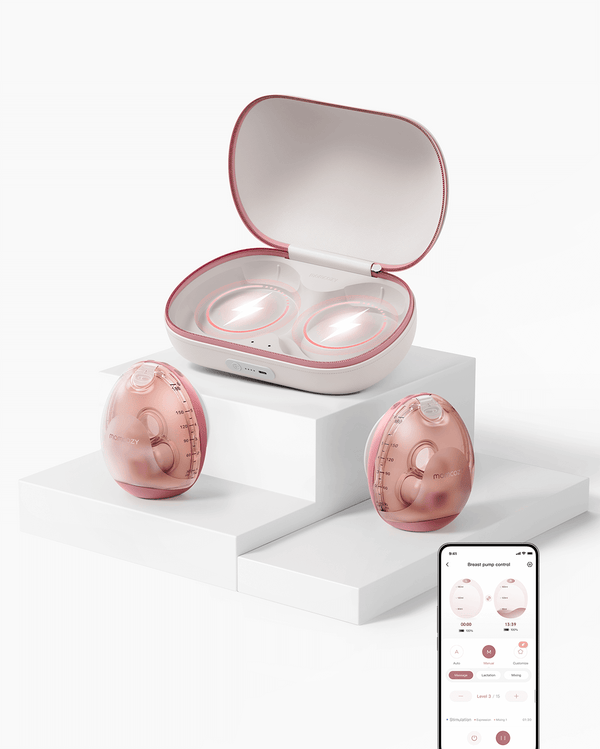
For many moms in this situation, the smartest setup is a two-pump combo: a big host pump at home plus a wearable for outings. While your baby nurses the side they prefer, a full-size pump like the V3 (plug-in hospital-grade) or V3 Pro (portable/cordless) can run just the underused breast; later, a wearable such as the Air 1 or W1 keeps that side stimulated on the go. They are teammates, not rivals.
The Momcozy V3 (plug-in hospital-grade) and V3 Pro (portable/cordless) solve the one-side problem with Dual-Pump Dual-Control: each breast is driven by its own motor, so you can switch on just the underused side and leave the other off. That lets you pump the less-nursed breast while your baby nurses the preferred one — keeping both sides supplied in a single session, with one device. Start with SoftStart™ and up to −270 mmHg of hospital-grade suction, or let the V3 Pro's StableFlow™ adapt the pressure for you. For relief between sessions or out the door, the ultra-slim Air 1 or the warm-massage W1 keeps the less-used side stimulated hands-free — a gentle, on-the-go complement to the at-home pump. See NHS breastfeeding guidance for more on keeping supply steady.
High Efficiency
Expert-Tuned Rhythms
APP Control
Long Battery
Should I Switch Breasts During Feeding?
Switching breasts during a feeding is a common practice, but it depends on your baby’s needs and your milk supply. Many mothers offer both breasts during a single feeding session, but it’s not a strict rule. Below are some cases where you may switch breasts to breastfeed your baby:
- If your baby seems to have finished feeding from one side, you can offer the other breast. Signs that your baby is done include releasing the nipple on their own, slowing down their sucking, or falling asleep.
- If your baby is still showing hunger cues (rooting, sucking on their hands), try offering the second breast.
- If the flow of milk has slowed down on one side and your baby is frustrated, switching to the other side may help.
If your baby only prefers one breast, it’s perfectly fine to let them finish the feeding session on just that side. If your baby isn’t hungry for both breasts, there’s no need to force the switch.
How Can I Avoid Engorgement on One Side?
Engorgement occurs when the breast becomes overly full, swollen, and uncomfortable. If your baby refuses to nurse from one side, you may be at risk for engorgement. To prevent this:
- If your baby consistently refuses one side, pump or express milk from that breast regularly to relieve pressure and maintain milk production. Express or pump after every feeding, if possible, or at least once a day to prevent blocked ducts.
- Offer the less-preferred breast more frequently, even if your baby doesn’t seem eager to nurse from it. This reduces chances of mastitis, an infection that causes redness and swelling.
- Before feeding or expressing, use a warm compress or gentle massage to soften an engorged breast. You can try a breast massager or warm compress pad, like the Momcozy Breast Steam Warm Compress Pad or the Momcozy Warming and Vibration Lactation Massager, to make it easier for your baby to latch.
- After nursing or expressing, you can use a cold compress to reduce swelling and prevent further engorgement.
- Make sure your baby is latching well to avoid milk stasis and engorgement. A poor latch can prevent milk from being fully removed from the breast.
FAQs About Baby Refusing One Breast
Will My Baby Get Enough Milk If He Only Nurses on One Side?
Yes, your baby can get enough milk from nursing on just one side, provided they are allowed to nurse long enough to fully drain that breast. Many mothers successfully continue breastfeeding exclusively from one breast if the milk supply is abundant. However, it's important to ensure that milk production is maintained in the non-preferred breast, which may require pumping or expressing. This can prevent uncomfortable symptoms associated with uneven feeding.
What Are the Side Effects of Nursing Baby from One Side Only?
-
Uneven Milk Supply. The more used breast will be fuller, which may lead to mastitis, breast pain, or issues with cracked nipples. If one side is used more often than the other, it will produce more milk, while the neglected side may decrease in supply. This could lead to an imbalance.
-
Engorgement. Engorgement needs to be addressed promptly because it can lead to breast pain and mastitis. Painful swelling may occur, leading to mastitis or even an abscess if untreated.
-
Uneven Breast Size. Over time, the feeding breast used more may appear larger, but rest assured, this will normalize. This is a temporary change that resolves once breastfeeding ends.
Why Is My Baby Suddenly Rejecting One Breast?
-
Nipple or Breast Issues. The rejected breast may be engorged, have a slower milk flow, or have a nipple that is difficult for your baby to latch onto.
-
Pain or Discomfort. Your baby could be experiencing discomfort on one side, such as from an ear infection, teething, or discomfort after a vaccination or injury.
-
Positioning Issues. Your baby may feel more comfortable feeding on one side due to their position and may reject the other side if it’s less familiar or more challenging to latch on to.
-
Breast Preference. Babies often develop preferences for one side based on milk flow or comfort, which could be due to a difference in how the breasts are shaped, how milk is let down, or how the nipple is positioned.
If the refusal is sudden or persistent, it's important to observe for signs of infection or discomfort and consult a lactation consultant or pediatrician for advice.
Can I Pump One Breast While My Baby Nurses the Other?
Yes. With a dual-control pump like the Momcozy V3 or V3 Pro, you can turn on just the less-nursed side while your baby feeds from the other breast — each breast has its own motor, so you maintain supply on the underused side without taking your baby off the preferred one. This is ideal when your baby only nurses on one side. Pair it with the wearable Air 1 or W1 for quick top-ups between sessions. The CDC highlights regular emptying as the key to maintaining supply.
The Bottom Line
At the end of the day, nursing from just one side isn’t usually a big deal, but it can mess with your milk supply or lead to discomfort if it goes on for too long. Try offering the other side a bit more or pump to keep things balanced. The key is not to stress—just listen to your baby and your body, and things will work itself out!
If you are still asking what happens if you breastfeed from one side only, the honest answer is: usually nothing serious, as long as you keep the less-used breast stimulated. A dual-control pump like the V3 or V3 Pro lets you pump that side while your baby nurses the other, and a wearable Air 1 or W1 covers top-ups on the go. For personalized support, the AAP’s HealthyChildren and a lactation consultant can help you listen to your baby and your body, so the balance takes care of itself.