


When milk races out of the nipple, your baby may gulp, leak, or look wiped out after a five-minute feed. Paced bottle feeding slows that flow so your little one can suck, swallow, breathe, and stop when they are full—not when the bottle is empty. Whether you offer breast milk, formula, or both, the same rhythm can make bottle time calmer for you and easier on their belly.
Key Takeaways
- Paced bottle feeding lets your baby control flow with an upright hold, a mostly horizontal bottle, and pauses every few swallows.
- Many feeds take about 15–30 minutes; finishing a full bottle in under 10 minutes often means the flow is still too fast.
- Watch hunger and fullness cues instead of ounce marks—stop when your baby shows they are done, even if milk is left.
- The technique works for formula and breast milk; nursing families can dig deeper into flow mismatch on our Momcozy Care companion page (linked later in this article).
What Is Paced Bottle Feeding?
Paced bottle feeding—sometimes called pace feeding or responsive bottle feeding—is a baby-led way to offer a bottle. You hold the bottle nearly flat, let your baby draw milk with active sucking, and pause often so feeding feels closer to nursing than to “gravity pouring milk down.”
Traditional bottle feeding often tips the bottle steeply so milk flows quickly. Paced feeding flips that: the caregiver controls angle and timing, but the baby controls how long they suck and when they stop. It can help full-term newborns through older infants who drink from a bottle, with breast milk, formula, or a mix.
If you are breastfeeding too, pacing can reduce how “easy” the bottle feels compared with the breast—one piece of limiting nipple confusion and flow preference. The nursing-specific why and research nuance live in our breastfed companion guide later in this article.

Benefits of Paced Bottle Feeding
For many families, the biggest win is fewer rushed feeds: slower swallows, less air gulped, and more room to notice “I’m full” cues before the bottle is empty.
- May ease gulping, gas, and spit-up: When flow matches what your baby can handle, they swallow less air and may spit up less often.
- Supports responsive stopping: You follow fullness cues instead of pressuring your baby to finish every ounce.
- Can mirror nursing rhythm: Active sucking plus breaks feels more like breastfeeding than a steady pour—helpful when you switch between breast and bottle.
Research is still catching up. A 2023 survey in the Journal of Nutrition Education and Behavior found that among mothers of infants under 12 months, about 41% had heard of paced bottle-feeding; those who used it were less likely to encourage bottle-emptying (study summary). That is promising, not a promise that pacing fixes every feeding issue—talk with your pediatrician or IBCLC if feeds stay stressful.
Step-by-Step: How to Pace a Bottle Feed
Learning how to pace bottle feed is mostly about position, angle, and pauses. Use these paced bottle feeding techniques at every bottle, including the first one your baby takes.
- Start calm with a slow-flow nipple. Offer 2–4 oz to begin if you are unsure how much your baby wants; you can always warm a little more. Slow-flow labels vary by brand—watch your baby, not the package.
- Hold your baby semi-upright. Support head and neck; avoid feeding flat on their back, which can make swallowing harder and may increase choking risk per AAP bottle-feeding guidance.
- Invite the latch. Touch the nipple to the upper lip and wait for a wide open mouth before letting your baby draw it in.
- Keep the bottle horizontal. Fill the nipple about halfway so milk does not flood in; your baby works to draw it, similar to breastfeeding.
- Use a suck–pause rhythm. After about 20–30 seconds of steady sucking, tip the bottle down to pause while keeping the nipple near the mouth. Continue if your baby roots back in.
- Switch sides halfway. Change the arm you use mid-feed to mimic switching breasts.
- Burp and check cues. Burp during natural breaks. Stop when your baby turns away, relaxes their hands, slows sucking, or falls asleep satisfied—even with milk left.
Many paced feeds take 15–30 minutes. A rough guide some lactation educators use is about 7–8 minutes per ounce, but your baby’s cues matter more than the clock.
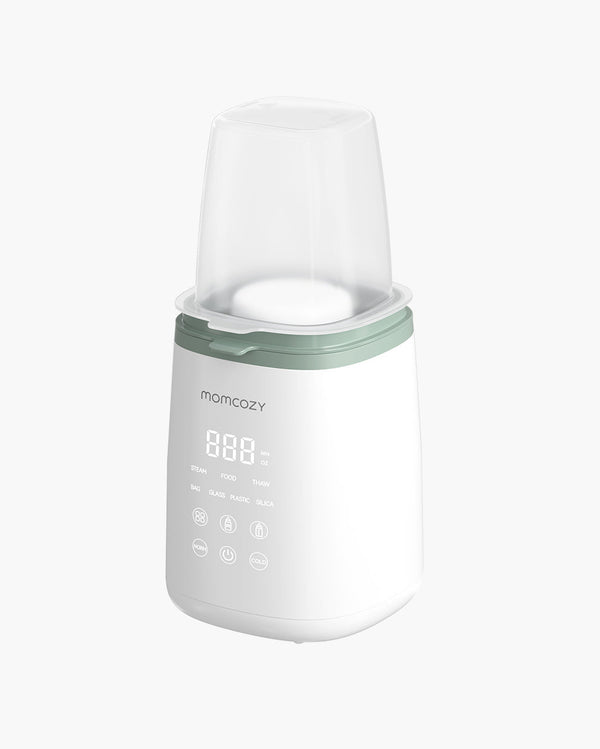
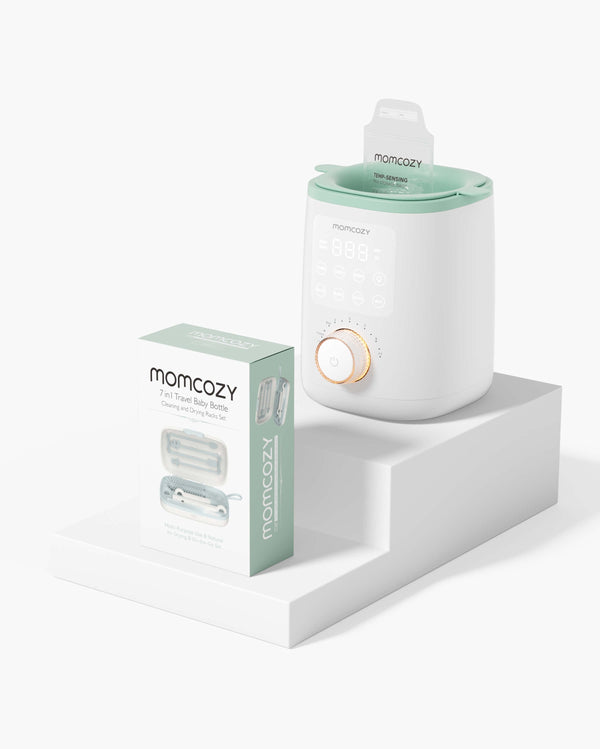
If you warm breast milk, use a water bath or bottle warmer and test on your wrist; never microwave breast milk because hot spots can burn your baby’s mouth. For steady warming at home, some parents like a dedicated unit such as the Momcozy Night Pro Baby Bottle Warmer—still always wrist-check before the feed.

Member price
From$59.99$79.99Code Save 10%
Member price
$119.97Code Save 20%
Hunger, Fullness, and Stress Cues to Watch
Paced feeding only works when you watch your baby, not the ounce lines on the bottle.
Hunger: Early signs include rooting, hands to mouth, lip smacks, and increased alertness. Crying is often a late hunger cue—offering the bottle earlier can feel smoother (CDC hunger and fullness cues).
Fullness: Slowing sucking, pushing the bottle away, turning the head, relaxed hands, or drifting to sleep can mean “I’m done.”
Stress (flow too fast): Wide eyes, gulping, milk leaking from the mouth, coughing, or nasal flaring mean pause, sit your baby upright, and restart more slowly when calm.
Slow-Flow Nipples, Bottle Angle, and Positioning
Slow-flow nipples are the first tool for slow paced bottle feeding, but “slow” is not standardized—one brand’s newborn nipple may still pour faster than another.
Keep the bottle mostly horizontal and adjust tilt only enough to keep some milk in the nipple tip. If milk runs when you tip slightly, go slower or try a different nipple. Semi-upright is the default for most term babies.
Some clinicians use side-lying paced bottle feeding for specific medical situations (for example, certain preterm or reflux plans). That is not the usual starting point for healthy term infants—ask your pediatrician or feeding therapist before trying side-lying feeds at home.

Paced Bottle Feeding vs Traditional Bottle Feeding
Paced bottle feeding vs traditional bottle feeding comes down to who sets the pace and how fast milk arrives.
| Traditional tilted bottle | Paced bottle feeding |
|---|---|
| Gravity helps milk flow steadily | Baby sucks actively; flow slows with horizontal hold |
| Feed may finish quickly | Feed often lasts 15–30 minutes with pauses |
| Caregiver may focus on emptying the bottle | Caregiver follows hunger and fullness cues |
Responsive feeding is the bigger idea—offering when hungry and stopping when full. Pacing is one technique that supports responsiveness; you do not need to interrupt a calm baby every few seconds if they are already taking natural pauses.
How Long Should a Paced Bottle Feed Take?
Many paced bottle feeds take about 15–30 minutes, similar to a relaxed breastfeeding session. Newborns often take smaller volumes with the same pause rhythm rather than chugging a large bottle.
If every feed stretches beyond 40 minutes, your baby works very hard to drink, or weight gain is a concern, check in with your pediatrician or lactation consultant. Pace is a tool, not a test your baby has to pass.
Same Paced Rhythm for Partners, Daycare, and Other Caregivers
Babies learn fast. If home uses paced feeds but daycare tips bottles steeply, your little one may still prefer the faster flow.
Caregiver pacing checklist (share as-is):
- Semi-upright hold, supported head and neck
- Bottle horizontal; nipple half-full of milk
- Pause every 20–30 seconds of sucking; stop on fullness cues
- No prop bottles—stay with your baby while they feed
Print or screenshot that list for partners, grandparents, and child care. Consistency beats perfect technique on day one.
Signs of Overfeeding—and How Paced Feeds Help
Overfeeding often shows up as a bottle finished in minutes, a spit-upy or fussy belly afterward, or a caregiver pushing “just one more ounce.” Paced feeds give your baby time to register fullness before milk keeps arriving.
If you are worried about intake, weight gain, or wet diapers, call your pediatrician rather than forcing larger bottles.
Common Bottle-Pacing Mistakes
- Tilting the bottle too high so milk floods the nipple.
- Using a fast nipple because the label says “slow” but flow still pours.
- Forcing pauses when your baby is calm and already sucking gently.
- Prop feeding, which raises choking risk and hides stress cues.
- Mixing speeds between caregivers—align on the checklist above.
-
Reusing a bottle that still smells or tastes “off” after a quick rinse. Soap film or old milk can make the next paced try harder; a washer such as the Momcozy DeepClean Baby Bottle Washer is one way to get bottles and pump parts fully clean between feeds (you still load it).
 Member price$359.99Code Save $30
 Member price$349.99
$389.99Code Save 10% Member price$374.99
$414.99Code Save 10% Member price$339.99
$379.99Code Save 10%


Troubleshooting: Gulping, Leaking, or Refusing the Paced Feed
If gulping continues, try a slower nipple, a more horizontal angle, or a feed when your baby is alert but not frantic. Overtired babies often fight pauses.
Ongoing bottle refusal after you have tried pacing for several days is different from “learning a new rhythm.” Our baby refusing the bottle guide covers next steps when every feed ends in tears.
Call your pediatrician promptly for repeated choking, poor weight gain, fewer wet diapers, signs of dehydration, or pain with feeding.
Breastfed Babies: Companion Guide
Nursing babies sometimes prefer a fast bottle once they taste steady flow. Pacing can protect breastfeeding rhythm by making the bottle less passive—but flow mismatch, nipple shape, and caregiver plans deserve their own read.
For breastfed-specific cues, research nuance, and bottle setup tips, see paced bottle feeding for breastfed babies on Momcozy Care. This page stays focused on the universal step-by-step technique.
Conclusion
Paced bottle feeding is not about perfect pauses on a timer—it is about a calmer flow, clear cues, and caregivers who stop when your baby is satisfied. Start with upright holds, horizontal bottles, and slow-flow nipples; adjust one variable at a time if feeds still feel rushed.
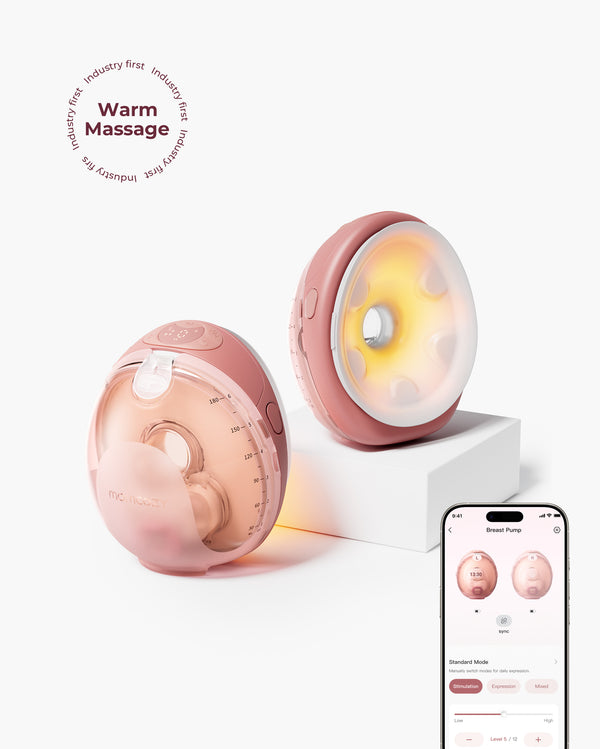
If you pump for bottles while you are at work, keeping the same slow rhythm at every feed still matters—even when milk was expressed hours earlier. A hands-free wearable such as the Wellness 1 Warm-Massage Wearable Breast Pump can make midday expression less disruptive; pacing still applies when someone else offers that bottle.
Member price
From$329.99Code Save 30%

Member price
$351.99$369.99

Member price
$351.99$369.99

Member price
From$11.19$13.99
FAQs About Paced Bottle Feeding
Can you use paced bottle feeding with formula?
Yes. The same upright hold, horizontal bottle, and pause rhythm work with formula or breast milk. Warm formula and breast milk safely, test temperature on your wrist before feeding, and avoid microwaving breast milk.
Do you need a special bottle for paced feeding?
Usually no. Most bottles work if you can hold them nearly flat and pair them with a truly slow nipple. Nipple flow matters more than the bottle brand.
Should every bottle be paced forever?
Many older babies need fewer forced pauses as coordination improves, but responsive stopping and upright holds still help. Follow your baby’s cues rather than a rigid script.
What is the difference between pace feeding and breastfeeding?
Breastfeeding varies in flow over a feed; bottles can deliver milk faster unless you pace. Pacing slows bottle flow so sucking, swallowing, and breathing feel more like nursing.
Is paced bottle feeding the same as responsive feeding?
Responsive feeding means offering when hungry and stopping when full. Paced bottle feeding is one technique that supports responsiveness during bottle feeds.
We’re still working on the first bottle—should we pace from day one?
When your baby starts taking a bottle, use the paced rhythm from the first feeds. For timing, caregiver handoffs, and a first-bottle plan—not pacing technique—see our changing from breast to bottle feeding guide.








