


Do breastfeeding women get sick more often? Most new breastfeeding women wonder about sickness rates when they face healthcare challenges affecting their nipples and feeding schedules. Breastfeeding delivers many advantages to babies and mothers but, at the same time, creates changes to a mother's immune function. Additionally, women who breastfeed might notice changes in their body's defense mechanisms. Research on breastfeeding showcases its immune benefits and potential risks, including increased susceptibility to certain illnesses in breastfeeding moms. The scientific review about breastfeeding and maternal body changes, as they relate to breastfeeding and disease, will be discussed in this piece.
How Breastfeeding Affects a Mother’s Immune System
Breastfeeding functions as a vital immune system process for women, benefiting them in both short and long terms. Mothers and infants receive disease protection when antibodies and immune cells transfer through breast milk during breastfeeding. During the colostrum period, mothers provide their babies with enriched immune factors that strengthen their defense system. This initiation is essential for infant immune development. When a woman breastfeeds, it activates immune responses that enhance her immune system, even engaging when feel ill. Physical nursing operations can sometimes lead mothers to develop susceptibility toward certain illnesses despite their breastfeeding benefits, which strengthen their immune system. Despite these challenges, the benefits of breastfeeding remain substantial.
Maternal Immune System and Breastfeeding

Breastfeeding enables women's immune systems to protect maternal and infant health through effective feeding. Breast milk allows a mother's body to express antibodies and deliver immune cells that strengthen the infant's immune system. Mother passes defensive factors through breast milk during the initial days of colostrum delivery because early milk contains abundant protective immune elements. This early benefit supports both maternal and infant defense mechanisms. Breastfeeding supports women's immune development by triggering protective processes in their bodies.
Does Breastfeeding Lower the Immune System for Mom?
No, breastfeeding does not cause a decrease in maternal immune function. In fact, exclusive breastfeeding is often recommended for its comprehensive health advantages. A mother's natural childbearing process leads to immune cell and antibody formation that enhances immune system function. The cells in breastmilk enhance the baby immune system. The protective immune substances in breast milk protect infants and enhance breastfeeding mothers' immune systems simultaneously. The physical demands of nursing create body strain that might make mothers more likely to fall ill.
Does Breastfeeding Boost Mom’s Immune System?
Breastfeeding supports mothers by improving both their immune system response and their overall health outcomes. Such improvement is crucial for new moms and their infants. Babies, alongside their mothers, obtain infection protection through the immune components alongside antibodies contained in breast milk. Infants rely on these powerful components for their gut and overall health. The health benefits are apparent as this supportive process continues. This continuous protection is valuable for the first 6 months of life.
Why Do Breastfeeding Women Keep Getting Sick?

Breastfeeding offers women a beautiful yet challenging experience, often grappling with overall wellness. Breastfeeding mothers face elevated illness risks because of their limited sleep and physical strain while nursing their infants and the demands of newborn healthcare. Several important factors make breastfeeding mothers more prone to illness. These factors impact women differently, depending on their health and life circumstances.
- Sleep Deprivation and Stress: The combination of inadequate sleep and ongoing stress within new mothers creates profound fatigue that accompanies heightened stress markers. Sleep deprivation weakens the immune system, reducing the body's defense capacity and increasing disease risks. New mothers encounter too much stress from providing newborn care and learning household routines and caregiving duties, which strains their ability to maintain good health. Real-life conditions can add pressure to this delicate phase of motherhood.
- Nutrient Depletion: Breastfeeding consumes a lot of energy and nutrients, which a mother needs to generate breast milk. A woman's nipples might also suffer due to improper feeding techniques, impacting her overall health. Depletion weakens women, leaving them prone to infections and prolonging recovery from illnesses.
- Close Contact with Babies: Babies need frequent skin-to-skin time for feedings, which exposes mothers to more germs. During the first 6 months following birth, infants have underdeveloped immune systems, thus potentially transmitting illnesses to mothers. Higher risk is associated with women when their baby is sick and exposed to disease elements.
- Hormonal Changes: The hormonal transformations of pregnancy alongside the postpartum stage can result in changes to maternal immune response systems. During the initial weeks after birth, women experience significant hormonal shifts. Such changes can increase risk and illness susceptibility in women, affecting flu and other common diseases. Hormonal modifications can increase both illness occurrences and infection susceptibility among mothers who become sick with colds, flu, and other illnesses.
- Mastitis: Mastitis stands as a common breast infection which develops in nursing mothers. It causes pain and engorgement, disrupting comfort. Blocked ducts usually lead to sore nipples while causing flu-like symptoms, such as fever and chills, in breastfeeding women. Unguarded mastitis infections release severe discomfort and sickness, which reduces a nursing mother's ability to care for herself and her child.
- Physical Strain: The physical demands of breastfeeding become noticeable, although it occurs naturally between mothers and infants. The body of a nursing mother faces most pressure through the act of frequent breastfeeds and through poor breastfeeding positions. Using a nursing pillow can help correct your posture and reduce the muscular strain on your back and shoulders during long sessions. The effects of fatigue become most evident to mothers at the time they both provide care for their newborns and handle additional emotional stress. Physical energy at low levels weakens body defense systems, which causes an individual to become more susceptible to diseases.
Do Breastfeeding Moms Get Sick Less?

Breastfeeding creates immune protection between mother and baby yet does not completely shield either of them from health problems. Breast milk holds antibodies together with immune cells as well as protective proteins which improve maternal immunity to fight off infections. Here’s how breastfeeding helps moms to get less sick:
- Antibodies: The protein substances called antibodies to fight bacteria and viruses in breast milk. The immune system of newborns stays weak during the initial weeks of life, but antibodies in breast milk protect them effectively. The protective agents in breast milk antibodies protect newborns against pathogenic infections by defending them from colds as well as ear infections and respiratory illnesses.
- Immune Cells: Breast milk consists of various immune cells including macrophages together with lymphocytes and neutrophils. Immune cells within breast milk identify pathogens and protect against harmful infections, which defends the health of the mother and newborn. Stomach cell statements within breastfeeding milk help defend babies against infections by actively targeting pathogens. Immune cells present in breast milk strengthen maternal immune capabilities to protect against illnesses and reduce their duration in case of sickness.
- Flu Protection: Breast milk functions as a natural protection against flu viruses throughout the yearly flu period. New mothers produce flu antibodies in response to breastfeeding that are transmitted through breast milk to defend their nursing infants from flu viruses. Protective substances received through milk production enable infants to build immunity to infections, thereby reducing the risk of severe diseases. Breastfeeding enables mothers to build stronger immune responses, thus increasing their resilience against flu infections. Although breastfeeding provides protective advantages for mothers, they can still develop illnesses.
Tips for Breastfeeding Moms to Stay Healthy
Breastfeeding provides numerous advantages for mothers, but it also brings about both physical and mental exhaustion. A nursing mother needs to focus on taking care of both her physical condition and mental status to maintain a balanced overall wellness. Nursing mothers can promote their health along with immune system support by following these specific guidelines:
How Nursing Moms Can Stay Healthy
10 Effective Methods to Support Your Physical and Mental Wellbeing
Get Enough Rest
Nap when baby sleeps to build strong immunity.
Balanced Diet
Fuel your body with whole foods and proteins.
Stress Control
Yoga and deep breathing keep immunity strong.
Stay Active
Light stretching improves blood circulation.
Avoid Germs
Regular hand washing stops illness transmission.
Mental Health
Your emotional state matters for recovery.
Latch Technique
Proper technique reduces infection risks.
Stay Hydrated
Drink plenty of water to boost milk production.
Listen to Body
Pay attention to signals; take needed breaks.
Consult Pros
Seek guidance for specialized latch support.
- Get Enough Rest: When the baby is sleeping, take advantage of the opportunity to nap or find assistance for completing the household tasks. The human body requires proper rest to build strong immunity and achieve total wellness. The Momcozy Smart Baby Sound Machine provides an environment of serenity that facilitates high-quality rest for both mother and child.


- Eat a Balanced Diet: You should get different nutritional elements by eating whole foods with vegetables, fruits, lean proteins, and healthy fats. Maintain your hydration and supplement your diet with a daily multivitamin to cover essential nutrients.
- Practice Stress Management: Stress management stands as the key factor that keeps immunity strong. Deep breathing meditation and yoga, as well as relaxation techniques, will help you manage stress. The combination of physical activity at any intensity level helps lower stress in individuals.
- Stay Active: Light exercise that involves walking and gentle stretching helps improve blood circulation while supporting your general health. You must always talk to your healthcare provider for their medical approval of beginning any new exercise program.
- Avoid Germ Exposure: You must wash your hands regularly and stay away from persons who show illness symptoms as much as possible. Having good hygiene practices stands as an essential method to stop illness transmission since newborns catch germs easily.
- Take Care of Your Mental Health: Your emotional state matters to your health exactly as much as your physical condition. If postpartum challenges become intense or overwhelming, find support from family members or seek guidance from a counselor.
- Maintain Proper Breastfeeding Technique: Using the right breastfeeding techniques can lower your chances of getting painful breast infections. This is because a good "latch"—when your baby is attached to the breast correctly—helps everything work smoothly. If your breasts feel too full or uncomfortable, pumping can help. It relieves the pressure and keeps your milk flowing. Momcozy has two great tools to help moms stay healthy and comfortable:
-
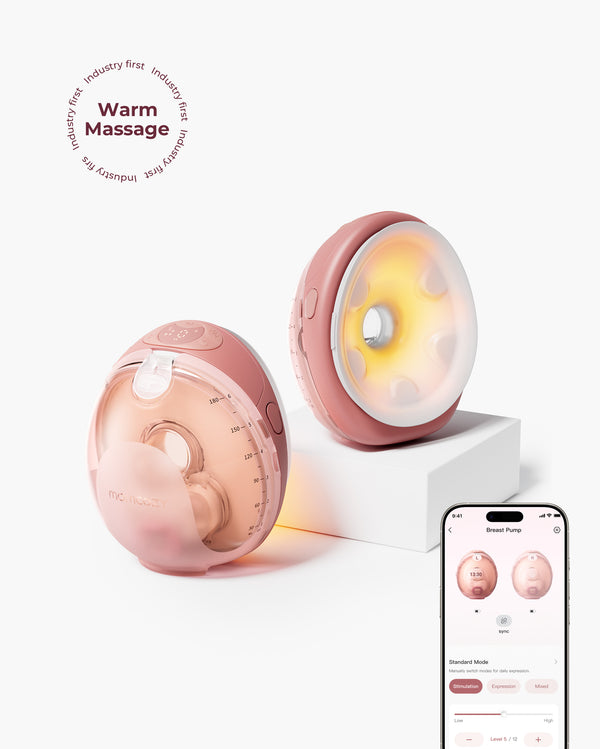
- The Momcozy M9 is a hands-free pump that is quiet and easy to use while you do other things.
- The Momcozy W1 uses gentle heat and massage while it pumps, which helps empty the breast better and prevents clogs.
Both of these pumps help prevent infections by making sure milk doesn't get stuck. If you have trouble getting your baby to latch or need help with positioning, you can always ask a lactation consultant for advice.



- Stay Hydrated: Hydration is crucial because breastfeeding mothers should drink plenty of water daily, especially during their breastfeeding periods. Drinking the right amount of water promotes milk production together with maintaining energy levels throughout your day.
- Listen to Your Body: Pay attention to your body's signals because necessary breaks and rest will help you recover from illness. Pay attention to how your body feels to determine when you should stop working so hard.
- Consult Your Healthcare Provider: Proper breastfeeding techniques will reduce both mastitis and other breast infections, so find methods for your baby to latch on correctly. The presence of a lactation consultant assists with breast positioning techniques as well as proper latch.
Conclusion
Through breastfeeding, both mother and baby achieve immune system protection from beneficial antibody transfers, immune cell distribution, and protective protein transmission. The combination of insufficient rest together with mental stress, and nursing-related physical requirements leaves nursing mothers at risk of becoming ill. Even though breastfeeding helps strengthen immunity, it does not eliminate the possibility of illness in mothers because breastfeeding on its own is inadequate to prevent sickness.








