


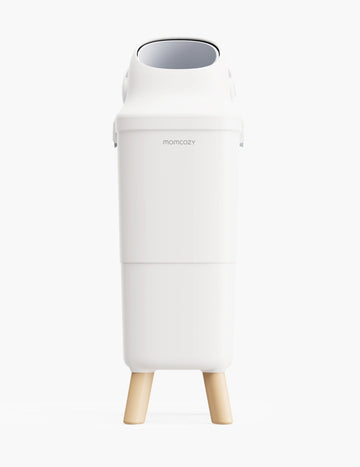
When you shop for a diaper pail, the steel vs plastic diaper pail question shows up almost immediately. Material is the first thing you see and touch, so it feels like the deciding factor. But what keeps your nursery fresh has less to do with the shell and more to do with the seal, bag fit, and cleaning routine.
Let's sort out what each material offers and what really controls the smell.

Why Material Is the First Thing You Notice
Material grabs your eye first, but it's only one piece of the decision.
Walk down any baby aisle and material jumps out before anything else. A brushed-steel body looks premium. A molded plastic shell looks practical. Your eye sorts them before you read a single spec.
Material is a fair place to start. It shapes four things you'll notice every day:
- Feel: sturdy and solid, or light and easy to move.
- Durability: how it holds up to knocks over the years.
- Cleaning: how easily you wipe it down.
- Price: which swings widely by material and design.
New parents weighing all this often start by getting clear on what a diaper pail is and how it differs from a regular bin.
Still, one truth shapes everything below:
No single material wins for every family.
A heavier premium pail might suit one nursery and frustrate another. The right pick depends on your routine, your budget, and what you value most.
Steel and Stainless Steel: What You Gain and What You Give Up
Steel feels premium and wipes clean, but costs more, weighs more, and still can't guarantee odor control on its own.
What You Gain
- Sturdy feel. Solid in the hand, built to last.
- Easy-wipe surface. Steel doesn't soak up liquids the way softer materials can.
- Premium look. A metal diaper pail brings a modern edge to the nursery.
What You Give Up
- Higher cost. A stainless steel diaper pail usually runs more than a comparable plastic model.
- More weight. Metal is heavier, so emptying or moving it across the room is less convenient.
- Dents and smudges. Steel can dent from a hard knock, and some finishes show every fingerprint.
One assumption quietly drives most steel purchases, and it deserves a direct answer: steel itself does not guarantee odor control. The material resists absorbing smells, which helps a little. But how well a pail traps odor comes down to the lid, the seal, the bag fit, and your cleaning habits.
A steel body with a loose lid won't beat a well-sealed pail of another material. That point carries straight into the plastic side.
Plastic Pails: Lighter, Cheaper, and Often Underestimated
Plastic wins on weight and price, and a well-sealed plastic pail handles odor just as well as steel.
Many plastic diaper pails are popular for practical reasons:
- Lighter: easier to lift and empty.
- More affordable: a real factor when baby expenses pile up.
- More designs: foot pedals, slim profiles, and built-in child-safety features.
A plastic pail is worth judging on four things that actually matter, not on the material name:
- Sealing structure: how tightly the lid closes.
- Cleaning access: how easily you reach inside.
- Bag fit: how well it works with the bags you'll use.
- Odor-control design: whether it has dedicated features for trapping smell.
Not all plastic pails smell, and plastic is not automatically inferior. A tight, multi-layer seal can manage odor very well, while a poorly sealed pail of any material will struggle.
Both materials point past the shell and toward the seal. That raises the question most parents really care about.

Does Steel Always Control Odor Better Than Plastic?
No. Odor control is a system, and the body material is only one small part of it.
Several parts work together to keep smells contained:
|
Component |
Why it matters |
|
Lid seal |
A tight, gasketed lid blocks far more odor than a loose one, whatever the body is made of. |
|
Opening design |
Trap doors and one-way openings limit the air that escapes when you drop a diaper in. |
|
Bag fit |
A bag that seals snugly against the opening closes the gaps where odor leaks out. |
|
Deodorizing parts |
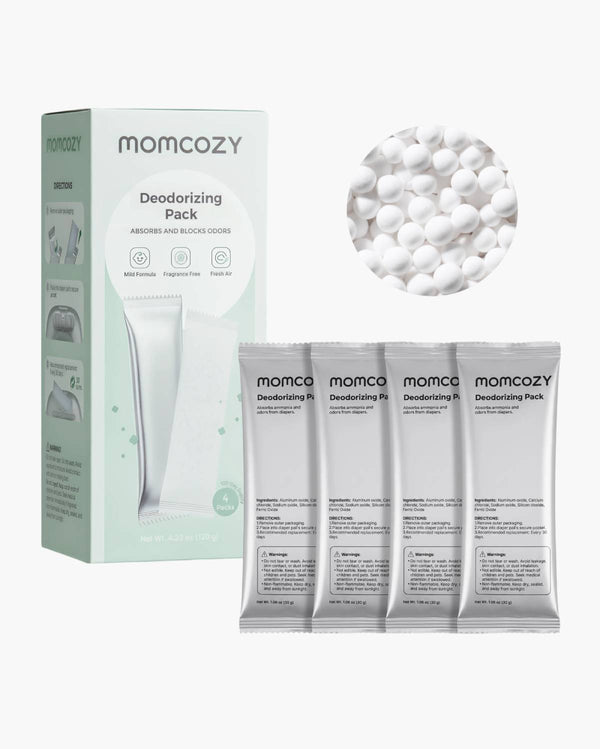
Deodorizing components such as carbon filters or deodorizing packs can help reduce lingering smell. |
|
Emptying frequency |
Even the best pail struggles if it overflows; emptying on time matters more than people expect. |
|
Cleaning routine |
Residue builds up over time and creates smells no material can mask. The CDC diaper hygiene guidelines recommend keeping waste containers lidded and surfaces clean after every diaper change. |
So the rule holds across both materials. A steel shell won't save you if the seal is weak or the pail sits full for days. A well-sealed plastic pail with a steady cleaning habit stays fresh.
Two habits do most of the work:
- How to keep a diaper pail from smelling is less about material and more about emptying on time, sealing the bag, and using a deodorizing component.
- How to clean a diaper pail on a regular rhythm clears the residue that causes lingering smell no shell can mask.
That leaves one more factor hiding behind the shell: the bags.
Bags and Refills: A Separate Decision From Material
Bag type is a separate decision from material, and it shapes your long-term cost more than you'd expect.
Pails split into two camps:
- Proprietary refills: cartridges or specially shaped bags sold only by the brand. They lock you into ongoing purchases.
- Regular trash bags: the ones already under your sink. More flexible, usually cheaper.
And the two don't track together: material and refill system are two separate decisions.
A pail can be steel or plastic and still demand proprietary refills, just as either material can accept regular bags. Never assume a premium metal pail uses standard bags, or that a budget plastic one doesn't.
The trade-offs between regular trash bags vs proprietary refills come down to ongoing cost and restocking convenience, both worth checking on their own.
The Full Picture: A Side-by-Side Checklist
On the rows that decide daily freshness, steel and plastic land in the same place.
|
Factor |
Steel / Stainless Steel |
Plastic |
|
Odor-control design |
Depends on seal and bag fit, not material |
Depends on seal and bag fit, not material |
|
Bag compatibility |
Varies; check regular vs proprietary |
Varies; check regular vs proprietary |
|
Cleaning access |
Wipe-clean; interior reach still matters |
Often easy; check interior access |
|
Capacity |
Varies by model |
Varies by model |
|
Hands-free use |
On some models |
Common, including foot pedals |
|
Child safety |
On some models |
Often includes child locks |
|
Weight |
Heavier |
Lighter |
|
Durability |
Sturdy but can dent |
Durable; quality varies |
|
Nursery space |
Footprint varies |
Slim options available |
|
Budget |
Usually higher |
Usually more accessible |
Odor, bags, and cleaning come down to design, not material. Knowing how to choose a diaper pail means ranking these factors against your own routine instead of stopping at the material label.
When you reach the stage of weighing specific models, a best diaper pail buying guide lines up the practical options against each other.
A Bigger Question: Do You Even Need a Diaper Pail?
The bigger question isn't steel vs plastic — it's diaper pail vs trash can.
Material doesn't change this answer. A standard kitchen bin, lined with one bag or two, generally can't match a purpose-built pail on:
- Odor containment
- Hands-free use
- Diaper-sized capacity
A pail is worth the upgrade because of its sealing and disposal design, not because it's steel or plastic. The case for a diaper pail vs trash can rests on those differences, not the material either one is made from.

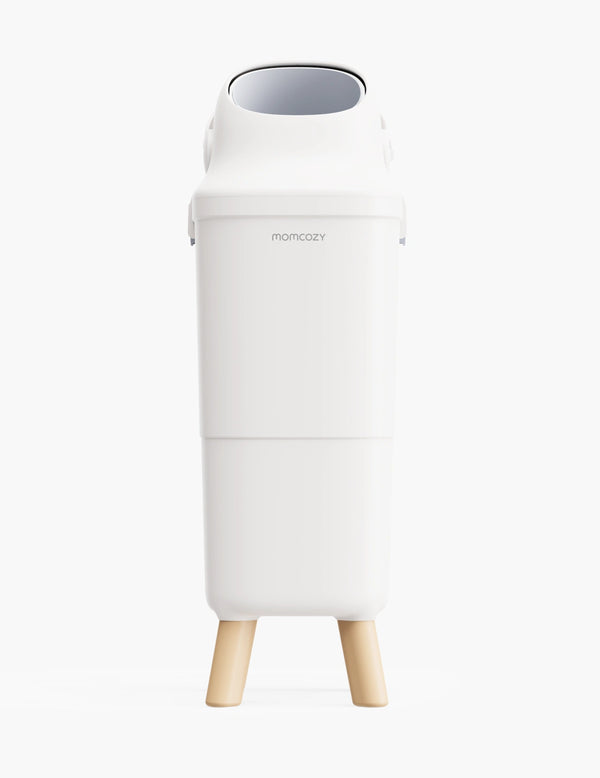
Where the Momcozy Triple-Seal Diaper Pail Fits In
If the seal and the bags matter more than the shell, look for a pail built around exactly those.
The Momcozy Triple-Seal Diaper Pail focuses on three everyday priorities:
- Triple-seal design engineered to help lock odors in.
- Regular 13-gallon (49 liter) trash bag compatibility, so you skip proprietary refills and the recurring cost they carry.
- Easy everyday maintenance that supports regular emptying, simple bag changes, and a cleaner disposal routine.
The point isn't that one material beats another. It's that odor-control design, easy disposal, standard bags, and simple upkeep matter most — and a pail that handles those serves your family well no matter what it's made from.
FAQs
Are steel diaper pails better than plastic?
Not automatically. Steel offers a sturdy feel and wipe-clean surfaces, but odor control depends on the seal, the bag fit, and your cleaning habits rather than the material. A well-designed plastic pail can perform just as well.
Is stainless steel worth it for a diaper pail?
It can be, if you value the premium look and don't mind the higher cost and added weight. Just remember stainless steel doesn't guarantee better odor control on its own.
Do plastic diaper pails hold odors?
Quality plastic pails with tight seals manage odor well. Lower-quality pails of any material hold smells when the seal is weak or cleaning slips. Focus on the sealing design, not the material.
What matters more, material or sealing design?
Sealing design. The lid seal, the opening mechanism, and the bag fit do more to contain odor than whether the body is steel or plastic.
Does bag type affect odor control?
Yes. A bag that seals snugly against the opening closes the gaps where odor escapes, so bag fit and refill system are worth checking separately from material.
How often should a diaper pail be cleaned?
A light wipe-down weekly and a fuller clean every few weeks suits most families, with more frequency during the newborn stage. Regular emptying prevents most odor buildup. The AAP germ prevention guidelines highlight that cleaning the changing area and waste containers regularly is key to a hygienic nursery environment.
Is a nappy bin the same as a diaper pail?
Yes. "Nappy bin" is the common UK term for what US parents call a diaper pail. The same buying factors apply, and a guide to nappy bin vs diaper pail covers the terminology for UK readers.
Conclusion: Choose by the Whole System, Not Material Alone
Material is the loud question, but the seal is the quiet answer. The strongest choice weighs the full disposal system: odor-control design, bag compatibility, cleaning ease, child safety, capacity, and total cost over time. Steel and plastic each have a place, so let your routine lead. For an easy-to-use option built around odor control and regular trash bags, the Momcozy Triple-Seal Diaper Pail is a fitting place to start.








