


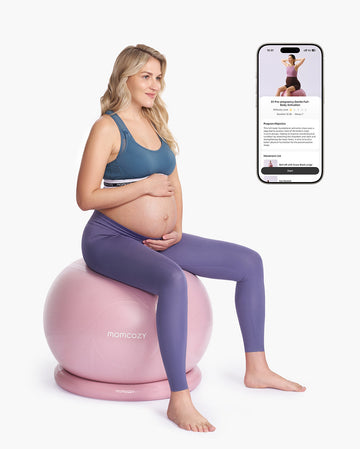
Bringing a new life into the world is a beautiful journey, but it often leaves lasting impacts on a mother's body. If you are struggling with a weakened core or noticing a gap in your midline, you are not alone. Targeted exercises for diastasis recti (also called divarication of the rectus abdominis muscles) are one of the safest and most effective ways to restore your core strength.
When tackling your abs postpartum recovery, understanding the mechanics of your body ensures that you are healing your core rather than causing further strain.
What Is Divarication of Rectus Abdominis Muscles (DRAM)?
Divarication of the rectus abdominis muscles—more commonly known as diastasis recti—is the partial or complete separation of the "six-pack" muscles. These superficial abdominal muscles meet at the midline of your stomach, joined by a band of connective tissue called the linea alba. During pregnancy, this connective tissue stretches to make room for the growing baby. While some separation is natural, the gap often persists postpartum, resulting in a weakened core. A proper rectus workout focuses on healing this connective tissue and training the deeper core muscles to draw the separated halves back together. Supporting your pelvic floor alongside your core is equally essential for full postpartum recovery.
What Triggers Diastasis Recti and Abdominal Separation?
The primary trigger for abdominal separation is the profound outward pressure exerted on the abdominal wall by a growing uterus. Hormonal changes play a significant role as well; the body releases relaxin and progesterone, hormones designed to soften ligaments and joints for childbirth. Unfortunately, these hormones also weaken the linea alba, making it highly susceptible to stretching. Other contributing factors include multiple pregnancies, carrying a heavy or large baby, and utilizing improper lifting mechanics. Engaging in specialized abdominal separation diastasis recti exercises helps counteract this outward pressure by retraining the muscles to pull inward and stabilize the trunk.
What Is Considered a Severe Diastasis Recti?
Severity is measured by the width and depth of the separation. A gap of one to two finger widths immediately postpartum is considered normal and often heals naturally. However, a separation measuring two or more finger widths (especially with poor tissue tension or symptoms) is generally considered significant and may require professional attention, especially if the connective tissue feels incredibly soft, allowing your fingers to sink deeply into the abdomen without resistance. Severe cases often come with secondary symptoms such as pelvic floor instability, chronic lower back pain, or even umbilical hernias.
How Do You Know if You Have Ab Separation?
Visual and physical cues are the most common indicators. Many women notice a "pooch" or a distinct doming or coning shape protruding from the center of their stomach when they strain, cough, or try to sit up in bed. Lingering back pain and a feeling of general instability in the trunk are also major signs.
How to Test for Diastasis Recti and DRAM at Home
You can perform a quick self-assessment at home to check the status of your core:
- Lie flat on your back on a yoga mat with your knees bent and feet flat on the floor.
- Place two fingers horizontally just above your belly button.
- Gently lift your head and shoulders a few inches off the floor, keeping your shoulders relaxed.
- Press your fingers gently into the midline of your abdomen. Feel for the left and right edges of the rectus abdominis muscles.
- Measure the gap by seeing how many fingers fit between the muscle ridges.
- Assess the tension. Does the tissue feel firm and bouncy, or do your fingers sink in deeply?
- Repeat the test just below the belly button.
How Do You Treat Divarication of the Rectus Abdominis Muscle?
Treatment revolves around strengthening the transverse abdominis (the deepest core muscle) and managing intra-abdominal pressure. In many cases, engaging in physical therapy exercises for diastasis recti is the safest route to recovery. A dedicated PT for diastasis recti protocol will teach you how to properly engage your pelvic floor and deep core before attempting more strenuous activities. The American College of Obstetricians and Gynecologists recommends that postpartum women begin with gentle core and pelvic floor work before progressing to higher-intensity movement. Postpartum exercise guidelines from ACOG suggest starting with low-impact strengthening as soon as you feel ready after a normal vaginal delivery.
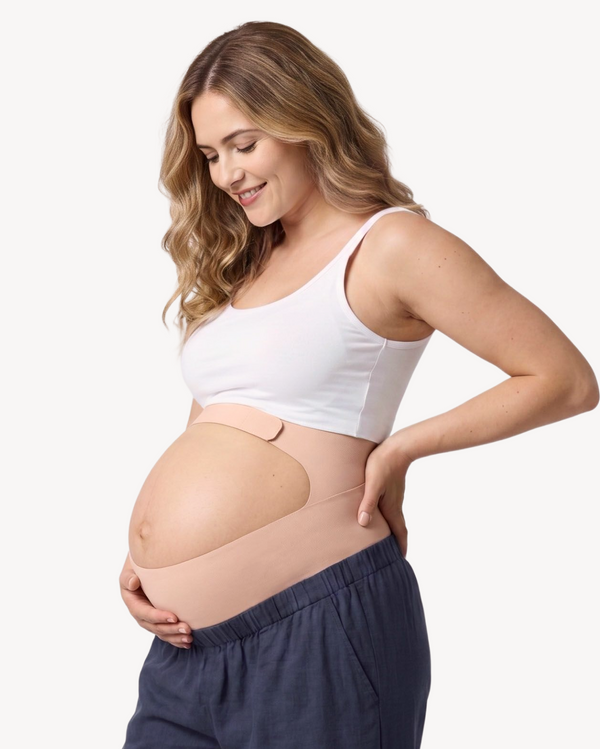
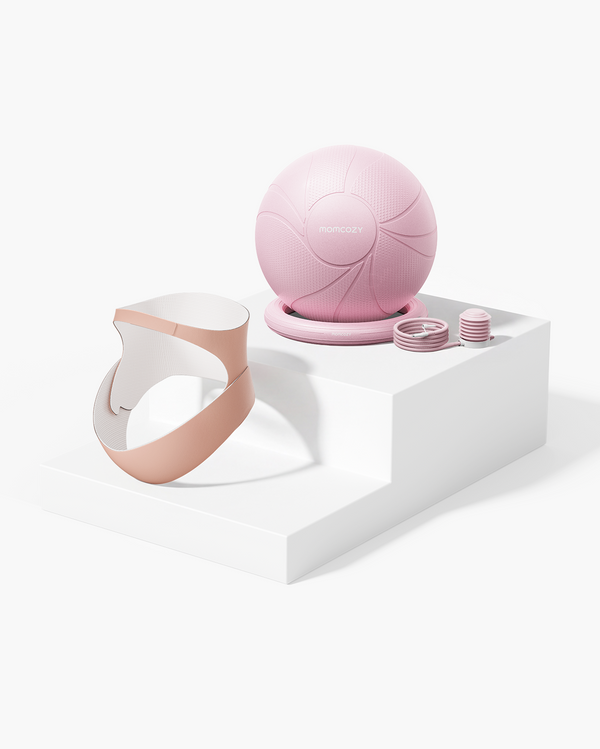
During the early stages of recovery, external support is highly beneficial. Wearing a premium maternity and postpartum band from the postpartum collection, like the Momcozy Ergonest Maternity Belly Band, provides gentle compression, stabilizes the pelvis, and supports the lower back, relieving tension on the healing connective tissue. A supportive pregnancy belt can also ease daily movement during early recovery. The U.S. Office on Women's Health notes that physical recovery after birth requires patience and appropriate support to avoid re-injury. Recovering after birth involves gradual return to activity, adequate rest, and listening to your body's signals throughout the process.
12 Best Exercises for Abdominal Separation
When working out with diastasis recti, precision and form are everything. To maximize your healing, utilizing tools like the Momcozy BirthEase Maternity Exercise Ball Set can add comfortable, adaptive support to your diastasis recti exercises.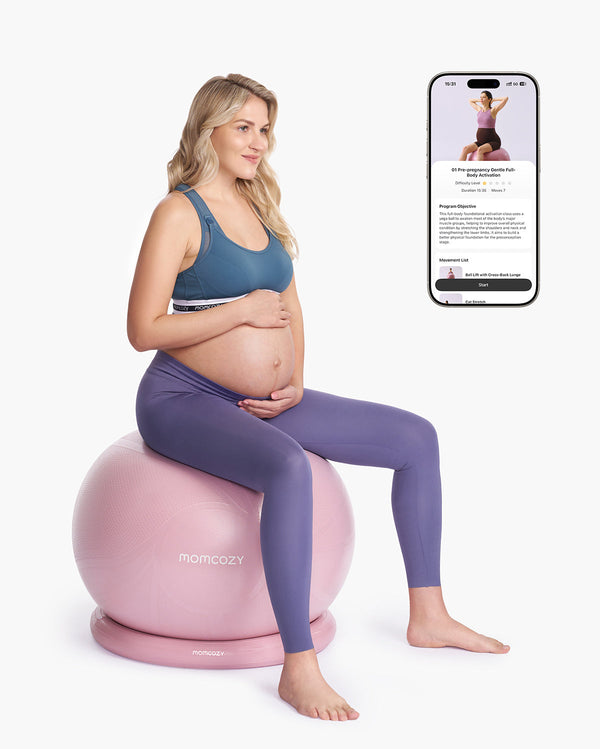
Here are the 12 best exercises for abdominal diastasis, detailed with their benefits, execution steps, and tips to ensure safe recovery.
Pelvic Tilt

Benefits: Improves mobility in the pelvis and spine. Exercises the core, hips, and pelvic floor muscles. Elevates pelvic stability and positively impacts the recovery of rectus abdominis separation and urinary incontinence. Relieves lower back and hip discomfort.
Execution:
- Sit on the front third of the yoga ball, hands resting on your hips. Feet should be wider than shoulder-width, with ankles externally rotated and knees aligned with the toes.
- Inhale: Tilt the pelvis forward by pushing the sit bones backward, allowing the hips to lift slightly.
- Exhale: Tilt the pelvis backward by lifting the pubic bone and pushing the sit bones forward, allowing the lower back to arch slightly.
- Repeat the exercise.
Sensations: During anterior tilt, you can feel the sit bones pushing the ball with a gentle stretch in the lower back (without pressure). During posterior tilt, the core engages slightly, providing a subtle sense of stability.
Common Mistakes: Excessive hip arching can cause lumbar overextension; leaning the upper body too far forward or backward prevents the spine from staying elongated.
Tips: Avoid excessive arching of the hips; imagine holding a baby to help reduce overextension of the lumbar spine.
Flying Bird Pose

Benefits: Activates the serratus anterior, pelvic floor, and abdominal muscles. Positively impacts abdominal separation recovery. Improves shoulder joint mobility.
Execution:
- Begin in a prone kneeling position with the yoga ball against a wall. The ball can touch the floor or be slightly lifted. Hips lightly rest on the ball. Arms are vertical (wrists slightly forward of shoulders—avoid letting shoulders pass wrists). Press hands lightly into the floor. Inhale to prepare using diaphragmatic breathing.
- Exhale: Reduce hip pressure on the ball while keeping it stable. Feel the pelvic floor lift away from the ball, drawing the lower abdomen upward. Raise the right arm overhead until parallel to the floor. Hold for 5 seconds.
- Inhale: Relax the abdomen and pelvic floor, lower the arm, and press hips back onto the ball.
- Repeat on the opposite side.
Sensations: On exhale, clearly feel the pelvic floor contract and the sides of the abdomen draw inward. Shoulder girdle stretches without tension.
Common Mistakes: Collapsing the lower back on the exhale; shrugging shoulders; improper hip pressure causing the ball to wobble.
Tips: Take deep inhales to expand the ribcage. When extending arms overhead, keep shoulders relaxed.
Dead Bug (Basic Version)

Benefits: Builds abdominal strength, accelerates postpartum core recovery, and relieves lower back discomfort.
Execution:
- Lie on your back with knees bent at 90°, lower back pressed into the mat. Place the ball between your knees and hands. Inhale to prepare.
- Exhale: Engage the abdominals, press the ball downward with hands while pressing knees upward into the ball. Keep it stable, imagining you are flattening the ball.
- Inhale: Relax hands and knees gently.
- Repeat the exercise.
Sensations: Feel the lower abdomen lifting and drawing inward toward the navel during the press.
Common Mistakes: Overusing limbs instead of the core; lifting the head or upper back off the mat.
Tips: Watch for abdominal "doming." Keep the lower back pressed firmly against the mat at all times.
Dead Bug (Advanced Version)

Benefits: Intensifies abdominal strength building for faster recovery and back pain relief.
Execution:
- Lie on your back, knees at 90°, lower back flat. Place the ball between knees and hands. Inhale to prepare.
- Exhale: Engage abdominals. Keep the left leg and right hand stationary, pressing the ball between them. Lift the right foot slightly off the mat.
- Inhale: Relax and return to the start.
- Repeat on the opposite side.
Sensations: Feel the abdominal muscles drawing inward from the sides toward the navel while lowering limbs with control.
Common Mistakes: Relying on arm/leg strength instead of the core; letting the upper back leave the floor.
Tips: If the abdomen forms a "ridge," reduce the range of motion. Maintain a flat lower back.
Supine Alternating Feet on Ball

Benefits: Promotes lower limb blood circulation, relieves edema, and builds core and leg strength to aid abdominal separation repair.
Execution:
- Lie on your back facing a wall. Place feet shoulder-width apart on the yoga ball, pressing it against the wall. Hips and knees bent at 90°. Arms flat by your sides. Inhale to prepare.
- Exhale: Push the yoga ball upward with your feet, straightening your legs and flexing your feet.
- Inhale: Bend your legs to pull the ball back.
- Repeat the exercise.
Sensations: Feel leg muscles engaging and the core tightening to keep the lower back glued to the mat.
Common Mistakes: Lifting the lower back off the mat; failing to engage the core; moving too quickly.
Tips: Keep the lower back pressed firmly against the mat to prevent lumbar discomfort.
Ball-Supported Cat-Cow Pose

Benefits: Relieves neck, shoulder, and back discomfort. Improves spinal mobility, exercises the pelvic floor, and soothes emotions.
Execution:
- Kneel with arms perpendicular to the ground. Press hips back against the ball to stabilize. Inhale to prepare.
- Exhale: Push down with hands, engage the pelvic floor, lift the lower abdomen, tuck your chin, round your back, and look at your navel.
- Inhale: Lift hips against the ball, arch your back, extend the spine, open the chest, and lift your head.
- Repeat the exercise.
Sensations: Feel the spine form a full arch with clear core/pelvic engagement on the exhale. Feel spinal lengthening on the inhale.
Common Mistakes: Failing to fully tighten the abdomen during the arch; losing hip contact with the ball.
Tips: Exhale as if all air is completely emptied from the abdomen. If wrists hurt, support yourself on your fists.
Thoracic Rotation

Benefits: Relieves upper/lower back and hip pain. Improves spinal flexibility and gently works the obliques.
Execution:
- Kneel with knees apart, toes touching, hips resting slightly above heels. Lean upper body forward, arms extended pushing the ball. Inhale to prepare.
- Exhale: Rotate the chest to the left, gazing through the right armpit.
- Inhale: Return the chest to the center.
- Repeat a set, then switch sides.
Sensations: Feel a gentle twisting stretch in the chest/shoulder. The spine experiences natural extension.
Common Mistakes: Twisting the waist instead of the chest; improper pressure control on the ball causing imbalance.
Tips: Focus attention entirely on twisting the chest cavity while keeping the waist stable.
Side-Lying Half Bridge

Benefits: Strengthens the obliques and lateral core, heavily aiding in rectus separation repair.
Execution:
- Kneel and place the ball on your left side. Shift weight, side-lie onto the ball (waist and hip in contact). Rest the left elbow on the ball, right hand in front of the chest. Form a straight diagonal line.
- Exhale: Engage the abdomen, extend the right leg straight, point the toes, and tap them on the ground.
- Inhale: Bend the right leg to return to the starting position.
- Repeat.
Sensations: Core engages to maintain stability; moderate exertion in leg muscles.
Common Mistakes: Pelvic instability (tilting forward/back); slumping onto the ball; toes out of alignment with the knee.
Tips: Place the ball against a wall for stability. Relax shoulders. Use a non-slip blanket under the knees if they hurt.
Seated Mermaid Ball Push with Rotation

Benefits: Stretches hamstrings and glutes, relieves back tension, and helps reduce lower limb edema.
Execution:
- Sit on the ball, feet slightly wider than hip-width, hands raised or on hips. Inhale to prepare.
- Exhale: Keep feet in place, gently tilt pelvis back to push the ball backward, straighten your legs, and lean the upper body slightly forward.
- Inhale: Return to the starting position.
- Repeat.
Sensations: Clear, gentle stretch along the back of the thigh; shoulders open without tension as the spine elongates.
Common Mistakes: Collapsing the lower back; moving too fast; knees not aligned with toes.
Tips: Coordinate breathing with the movement. Keep the spine extended. Use a wall or ball stabilizer if needed.
Seated-on-Ball Marching

Benefits: Works the abdomen and quadriceps, highly effective for functional diastasis recti workout routines.
Execution:
- Sit upright on the ball, hands lightly resting on it, knees at 90 degrees.
- Inhale: Slowly lift one leg upward.
- Exhale: Slowly lower that leg. Alternate legs. Keep the spine upright.
Sensations: Gentle core engagement to maintain balance on the ball.
Common Mistakes: Bending forward or excessively leaning back; holding your breath.
Tips: Keep your back straight throughout. Maintain smooth, even breathing.
Kneeling Cat Stretch

Benefits: Relieves tension across the body, mobilizes the spine, activates the pelvic floor, and soothes emotions.
Execution:
- Kneel with thighs vertical to the floor. Place the ball in front of your thighs. Hold it with both hands, glutes slightly engaged. Inhale to prepare.
- Exhale: Nod your head and sequentially roll the spine downward. Gently push the ball forward with straight arms until the back is stretched.
- Inhale: Starting from the tailbone, slowly roll the spine back up segment by segment, bringing the ball back.
- Repeat.
Sensations: Deep stretch in the upper back muscles on the push; shoulder blades feel relaxed upon return.
Common Mistakes: Pushing the ball too far and overstretching the abdomen; moving too fast without breath coordination.
Tips: Start with thoracic spine mobility before moving the whole spine. Don't press your head against the ball.
Kneeled Tabletop Position

Benefits: Increases pelvic floor elasticity, directly repairs rectus abdominis separation, and relieves hip/back discomfort.
Execution:
- Kneel shoulder-width apart. Interlace fingers, rest elbows on the front of the ball. Lean forward with a straight back (elbows under shoulders, knees under hips). Lift hips slightly upward. Inhale to prepare.
- Exhale: Tighten lower abdomen and pelvic floor. Lift knees ~1 cm off the mat. Press firmly through feet, squeeze inner thighs inward. Hold for 5 seconds.
- Inhale: Return to the start.
- Repeat.
Sensations: Tension in inner thighs; core fully tightened to maintain balance.
Common Mistakes: Sagging at the waist; lifting knees too high; failing to squeeze thighs inward.
Tips: Place the ball against a wall to prevent wobbling. If balance is an issue, slightly deflate the ball.
What Exercises Should Be Avoided with Diastasis Recti?
Not all exercises are created equal during your recovery. Certain movements create unsafe levels of intra-abdominal pressure that push the organs forcefully against the healing connective tissue, stretching the gap further apart.
Why You Must Avoid Full Sit-Ups, Crunches, and Heavy Lifting
When you do a traditional crunch, your rectus abdominis flexes forcefully, but because the connective tissue holding the muscle bellies together is compromised, the pressure has nowhere to go but outward. This results in the visible "coning" effect. Doing crunches, full planks, double leg raises, or heavy deadlifts without a properly rehabilitated core will only widen the separation and delay your recovery.
Conclusion: Consistency Closes the Gap
Healing diastasis recti takes time, patience, and the right movement pattern. These diastasis recti exercises can help you rebuild core awareness and support postpartum recovery—but they are not a substitute for personalized care from a pelvic floor physical therapist or your healthcare provider. Stay consistent, listen to your body, and progress only when your core feels stable—not when you feel doming or strain.
Momcozy Brand Day also spotlights postpartum wellness—use this diastasis recti exercise guide alongside your provider's or physical therapist's advice, not as a substitute for personalized care.
FAQs
Q1: Are Push-Ups Bad for Diastasis Recti?
Standard floor push-ups require you to support your entire body weight in a prone position. Gravity pulls your internal organs down against the weakened linea alba, creating outward pressure that can worsen the gap. Wall push-ups or highly inclined push-ups are much safer alternatives during your recovery.
Q2: Why Traditional Abs Postpartum Workouts Can Make It Worse?
Traditional ab workouts focus heavily on the superficial "six-pack" muscles. If you train these outer muscles to become tight and strong before you heal the connective tissue and strengthen the deep transverse abdominis, the strong outer muscles will pull the gap wider. Recovery must work from the inside out.
Q3: Can Exercise Fix Severe Diastasis Recti?
For the vast majority of women, a consistent, targeted exercise protocol will drastically reduce the gap, restore core function, and eliminate back pain. MedlinePlus, a resource from the U.S. National Library of Medicine, provides an overview of diastasis recti and confirms that physical therapy is the primary recommended intervention for most cases. However, in extremely severe cases where the connective tissue is completely torn or compromised beyond natural repair, surgical intervention (like a tummy tuck) may be required after exhausting physical therapy options.
Q4: Will Walking Reduce Diastasis Recti or Can I Do a Treadmill?
Walking is fantastic for overall health, blood flow, and posture, which indirectly aids your recovery. While walking on a treadmill alone will not pull the abdominal muscles back together, doing so with a gently braced core and good posture is perfectly safe and highly encouraged alongside your dedicated exercises.
Q5: How Long Does It Take to Close Diastasis Recti with Exercise?
Recovery timelines vary based on genetics, the severity of the gap, and consistency. Most individuals see significant improvement in core tension and gap reduction within 6 to 12 weeks of daily, targeted exercises.
Q6: What Happens if You Don't Fix Diastasis Recti?
Ignoring a separated core leads to long-term structural issues. Because the front of the abdomen cannot properly stabilize the trunk, the lower back compensates, leading to chronic lumbar pain. It also vastly increases the risk of pelvic floor dysfunction, incontinence, and umbilical hernias.
Q7: Can You Lose Belly Fat if You Have Diastasis Recti?
Yes. Fat loss is dictated by being in a caloric deficit. You can safely lose belly fat through proper nutrition, gentle cardiovascular activity, and safe core exercises without doing a single crunch.
Q8: What Foods Should You Avoid with Diastasis Recti?
While food doesn't cause the separation, eating highly inflammatory or gas-producing foods can cause severe bloating. Extreme bloating pushes the stomach outward, stretching the exact connective tissue you are trying to heal. Limiting excess sodium, processed foods, and known gas-triggers can keep your stomach flat and comfortable.








