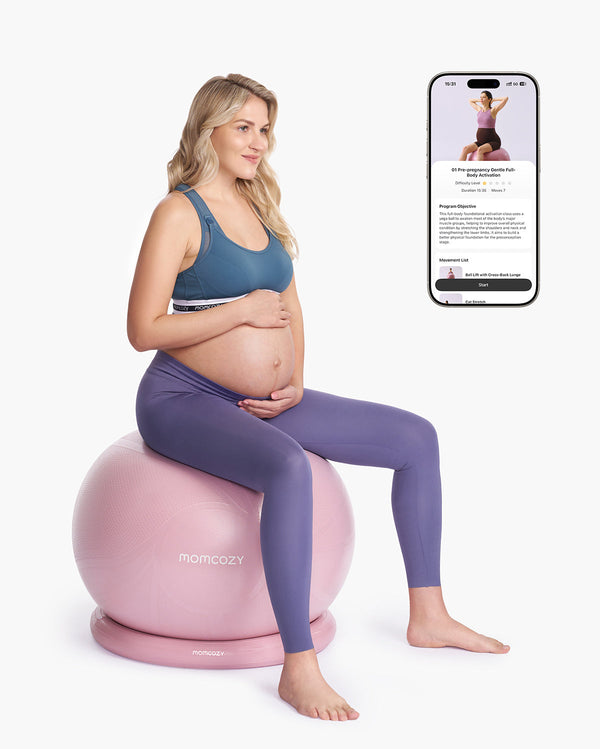
Sitting on a soft, bouncy sphere might feel like a fun break, but it is a powerful way to prepare for your baby. As your due-date approaches, you likely want to know: does a birthing ball induce labor? While it is not a medical tool, the way it aligns your pelvis can make a massive difference. These simple movements help your body stay strong and ready for the big day ahead.
What Is a Birthing Ball?
A birthing ball is a heavy-duty, inflatable sphere made from anti-burst PVC. It is much larger and sturdier than a standard gym ball to safely support a pregnant person's weight. These tools allow for "active sitting," which means your core and pelvic muscles stay engaged even while you rest. Unlike a standard chair, the yielding surface of the ball allows your pelvis to stay mobile and open.
What Are the Benefits of Using a Birthing Ball?
Integrating a maternity ball into your routine offers various physical advantages that make the late stages of pregnancy more manageable.
-
Pressure Relief: It reduces strain on your pelvic floor and tailbone compared to hard chairs.
-
Fetal Positioning: Upright and forward-leaning postures help the baby move into an anterior position (facing your back).
-
Core Strength: Maintaining balance gently engages deep abdominal muscles crucial for labor support.
-
Increased Circulation: Gentle movement keeps blood flowing, helping to reduce common issues like leg swelling.
-
Pelvic Opening: Rhythmic motions help loosen ligaments around the pelvis, allowing for more "give" during birth.
Can an Exercise Ball Help Induce Labor?
Preparing your body for the physical demands of delivery involves creating the right environment for your baby to move down. Many midwives suggest focusing on pelvic mobility and relaxation to help the natural process along. Using a high-quality tool like the Momcozy BirthEase Maternity Exercise Ball Set provides the necessary stability for these movements.
Anti-Burst Design
Stability Base Included
Guided Training Program
Wsparcie pleców
Komfort
Skuteczność
This beginner-friendly set is more than a fitness tool—it's a phase-specific, guided journey from preconception through labor preparation and postpartum recovery. While the ball itself does not start contractions through medical means, it utilizes gravity to help the baby’s head drop lower into the pelvic cavity. This downward pressure on the cervix is a natural stimulus for the body. Once the baby’s head is firmly engaged, the pressure can trigger the release of oxytocin, the hormone responsible for starting contractions. Furthermore, moving on a soft surface allows the pelvic floor muscles to relax and open, potentially shortening the early stages of labor.
Best Exercise Ball Movements to Induce Labor
Specific Ball Yoga practice can help safely open the hips, gently mobilize the pelvis, and strengthen the glutes and legs. These movements help create optimal space for your baby to descend, while also building the strength and endurance your body needs for labor and birth. The following exercises are selected from expert-led Momcozy maternity courses to provide the best results.
1. Seated-on-Ball Bouncing (after full term)
Once you reach full-term, vertical bouncing is a classic labor-prep move. Sit upright on the ball with your feet flat and wide. This rhythmic movement helps with pelvic floor tension release and uses gravity to help the baby’s head engage with the cervix.
2. Pelvic Tilt
Sit tall on the ball and gently tuck your tailbone under, then arch your back slightly. This rocking motion moves the pelvis forward and backward, helping to improve pelvic mobility and release. This movement encourages the baby to settle deeper into the pelvic ring.
![]()
![]()
3. Side-to-Side Pelvic Tilts
While seated, shift your weight from your left sit-bone to your right sit-bone. This movement helps widen the mid-pelvis and releases tension in the hip adductors. Maintaining this side-to-side mobility is vital for improving pelvic mobility and release before delivery.
![]()
![]()
4. Supine Windshield Wiper
Lie on your back with your calves resting on the ball. Gently let your legs fall from side to side in a slow, controlled motion. This promotes deep pelvic floor stretching and relaxation, creating a clear path for the baby to move down when the time comes.
![]()
![]()
When Should You Start Using a Birthing Ball?
Starting early is the best way to get your body accustomed to the ball. Many women find that using it during the second trimester helps prevent common issues like SI joint pain or lower-back aches. By the time you reach the third trimester, the ball should be a regular part of your evening routine, perhaps as a replacement for your sofa while you relax.
As you enter the final weeks, you can increase the frequency of active movements like bouncing and tilts. This gradual approach ensures your pelvic ligaments are supple and your muscles are strong enough to support your labor. It also allows you to become confident in your balance before your belly reaches its maximum size.
Is It Safe to Use an Exercise Ball to Induce Labor?
Yes, it is considered safe for the majority of healthy pregnancies. Because the movements are low-impact and non-invasive, they do not pose the same risks as medical induction methods. Using a maternity ball allows you to work with your body's natural rhythm rather than forcing a medical change. Always consult your doctor if you have a high-risk pregnancy.
Pregnancy Ball Safety Tips
Prioritizing safety ensures that you get all the benefits of the ball without any risk of falls or injury.
-
Use a Non-Slip Surface: Always place your ball on a yoga mat or a carpeted floor.
-
Keep Feet Wide: Maintain a wide, stable base with your feet flat on the floor to stay balanced.
-
Inflate Correctly: Ensure the ball is firm enough to support you; your hips should be slightly higher than your knees.
-
Check the Weight Rating: Use a ball specifically designed for pregnancy to handle the extra load. The Momcozy ball is made from premium, eco-friendly, BPA-free PVC with anti-burst technology and supports up to 330 lb.
-
Have a Spotter: If you feel unsteady, have a partner stay nearby or use sturdy furniture for balance.
-
Expert Guidance: Through the Momcozy App, access expert-led, phase-specific video courses for prenatal comfort and labor readiness.
Prepare for a Smoother Birth Today
Integrating a maternity ball into your routine supports fetal positioning, strengthens your core, and relieves late-pregnancy pressure. These gentle movements help your body align for the most efficient birth process possible. By using the Momcozy BirthEase Maternity Exercise Ball Set, you gain access to expert-led workouts and personalized plans to move safely and confidently. Start your guided labor preparation today to experience a more comfortable and empowered delivery.
FAQs
Q1. How Does A Birthing Ball Induce Labor Naturally?
A maternity ball does not trigger labor like a drug, but it uses gravity to help the baby's head engage with the cervix. This engagement stimulates the natural release of oxytocin, which can lead to contractions in a body that is already ready for birth. It also helps relax the pelvic muscles to make the descent easier.
Q2. How Many Minutes A Day Should I Use The Ball?
For active labor preparation, most experts recommend sessions of 15 to 30 minutes, two or three times a day. You can sit on the ball for longer periods as a desk chair, but specific movements like bouncing or figure-8 sways are most effective when done in shorter, focused intervals.
Q3. Can Using A Birthing Ball Cause The Baby To Flip?
Actually, the forward-leaning positions encouraged by the ball are designed to prevent the baby from being in a posterior (back-to-back) position. It helps the baby rotate into the "head-down, facing-back" position, which is the most favorable for a smooth and efficient delivery.
Q4. How To Sleep With SI Joint Pain During Pregnancy?
While the ball is for daytime movement, nighttime comfort is also crucial for labor prep. Sleep on your side with a firm pillow between your knees and ankles to keep your hips parallel. This prevents the top leg from pulling the pelvis out of alignment, which can aggravate SI joint issues and make daytime exercises painful.
Full Body Support
Effective Pain Relief
Soft and Comfortable
Multi-Purpose Use