


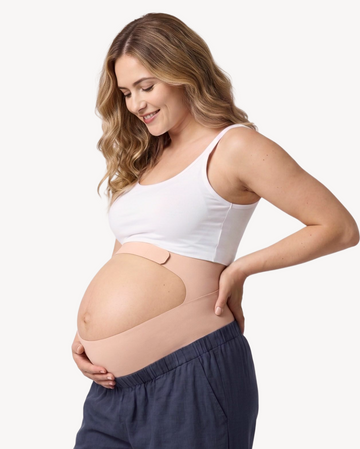
Pelvic pain during pregnancy can make everyday activities like walking, sleeping, and getting out of bed uncomfortable. Pubic symphysis dysfunction is one possible cause, but proper assessment can help you understand your symptoms and find ways to manage the pain.
What Is Symphysis Pubis Dysfunction?
The symphysis pubis joint is located at the front of your pelvis, just above your vulva, where the left and right pubic bones meet. The pain in this area can be caused by changes in your body during movement or changes to the structure of tissues around this area caused due to pregnancy.
Pregnancy-related pelvic girdle pain (PGP) is the broader term now used to describe pelvic pain during pregnancy. It was previously often called symphysis pubis dysfunction (SPD), but PGP can affect the front or back of the pelvis, not just the pubic joint.
PGP is a common condition, with approximately 1 in 5 pregnant women facing it. It may be mild and occasional or severe enough to affect normal activities. But, having PGP does not mean your pelvis is being damaged or that your baby is in danger.
Symptoms of PGP
Symphysis pubis dysfunction symptoms can look different from one person to another. You may notice:
- Pain over the pubic bone
- Pain in one or both sides of the pelvis
- Groin or inner-thigh pain
- Hip or buttock pain
- Lower-back pain
- Pain that travels toward the thighs
- Clicking or grinding around the pelvis
- Pain when walking
- Trouble climbing stairs
- Pain when turning over in bed
- Discomfort when getting into or out of a car
- Pain when standing on one leg
- Difficulty moving your legs apart
Discuss these symptoms with your healthcare provider if you experience them. Pelvic pain can have different causes, so it is important not to assume that every type of pregnancy-related pain is caused by SPD.

What Causes Symphysis Pubis Dysfunction?
Pubic symphysis dysfunction does not have one single cause. It can develop as your body adapts to pregnancy. As your uterus and baby grow, your weight distribution changes, your posture and walking pattern may shift, and the muscles and joints around your pelvis have to manage different demands.
Changes in Weight and Pressure on the Pelvis
As your baby grows, your body carries more weight, and the demands on your pelvis change. This may affect how pressure is distributed through the pelvic joints when you walk, climb stairs, or change positions. These changes can contribute to discomfort, but they do not cause pelvic pain in every pregnancy.
Changes in Movement and Muscle Function
Your posture and movement patterns may change as your pregnancy progresses. Everyday activities such as walking, standing on one leg, getting out of bed, or moving your legs apart can trigger or worsen pelvic pain. However, pain during these movements does not necessarily mean that your joints are damaged or moving abnormally.
Previous Back or Pelvic Pain
A history of lower-back pain or pelvic girdle pain is associated with a higher risk of developing PGP during pregnancy. If you have experienced these problems before, tell your healthcare provider so they can consider your history when assessing your symptoms.
Previous Back or Pelvic Injury
Past injuries or conditions affecting your back or pelvis may also increase the risk of PGP. However, having a previous injury does not mean you will necessarily develop pelvic pain during pregnancy.
How Is Symphysis Pubis Dysfunction Diagnosed?
SPD cannot be confirmed by simple home test.
You have to inform your midwife, doctor or any other pregnancy care provider about the symptoms you are experiencing as the first step. You might then get referred to a physiotherapist who deals in pregnancy-related pelvic pain.
During the assessment, the physiotherapist will ask where you feel pain, when it occurs, and how it affects your daily activities. They may check your posture, back and hip movements, and how you move during simple tasks. They may also use gentle physical tests to identify which areas trigger your pain and help rule out other possible causes.
PGP does not always cause pain directly over the pubic bone. You may feel pain at the front of your pelvis, but it can also affect your groin, hips, buttocks, thighs, or lower back. The pain may get worse when walking, climbing stairs, turning over in bed, or moving your legs apart. These symptoms can occur because PGP affects different joints around the pelvic girdle, not just the symphysis pubis joint.
Treatments for PGP
The best SPD treatment in pregnancy depends on your symptoms and how much they affect your daily life.
Physiotherapy
Your physiotherapist who is trained in pregnancy can show you how to shift your body to reduce pressure on the pelvis. Your treatment may also include exercises to strengthen your abdominal, pelvic floor, hip, and back muscles. A physiotherapist can recommend suitable exercises based on your symptoms and comfort level.
Other interventions may be considered by a qualified healthcare professional, such as manual therapy, hydrotherapy and acupuncture.
Support belts
A pelvic support belt for SPD wraps around the pelvis, usually below the baby bump, and applies gentle, even pressure to the pelvic area. This may help the muscles and joints work together more effectively when you move, improve how forces pass through the pelvis, and reduce discomfort during activities such as walking or climbing stairs. The belt should feel supportive rather than tight or restrictive. A physiotherapist can help you choose the right type and fit, as a belt may not relieve pain for everyone.
Momcozy's BellyEmbrace Maternity Belly Band is another option to consider for gentle belly and lower-back support during pregnancy. It features a molded design for targeted support, soft fabric for comfort, and a breathable lining to help keep you comfortable during daily activities. Its slim, seamless design also makes it easy to wear under clothing. However, it should not replace an assessment or physiotherapy plan if you have significant pelvic pain. You can also check Momcozy's belly band collection when looking for pregnancy support options.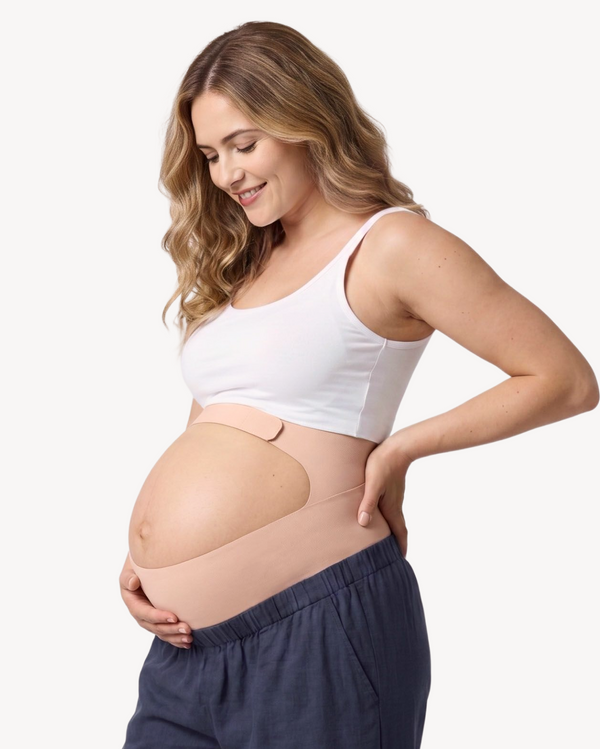
Take Medicine
Your healthcare provider can advise you about pain relief that is appropriate during pregnancy. Only take what they prescribed. Do not start or change medicines on your own.
Changing the way you move
Small changes to your daily movements may help reduce pelvic pain. Take shorter, even steps and turn your whole body instead of twisting suddenly through your pelvis. When getting out of bed, roll onto your side with your knees close together, then use your arms to push yourself up. Move slowly and avoid positions that increase your pain.
A pelvic support belt may also help during activities that trigger symptoms, such as walking or standing. It should feel supportive, not tight or restrictive. Stop using it if it causes more pain, numbness, pressure, or discomfort, and ask your healthcare provider or physiotherapist whether a different fit or type of belt may be more suitable.
Try to:
- Stay in your comfort zone
- Avoid getting static for a period of time: do not keep in the same posture for many hours and take frequent breaks.
- Sit down when getting dressed.
- When entering and exiting the vehicle, keep your knees together.
- Sleep with a pillow under your knees,
- Avoid carrying heavy bags.
- Do not stand on one leg if you can avoid it.
- Do not make repeated stair trips up and down.
- Avoid twisting while lifting.
- Wear supportive, comfortable shoes.
Using a Momcozy Pregnancy Ball to Support Comfortable Movement
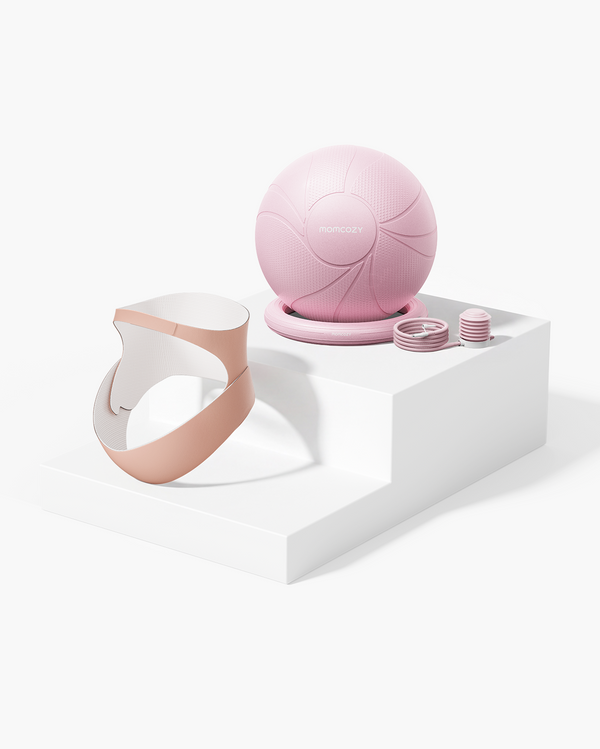
If supported movement and sitting during pregnancy intrigues you, the Momcozy BirthEase Pregnancy Ball Set - Birthing Ball is another tool for gentle movement. Select positions that are comfortable and if any activity worsens your pelvic pain, cease the activity.
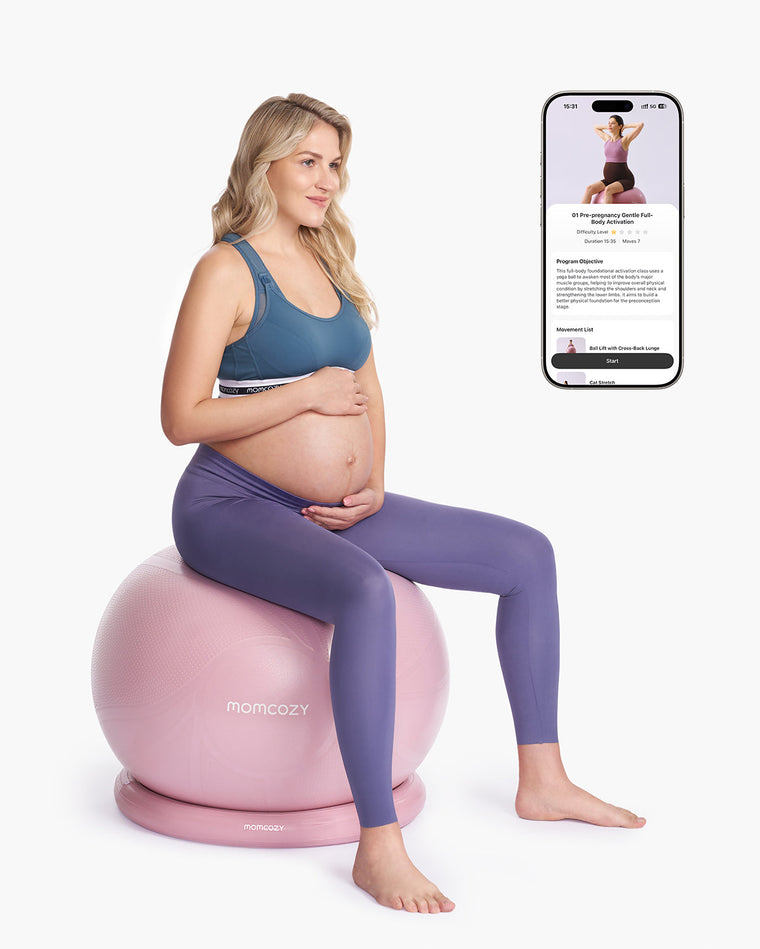
If exercise is really hard, ask your doctor about physiotherapy, mobility aids or other support.
FAQs
What is a red flag for pelvic pain?
Severe or worsening pelvic pain, fainting or dizziness, heavy vaginal bleeding, difficulty breathing, fever, unusual vaginal discharge, or problems urinating or passing stool need prompt medical assessment. Pregnancy-related pelvic pain should not automatically be assumed to be SPD.
How long does symphysis pubis dysfunction last?
Around 1 in 10 women may continue to have pain after delivery and may need further treatment. Most women improve after delivery, but some experience pain for months or longer and may need further treatment. This is because the strain on the pelvis usually decreases after pregnancy, but the muscles and joints may take time to recover. If your pain does not improve after birth or affects your daily activities, speak with your healthcare provider.
Where to massage for SPD?
Gentle massage may help tight or sore muscles around the hips, buttocks, and lower back. Avoid deep pressure directly over a painful pubic joint. A pregnancy-trained physiotherapist can show you which areas are appropriate.
Does SPD make labour easier?
No. SPD does not make labour easier. However, most women with PGP can have a vaginal birth. Tell your birth team about your pelvic pain so they can help you choose comfortable positions and support your legs during labour.
When does SPD pain start?
PGP can begin at different points in pregnancy. It is more common later in pregnancy.
Can SPD get worse with age?
No, age itself is not considered the main cause of PGP. Previous pelvic or back problems, previous PGP, joint hypermobility, and pregnancy-related physical changes can matter more.
Can barely walk due to pelvic pain during pregnancy?
If pelvic pain is making it hard to walk, contact your midwife or doctor. Severe pain and limited mobility deserve assessment and may require specialist physiotherapy or additional pain relief.
Can SPD return in a future pregnancy?
Yes. Having PGP before makes it more likely to happen again. Getting treatment early in a future pregnancy may help control symptoms.
If you have experienced PGP before, mention it early in your next pregnancy. You can ask your healthcare provider about ways to protect your comfort as your pregnancy progresses.
Do I need to tell my midwife or GP about SPD pain?
Yes, especially if the pain is affecting your normal routine. You do not have to wait until you can barely walk before asking for help.
Early support can also prevent you from changing the way you move so much that other parts of your body become sore. Your healthcare provider can help decide whether your symptoms fit PGP or whether another cause needs to be checked.
Conclusion
Pubic symphysis dysfunction pregnancy symptoms can be painful, but they can often be managed with the right support and treatment. If you develop pelvic pain during pregnancy, talk with your healthcare provider rather than assuming it is simply part of pregnancy. An assessment can help confirm whether your symptoms are related to PGP and whether another cause needs to be considered.
For confirmed PGP, physiotherapy, activity changes, appropriate pain relief, and support options such as a pelvic support belt for SPD may help you stay more comfortable. Momcozy's belly band collection and BellyEmbrace Maternity Belly Band can also be considered as part of your pregnancy comfort routine, while the BirthEase Maternity Ball Set may support comfortable movement. The key is choosing options that feel supportive without increasing your pain.








