


Breastfeeding is a special but sometimes tough experience for new moms. The right support from partners, family, and friends can make a huge difference. This guide shows how you can help, whether it's cheering her on, doing household chores, or just being there when she needs a break. It also includes tips on how to support both breastfeeding and formula feeding, and how important it is for moms to take care of themselves too. With a little help, moms can feel more confident and less stressed as they navigate their breastfeeding journey.
Bringing home a new baby is a big change. Everyone is learning. Breastfeeding is a journey that has ups and downs. Breastfeeding support from loved ones is the most important thing.
What Are the Needs of a Breastfeeding Mother?
Breastfeeding can be a truly special journey, but it also comes with its own set of physical and emotional demands.
Physical Needs
Nursing mothers need about 250 to 500 extra calories daily and increased water intake to maintain milk production. Sleep, unfortunately, often takes a hit. Between frequent feedings, it's tough to get consistent rest. And let's not forget the physical discomforts: sore nipples, engorged breasts, and the repetitive positions can lead to aches and pains in the neck, shoulders, and back.
On top of all that, moms are also recovering from childbirth. Whether it was a vaginal delivery or a C-section, the body needs time to heal while simultaneously providing for the baby's nutritional needs. This means more rest, comfortable spaces to nurse, and often, a helping hand with everyday tasks.
Emotional Needs
It's common for new moms to feel a lot of pressure, even when breastfeeding is going smoothly, because they're their baby's main food source. This can bring on feelings of anxiety. Plus, hormonal shifts can really impact mood and energy, so a little extra patience and understanding from loved ones goes a long way.
Breastfeeding can also feel pretty isolating. Those long feeding sessions, especially in the middle of the night, can make a mom feel cut off. Maintaining social connections and companionship is really important as her daily routine drastically changes.
Then there's the need for confidence. When facing hurdles like latch issues or concerns about milk supply, a mother needs reassurance and support, not judgment, to build that essential self-assurance.
Finally, it's crucial to respect a mother's choices regarding feeding schedules, locations, and methods. Giving her that sense of control during what can be an unpredictable time is incredibly empowering.
Benefits of Breastfeeding

People talk a lot about the benefits of breastfeeding. It is helpful to know why it is so good for both the baby and the mom. When the whole family understands the value, it is easier to work together.
For the Baby:
- Perfect Nutrition: Breast milk is nature's custom food. It has the perfect, unique mix of fat, sugar, protein, and water for a human baby.
- Liquid Gold: The thick, yellow first milk is called colostrum. It is very rich in nutrients and full of antibodies to protect your newborn.
- Strong Immunity: Milk from a mom shares her antibodies with her baby. These antibodies protect the baby from many illnesses.
- Fewer Sicknesses: Breastfed babies have a lower risk of ear infections, stomach flu, diarrhea, and respiratory infections like pneumonia.
- Long-Term Protection: The benefits last a lifetime. Breastfeeding is linked to a lower risk of asthma, obesity, Type 1 diabetes, and Sudden Infant Death Syndrome (SIDS).
- Easy to Digest: Breast milk is much easier for a baby's immature tummy to digest than formula.
For the Mom:
- Faster Recovery: Breastfeeding releases hormones that help a mom's uterus return to its pre-pregnancy size more quickly. It can also reduce postpartum bleeding.
- Burns Calories: Your body uses extra calories to produce milk. It may help you lose the weight gained during pregnancy.
- Long-Term Health: It lowers a mom's lifetime risk of serious diseases. These include type 2 diabetes, high blood pressure, breast cancer, and ovarian cancer.
- A Special Bond: The skin-to-skin contact and quiet time create a powerful, calming emotional bond between mom and baby.
- Convenience and Cost: Breast milk is free, always safe, and always at the right temperature. There are no bottles to prepare or warm up at 3 a.m..
A Partner's Role in Breastfeeding
Partners, you are the most important person on the breastfeeding support team. Your help can change the entire breastfeeding experience. A mom who feels supported by her partner is more likely to feel confident and breastfeed for longer.
Your main job is to be her number one fan. Offer encouragement all the time, especially when she is tired, in pain, or frustrated. Breastfeeding is a learned skill for both mom and baby. Tell her you are proud of her for the hard work she is doing. Learn the breastfeeding basics with her before the baby arrives. You can attend a class together or read a book. When you both know the facts, it is easier to work as a team.
You are also her protector. Defend her choices. Some friends or family members may have opinions about feeding that are not helpful or may hurt her feelings. Your job is to field those comments so she does not have to. You are the gatekeeper for stress. You can also help her talk to hospital staff about her feeding plan and goals. Your voice and support are her best defense against challenges.

How to support a breastfeeding wife at home
You are the other adult in the house. Encouragement matters. So does the sink. A mom who feels backed is more likely to keep going, but “breast is best” as a slogan is pressure. Say you see the work. Learn the basics with her before the due date if you still can. After that, defend the plan when someone else has opinions.
Do this during a feed. Then keep doing it.
- Ask what she needs before she latches. Water. Phone. Pillow. Remote. She cannot get up once the baby is on.
- Learn early hunger signs: rooting, hands to mouth, lip smacking. Crying is late. Don’t hand her a tired baby and call it a feed.
- Stay if she wants company. Leave if she wants quiet. Ask. Don’t vanish into another room by default.
- Own everything after the feed: burp, diaper, settle. The milk is not the whole night.
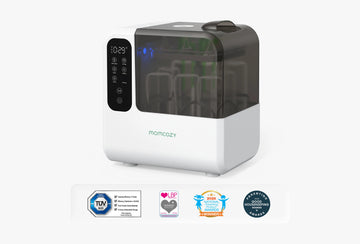
- Wash pump parts and bottles. Make it your chore, not a favor. If the sink is the fight, a DeepClean bottle washer ($359.99) is a bottle washer for pump parts. She still loads it. Start with whether a washer is worth it if the counter is already full.
- Give a real break. Take the baby. Don’t text her from the next room unless something is actually wrong.
- Praise effort, not ounces. Skip “just keep trying.”
- No comments on her body. No comparisons. No advice she did not ask for.
- Find a lactation consultant or a local group if she wants one. Offer to drive. Let her pick.
- Protect sleep. You cannot donate milk. You can donate a nap.
Mixed feeding or formula is still a feeding plan. If the baby takes a bottle, you can run that shift. Don’t treat formula as a moral event. Family language below.
How to Support Breastfeeding and Formula Feeding for a Partner?
Whether mom is breastfeeding, formula feeding, or pumping, she needs practical help. She is recovering from giving a birth and feeding a baby around the clock. Here are things you can do right now to help.
- Take Over the Household: Run the home so she can focus on the baby. Cook healthy meals, clean the kitchen, run errands, and do the laundry.
- Be the Bottle Expert: If the baby takes a bottle of pumped milk or formula, you can take charge. Wash all the bottles, pump parts, and dishes.
- Be Her Helper: When she is feeding, ask what she needs. Bring her a big glass of water or a healthy snack. Charge her phone.
- Learn Baby's Cues: Learn the baby’s early hunger signs. These include rooting (turning their head), sucking on fists, or smacking lips. Bring the baby to her before the baby starts crying.
- Take the "After-Feed" Shift: After a feed, the baby still needs care. You can burp, change the baby's diaper, and settle the baby back to sleep.
- Protect Her Sleep: A new mom needs rest to recover and produce milk. Let her sleep. Take the baby so she can nap when the baby naps.
- Bond with Your Baby: You can build a strong bond in many ways. Give baths, cuddle skin-to-skin, dress the baby, or read a book.
10 Ways to Support a Breastfeeding Partner at Home
Supporting your breastfeeding partner at home requires both practical assistance and emotional presence. These proven strategies can make a significant difference in her daily experience and overall success.
1. Get Ready Together Before Baby Arrives
Take breastfeeding classes or meet with a lactation consultant together before your baby is born. Both of you should go to learn how feeding works, what problems might come up, and how to handle them. Getting prepared together helps you both feel more confident when breastfeeding starts.
2. Be Her Helper During Feeding Time
Feeding can take 20-45 minutes, and once she gets settled, she can't really move. Before she starts nursing, ask what she needs. Get her a big water bottle, fix her pillows, hand her the remote, or bring her phone. It's like getting ready for a long road trip - grab everything she might want first.
3. Learn When Baby Is Actually Hungry
Don't just hand the baby to mom every time they cry saying "they must be hungry." Babies cry for lots of reasons - they might be tired, need a diaper change, or just want comfort. Real hunger signs are when baby turns their head looking for food, sucks on their hands, or makes lip-smacking sounds. When they're not really hungry, you can help by rocking, singing, or changing their diaper.
4. Stay With Her During Feeding
Don't leave the room when it's time to nurse. Ask if she wants you to stay instead of assuming she wants to be alone. Sit with her, gently touch the baby's head, chat about your day, or take cute photos if she's okay with it. Being there makes feeding time feel less lonely and more like something you're doing together.
5. Handle Night Duties Besides Feeding
Nighttime is about more than just nursing. You can change diapers, burp the baby, rock them back to sleep, and calm them when they're fussy. Just because she has to feed the baby doesn't mean she has to do everything else too. Share the nighttime work so she can get more sleep.
6. Take Care of Pump Cleaning
When she's done pumping, you handle the washing. This simple teamwork prevents dirty pump parts from piling up and makes sure everything's clean for next time. Look up the proper way to clean pump parts and make it your regular job.
7. Give Her Real Breaks
Take the baby for walks, playtime, or just spend time together so she can shower, nap, or relax. Once you take over, don't bother her with questions unless it's really important. She needs to know you've got things handled so she can truly rest.
8. Encourage Her the Right Way
Don't say things like "breast is best" or "just keep trying" - these add pressure instead of helping. Instead, tell her "You're doing great" or "I'm proud of how hard you're working." Focus on praising her effort, not whether everything goes perfectly.
9. Respect Her Privacy and Feelings
Never make comments about how her body looks, even as a joke. Don't compare her to other moms or give advice she didn't ask for. Make sure she feels comfortable and supported without any judgment about how she chooses to breastfeed.
10. Help Her Find Support
Look up local mom groups, suggest helpful apps for finding places to nurse when you're out, or introduce her to other breastfeeding friends. Offer to go with her to support groups if she feels nervous about going alone. Share helpful resources but let her decide what she wants to try.
How Can Family Support Parents Struggling to Meet Formula Feeding or Breastfeeding Goals?
Grandparents, aunts, uncles, and other family: your breastfeeding support is so valuable. But it is important to know what kind of help is really helpful, especially when parents are struggling.
- Listen More Than You Talk: Parents who are having a hard time need a safe space to share their frustrations, sadness, or anger.
- Do Not Try to "Fix" It: Resist the urge to jump in with solutions or stories about what worked for you. Unless you are asked for advice, just listen and validate their feelings. Say, "That sounds so hard. You are doing a great job."
- Be Careful with Your Words: Language matters. Avoid phrases like "giving up" or "quitting" if they need to switch to formula. Do not ask, "Is the baby getting enough?" These questions can create self-doubt.
- Offer Practical, Silent Help: The best support is often non-verbal. Show up and do a load of laundry. Bring a hot meal or a bag of groceries. Wash the dishes. Hold the baby so the parents can shower or sleep.
- Be a Researcher: If they are looking for help, offer to find it. You can look up the phone number for a local lactation consultant or find a nearby support group.
Tips for Self-Care While Breastfeeding or Formula Feeding

Moms, you are giving so much to your new baby. You also need to take care of yourself. You cannot pour from an empty cup. Self-care is not a luxury; it is a necessity.
- Sleep When the Baby Sleeps: This is the number one rule. The laundry can wait. Your rest is more important than a clean house.
- Eat and Eat Some More: Your body needs extra fuel. Breastfeeding moms need about 300 to 500 extra calories a day. Keep healthy, one-handed snacks near your feeding spot. Good choices are nuts, fruit, cheese sticks, or yogurt.
- Stay Hydrated: You will feel much thirstier. Keep a large, reusable water bottle where you feed the baby. Try to drink a glass of water every time you nurse or pump.
- Move Your Body Gently: You do not need an intense workout. A slow walk around the block can boost your mood, give you energy, and relieve stress.
- Take "Me Time": Even five or ten minutes of deep breathing can help you feel refreshed. Take a hot shower. Journal. Listen to music.
- Ask for Mental Health Support: "Baby blues" are common, but if you feel very sad, anxious, or overwhelmed for more than two weeks, talk to your doctor. It is okay to need support for your mental health.
How to Support a Breastfeeding Mom When You're Out and About
Supporting breastfeeding mothers goes far beyond the comfort of home. When moms are out in public, they often face unique challenges: finding suitable nursing spots, dealing with potential judgment, and managing practical needs away from their familiar surroundings.
Be Her Advocate When Others Judge
If you ever witness someone shaming or making uncomfortable comments to a breastfeeding mother in public, speak up right away. Even a simple, "She has every right to feed her baby here," can help de-escalate the situation and show your solidarity. Your voice as a supporter carries weight and helps make public breastfeeding more normal.
Help Scout Comfortable Nursing Spots
Before heading out, a little planning can make a big difference. If you're going to the mall, check their website for family restrooms or nursing pods—many department stores now have dedicated nursing suites, often near the baby section. At airports, look up lactation rooms on their maps; most major airports offer quiet, private spaces with comfy chairs and electrical outlets. When visiting restaurants, call ahead to ask about booth seating or quieter corners where she can nurse comfortably. You can even download nursing location apps that pinpoint thousands of nursing spaces nationwide, from retail stores to baseball stadiums. If specific facilities aren't available, help her find alternative spots like library reading areas, hotel lobbies with cozy seating, or quiet corners in bookstores.
Create a Portable Support Kit
Putting together a "nursing section" in the diaper bag can be a lifesaver. Include a lightweight muslin nursing cover that folds up small, three extra burp cloths for longer outings, a 32-ounce insulated water bottle to keep her hydrated, and protein-rich snacks like nuts or granola bars for energy. Add a small pillow or a rolled-up sweatshirt for positioning support, wet wipes for quick cleanups, and a plastic bag for used items. Having these essentials on hand prevents the stress of needing to nurse in a crowded food court without supplies or realizing she's parched during a 45-minute feeding session at the zoo.

Plan Outings Around Her Needs
When making plans, try to factor in her and the baby's schedule. For example, schedule lunch dates for 11:30 AM instead of noon if you know the baby typically feeds at 12:00 PM. Choose movie theaters with reclining seats and aisle access rather than cramped seating. If you're heading to the beach, pick spots near restroom facilities and bring a beach umbrella for shade during feeding times. At an amusement park, research their baby care centers and plan breaks around feeding schedules instead of rushing from ride to ride. And if plans shift and the baby needs to eat during a shopping trip, suggest sitting in the department store's furniture section rather than insisting you "quickly finish" first.
What Friends Can Do to Support a Breastfeeding Mom?
Friends often want to help but do not know how. They may not want to intrude. Here are some simple ideas that go a long way.
- Be Specific with Your Offer: Do not say, "Let me know what you need." A tired new mom will never call. Instead, be specific and active. Say, "I am dropping off a lasagna on Tuesday at 6," or "I am coming over Saturday at 2 to hold the baby so you can nap."
- Start a Meal Train: Organize a meal train for the first week or two. Not having to think about dinner is one of the greatest gifts for new parents.
- Care for Older Kids: If the family has older children, offer to take them. Taking a toddler to the park for an hour is a huge help.
- Run an Errand: Send a text that says, "I'm at the grocery store. Send me your list," or "I'm near your house, can I pick up your laundry?".
- Send Encouragement: Send a text that says, "You are doing an amazing job," or "I am thinking of you." Acknowledge her hard work and celebrate the small victories with her.
What the Community Can Do to Support Breastfeeding Moms?
Support for new moms also comes from the wider community. Workplaces, public spaces, and health programs all play a role in success.
- Support in the Workplace: Returning to work can be a big hurdle. The Fair Labor Standards Act (FLSA) gives most employees the right to reasonable break time to pump milk for their baby.
- A Private Space to Pump: The FLSA also requires employers to provide a private, functional space for pumping. This space cannot be a bathroom. Partners can help moms learn their rights before they return to work.
- Community Health Programs: These are vital. Programs like WIC (Special Supplemental Nutrition Program for Women, Infants, and Children) are a key resource. They offer peer counselors, lactation support, and breastfeeding education.
- Local Support: Community-based programs like Healthy Start can provide doulas and lactation education.
- Public Accommodations: Child care centers and public places can help. They can offer a comfortable, private chair for moms to nurse or pump when picking up or dropping off their child.
Returning to work while breastfeeding can be a real juggle, and it's a lot easier when moms have solid support from their employers, coworkers, and the wider community. When workplaces offer the right accommodations, moms tend to breastfeed longer and feel a lot less stressed about balancing their jobs with their feeding goals.
Workplace Support
- Proper Pumping Facilities: Moms need clean, private spaces to pump. These rooms should have comfortable chairs, electrical outlets, small tables, and doors that lock. It's crucial that these spots are well-lit, consistently available, and never in a bathroom. Good pumping facilities not only meet legal requirements but also show genuine respect for nursing employees.
- Scheduled Pumping Time: Most moms need to pump about 2-3 times a day, for 15-30 minutes each session. Supervisors and colleagues can make a big difference by respecting these times, avoiding scheduling meetings during pumping breaks, and offering flexible lunch schedules. Understanding that these breaks are necessary helps moms maintain their milk supply without added workplace stress.
- Secure Milk Storage: Workplaces should provide dedicated refrigerator space for pumped milk, with clear areas for labeling. Some offices even offer personal mini-fridges or designate specific shelves in shared refrigerators. Clean, secure storage prevents milk from spoiling and reduces any anxiety about its safety.
- Team Coverage During Breaks: Coworkers can be incredibly supportive by covering phones, handling urgent matters when a mom is pumping, and scheduling meetings around these breaks. This kind of practical help reduces any guilt about taking necessary breaks while ensuring productivity stays high.
Essential Momcozy Products for Comfort and Convenience
Supportive Nursing Bras - All-Day Comfort
The foundation of comfortable breastfeeding starts with proper breast support. Momcozy's Jelly Strip Seamless Nursing Bra (YN46) features innovative "Jelly Strip" technology that provides gentle lift and 360° support without the discomfort of traditional underwire. Made from OEKO-TEX certified fabric with 53% Nylon and 47% Spandex, this wireless design adapts to changing breast sizes throughout pregnancy and nursing. The one-handed hook-and-eye clasp makes feeding sessions effortless, while the breathable design with hollowed-out strips prevents overheating during long nursing periods. Specifically designed for compatibility with wearable pumps like the M9, this bra transitions seamlessly from nursing to pumping without requiring wardrobe changes.
Ergonomic Nursing Pillows - Proper Positioning
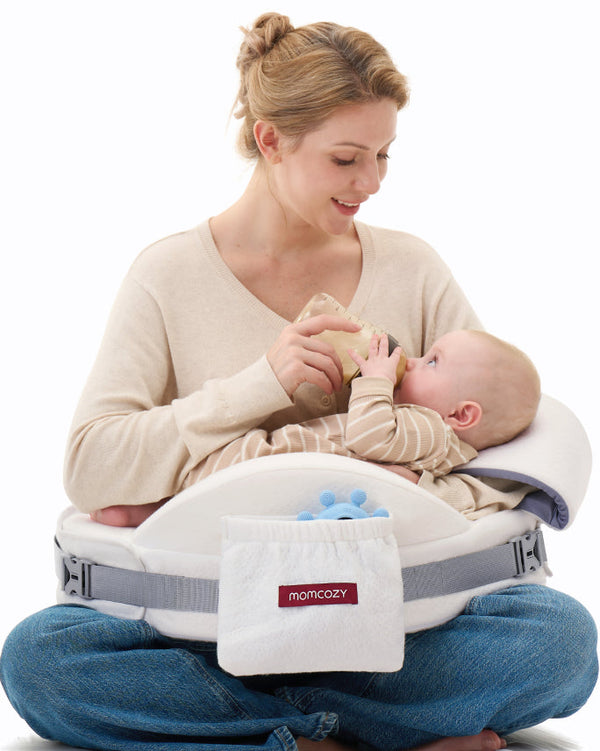
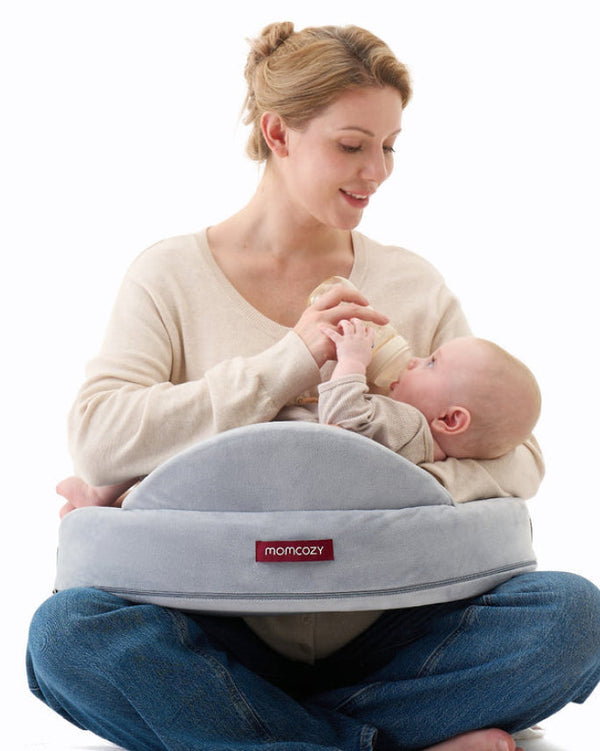
Proper positioning during feeding sessions protects mothers from developing neck, shoulder, and back pain. The Momcozy MaxSupport Nursing Pillow's plus-size design (23.6"L x 28"W x 5.5"H) provides comprehensive arm support and maintains ideal baby positioning for comfortable latching. Made from 100% cotton, its adjustable waist strap ensures the pillow stays securely in place on various body types, while the built-in safety fence prevents babies from rolling during feeds. This versatile pillow grows with your baby, supporting feeding from 0+ months, propping at 3+ months, tummy time at 6+ months, and sitting at 9+ months, making it a long-term investment in comfort and development.
Hands-Free Breast Pumps - Efficient Expression
For mothers balancing breastfeeding with daily activities, the Momcozy Mobile Flow M9 delivers hospital-grade suction power up to -300mmHg in a quiet, wearable design. Operating at just 42dB, this pump allows discreet pumping during work meetings or daily tasks. The exclusive DoubleFit flange technology increases milk expression efficiency by 28.2% while reducing leakage by 10%, and the smart Momcozy app integration offers personalized pumping modes including Milk Boost for increasing supply and Milk Relief for gentle expression. With a 1800mAh battery providing 150 minutes of usage (4-5 pumping sessions per charge) and direct-to-fridge storage with the 150ml Tritan bowl, this pump simplifies the pumping process for busy mothers.
Nursing Covers - Versatile Privacy Solutions
Public breastfeeding becomes stress-free with the right privacy solution. The Momcozy Nursing Cover Privacy Poncho combines 360° full coverage with breathable, lightweight fabric (54.8% Acrylic, 45.2% Cotton) that prevents overheating. The peekaboo window design allows visual connection with the baby while maintaining complete privacy, and the versatile poncho style functions as a stroller cover, baby blanket, or fashionable scarf when not nursing. Its ultra-portable design folds easily into diaper bags, ensuring mothers always have a comfortable feeding solution wherever they go.

Member price
From$159.99Kodem Zaoszczędź 15%

Handle Stuffy Noses
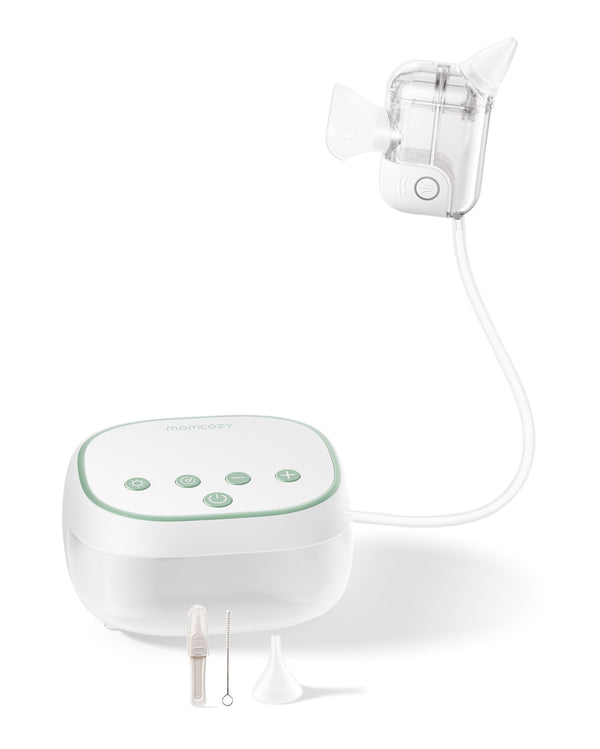
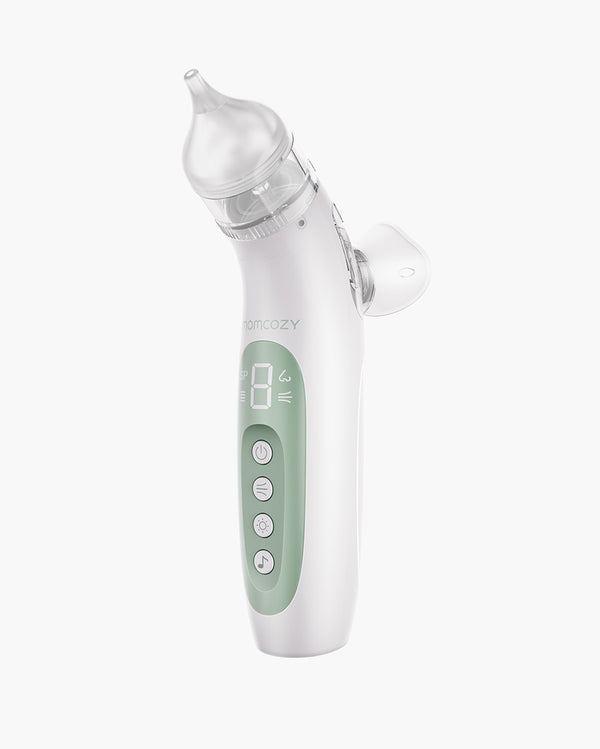
One common issue is a stuffy nose. A baby who cannot breathe well cannot feed well. A partner can help clear the baby’s nose before a feed. The Momcozy BreezyClear™ 2-in-1 Nasal Aspirator is a great tool for this job, using its soft silicone mask to gently loosen mucus and then safely suction it out with hospital-grade power. With adjustable suction levels and quiet operation at just 59 dB, it provides a soothing experience for the baby, ensuring they can breathe easily and feed comfortably.
Member price
$71.99$79.99
Member price
$44.99$49.99
FAQs about supporting a breastfeeding wife
How do I support a breastfeeding wife at home?
Run the house and the after-feed. Water, snacks, pump parts, diapers, a nap she can trust. Stay for the feed if she wants you there. Skip slogans. Do the chore you already know is piling up.
What should a husband do during night feeds?
Whatever is not the latch. Diaper, burp, settle, next-bottle if you use one. She cannot also be the night butler. Split the parts that do not require milk.
How can family help without giving advice?
Food, laundry, silence. Validate. Don’t tell a story about your cousin unless they asked. Don’t quiz ounces at the table.
What if we use formula some of the time?
Then you have a feeding plan, not a failure. Take the bottle shift. Keep the language clean. The baby still needs an adult who is not collapsing.
Can I help with pumping at work?
Yes. Pack the bag the night before. Know the legal floor with her. Read the workday guide together once. You cannot sit in the lactation room. You can make Tuesday less of a scramble.
When should we call a lactation consultant?
Pain that does not ease, a baby who is not feeding well, or supply fear that is running the house. Sooner is cheaper than three weeks of white-knuckle. You can find the number. She chooses the appointment.
Rally the Village for Breastfeeding Support
A new mom needs a village. The breastfeeding support of a partner, family, and friends is the most important part of a healthy feeding journey. Your encouragement, your practical help with chores, and your willingness to protect her rest will allow her to focus on her new baby. You are all a team, and you can do this together.








