


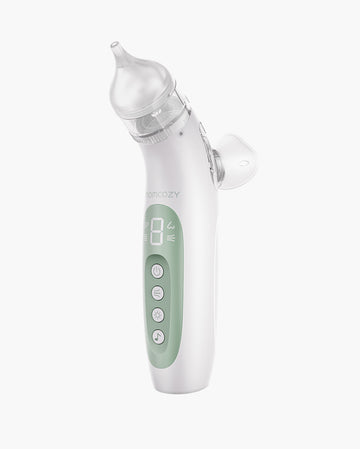
One thing new parents can relate to is a baby that can’t breathe through their stuffy nose. It can be anything from a runny nose to some kind of congestion that just won’t go away. When you see your baby struggling, it’s stressful and defeats the purpose of being able to sleep when the baby sleeps. It’s nice to have Nasal aspirators on hand, but what about safety? What if your baby cries or, worse, blood comes out; how do you know if you’re doing it right? We are here to help parents navigate through this new territory. We will provide you with everything you need to know about safely using nasal aspirators on newborns, how to distinguish normal fussy behaviors from signals of concern, and how to tell when it’s time for you to run to the doctor. Help yourself feel confident in this new parent territory with care.
Key Takeaways:
- As long as you choose an appropriate device and follow the directions, a nasal aspirator is safe to use on your newborn.
- Safety is about gentle technique, shallow tip placement, pressure control, and watching your baby’s response—not about using the strongest suction.
- Bleeding after suction is common, but if your baby begins to bleed more, is having difficulty breathing or is excessively sleeping, call your primary care doctor right away.
- Crying or distress during suctioning is not always an indication of pain. If your baby is resisting suctioning, along with other safety issues, you should stop suctioning.
- Premature babies and babies with complex medical issues may also require special instructions from the physician.
- For more detailed instructions on how to use a nasal aspirator safely, check out our safe daily use of a baby nasal aspirator.

Are Nasal Aspirators Safe for Newborns? The Short Answer
Nasal aspirators designed for newborns shouldn't cause distress or injury to the newborn if used appropriately. When considering the safety of a newborn, this includes avoiding excess discomfort, contamination, and obstructing necessary care. Although it might be safe to assume there is an inherent risk of discomfort caused to a newborn, this is not the goal for using a nasal aspirator. The age of the newborn is not as important a factor as medical conditions and symptoms (if present) alongside the design of the nasal aspirator. Ultimately, you should not assume a product is safe based on the claims alone and should consult a pediatrician and read the instructions.
What 'Safe Use' Means in This Guide
Safe suction? It's actually about being gentle. The end of the aspirator doesn't need to go far, just into the nose a bit. Only apply as much pressure as is necessary, and if your baby needs to take a break, you should too. Don't continue aspirating if you can't see any mucus.
Comfort and positioning are important. Swaddling and holding your baby with their head slightly elevated is a good way to help them calm down until they can lie on their back on their own. Some find it useful to put their baby on their back or hold them on their arm. Sing or talk to your baby softly while doing this, and provide a pacifier before and after suction. It is especially helpful to have someone hold their hands during the first few tries.
After every use, wash every part of the aspirator and make sure it's completely dry before putting it back together. A nasal aspirator is only for your baby's comfort and will only relieve congestion, but it cannot cure an infection. Go to the doctor if suction is not providing relief or if your baby is getting worse.
Why Newborns Need Extra Safety Consideration
Newborn noses are tiny and sensitive. Even a little too much pressure or a tip that’s too large can cause irritation or bleeding. If your baby was born prematurely, has had recent nasal procedures, or has a condition that affects their airway or blood clotting, talk to your pediatrician before using any suction device. Babies can go from stuffy to struggling quickly, so never let at-home suction delay a doctor’s visit if you’re worried about their breathing or feeding. When in doubt, follow the instructions, use the gentlest approach, and reach out for guidance.
Safety Controls by Aspirator Type
There are different levels of safety strategies you can expect from each aspirator design. This is what you need to know:
Bulb Syringe Nasal Aspirators
The bulb syringe is the most basic option. You squeeze the rubber bulb, place the tip in your baby's nostril, then release to create suction. Hospitals often send new parents home with one of these.
Look for an aspirator with a shallow tip, and make sure the bulb is intact. Clean and dry after every use. There is no magic squeeze-release method; check out our full suctioning guide for details.
Manual Suction Nasal Aspirators
These devices use your own mouth to create suction through a tube. A filter prevents mucus from reaching your mouth. They give you better control than bulb syringes because you can adjust the suction strength instantly.
Make sure you assemble the filter or barrier correctly. You should also control the suction gently. Replace the filter and other parts according to the manufacturer's recommendations.
Electric Nasal Aspirators
Electric models run on batteries or plug into the wall. They create consistent suction at the push of a button. Most come with different tip sizes and adjustable power settings.
Only use age-appropriate tips. Set suction to the lowest effective level, and use a nasal aspirator that can be switched off at any time. Confirm all parts are clean and dry. For a full comparison of product types, check out electric versus manual nasal aspirators.
For example, if you want an electric baby nasal aspirator that can both mist saline and then suction it out in one easy flow, the Momcozy BreezyClear Pro™ 2-in-1 Spray & Suction Electric Nasal Aspirator is designed to streamline the whole process for tired parents.
Want to adjust suction levels? See our tips forchoosing nasal aspirator suction levels.
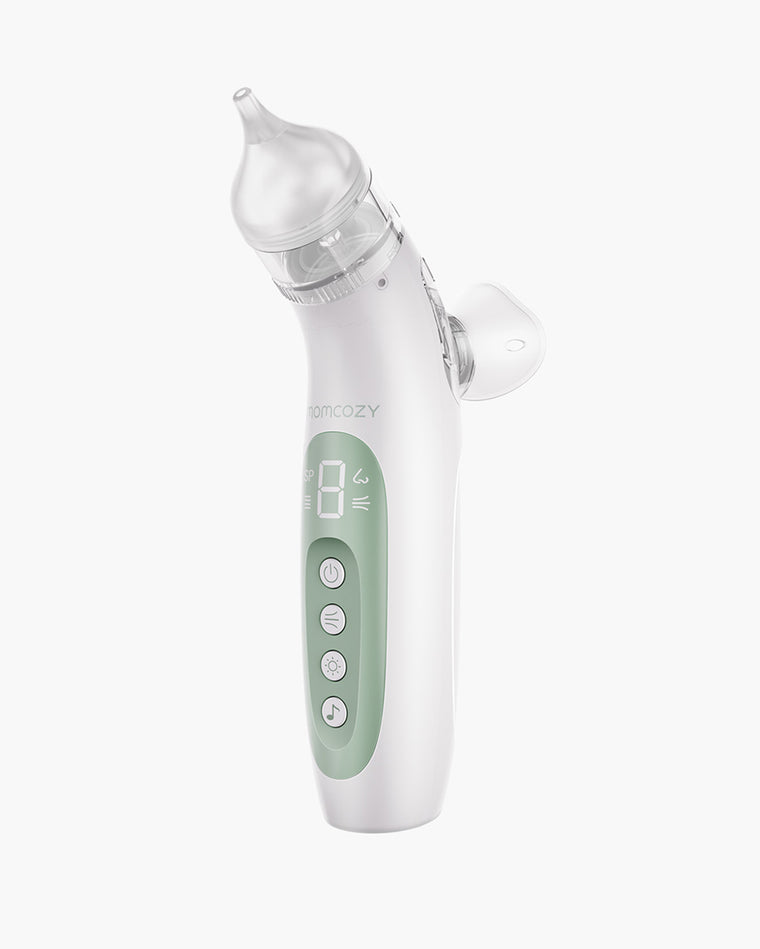
$49.99Kodem Zaoszczędź 10%
Safety Features to Check Before First Use
As you check the safety features on your baby’s nose suction for the first time, watch for the following:
- Double-check that the product shows it is safe for newborns. Use the age range on the packaging.
- Check the soft tip to make sure it can only go so far to avoid deep suction.
- Make certain you can easily control the suction level and release it at any time.
- Check if all parts that get in contact with mucus can be easily removed to clean and dry.
- Use filters and replacement parts that will match your model.
- Avoid marketing claims of “hospital grade” or badges without verifiable, legitimate clinical support.
Can a Nasal Aspirator Hurt a Baby? Risk Mechanisms
Depending on how experienced you are at suctioning congested noses, we have a few things to note before you get started:
- Nasal irritation: Taking the aspirator too far or applying too much pressure too many times can irritate the nasal lining and cause bleeding. If this happens to your baby, stop suctioning and let the baby rest. If you notice bleeding while suctioning, stop and notify your baby’s pediatrician.
- Bleeding: Some babies have delicate tissue and can begin to bleed as a result of the irritation caused by suctioning. Often, a minimal amount of bleeding is not a concern, but if you notice your baby’s bleeding is continuous or heavy, this is a cause for alarm.
- Distress: If you notice your baby is unhappy while you are suctioning, you should stop and reevaluate. It should not take a great deal of effort,t and your baby should not be upset for a prolonged period of time. Do not use manual restraint techniques to suction your baby- that is unsafe.
- Contamination: Dirty or damp aspirators can infect your baby. Follow exact cleaning instructions and replace anything that can’t be thoroughly dried.
- Delayed care: If your baby is congested and you do not see proper results after a prolonged number of suctions, it is time to call your baby’s pediatrician and stop home remedies.

What to Do If Suction Causes a Nosebleed
It's normal to worry, but no need. Tiny streaks of blood after suction are very, very common. The things to watch for are how much blood there is, how long it takes for the bleeding to stop, how the baby is feeling, etc. Never try to “suction out” the blood or clots. If the bleeding is moderate to heavy or persistent, get medical help as soon as you can. If you notice breathing problems and/or blue or pale skin, excessive sleepiness, or trauma, get help right now. For more information on blood and bloody mucus, go to blood in a newborn’s snot.
If Your Baby Cries, Pulls Away, or Fights the Aspirator
Crying doesn’t necessarily mean you’ve hurt your baby. In fact, most congested babies cry while suction is administered. If your baby starts pulling away, fighting the aspirator, or otherwise gets more upset, turn off the aspirator and let them take a break. Never force suction or restrain your baby. Look for other signs of distress, like your baby changing colors, having trouble breathing, or being persistent in their crying. Check out how to suction your baby's stuffy nose for additional comfort tips and positioning
Hygiene Is a Safety Control, Not a Separate Cleaning Tutorial
Keeping your nasal aspirator clean is not only for reducing germs, but also for safe use. Do not skip cleaning your device as per the manufacturer's guidelines. Generic cleaning hacks should be avoided. Bleach or boiling should only be used as a sanitizing measure if the manufacturer gives the go-ahead. Replace any cracked or cloudy aspirator parts or any part that you cannot clean thoroughly. Good hygiene ensures your baby is safer and helps your device function better.
When to Stop Home Suction and Seek Medical Care
The use of an aspirator should stop if signs of ongoing bleeding, distress, suspected injury or if the symptoms get worse during suctioning, as well as if suction stops congestion and a baby is unable to feed. Call your doctor if your child shows rapid, labored breathing with blue or gray skin. Other signs that should immediately be addressed include poor feeding, the baby is excessively sleepy, dehydrated (few wet diapers), feeling hot or feverish, and excessive sleepiness. Do not continue to suction if the baby is not improving; call your pediatrician for the next steps. For information on when to escalate, pediatrician-informed baby congestion relief guide.
FAQ
Can you use a nasal aspirator too much?
This is something that, of course, you can do. You don't want to overdo it because it will definitely irritate your baby's nose. There is no magic number. If you have a routine of sucking out your baby's nose multiple times a day, which results in your baby's nose being red, then you need to cut back. For more information, check out our safe daily use guide.
Can an electric nasal aspirator hurt a newborn?
Any device can injure a baby if you use it incorrectly, so check the label. Make sure it is for newborns, use the lowest setting and stop if you see warning signs. For more information, check our suction level guide.
Does crying mean the aspirator is hurting my baby?
A baby will cry for a variety of reasons. The reason you find your baby crying may be mild annoyance from the aspiration, but if your baby seems to be in real distress or crying continues after aspiration and you see other signs of distress, then you must discontinue aspiration at that time and attend to your baby. See our how-to guide for comfort tips.
Can a nasal aspirator cause a nosebleed?
A nasal aspirator, if used incorrectly, can definitely cause a nose bleed. However, bleeding is almost always just a small streak and is usually not a cause for concern. However, if you notice your baby is bleeding regularly and has significant bleeding, then you should seek medical attention. Read more at blood in a newborn’s snot.
Can suction damage a baby’s brain or ears?
It is completely unfounded to fear suction devices cause brain or ear bleeding. Suction affects only the surface of the nose. If your baby has head trauma that might be causing ear bleeding or other symptoms that you are concerned about, then please call your doctor.
Should I use saline before suctioning a newborn?
Thick mucus can be loosened by the application of saline solution. It is safe to use saline solution if your baby has sticky, thick mucus, as this is commonly the cause of congestion. Typically, suction will not resolve thick and dry mucus. Always use as directed and see our guide to using saline drops for step-by-step prep.
Conclusion
A nasal aspirator can be a helpful tool for your newborn when used carefully, gently, and with the right device. Remember: safety is about being observant, using the gentlest approach, and knowing when to stop. If something doesn’t feel right or your baby isn’t getting better, trust your instincts and reach out to your pediatrician. For more advice on technique, frequency, or suction settings, explore the in-depth guides linked throughout this article.
Medical Disclaimer
This guide is for informational purposes only and is not a substitute for medical advice. Always consult your pediatrician or healthcare provider with questions about your baby’s health or before trying new devices or techniques.








