



Latest Article
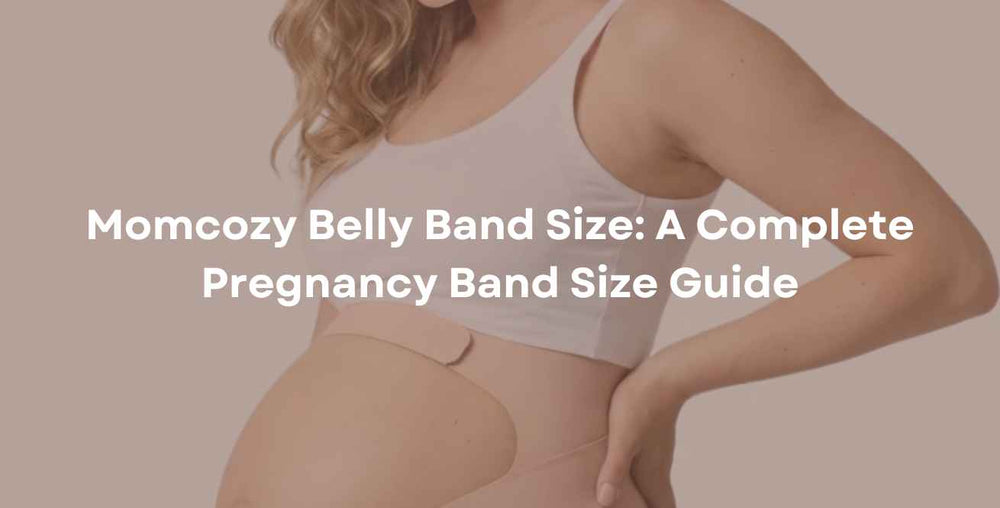
Momcozy Belly Band Size: A Complete Pregnancy Band Size Guide
This article walks you through the momcozy belly band sizing in a step by step process. It also presents a full guide to help you compare sizes across Momcozy’s popular styles.
Pelvic Floor Pressure in Late Pregnancy: What Causes the Heavy Feeling and What Helps
A heavy pelvic feeling in late pregnancy is often caused by your baby sitting lower, more weight pressing down on the pelvic floor, and pregnancy hormones loose
Pregnancy Headaches by Trimester: Common Causes and Safe Relief Options
Most pregnancy headaches come from common things like hormone shifts, dehydration, hunger, poor sleep, and muscle tension. The part that matters most is knowing

Pregnancy Heartburn at Night: Why It Peaks After Dark and How to Sleep Better
Nighttime heartburn in pregnancy is common, especially later on, and it usually gets worse because digestion slows, the baby takes up more space, and lying down
Pregnancy Back Pain at Night: Why It Gets Worse and How to Sleep More Comfortably
Pregnancy back pain often feels worse at night because your back, hips, and belly have been working hard all day, and lying down can expose every pressure point
Sciatica vs. Pelvic Girdle Pain in Pregnancy: Key Differences to Know
Most pregnancy hip, buttock, or pelvic pain is more likely to be pelvic girdle pain than true sciatica. A simple first clue is where the pain travels: pelvic gi

Symphysis Pubis Dysfunction in Pregnancy: Symptoms, Causes, Relief, and Support Options
Symphysis pubis dysfunction, often called SPD, is a common pregnancy-related pelvic pain that can make walking, stairs, and turning in bed hurt, but it does not

Pregnancy Heartburn Remedies: What Actually Works
The remedies that help most are simple: smaller meals, less food close to bedtime, staying upright after eating, and sleeping with your upper body raised on you

Hemorrhoids During Pregnancy: Causes, Prevention, Safe Relief, and When to Call Your Doctor
Pregnancy hemorrhoids are common, especially late in pregnancy and right after birth. They are usually harmless, and most get better with softer bowel movements
EXPERT Spotlight


Popular Pregnancy & Postpartum Tools

Baby Name Generator
A name is the first gift to your beloved baby. Find the perfect name for your baby

Pregnancy Weight Gain Calculator
Track your pregnancy weight gain and get personalized recommendations based on your pre-pregnancy BMI.
Chinese Gender Prediction Calculator
Legend has it that this ancient Chinese gender prediction chart was discovered in a royal tomb near Beijing over 700 years ago.
Due Date Calculator
Using our Pregnancy Due Date Calculator, you can estimate your due date based on your last menstrual period, conception date, IVF transfer, or ultrasound.