



Latest Article
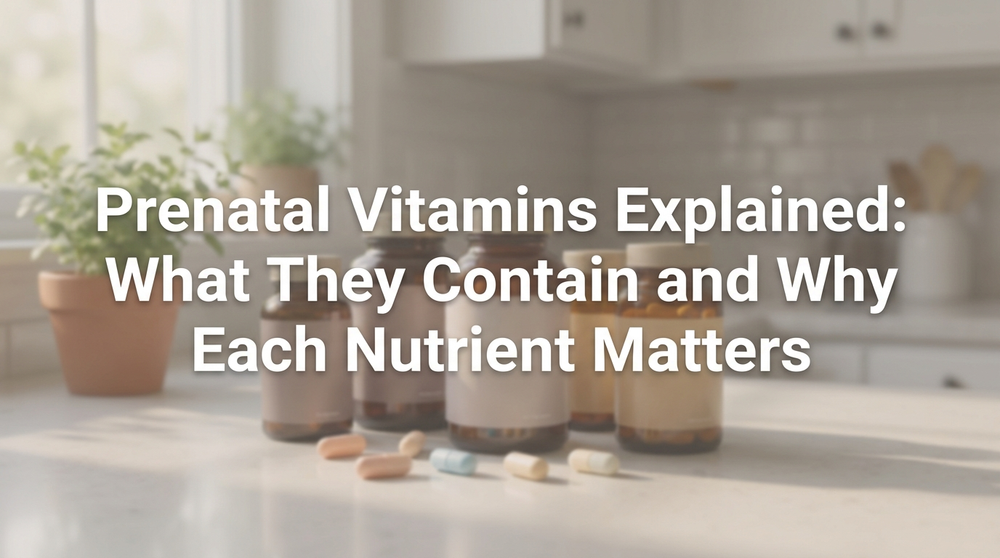
Prenatal Vitamins Explained: What They Contain and Why Each Nutrient Matters
Prenatal vitamins help cover the nutrients the pregnant person needs most, especially folate, iron, calcium, vitamin D, iodine, and sometimes DHA and choline. T
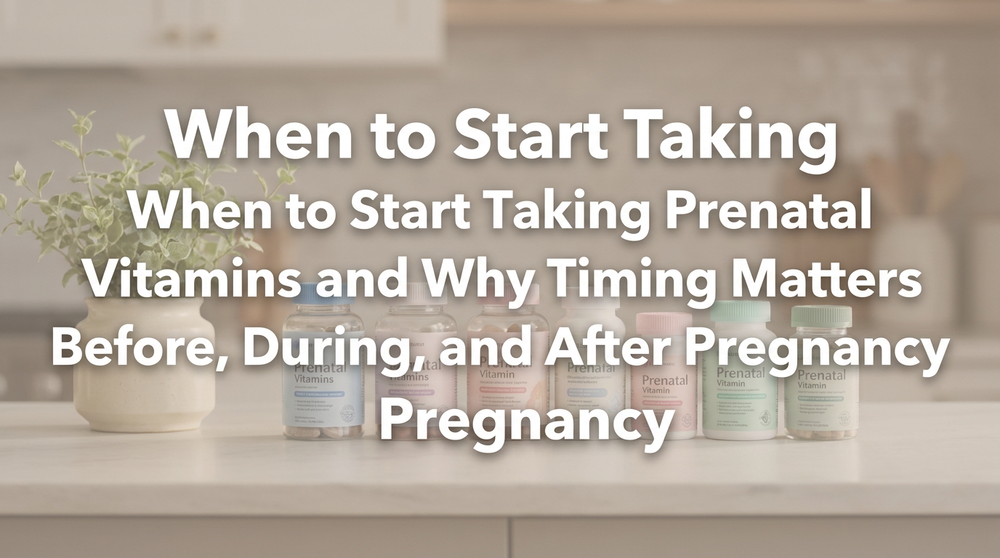
When to Start Taking Prenatal Vitamins and Why Timing Matters Before, During, and After Pregnancy
Start a prenatal vitamin before you try to conceive if you can, ideally 1 to 3 months early. If pregnancy was unplanned, start as soon as you know; it still mat

Third Trimester Sleep: Why Side Sleeping Gets Harder and How to Make It Work
The short answer: side sleeping gets harder in late pregnancy because your bump changes your balance, your joints get looser, and your hips, back, and stomach t
How to Use a Wearable Pump During Back-to-Back Meetings Without Anyone Noticing
You can use a wearable pump through a packed meeting day without drawing attention to it. The key is a calm, repeatable routine that keeps you comfortable and f
First Trimester Weight Changes: What Is Actually Expected
In the first trimester, weight change is usually small. Many people gain just a few pounds, and some lose a little because nausea, vomiting, or food aversions m

Nasal Congestion in Early Pregnancy: Why It Happens and How to Find Safe Relief
A stuffy nose in early pregnancy is often a normal body-change symptom, not a sign that something is wrong. In many cases, simple comfort steps help more than y
The Ultimate Guide to Early Pregnancy Symptoms: What to Expect
Waiting to find out if you are expecting can be an emotional rollercoaster. Recognizing early pregnancy symptoms can help you understand the changes your body is experiencing. From that first missed period to sudden bouts of fatigue, we break down everything you need to know about navigating the very beginning of your motherhood journey and keeping yourself comfortable.

What's That Flutter? Navigating the Weird Feeling in Stomach Early Pregnancy
Understand weird stomach feelings in early pregnancy, including implantation cramps, bloating, ligament stretching, and warning signs.
Pelvic Girdle Pain at Night: Sleep Positions That Reduce Pressure on Your Pelvis
A supported side-lying setup usually helps most because it keeps your knees, ankles, belly, and back aligned so your pelvis is not twisting overnight. If full s
EXPERT Spotlight


Popular Pregnancy & Postpartum Tools

Baby Name Generator
A name is the first gift to your beloved baby. Find the perfect name for your baby

Pregnancy Weight Gain Calculator
Track your pregnancy weight gain and get personalized recommendations based on your pre-pregnancy BMI.
Chinese Gender Prediction Calculator
Legend has it that this ancient Chinese gender prediction chart was discovered in a royal tomb near Beijing over 700 years ago.
Due Date Calculator
Using our Pregnancy Due Date Calculator, you can estimate your due date based on your last menstrual period, conception date, IVF transfer, or ultrasound.