







Latest Article
Peut-on faire de l'exercice physique en cas de prolapsus des organes pelviens ? Votre guide complet
Il est possible de faire de l'exercice physique malgré un prolapsus des organes pelviens. Concentrez-vous sur des activités à faible impact telles que la marche et les exercices de Kegel, tout en évitant les entraînements à fort impact et le port de charges lourdes afin de protéger votre plancher pelvien.
Can Your Nursing Bra Cause Mastitis? An OB/GYN Shares What Every Mom Should Know
I was a 3rd year OB/GYN resident and a brand-new mom when I got mastitis for the first time. I had just started a night shift rotation after having my first daughter and was trying desperately to keep up with the grueling hospital schedule while pumping between deliveries and rounding on patients. One night at work, I developed chills and body aches. I was sure I had the flu until a wise labor and delivery nurse told me to be sure to check my breasts for redness. I’m a little embarrassed to say that a diagnosis of mastitis did not even cross my mind. Like many moms, I powered through with antibiotics, vigorous massage, and a militant pumping schedule. But I didn’t yet understand what had caused the mastitis in the first place—or how I could prevent it. And I definitely didn’t realize that the nursing bra I wore day and night might have played a role. Fast forward over a decade and four more kids later, plus becoming a breastfeeding medicine physician: I now know so much more. And one of the most mind-blowing shifts came with a recent update from the Academy of Breastfeeding Medicine (ABM) that completely changed how we understand and treat mastitis. Spoiler alert: we’ve been thinking about it all wrong. Here’s what every breastfeeding mom needs to know. And, yes, your nursing bra can make a difference. What Is Mastitis, Really? Most people think of mastitis as a breast infection… and it can be. But in 2022, the ABM published new guidance showing that mastitis is often the result of inflammation, not just infection. That distinction matters, because how we prevent and treat it changes too. Instead of reaching for antibiotics right away, we now emphasize: Improving milk drainage Reducing inflammation Addressing mechanical compression, including from bras Supporting the breast’s natural immune environment In other words, mastitis is often a perfect storm of milk stasis, tissue inflammation, and external factors like pressure points from a poorly fitting bra. Can a Nursing Bra Really Contribute to Mastitis? Yes, absolutely. It’s not the most common cause, but I’ve certainly seen it in some of my patients. When a mom a comes to me with recurrent mastitis and claims to be doing everything right, oftentimes she hasn’t thought about an ill-fitting bra being the culprit. Turns out, some nursing bras aren’t built to support changing postpartum bodies. Tight bands, stiff seams, underwire, or just an old bra that no longer fits well can compress milk ducts, leading to blocked flow and painful inflammation.If you’re trying to avoid mastitis, avoid tight clothing, especially bras that don’t flex with your changing breast size. Here are a few common bra-related mistakes I see: Wearing the same bra throughout pregnancy and postpartum (your breast size and shape change dramatically!) Sleeping in a tight bra without proper support or stretch Choosing fashion over function; prioritizing looks instead of comfort Your breasts are working hard. They need space to do their job without unnecessary pressure. How to Choose a Breast-Healthy Nursing Bra So what should you look for in a nursing bra to protect your breast health? As both an OB/GYN and a mom who’s been through mastitis more than once, here’s what I recommend: Go Wire-Free If you remember nothing else from this blog, remember this: underwires can press on milk ducts and interfere with lymphatic drainage. They are quite possibly the most common culprit of bra-related mastitis. Choose bras with structured support, not rigid wires.That’s why choosing the best bra for mastitis prevention means going wire-free and prioritizing comfort. Prioritize Stretch and Breath ability Your breasts fluctuate in size between feedings. A flexible, soft fabric (especially one that’s moisture-wicking) helps your bra move with you instead of against you. Adjustable Straps and Band A customizable fit prevents areas of tightness or sagging. You want even support, not pressure points. Drop-Down Cups with Full Access Make sure your nursing bra allows for easy, full access during feeds without bunching or pinching. Comfortable Enough for All-Day (and Night) Wear If you’re like most moms, you’ll wear your nursing bra almost 24/7 in the early weeks. Make sure it’s one you actually like wearing. Why I Recommend the Momcozy CoolFit Nursing Bra I’ve seen a lot of nursing bras in my 16 years (gasp!) of on-and-off breastfeeding. Some are pretty but totally impractical. Others are functional but feel like medieval armor. The Momcozy CoolFit Nursing Bra strikes that rare balance of being both supportive and gentle on hard-working breasts, making it an ideal mastitis bra for daily wear during breastfeeding.[product_shortcode_1] Here’s what stands out: Seamless, wire-free design that won’t dig into breast tissue Breathable fabric that feels great even during hormonal hot flashes Stretchy, adaptive fit perfect for fluctuating breast size Easy one-handed nursing clips for stress-free feeds Built in nursing pads that look smooth under clothes and don’t get lost in the wash Whether you’re pregnant, newly postpartum, or weaning, this bra respects your body’s changes and supports your breast health every step of the way. Final Thoughts: Listen to Your Breasts, They’re Talking to You If you’re struggling with sore spots, frequent clogged ducts, or mastitis, don’t ignore your bra. This precious phase of your life is about more than style, it’s about supporting the physiology of lactation. You deserve comfort, confidence, and knowledge that empowers you to protect your body. Don’t wait until there’s a problem. Swap in a breast-healthy bra early and check in regularly to make sure your fit still works. From one mastitis survivor (and expert) to another: you’ve got this. And with the right tools, like the CoolFit Nursing Bra, your breasts do, too.
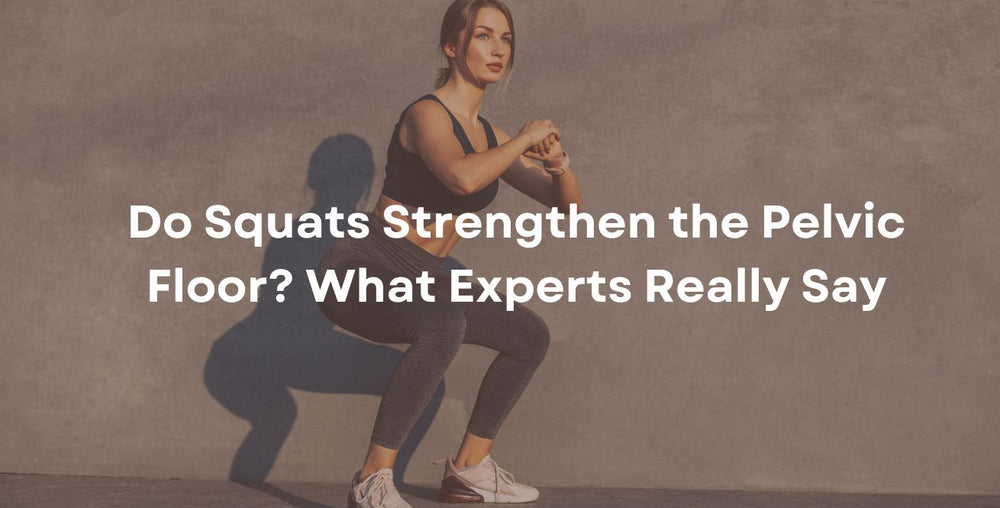
Les squats renforcent-ils le plancher pelvien ? Ce qu'en disent réellement les experts
Cet article explore différentes variantes du squat et leurs effets sur les muscles du tronc et du bassin. Il fournit des conseils pour éviter les erreurs courantes et propose des recommandations d'experts pour une pratique sûre et efficace. L'objectif est d'aider les personnes, qu'elles soient en post-partum, sportives ou simplement désireuses d'améliorer leur santé pelvienne, à renforcer et assainir leur plancher pelvien.

Le sexe peut-il aider à renforcer le plancher pelvien ? Explication des bienfaits surprenants
Le sexe peut-il renforcer les muscles du plancher pelvien ? Cet article se penche sur les données scientifiques et les avis d'experts concernant la manière dont l'activité sexuelle peut contribuer à améliorer la force des muscles pelviens, favoriser la récupération et améliorer la santé pelvienne au fil du temps.
Comment Nettoyer Un Mamelon ?
Apprenez à nettoyer efficacement les mamelons et à maintenir une bonne hygiène pour la santé des femmes, avec des conseils pour un nettoyage en douceur pendant la grossesse et l'allaitement.
Nipple Vasospasm and Blanching: White Nipple After Pumping and Breastfeeding
Struggling with white nipples while breastfeeding? Discover expert advice to ease nipple vasospasm pain and improve your nursing experience effortlessly.
How to Prevent Mastitis: The Ultimate Guide for Moms
Mastitis is a common issue affecting breastfeeding mothers and, less commonly, pregnant or weaning women. This comprehensive guide explores how to prevent mastitis, including recognizing symptoms, understanding complications, and managing the condition naturally. Learn tips for breastfeeding, pumping, and weaning to protect your milk supply and overall health.
Les seins veineux : Un guide ultime
Découvrez la vérité sur les veines visibles du sein grâce à des informations médicales, des traitements éprouvés et des conseils pratiques. Comprenez quand c'est normal et quand il faut demander de l'aide.
Picotements dans les seins : Ce que cela peut signifier et quand faut-il s'inquiéter ?
Les picotements dans les seins peuvent avoir des causes diverses, y compris les picotements dans le sein gauche ou une sensation d’aiguilles dans le sein, allant des changements hormonaux à l'irritation des nerfs. Bien que souvent inoffensifs, il est important de surveiller les symptômes et de consulter un professionnel de la santé si la sensation persiste ou s'accompagne d'autres signes inquiétants.
EXPERT Spotlight


Popular Pregnancy & Postpartum Tools

Baby Name Generator
A name is the first gift to your beloved baby. Find the perfect name for your baby

Pregnancy Weight Gain Calculator
Track your pregnancy weight gain and get personalized recommendations based on your pre-pregnancy BMI.

Chinese Gender Prediction Calculator
Legend has it that this ancient Chinese gender prediction chart was discovered in a royal tomb near Beijing over 700 years ago.

Due Date Calculator
Using our Pregnancy Due Date Calculator, you can estimate your due date based on your last menstrual period, conception date, IVF transfer, or ultrasound.