


When breast and bottle feel too different, many families notice fussing at the breast, bottle refusal, or a baby who seems to favor one way of feeding. Parents and providers often call that pattern nipple confusion, though many lactation specialists prefer terms like nipple preference or flow preference. This guide explains what may be going on, how to spot it, and practical steps if your baby leans toward the bottle or the breast—without replacing care from your pediatrician or an IBCLC.
Key takeaways
- Nipple confusion usually describes trouble switching between breast and bottle—not a formal medical diagnosis.
- Many babies show a flow preference: bottles can deliver milk faster with less work than nursing, or the reverse if the breast feels more comforting.
- Prevention (slow flow, paced feeds, timing) often works better than trying to reverse a strong preference later.
- Paced bottle feeding helps mimic nursing rhythm; the full technique is covered later on this page with a link to our step-by-step paced feeding article.
- When you are ready for a structured bottle plan—who offers the first cup, pacing with nursing, and step-by-step introduction—use our dedicated introduction guide (linked below under prevention).
What is nipple confusion? (And is it real?)
Nipple confusion is a lay term for when a baby struggles to switch between breastfeeding and bottle-feeding after using both. La Leche League International notes that bottle and breast require different sucking skills, and some babies adjust easily while others do not. There is no way to predict who will have trouble.

Nipple confusion vs nipple preference vs flow preference
Clinicians often say babies are not truly “confused.” Many show a preference based on what takes less effort or feels more familiar. Cleveland Clinic describes it as a preference: bottle flow can feel immediate, while the breast may require waiting for let-down and a deeper latch. Flow preference is especially common when bottles use fast nipples or when feeds are rushed.
Why experts debate the term
Research does not always show a simple cause-and-effect link between bottles and breastfeeding failure. Underlying issues—low supply, sore nipples, tongue tie, or prematurity—can look like “confusion” when the real driver is pain, hunger, or mechanics. Treating the label alone rarely fixes feeding; addressing latch, supply, and flow usually does.
Breast vs bottle: different skills
| Aspect | Breastfeeding | Bottle-feeding |
|---|---|---|
| Latch | Wide mouth, deep latch on areola | Often shallower contact on the nipple |
| Milk flow | Let-down after sucking; flow varies | Steady flow, often faster with gravity |
| Effort | Baby sets rhythm; active sucking | Less work if nipple flow is fast |
| Tongue motion | Wave-like compression | Different positioning to control flow |
Babies born early or with a weaker suck may be more vulnerable to preference patterns, according to LLLI. That does not mean combination feeding is impossible—it means flow and support matter more.
Signs of nipple confusion in breastfed babies
What nipple confusion looks like depends on which direction the preference goes. Watch patterns over several feeds, not one bad night.
Two common patterns (often called Type A and Type B)
Feeding specialists sometimes describe two directions—not as official diagnoses, but as a shorthand for what you might see at home.
Type A (breast refusal after bottles): Your baby took bottles and now fusses, arches, or will not latch deeply at the breast. Flow from the bottle may have felt faster or easier than waiting for let-down.
Type B (bottle refusal after breastfeeding): Your baby nurses well but pushes the bottle away, especially from mom. This is sometimes called bottle refusal rather than “confusion.”
Many babies never fit a neat label. If signs do not match either pattern, still focus on flow, latch, and comfort—not the name.
When your baby seems to prefer the bottle
- Arching away, crying, or refusing the breast after routine bottles
- Shallow latch, chewing, or nibbling instead of deep sucking
- Fussiness or pulling off while waiting for let-down
- Taking the bottle quickly but acting frustrated at the breast
When your baby refuses the bottle
- Accepting the breast well but pushing the bottle away or clamping shut
- Waiting only for mom and resisting other caregivers’ bottle attempts
- Better acceptance when milk is warmer or the hold matches nursing
Could it be something else?
Similar signs can come from low milk supply, oversupply, nipple pain, oral ties, ear infections, or reflux. Slow weight gain, fewer wet diapers, extreme sleepiness, or fever need a pediatric visit—not a wait-and-see approach to “confusion.”
An IBCLC can check latch, transfer, and positioning; your pediatrician can rule out illness. Treating the underlying issue often matters more than switching bottle brands.

What causes nipple confusion?
Most patterns trace back to differences in flow, timing, or feeding problems that pushed you toward bottles in the first place.
Fast bottle flow and instant milk
Gravity and wide-open nipple holes can flood the mouth. Once a baby gets used to that speed, the breast can feel slow or “not worth the effort.”
Early or heavy bottle use
Frequent bottles before nursing is stable can reduce time at the breast. That is one reason many clinicians suggest waiting until breastfeeding feels established before routine bottles—your timeline may differ if supplementation is medically needed.
Latch or supply problems
Sore nipples or low transfer often lead families to bottles for relief. The bottle was not the original problem, but fast relief can reinforce bottle preference until latch and supply improve.
Pacifiers and artificial nipples
Cleveland Clinic reports no clear research link between pacifiers and nipple confusion. The American Academy of Pediatrics discusses pacifiers in the context of safe sleep—ask your pediatrician what fits your baby. Many lactation consultants still suggest waiting until nursing is going well so pacifiers do not mask hunger cues.
How to prevent nipple confusion before it starts
Prevention focuses on making bottle feeds feel more like nursing and avoiding unnecessary early bottles.
Wait until breastfeeding feels established
For many full-term babies, that means several weeks of stable latches and weight gain—not a rigid calendar. If you must supplement early, ask your care team about alternatives before defaulting to routine bottles.
Cup, syringe, or SNS when you want fewer bottles
When extra milk is medically needed in the first weeks, some teams suggest a small cup, syringe at the finger, or a supplemental nursing system (SNS) at the breast so your baby gets calories without learning only fast bottle flow. These methods take practice; a lactation consultant or NICU team can show you safe technique. They are not a full feeding plan on this page—when you move to regular bottles, use the introduction hub linked below.
Slow-flow nipples and consistent flow
Start with the slowest flow your baby tolerates. “Slow” labels vary by brand; watch for gulping (too fast) or fatigue (too slow). Our guide to bottle nipple sizes explains levels and when to change—still match choices to your baby, not the package age alone.
Paced bottle feeding
Paced feeds keep the bottle mostly horizontal, use pauses, and let your baby draw milk actively—similar to nursing. We walk through holds and timing in our paced bottle feeding guide; this page does not repeat those steps.
When you are ready for the first bottle
Timing, who should offer the bottle, and a full introduction workflow belong in one place. For a step-by-step plan on how to introduce a bottle to a breastfed baby, see our changing-from-breast-to-bottle hub—this article focuses on preference and fixes, not a day-by-day schedule.
Feed on early hunger cues
A frantic baby is harder to latch at breast or bottle. Offer feeds at early cues (stirring, hands to mouth) when you can. If let-down is slow, hand-express a few drops before latching so your baby gets an immediate reward.
How to fix nipple confusion when your baby prefers the bottle
These steps target babies who still take bottles well but fight or skip the breast. Work with an IBCLC if progress stalls or weight is a concern.
Step 1: Rule out flow rate and latch issues
Drop to a slower nipple on bottles you still use. At the breast, revisit positioning: tummy-to-tummy, nose toward nipple, chin touching breast first. Fix pain and transfer before labeling the problem “confusion” only.
Step 2: Temporarily reduce bottles; pace what remains
When exposure has been brief, cutting back bottles while increasing calm breast attempts can help. Any bottle feed should use slow flow and paced technique—link above—not continuous tipping.
If supplements are still required, ask whether finger-syringe feeding or cup feeding can replace some bottle feeds for a short time. Finger-syringe work can encourage tongue positioning closer to nursing; your IBCLC can demonstrate.
Step 3: Skin-to-skin and baby-led breast attempts
Offer the breast when your baby is sleepy or calm, not only when starving. Skin-to-skin can restart interest without forcing a latch. Let your baby root toward the breast rather than pushing the head.
Step 4: Express before nursing; use breast compressions
A few drops of milk on the nipple or gentle compression when sucking slows can keep a baby engaged through let-down. If you cut bottles sharply, pump or hand-express when you skip a bottle feed to protect supply—your IBCLC can tailor a plan.
Step 5: Nipple shields—only with guidance
Shields sometimes help a baby who expects a firmer teat, but they can reduce transfer and affect supply. Cleveland Clinic cautions they are rarely a long-term fix. Use only under lactation support, pump if advised, and wean off as soon as safe.
Realistic timeline
Some babies turn back to the breast within days; others need weeks. A few will continue mostly bottle-feeding despite your best efforts. Feeding goals are personal; early professional help improves the odds.
How to fix nipple confusion when your baby refuses the bottle
These tips are for babies who nurse well but resist cups—common when only mom has fed at the breast.
Slow flow and a familiar feel
Choose the slowest practical nipple and a wide base that encourages a open mouth. Avoid switching to fast flows because a caregiver is in a hurry.
Another caregiver, mom out of sight
Many breastfed babies refuse a bottle from mom because they expect the breast. Have a partner or caregiver offer the bottle in a calm room while you step away.
Match hold and temperature
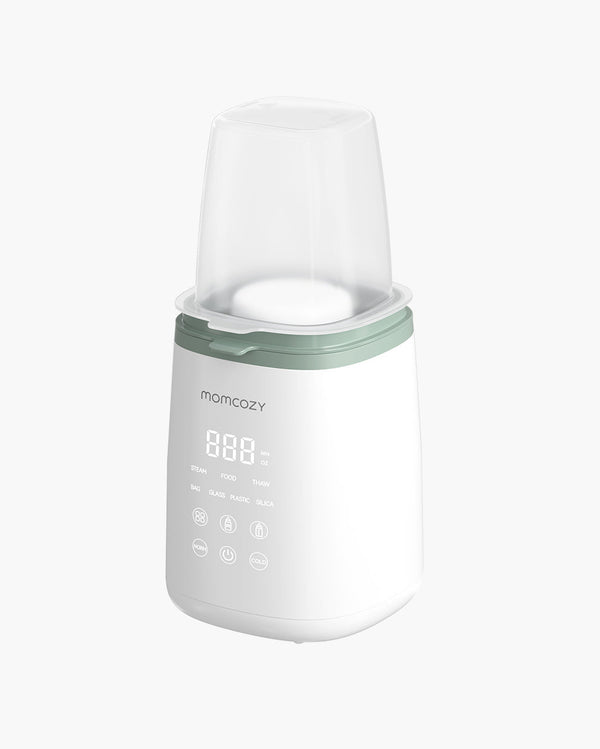
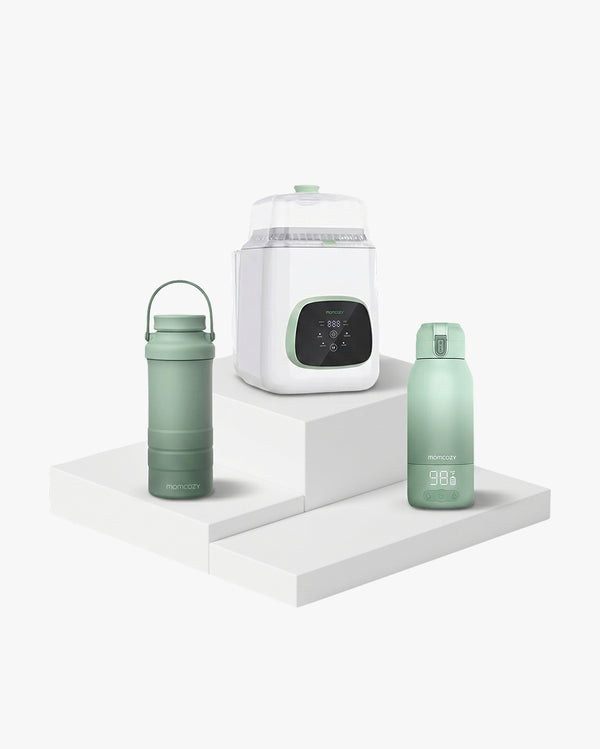
Use a hold similar to nursing (semi-upright, close contact). Warm milk to about body temperature and test on your wrist—never microwave breast milk. For warming basics, see our bottle warmer guide.
Small, calm trials
Offer short practice feeds when your baby is content, not an escalating daily quota on this page. For caregiver handoffs, pacing with nursing, and introduction timing, use the same breast-to-bottle introduction hub linked under prevention above. If refusal continues, read our baby refusing the bottle guide for troubleshooting.
Can a baby forget how to latch after bottle feeding?
Prolonged fast bottle feeds can encourage a shallower latch and a suck pattern that does not transfer milk well at the breast. That is often reversible with practice, not a permanent “forgetting.”
Keep offering the breast, use slow-flow nipples for any bottles, and use paced feeds so your baby works for milk similarly to nursing. If latch stays shallow or painful, book lactation help rather than waiting months.
Best bottles to help prevent nipple confusion (without derailing breastfeeding)
No bottle guarantees zero preference. Technique usually matters more than brand.
What to look for
- Wide base to encourage a wide gape
- Slowest flow your baby can use without frustration
- Soft silicone that compresses somewhat like tissue
- Consistent flow among nipples of the same “level”
Technique beats the “best bottle” list
Paced feeding, responsive amounts, and the right nipple level do more than any marketing claim. For choosing levels and knowing when to size up, use our nipple sizes guide linked above and the bottle-picking section in the breast-to-bottle introduction hub linked under prevention.
When to get help
Call your pediatrician if your baby is not gaining weight, has fewer wet diapers, is jaundiced, lethargic, or in obvious pain with feeds. See an IBCLC for ongoing latch pain, low supply worries, or if preference patterns do not improve after one to two weeks of consistent changes.
This article is general information, not medical advice. Feeding decisions should involve your pediatrician and, when needed, a certified lactation consultant.
Frequently asked questions
Is nipple confusion real?
It is a common description for feeding difficulty switching between breast and bottle, but it is not a formal diagnosis. Many specialists prefer “preference” or “flow preference” because babies often choose the easier or faster option—not because they misunderstand what a breast is.
Can nipple confusion be reversed?
Often, yes—with slower bottles, paced feeds, more skin-to-skin, and fixing underlying latch or supply issues. Timelines vary; some families need extended lactation support.
When is the safest time to introduce a bottle to a breastfed baby?
Many clinicians suggest waiting until breastfeeding is well established and weight gain is on track, which is often several weeks for healthy full-term babies. Medical needs can change that timeline. Principles and a full plan live in the breast-to-bottle introduction hub linked under prevention—not a one-size-fits-all date here.
Do pacifiers cause nipple confusion?
Evidence for a direct link is weak. Timing matters: early heavy pacifier use may hide hunger cues. Discuss pacifier use and sleep safety with your pediatrician.
How long does it take to fix nipple confusion?
Some babies adjust in days; others need weeks or longer. If you do not see progress within about two weeks of consistent changes, or if weight or hydration is a concern, seek help sooner.
Final thoughts
Combination feeding works for many families when flow stays slow and feeds stay responsive. Match tools to your goals—exclusive nursing, mixed feeding, or mostly bottles—and get support early when patterns feel stuck.








