


Key Takeaways
- Diaper sizes should be chosen by weight first, then confirmed by fit around the waist, legs, and bottom.
- Newborn diapers usually fit babies up to about 10 pounds, while Size 1 often overlaps at 8 to 14 pounds.
- Leaks, blowouts, red marks, tight tabs, or poor bottom coverage can mean the diaper size is wrong.
- Brand size charts can differ, so the same baby may wear different sizes across different diaper brands.
- Parents should avoid overstocking newborn sizes because many babies move into Size 1 during the first month.
A diaper size chart by weight is the most convenient beginning to select for Newborn, Size 1, and larger-sized diapers, though it is simply a guide. The right diaper should be snug, fit at the waist and legs, and give no sign of redness, gaps, leaks, or blowouts. A diaper pail close to the changing area can help with cleanup if size problems make things more of a mess.
Every baby develops at a different rate, and diaper brands use no single sizing system. This is why a baby might be a Newborn in one brand, but a Size 1 in another. Try with the weight first and check the fit on the baby. If the diaper leaks or sags, rubs, or barely closes, the chart might not be sufficient.
This guide deals specifically with the sizing and fit of diapers. It cannot provide a substitute for your pediatrician's advice, nor can it substitute for the instructions on the diaper pack. If the rash, diarrhea, blood in stool, fever, poor feeding or any other symptoms are persistent, seek medical advice.
Quick Diaper Size Chart by Weight
The chart below gives common disposable diaper size ranges. Exact ranges vary by brand, so check the package before buying a large box. When your baby is between sizes, fit should decide the next step.
| Diaper Size | Common Weight Range | Typical Stage | Fit Note |
|---|---|---|---|
| Preemie | Usually under 6 lb | Premature or very small babies | Use only if your baby needs a smaller fit than Newborn. |
| Newborn / Size N | Up to about 10 lb | Early newborn stage | Some brands include an umbilical cord cutout. |
| Size 1 | About 8-14 lb | Many newborns and young infants | Common overlap with Newborn size. |
| Size 2 | About 12-18 lb | Growing infants | Move up when Size 1 gets tight or leaks. |
| Size 3 | About 16-28 lb | Older infants | Often used for a longer period than early sizes. |
| Size 4 | About 22-37 lb | Mobile babies and toddlers | Fit and absorbency become especially important. |
| Size 5 | Over about 27 lb | Toddlers | Check waist, thighs, and movement fit. |
| Size 6 | Over about 35 lb | Larger toddlers | Ranges differ by brand. |
| Size 7 | Over about 41 lb | Some older toddlers | Not available in every diaper line. |
Pampers explains that diaper sizes should be chosen by current weight and that overlap between sizes is common. Read the Pampers diaper size guide. Huggies also lists Newborn diapers for babies up to 10 pounds and Size 1 for about 8 to 14 pounds. See the Huggies diaper size chart.
Newborn vs Size 1 Diapers: What Is the Difference?
Newborn diapers are usually made for babies up to about 10 pounds. Size 1 diapers can begin at 8 pounds and be used up to approximately 14 pounds. The overlap is designed intentionally because babies are not all weighted in the same way.
A long, lean 9-pound baby may fit one size differently than a shorter baby with chunkier thighs. Some babies move into Size 1 quickly. Others stay in the Newborn longer, especially if they were smaller at birth.
Depending on the brand, some newborn diapers also have a lower front or are designed with a fold around the umbilical cord area. This is a useful option in the initial weeks, but should not be used as a justification to prolong use when it is becoming too tight in Newborn diapers.
Follow cord care, meconium and first diaper changes in a newborn-specific diaper changing guide. The decision in this article is regarding the perfect fit, weight and when to progress.
How to Use a Diaper Size Chart When Your Baby Is Between Sizes
Many parents get stuck when the chart overlaps. A 9-pound baby can be inside the Newborn range and the Size 1 range at the same time. A 13-pound baby may sit near the upper end of Size 1 and the lower end of Size 2.
If it still fits comfortably, doesn't make marks and doesn't get messy, use the smaller one. If the smaller diaper leaks frequently, sits too low or barely covers the bottom, try the larger size.
| Situation | What to Check | What to Try First |
|---|---|---|
| Baby is in two weight ranges | Waist, leg gaps, tab position, and bottom coverage | Keep the current size if it fits and does not leak. |
| Current diaper leaves red marks | Thighs, waist, and tab tension | Try the next size or a different brand shape. |
| Next size looks loose | Leg gaps and back waistband | Try another brand before buying a large box. |
| Leaks happen only at night | Absorbency, fullness, and bedtime timing | Consider a better fit or overnight option. |
The same pattern usually occurs in Reddit-style parent forums: The chart presents a range, but the shape of the baby's body determines whether a diaper will work. When in doubt, purchase a small pack first to make sure it is the right match for you before buying a case.
How Should a Diaper Fit?

A diaper should not be constricting. It should be positioned at a level that will cover the bottom and remain stable when your baby kicks, stretches or curls up.
Look at the waistband first. It should be able to be moved in a finger-pass without forcing. The waistband may dig in or make deep marks if the diaper is too small or tied too tight.
Next, check the legs. The cuffs should rest against the thighs without open gaps. Pull the ruffles out after fastening because tucked cuffs can cause leaks.
The back should cover the bottom well. If the diaper sits low or does not leave enough room for poop, blowouts up the back may happen more often.
For baby boys, pointing the penis downward before fastening can help reduce leaks out of the top of the diaper. This is a small fit detail, not a substitute for the right size.
Signs the Diaper Is Too Small
A diaper may be too small when the tabs barely reach the front panel or sit far from the recommended fastening area. It may also look short in the rise, leaving the back or bottom less covered than usual.
Red marks around the thighs and waist are another sign. If there is a light, temporary mark where the clothes were placed, that is fine, but if the clothes rub or the mark is deeper, or it feels uncomfortable, then the fit is too tight.
If leaks or blowouts are a recurring problem, this could also be a size problem. If the diaper is too small, it may not be absorbent enough or may not have enough room, particularly after a big poop.
Diaper Size Differences by Type: Daytime, Overnight, Swim, Cloth, and Training Pants

Not every diaper type follows the same fit logic. Daytime disposable diapers usually use numbered sizes and weight ranges. Overnight diapers may use similar size ranges but focus more on absorbency for longer stretches.
Some parents size up for overnight diapers, but that is not a universal rule. If the larger size leaves gaps, it can leak even if it holds more liquid. Fit still matters.
Swim diapers work differently because they are not designed to absorb urine like regular diapers. Follow swim-specific sizing and package instructions.
Cloth diapers may use snaps, rise settings, inserts, or one-size systems rather than the same disposable diaper numbers. If you use cloth, follow the maker’s fit guide.
Diaper Size Troubleshooting Table
A chart gives you a starting size. Troubleshooting helps you decide what to do when the starting size does not work.
| What You See | What It May Mean | What to Try First | Related Next Step |
|---|---|---|---|
| Red marks around thighs | Too tight or wrong cut | Loosen tabs or size up | Watch for skin irritation. |
| Wide leg gaps | Too big or wrong shape | Try a smaller size or another brand | Check before buying a large box. |
| Back blowout | Not enough coverage or containment room | Size up or try a higher-back fit | Prepare quick cleanup supplies. |
| Tabs do not reach easily | Current size is too small | Move up one size | Buy a small pack first. |
| Diaper sags quickly | Too big or too full | Check timing and absorbency | Consider overnight-specific diapers at night. |
| Only one brand leaks | Brand shape mismatch | Test another brand | Do not assume every size chart fits the same. |
| Baby is between weights | Overlap range | Use fit signs to decide | Avoid overstocking either size. |
Where Diaper Disposal Fits Into Size Changes
Diaper sizing is not mainly a disposal topic. Still, size problems often show up as leaks, blowouts, extra wipes, and more frequent changes.
During a size-testing period, keep the disposal close to the changing area. Using a diaper trash pail or lidded bin will make it easier to manage soiled diapers without leaving your baby to get dirty while you're cleaning up.
Diaper-changing hygiene includes placing used wipes and disposable diapers into a plastic-lined, lidded waste container, according to the CDC. Read the CDC diaper hygiene steps.
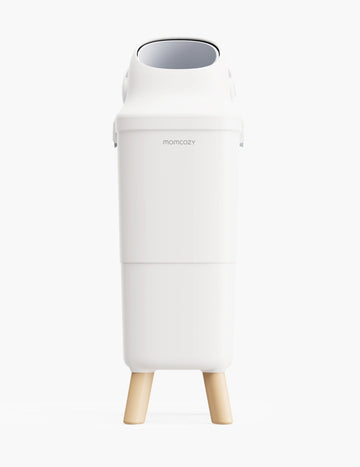
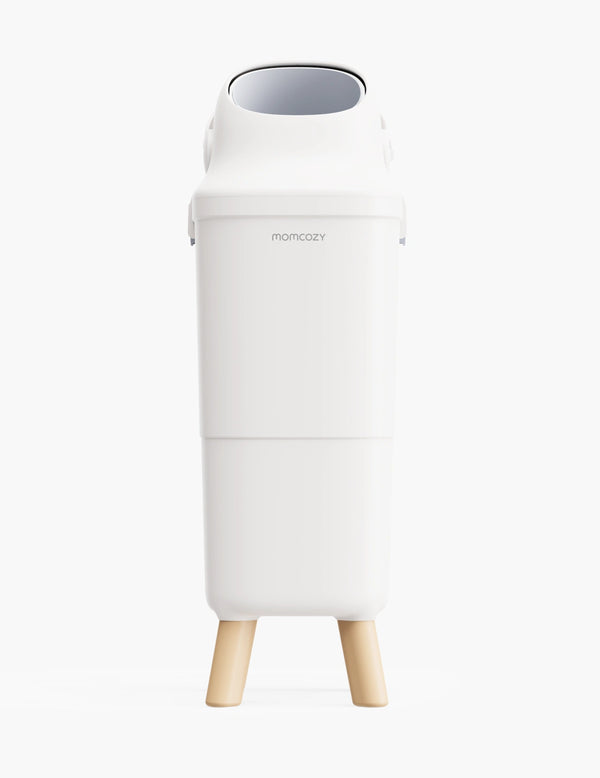
A pail with a wide opening can make this easier during a size transition, since bulkier toddler diapers need more room to drop in without extra pushing. The Momcozy Triple-Seal Diaper Pail, for example, has an extra-wide 5.71 x 5.12-inch opening built for larger diapers, along with a three-stage odor-control system that closes off odor as each diaper drops and keeps the bag opening clamped when it's time to take the trash out, according to Momcozy's current product information. It fits standard 13-gallon trash bags, so no special refills are needed.
Member price
De$124.99$169.99
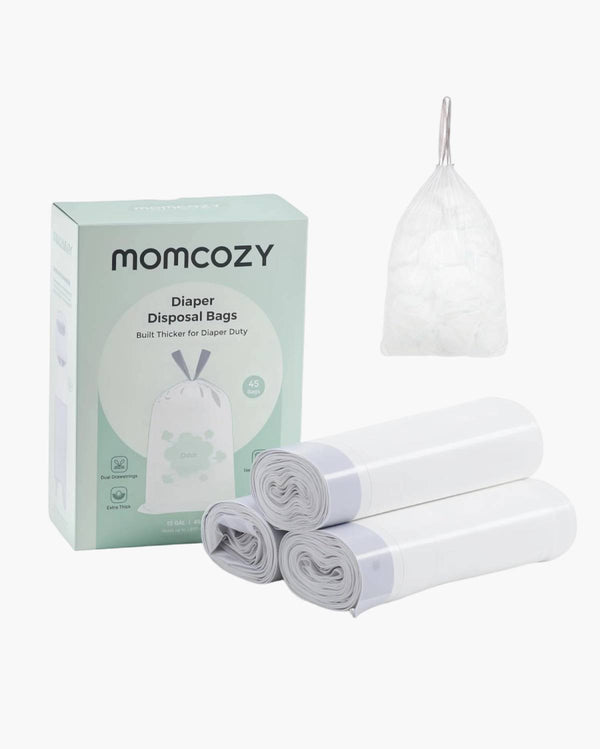
For a broader explanation of diaper disposal products, read what is a diaper pail. If you are comparing pail materials, this steel vs plastic diaper pail guide can support the next decision. For bag compatibility, review diaper pail refill bags.
When Fit Problems May Need More Than a Size Change

Most diaper fit problems can be solved by adjusting the size, checking the cuffs, or trying another brand. Some signs deserve extra attention.
Ask a pediatrician if your baby has a rash that does not improve, bleeding skin, fever, diarrhea, blood in the stool, poor feeding, fewer wet diapers than expected, or unusual discomfort.
A diaper size chart cannot diagnose health concerns. It can only help with fit. When symptoms go beyond leaks, rubbing, or sizing confusion, professional advice matters.
FAQ
Can a newborn wear Size 1 diapers?
Yes, some babies do fit in a Size 1 diaper. Larger newborns may not fit into size 1 newborn or may outgrow it quickly, as it begins at about 8 pounds.
What if Newborn diapers are too small but Size 1 is too big?
Test a different brand before purchasing a large box. The shape of brands varies, and one brand might be more suited to the overlap stage than another.
Do diaper sizes run the same across brands?
No. Weight range, leg shape, rise, and stretch can differ from brand to brand, and things like names for the diaper size are similar but not the same.
Should you size up for overnight diapers?
Not automatically. Some babies may benefit from a bigger diaper for the night, but a too-big size will result in leakage if it is not fitted correctly.
Can the wrong diaper size cause more blowouts?
Yes, poor sizing can contribute to blowouts. A too-small diaper won't provide containment room, and a loose diaper may leave gaps.
What should you do with unopened diapers that no longer fit?
Check the store’s exchange policy first. If exchange is not possible, consider donating unopened diapers to a local diaper bank or family resource center.
Do cloth diaper sizes follow the same weight chart?
Not always. Many cloth diapers use snaps, rise settings, inserts, or one-size designs, so you should follow the cloth diaper maker’s guide.
Conclusion
A diaper size chart by weight gives you the first answer, but fit gives you the final answer. Start with the weight range on the package, then check the waistband, legs, tabs, bottom coverage, leaks, and blowout patterns.
Newborn and Size 1 diapers often overlap. That overlap is normal. Choose the diaper that fits your baby’s body today, not the size that seems right by age alone.
When your baby is between sizes, buy small packs, watch for fit signals, and keep cleanup supplies close. If leaks or blowouts happen during the transition, a diaper pail near the changing area can help manage the extra dirty diapers and wipes without turning diaper sizing into a larger cleanup problem.
For ongoing pail odor control, read how to clean a diaper pail and how to keep a diaper pail from smelling when maintaining a nursery disposal setup.








